How Much Do MDF Shutters Cost? Real 2026 Price Ranges
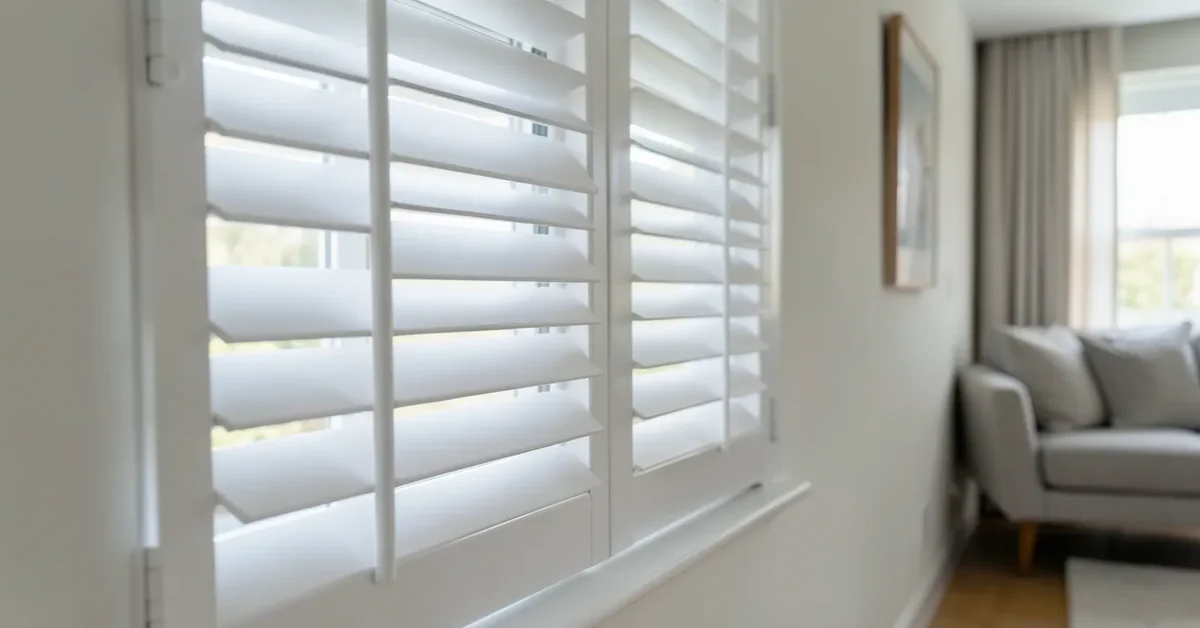
MDF plantation shutters typically cost $20 to $45 per square foot installed, or roughly $70 to $350 per window depending on size and finish. That makes them one of the more budget-friendly shutter options next to solid wood, but the exact number depends on louver width, custom sizing, paint color, and whether you install them yourself or hire a pro. Here’s what actually drives that price up or down, and where MDF is – and isn’t – the right material for the job.
Average Cost of MDF Shutters
Best Primer For MDF Shutter Touch-Ups & Cut Edges
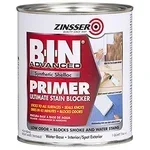 |
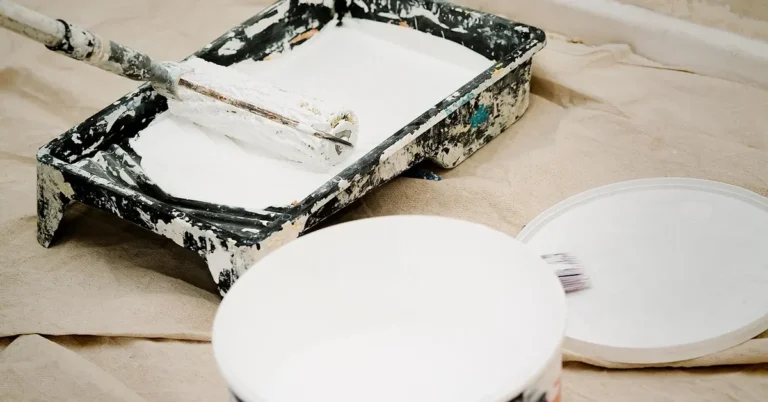
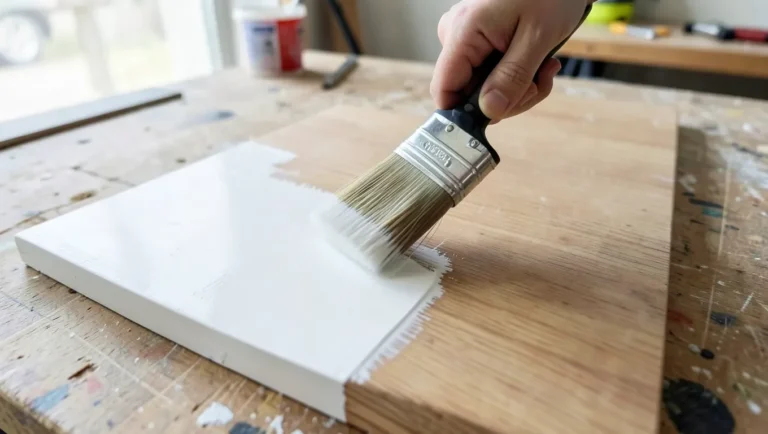
Zinsser B-I-N Advanced Shellac Primer – $23.03 MDF shutters ship factory-primed, but if you trim custom-order panels to fit or need to touch up nicks, the exposed MDF edge has to be resealed before repainting or it will absorb paint unevenly.
|
Nationally, plantation-style shutters as a category run $150 to $800 per window installed, and MDF/composite options sit toward the lower-middle of that range. Expect roughly $175 to $650 per pair for composite panels, or $100 to $400+ per single panel, before installation. A modest three-bedroom home with 10-12 standard windows typically lands somewhere between $1,800 and $4,500 total for MDF shutters installed, though pricing swings hard based on region, installer, and how many windows need custom framing.
Installation labor usually adds $50 to $100 per window if you hire it out, though some retailers bundle “free installation” into the quoted price – always ask whether the number you’re seeing includes labor or is material-only. DIY installation kits skip that fee entirely but require accurate measuring, since MDF panels can’t be trimmed on-site with a saw the way solid wood can without exposing raw, unsealed fiber along the cut edge.
Treat every number above as a range, not a quote – regional labor rates, local material availability, and which installer you use can shift the total by a few hundred dollars either direction, even on an identical window size and finish. A big-city market with higher contractor labor costs will typically land at the top of the installed-price range, while a big-box retailer’s in-house install crew in a lower cost-of-living area often comes in near the bottom. Getting two or three local quotes on the same specs is still the most reliable way to know what you’ll actually pay, since national averages can only tell you the ballpark.
What Actually Drives MDF Shutter Prices Up or Down
Four things move the number more than anything else. Louver width comes first – 2.5-inch or wider “plantation style” louvers cost more per panel than narrower 1.25-inch traditional louvers because they use more material and hardware per square foot of coverage. Custom sizing is second: off-window-frame or oddly-shaped windows require made-to-measure panels instead of stock sizes, and that custom fabrication is where a lot of the price spread between a $70 window and a $350 window comes from.
Paint color matters more with MDF than people expect. Factory white or off-white finishes are the baseline price; custom colors, two-tone finishes, or faux wood-grain paint techniques add a finishing surcharge because they require an extra spray pass and cure time. And divider rails – the horizontal bar that splits a tall panel into two independently operable sections – add hardware cost on any panel taller than about 48 inches, which is most standard windows.
MDF vs. Solid Wood Shutters: Where the Price Gap Comes From
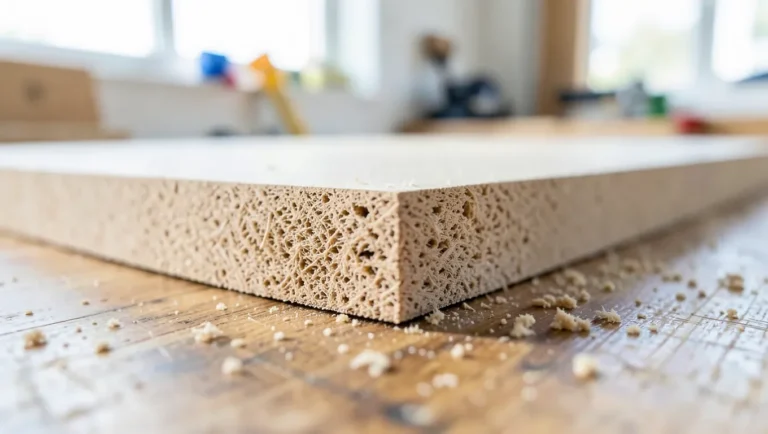
Solid wood or basswood shutters typically run 30-60% more than MDF for the same panel size, and the gap comes down to raw material cost and finishing options, not just brand markup. Basswood is a real hardwood, milled and joined like furniture-grade lumber, so it costs more to source and machine than engineered MDF panels, which are pressed from wood fiber and resin.
The finishing difference is the part that surprises most people: wood shutters can be stained or painted, but MDF shutters are essentially paint-only. MDF is compressed wood fiber with no real grain pattern running through it, so staining it doesn’t produce the natural wood-grain look a stain is meant to show off – it just looks like painted fiberboard with a tint. That’s exactly why MDF’s smooth, void-free surface is such an asset for paint: with no grain, knots, or pores to fill, a sprayed factory finish goes on perfectly even, which is why nearly every MDF shutter on the market ships pre-primed and painted rather than raw. If you want a genuine wood-grain look you can stain later, that’s a point in favor of solid wood or basswood instead, even at the higher price.
For a broader look at where MDF holds up well and where it doesn’t across furniture and built-ins generally, see our full breakdown of MDF’s pros and cons – the moisture and edge-sealing issues that show up in shutters are the same ones that show up in MDF cabinetry.
Where MDF Shutters Make Sense – and Where They Don’t
MDF is a genuinely good, budget-friendly choice for bedrooms, living rooms, dining rooms, and hallways – anywhere humidity stays in a normal indoor range. The lower price compared to wood, combined with that smooth paintable surface, makes it hard to beat for standard living spaces.
Bathrooms are a different story, and this is worth being honest about rather than glossing over. Standard MDF absorbs moisture and swells at the fiber level, and even shutters marketed as “moisture-resistant MDF” – which use a water-repellent resin during manufacturing, often identifiable by a green-tinted core – only raise the humidity tolerance, they don’t make the panel waterproof. In a splash zone near a shower or tub, moisture-resistant MDF can still swell by up to 10% when it takes on water directly, and any exposed or poorly sealed cut edge is the weak point where that swelling starts. If your bathroom has a separate tub/shower area away from direct splash and runs a working exhaust fan, moisture-resistant-rated MDF shutters can hold up reasonably well. For a shower enclosure or a consistently steamy bathroom with no ventilation, PVC or vinyl composite shutters – true plastic through and through – are the safer, genuinely waterproof choice, even though they cost a bit more and won’t take custom paint colors as cleanly.
DIY vs. Professional Installation Cost
DIY shutter kits ship with hinges, mounting frames, and filler strips included, and installing a single window typically takes 1-2 hours once you’ve measured correctly – the real time cost is in re-measuring twice before you order, since custom MDF panels usually can’t be returned once cut to size. Skipping professional installation saves the $50-$100-per-window labor fee outright, which on a whole-house job of 10+ windows can mean $500-$1,000 back in your pocket.
Professional installation earns its cost mainly on oddly-framed windows, bay windows, or homes where the window openings aren’t quite square – a common issue in older houses. A pro installer measures around that, while a first-time DIYer is more likely to end up with a panel that binds or won’t close flush, then needs filler strips or shims to compensate.
Most custom MDF shutter orders, whether DIY or professionally installed, ship on a 3-to-5-week production lead time after you place the order – that’s true even for big-box and online retailers, since panels are cut and painted to your exact window measurements rather than pulled off a shelf. Factor that lead time into any renovation timeline; it’s the single most common source of “why is this taking so long” frustration with shutter orders, not the installation day itself, which is usually done in an afternoon for a normal-size home.
Ways to Save on MDF Shutters
Buying in bulk for a whole-house order is the single biggest lever – most retailers and manufacturers offer per-panel discounts once you cross a threshold like 8 or 10 panels, since it’s more efficient for them to run one production batch than several small ones. Sticking to standard white or off-white paint avoids the custom-color surcharge, and choosing stock louver widths (rather than an oversized 3.5-inch louver) keeps you out of premium pricing tiers. Installing yourself, where the window shape allows it, is the other major saving, since labor is often close to a third of the total project cost on a straightforward, square window.
Frequently Asked Questions
How much do MDF shutters cost per window?
MDF shutters typically cost $70 to $350 per window installed, or $20 to $45 per square foot. The exact price depends on window size, louver width, whether the panel needs custom sizing, and whether installation labor is included in the quote.
Can MDF shutters be stained instead of painted?
Not effectively. MDF is compressed wood fiber with no real grain pattern, so a stain doesn’t produce a natural wood-grain look – it just tints the fiberboard unevenly. That’s why virtually every MDF shutter on the market ships factory-primed and painted rather than raw. If you want a genuine stained wood-grain finish, solid wood or basswood shutters are the better fit, at a higher price.
Are MDF shutters a bad choice for bathrooms?
Standard MDF is a poor choice for bathrooms with direct moisture exposure – it absorbs water and swells at the fiber level. Moisture-resistant MDF (water-repellent resin, often with a green-tinted core) improves humidity tolerance but still isn’t waterproof and can swell up to 10% in a direct splash zone. For a shower enclosure or steamy, poorly ventilated bathroom, PVC or vinyl composite shutters are the safer, genuinely waterproof option.
Are MDF shutters cheaper than solid wood shutters?
Yes. Solid wood or basswood shutters typically cost 30-60% more than MDF for a comparable panel size, mainly because basswood is a milled hardwood while MDF is an engineered fiber panel that’s cheaper to produce. The tradeoff is that wood can be stained to show real grain, while MDF is effectively a paint-only material.
Sponsored / affiliate links. As an Amazon Associate I earn from qualifying purchases. I may earn additional commission from eligible campaigns.