Does MDF Paint Well? Tips for Flawless Results
Are you planning your next DIY project and wondering if MDF, or Medium-Density Fiberboard, is the right canvas for your creative vision? You’re not alone.
Many people like you are curious about how well MDF takes to paint. The good news is that MDF can be a fantastic choice for painting, but there are some important tips and tricks you need to know to achieve a flawless finish.
Imagine transforming a plain piece of MDF into a stunning masterpiece that everyone admires. Intrigued? Keep reading to discover how you can make your MDF projects look professional, vibrant, and durable. With the right approach, your painted MDF creations will not only meet but exceed your expectations. Let’s dive into the world of MDF painting and unlock the secrets to perfect results!
Mdf Basics
MDF, a popular choice for furniture, paints beautifully with the right preparation. Sanding the surface ensures smoothness. Use primer to seal and enhance paint adhesion for a flawless finish. MDF accepts various paint types, offering versatility for creative projects.
What Is Mdf?
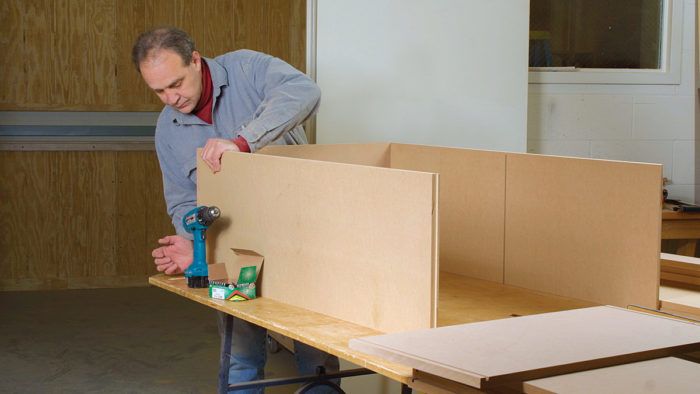
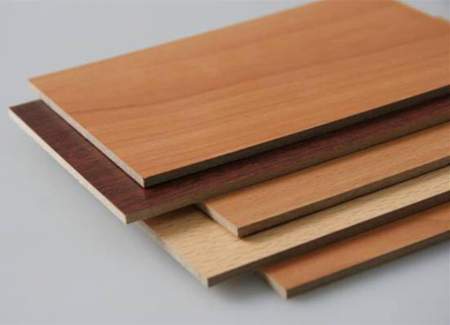
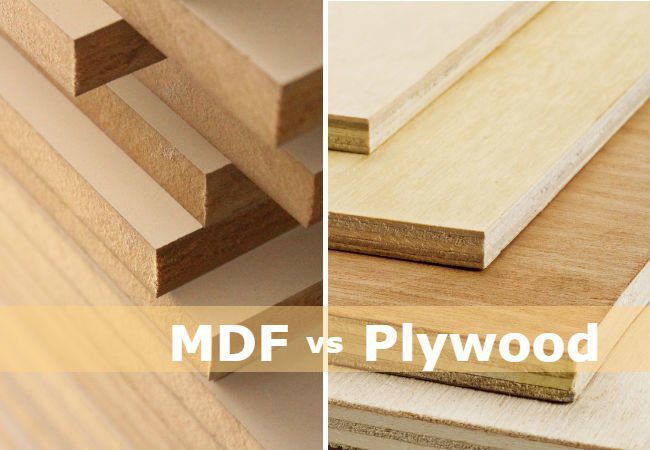
MDF stands for Medium Density Fiberboard. It is made from wood fibers glued under heat and pressure. MDF is denser than plywood. It has a smooth surface. This makes it great for painting. MDF is cheaper than solid wood. It is easy to cut and shape. MDF is a popular choice for furniture. It is also used in cabinets and shelves. Always handle MDF carefully. It can break easily if dropped.
Common Uses Of Mdf
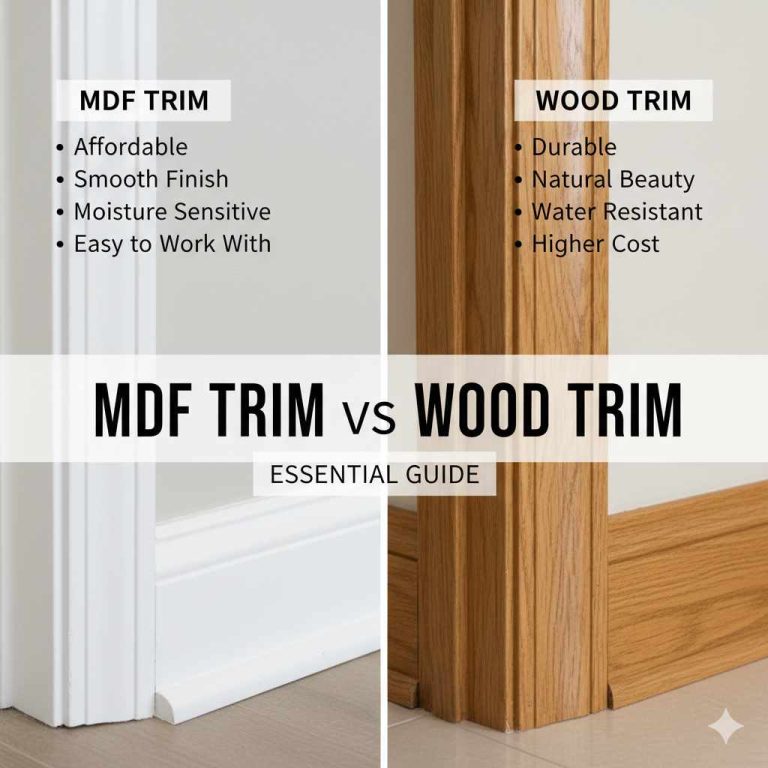
MDF is used in many places. It is perfect for interior furniture. It is used in making doors and panels. MDF is also found in kitchen cabinets. It is great for shelving units. MDF is often used for moldings. It can be shaped into many designs. MDF is popular in art projects. It paints very well. MDF is a favorite for DIY projects. Its smooth surface is easy to finish. MDF is not used outside. Moisture can damage it.
:strip_icc()/GettyImages-1289001195-d9812acb283e48d9ade7a2e0ce6d890f.jpg)
Credit: www.bhg.com
Preparation Steps
Choosing the right MDF is important for painting. Pick a board with a smooth surface. Avoid boards with visible defects. They might affect the paint finish. Check the thickness of the board. Thicker boards are stronger. Thin boards might warp easily. Consider the size you need. Large boards may require more paint. Smaller boards are easier to handle. Choose the right density for your project. High-density MDF is sturdier. Low-density MDF is lighter and easier to cut.
Sanding helps create a smooth surface. Start with a coarse sandpaper. This removes rough spots. Switch to finer sandpaper next. This smoothens the surface further. Sand in circular motions. It helps get an even finish. Always wear a mask while sanding. Dust can be harmful. Check for rough edges. Sand them down carefully. Clean the surface after sanding. Remove dust completely. Dust can ruin the paint job.
Priming Mdf
MDF needs a good primer before painting. Priming helps paint stick better. It also makes the surface smooth. Paint lasts longer with proper priming. MDF can soak up paint quickly. This leaves uneven spots. A primer stops this from happening. It acts like a shield. Prepares the surface for painting. Primers also help in hiding dark spots. This makes colors look brighter.
Many primers work well on MDF. Water-based primers are popular. They dry fast. Easy to clean. Good for indoor use. Oil-based primers are strong. They block stains. Perfect for tough jobs. Shellac primers dry quickly. They seal the surface well. Provide a nice finish. Choose the right primer for your project. Each type has its own benefits.

Credit: mdfskirtingworld.co.uk
Painting Techniques
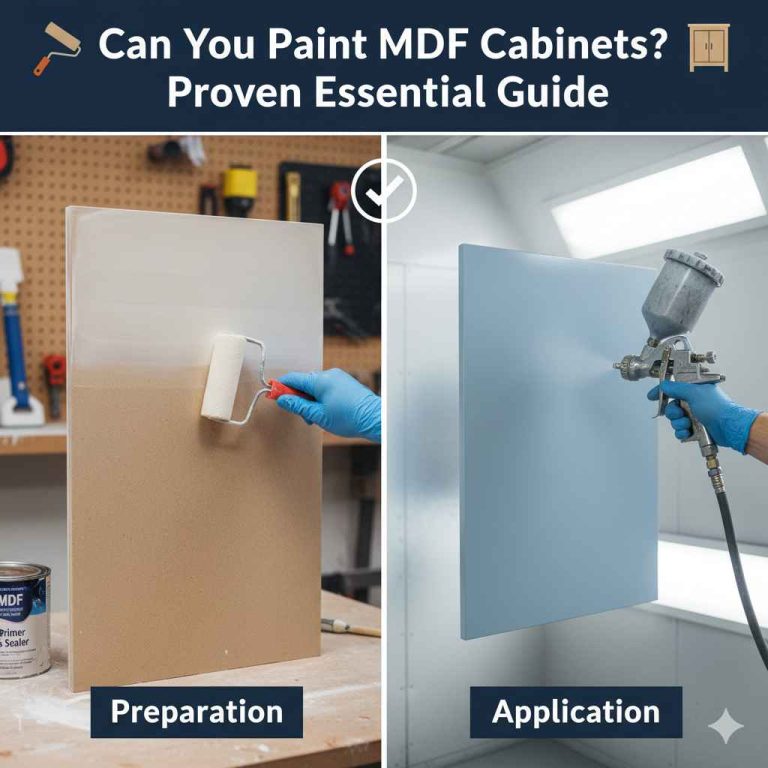
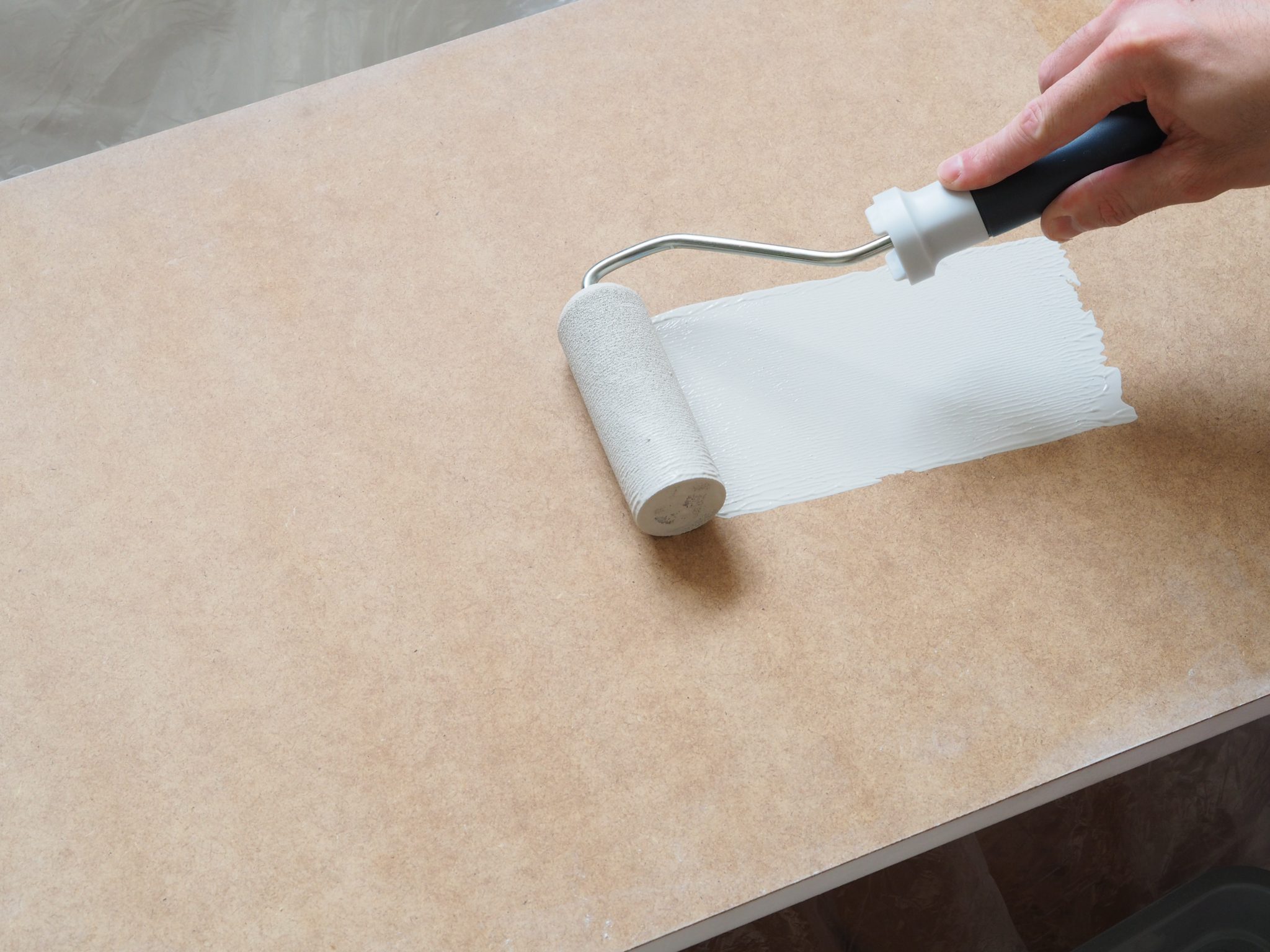
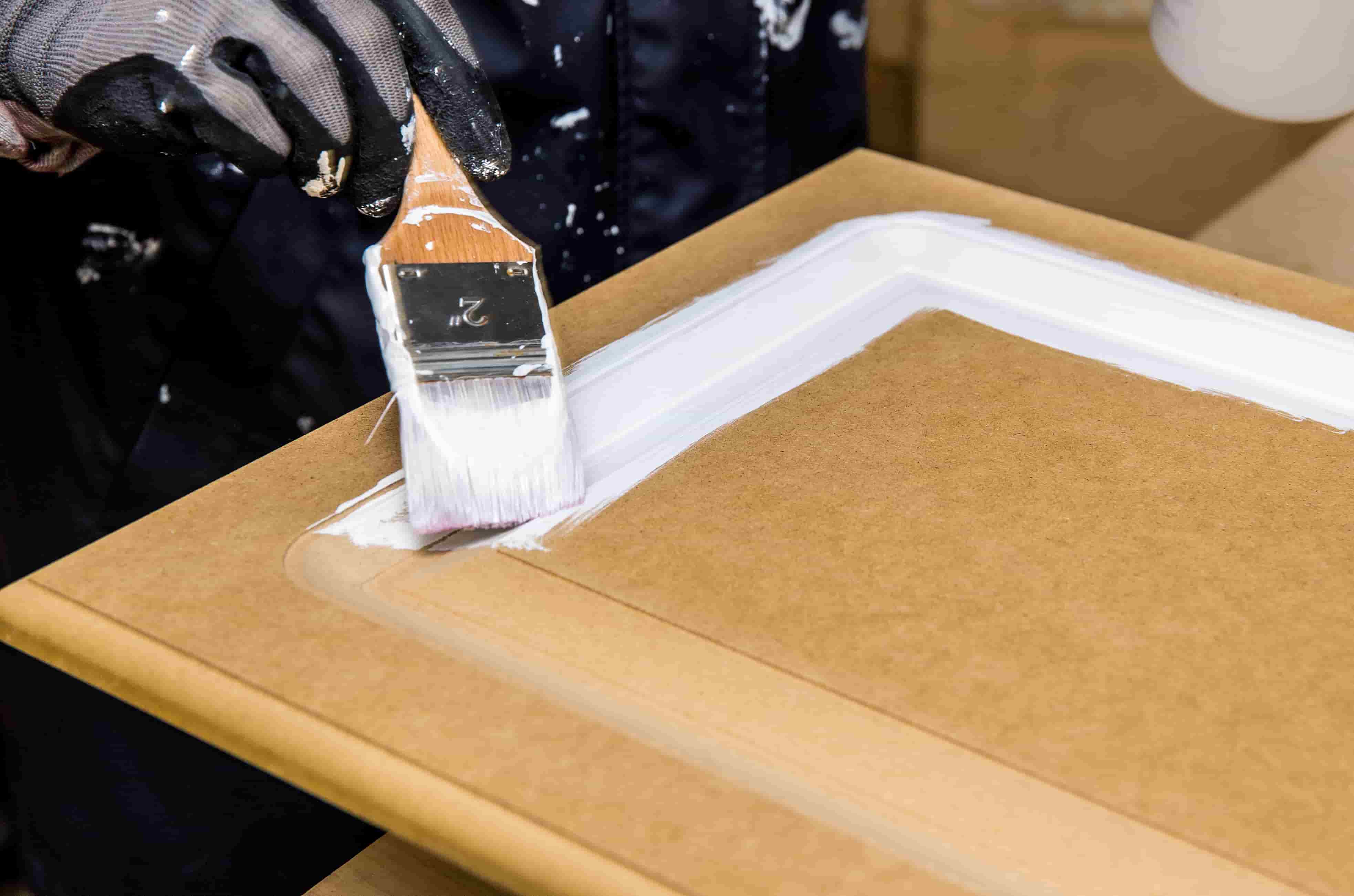
Using a brush gives you more control. It is great for edges and corners. But it can leave brush marks. A roller covers larger areas quickly. It provides a smooth finish. Both tools have their strengths. Choosing the right one is key. Some prefer to use both. Start with a brush, then a roller. Try both methods to see what works best.
Apply thin layers for a smooth finish. Let each layer dry first. This stops paint from peeling. Sand between layers for extra smoothness. Use fine sandpaper for this. More layers mean better coverage. Three layers are often enough. Thin layers dry faster too. Painting on MDF can be tricky. But patience will give a great result.
Finishing Touches
MDF offers a smooth surface, making it ideal for painting projects. The uniform texture allows paint to adhere well, ensuring a polished finish. Proper preparation, like priming, enhances the end result.
Sealing Painted MDF
Sealing painted MDF is very important. It helps in protecting the paint. The seal makes the surface strong and long-lasting. Use a clear sealant for this job. It keeps the paint safe from scratches. Also, the seal stops water from damaging the paint. Choose a sealant that works with the type of paint used.
Enhancing Durability
Adding a sealant is not enough. Make sure to apply it well. Use a clean brush or roller. Apply the sealant in thin layers. Let each layer dry completely. This makes the MDF durable. Good sealing also keeps the paint looking new. It protects the paint from chipping off. Durability is key for a nice finish.
Credit: mdfskirtingworld.co.uk
Common Mistakes
Painting MDF can be tricky. Paint bubbles are a common issue. Bubbles happen when the surface is not properly prepared. Sand the surface well. Use a primer before painting. This helps the paint stick better. Avoid applying paint too thickly. Thin layers work best. Let each layer dry completely. This prevents bubbling.
Edge swelling is another problem with MDF. It occurs when edges absorb moisture. Seal the edges before painting. Use a suitable sealant. This keeps moisture out. Swelling makes the paint look uneven. Edges must be smooth for a good finish. Sand them gently. Then apply primer. This helps prevent swelling. Follow these steps for a smoother surface.
Maintenance Tips
Painted MDF needs careful cleaning. Use a soft, damp cloth. Gently wipe the surface to remove dust. Avoid using too much water. This can damage the paint. Mild soap is safe for stubborn stains. Always dry the surface after cleaning. This keeps the paint looking bright and new.
Minor scratches can be fixed easily. Use a small paintbrush. Apply a thin layer of paint. Let it dry completely. Sand lightly if needed. For small dents, use filler. Smooth the filler with a putty knife. Let it dry before painting over. This will keep your MDF looking great.
Frequently Asked Questions
What Kind Of Paint Do You Use On MDF?
Use acrylic or oil-based paints on MDF for best results. Prime the surface first to ensure durability. Opt for a high-quality primer to seal and smooth the surface. Paint in thin coats for a professional finish. Choose water-based acrylic paint for quicker drying and easy cleanup.
Can You Paint Straight Onto MDF?
Yes, you can paint directly on MDF. Prime it first to prevent moisture absorption and ensure smooth paint application. Use acrylic or latex paints for best results. Sand the surface lightly before priming and painting for optimal adhesion. Apply multiple thin coats for a durable finish.
Is It Better To Spray Or Paint MDF?
Spraying MDF provides a smooth, even finish, ideal for larger surfaces. Painting with a brush or roller suits small, detailed areas. Spraying is faster but requires more equipment. Choose based on project size and desired finish. Both methods need proper priming for durability and appearance.
Why Is Paint Not Sticking To MDF?
Paint doesn’t stick to MDF due to its smooth surface and high absorption rate. Priming MDF before painting ensures better adhesion. Sanding lightly and using a suitable primer can enhance paint adherence. Proper preparation prevents peeling and promotes a smooth finish.
Conclusion
MDF paints well when prepared properly. Sand it smoothly for best results. Priming ensures even paint absorption and a sleek finish. Use high-quality paint for durability. Water-based or oil-based both work. Choose based on your project needs. Always test a small area first.
This helps avoid unexpected surprises. Painting MDF can transform its look. A great choice for DIY enthusiasts. With these tips, achieve a professional finish. Happy painting!