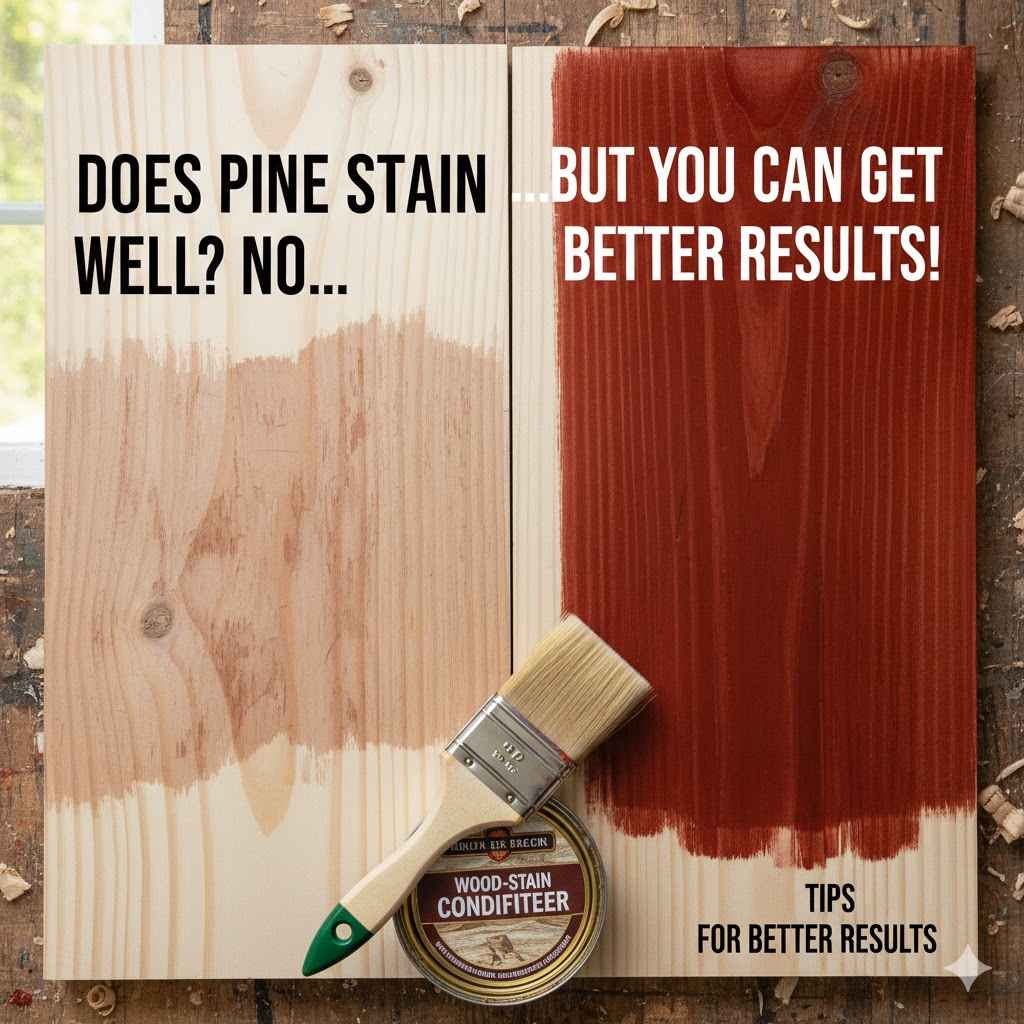
Does Pine Stain Well? Tips for Better Results
Understanding Pine Wood For Staining
Many folks wonder about staining pine. It is a popular wood, but it can be tricky to get a perfect finish. Sometimes, it looks blotchy or the stain does not soak in evenly.
This can make beginners feel unsure. But do not worry. We will walk through this step by step.
You will learn how to make your pine projects look great. Let us get started and see how to make sure Does Pine Stain Well? Tips for Better Results for you.
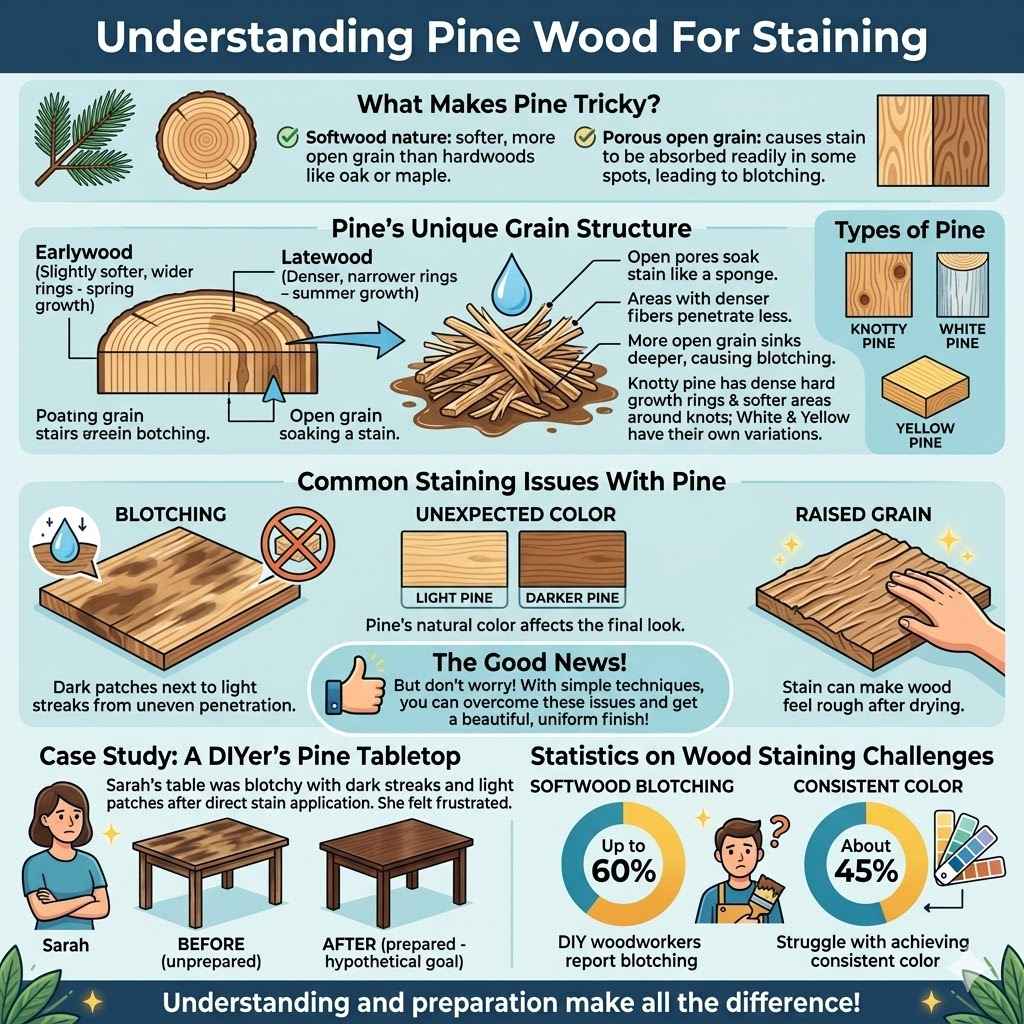
Understanding Pine Wood For Staining
Pine is a softwood, which means it is softer and has a more open grain than hardwoods like oak or maple. This open grain is what can make pine a bit tricky to stain. It absorbs stain more readily in some spots than others.
This often leads to uneven color, or what woodworkers call blotching. Different types of pine, like knotty pine or white pine, can also behave differently. Knowing your wood is the first step to a great stain job.
We will explore how to work with its unique properties to get a beautiful, uniform finish every time.
Pine’s Unique Grain Structure
Pine has large, open pores. These pores soak up stain like a sponge. However, the density of the wood fibers varies.
In areas with denser fibers, less stain will penetrate. In areas with more open grain, the stain sinks in deeper. This difference is what causes the blotchy look.
It is like trying to paint a sponge unevenly; some parts will be darker than others. Understanding this difference in density is key to preventing those common staining problems. It helps us prepare the wood properly.
This variation is more noticeable in some types of pine. For example, knotty pine has both dense hard growth rings and softer areas around knots. White pine and yellow pine also have their own grain patterns.
Some pines have a stronger difference between earlywood (softer, grows in spring) and latewood (denser, grows in summer). This natural variation is a challenge for achieving a smooth, consistent stain color. But with the right approach, we can manage it.
Common Staining Issues With Pine
The most common issue is blotching. You might see dark patches next to light streaks. This happens because the stain unevenly penetrates the wood.
Another problem is the color not being what you expected. Pine’s natural color can also affect the final look. Light pine might look very different when stained compared to darker pine.
Sometimes, the stain can raise the grain, making the wood feel rough after drying. These issues can be frustrating, but they are common for many DIYers.
These issues are why many people ask, “Does Pine Stain Well?” It is a fair question because without proper preparation, the answer can seem like no. You might end up with a project that looks worse than before you started. But this is where learning the right techniques comes in.
We will show you how to overcome these common problems easily. You will feel confident about your pine staining projects.
Case Study: A DIYer’s Pine Tabletop
Sarah, a new woodworker, decided to build a coffee table from pine. She wanted a rich, dark walnut stain. After applying the stain directly to the sanded wood, she was disappointed.
The tabletop looked very blotchy, with dark streaks and light patches. Some areas were almost black, while others remained a light, orangey-brown. It did not look like the smooth, uniform walnut finish she imagined.
She felt frustrated, thinking pine just did not stain well. This is a classic example of what can happen without preparation.
Statistics on Wood Staining Challenges
Surveys show that up to 60% of DIY woodworkers report experiencing blotching when staining softwoods like pine. About 45% struggle with achieving consistent color. These numbers highlight that Sarah’s experience is very common.
Many people face these challenges. The good news is that with simple techniques, these numbers can change drastically. Understanding the wood and preparing it correctly makes all the difference.
Preparing Pine For A Perfect Stain Job
Proper preparation is the most important step for staining pine. It is what makes the difference between a blotchy mess and a beautiful finish. Think of it like preparing a canvas before painting.
You need a smooth, even surface for the best results. We will cover sanding, using a pre-stain conditioner, and why these steps are so vital for pine. Following these tips will make your pine projects look professionally done.
Sanding Pine Wood
Before you even think about stain, sanding is crucial. It removes any rough spots or old finishes. You start with a coarser grit sandpaper and move to finer grits.
This creates a smooth surface for the stain to adhere to evenly. For pine, it is recommended to start with 100 or 120 grit sandpaper. Then, move to 150 grit, and finish with 180 or 220 grit.
Always sand in the direction of the wood grain. This prevents visible scratches.
After sanding, it is important to remove all the dust. You can use a vacuum cleaner, a tack cloth, or a damp rag. Any dust left behind will show up in your stain job, creating a gritty texture.
A clean surface is a happy surface for stain. Taking your time with sanding will pay off. You are setting the stage for the stain to work its magic.
Grits and Sanding Techniques
Sandpaper comes in different grits. Lower numbers mean coarser grit, good for removing material quickly. Higher numbers mean finer grit, which smooths the surface.
- 100-120 Grit: Use this to remove rough spots, saw marks, or old finishes. It takes off more wood.
- 150 Grit: This grit starts to smooth the wood surface nicely. It removes the scratches from the coarser grit.
- 180-220 Grit: This is your finishing grit for most projects. It makes the wood feel very smooth to the touch.
Always use a sanding block or a power sander with a random orbital motion. This helps create a more even surface. Sanding with the grain is a must.
Cross-grain scratches are very noticeable, especially after staining. Think of it as brushing your hair; you always brush from top to bottom.
Dust Removal Best Practices
Dust is the enemy of a good stain job. It gets into the wood pores and shows up as little bumps or specks under the stain.
- Vacuum Thoroughly: Use a shop vacuum with a brush attachment to get dust off the surface and out of corners.
- Wipe with a Tack Cloth: A tack cloth is a special cloth that is sticky. It picks up fine dust particles that vacuuming might miss.
- Use a Damp Cloth: A lightly damp (not wet) cloth can also wipe away dust. Let the wood dry completely afterward.
Skipping this step is a common mistake. It leads to a grainy, unprofessional look. Proper dust removal ensures the stain can penetrate the wood evenly without trapped particles.
Using A Pre-Stain Wood Conditioner
This is the secret weapon for staining pine. A pre-stain conditioner, also called a wood conditioner or wood equalizer, helps the wood absorb stain more evenly. It works by sealing some of the pores that tend to soak up too much stain.
This allows the stain to penetrate more uniformly across the entire surface. Without a conditioner, pine is very likely to blotch.
You apply the conditioner like a thin coat of paint or oil. Let it soak in for a short time, usually 5-15 minutes, as the product directions say. Then, wipe off any excess.
It does not change the color of the wood; it just prepares it for the stain. Using a pre-stain conditioner is especially important for softwoods like pine, poplar, and birch. It is a small step that makes a huge difference in the final appearance.
How Pre-Stain Conditioners Work
Imagine you have a very thirsty person and a glass of water. The person will drink it all quickly. Now imagine that person has a special shirt on that can only absorb a little water at a time.
They will still drink, but at a much slower, more even pace. A pre-stain conditioner acts like that special shirt for pine wood. It is a liquid that slightly seals the wood’s surface.
It contains ingredients, often oils or waxes, that fill in the wood’s natural pores. This makes the wood absorb the stain more consistently. It does not completely block stain absorption.
Instead, it creates a more balanced environment for the stain. This prevents those dark, blotchy areas from forming. The stain then has a more uniform chance to soak into all parts of the wood.
Applying Pre-Stain Conditioner Effectively
Always follow the specific product instructions. However, the general process is straightforward.
- Apply Generously: Use a brush or clean rag to apply the conditioner evenly over the entire surface.
- Allow Penetration Time: Let the conditioner soak into the wood for the time recommended by the manufacturer. This is usually between 5 and 15 minutes.
- Wipe Off Excess: Use a clean, lint-free cloth to wipe away any conditioner that did not soak in. The wood should feel slightly damp, not wet.
Do not let the conditioner dry completely on the surface, as it can leave a hazy film. It is ready for stain once the excess is wiped off. This preparation step is truly a game-changer for pine.
Testing Your Stain And Finish
Before you stain your actual project, always test your stain. You can use scrap pieces of the same type of wood. Apply the stain and conditioner to these scraps.
This lets you see exactly how the stain will look on your pine. It also helps you test your application technique. You can try different amounts of stain or different wiping methods to see what looks best.
This small step can save you from a lot of heartache. You might discover that a particular stain color looks too red, or that you prefer a different wiping technique. Testing ensures you are happy with the final color and finish before you commit to your project.
It is a crucial part of getting the results you want.
Scrap Wood Testing Importance
Pine is a natural material, and no two pieces are exactly alike. The grain density, color, and even how it was cut can affect how stain looks.
- Color Accuracy: A test piece shows the true color of the stain on your specific pine.
- Technique Practice: You can practice how to apply and wipe off the stain. This builds confidence.
- Identifying Issues: You might spot blotching on the scrap piece and realize you need more conditioner or a different approach.
- Trying Different Stains: If you are undecided, testing lets you compare several colors side-by-side.
This step is often skipped, but it is one of the most valuable. It is your dry run for success.
What To Look For During Testing
When testing, pay close attention to a few key things.
- Evenness: Does the stain look consistent across the entire test piece? Are there dark or light splotches?
- Color: Is the color what you expected? Does it match the swatch on the can or your desired look?
- Grain Definition: Can you still see the wood grain clearly? The stain should enhance the grain, not hide it.
- Surface Texture: After the stain dries, does the wood feel smooth? If not, you might need to do a light sanding with very fine grit sandpaper.
If you see blotching on your test piece, you know you need to adjust your preparation. Maybe you need more pre-stain conditioner or a different type. This is the time to make those changes.
Applying Wood Stain To Pine
Once your pine is prepped and you have tested your stain, it is time to apply it. This is the exciting part where your project starts to take shape. We will cover the best ways to apply stain, how to wipe it off for the right color, and what to do if you make a mistake.
Application Methods
There are several ways to apply wood stain. Each has its pros and cons, but the goal is always even coverage.
Brushing Stain
Brushing is a common and effective method. Use a good quality natural bristle brush for oil-based stains or a synthetic bristle brush for water-based stains.
- Apply Generously: Apply a liberal amount of stain to a section of the wood.
- Work With The Grain: Brush the stain on in long, even strokes, always following the direction of the wood grain.
- Avoid Overworking: Do not brush back and forth too much. Apply it once, and then move on to wiping.
Brushing helps push the stain into the wood pores. It is a good way to ensure you get good coverage, especially on larger surfaces.
Rag Application
Using a clean, lint-free cloth to apply stain is another popular method. This method often gives a more controlled application and can be easier for beginners.
- Dampen the Rag: Lightly dampen a clean cloth with stain.
- Apply and Rub: Rub the stain onto the wood surface, working in the direction of the grain.
- Work in Sections: Cover one section at a time to ensure even application before it dries too much.
This method allows you to control how much stain you apply. It also helps you blend the stain as you go, which can reduce the chance of streaks.
Using A Foam Applicator
Foam applicators are inexpensive and can provide a smooth finish. They are good for reaching into detailed areas or for a very smooth, even coat.
Simply dip the foam applicator into the stain and apply it to the wood in long, even strokes. They absorb stain well and spread it out nicely. However, they can sometimes use more stain than a brush or rag.
They are great for projects where a very uniform look is desired.
Wiping Off Excess Stain
This is where you control the depth of the color. After applying the stain, you need to wipe off the excess. The longer you leave the stain on before wiping, the darker the color will be.
Use a clean, lint-free cloth. Wipe away the excess stain, again, always in the direction of the wood grain. For a lighter color, wipe it off sooner.
For a darker color, let it sit a bit longer before wiping. Blend the edges where you stop and start so there are no noticeable lines.
Timing Is Everything
The amount of time the stain sits on the wood before you wipe it off directly impacts the final color.
- Lighter Color: Wipe off the stain within 5 minutes of application.
- Medium Color: Let the stain sit for 10-15 minutes before wiping.
- Darker Color: Leave the stain on for 15-30 minutes or longer, depending on the stain and desired depth.
Always check the stain can for recommended drying times before wiping. It is better to start with a lighter coat and build up color if needed.
Wiping Technique For Evenness
Your wiping technique is just as important as your application technique.
- Use Multiple Rags: Have several clean rags ready. As one gets saturated with stain, switch to a dry one.
- Wipe With The Grain: Always wipe in the direction of the wood grain.
- Blend Seams: If you are working in sections, carefully wipe the edge where you stopped to blend it into the next section.
- Check Your Work: Periodically step back and look at the piece from different angles to spot any missed spots or uneven areas.
This careful wiping ensures a smooth, consistent color. It is where you refine the stain to look just right.
Troubleshooting Common Staining Problems
Even with preparation, sometimes things go wrong. Do not despair. Most problems with staining pine can be fixed.
Fixing Blotchy Areas
If you end up with blotchy areas after the stain has dried, you have a few options.
- Light Sanding: You can try lightly sanding the blotchy areas with very fine-grit sandpaper (220 or higher). Then, reapply stain to just those spots, trying to blend them in.
- Stain Over It: Sometimes, applying another coat of stain evenly over the entire piece can help reduce the blotchiness.
- Use A Glaze: A wood glaze is a product that sits on top of the finish. You can apply it to unify color and reduce blotching.
Remember to always test your repair method on a scrap piece first.
Dealing With Streaks
Streaks often happen when the stain dries too quickly or if you have too much stain on your applicator.
- Feather the Edges: When applying, try to feather the edges of the stain as you move along.
- Wipe Promptly: Do not let the stain sit too long before wiping.
- Use a Conditioner: If streaks are a persistent problem, ensure you used enough pre-stain conditioner.
Sometimes, a light sanding and reapplication can fix minor streaks.
Mistakes During Application
If you notice a mistake right after applying the stain, act quickly.
You can often wipe the stain off with a clean rag dampened with mineral spirits (for oil-based stains) or water (for water-based stains). This will remove the stain you just applied. Then, you can reapply it more carefully.
This is why having a good supply of clean rags is so important.
Sealing And Finishing Pine
Once your stain has dried completely, it is time to protect it with a topcoat. This seals the stain and gives the wood a durable finish. It also enhances the beauty of the stained wood.
There are many types of finishes, each offering different levels of protection and sheen.
Types of Topcoats
The choice of topcoat depends on the project and the look you want.
Polyurethane
Polyurethane is a very popular and durable finish. It comes in oil-based and water-based versions.
- Oil-Based Polyurethane: Offers excellent durability and a warm, amber tone. It takes longer to dry and has strong fumes.
- Water-Based Polyurethane: Dries faster, has low odor, and stays clear. It may not be as hard as oil-based.
Polyurethane is great for surfaces that see a lot of wear, like tabletops and chairs.
Varnish
Varnish is another durable option, often used for outdoor furniture. It offers good protection against moisture and UV rays. It typically has a thicker consistency than polyurethane and can also provide a warm tone.
Lacquer
Lacquer dries very quickly and is often used in professional shops for high production. It is not as durable as polyurethane or varnish and can be damaged by heat and solvents. It is great for achieving a smooth, glass-like finish.
Wax Finishes
Wax finishes provide a soft, natural sheen. They are easy to apply but offer less protection than other finishes. They are often used over other finishes to add a bit of luster or as a standalone finish for items that do not get much wear.
Applying The Topcoat
Applying a topcoat is similar to applying stain, but you are sealing the color in.
Brushing Or Wiping
Most topcoats can be applied with a good quality brush or a clean, lint-free cloth. Work in thin, even coats.
- Thin Coats Are Key: Apply thin coats rather than one thick coat. This allows for better drying and a smoother finish.
- Follow The Grain: Always brush or wipe in the direction of the wood grain.
- Allow Drying Time: Let each coat dry completely according to the product instructions before applying the next.
Thin coats prevent drips and bubbles. They also allow you to build up a durable finish over several applications.
Sanding Between Coats
To achieve a super smooth finish, you should lightly sand between coats.
- Use Fine Grit Sandpaper: After a coat of finish has dried, lightly sand the surface with 220 or 320 grit sandpaper.
- Remove Dust: Wipe away all the dust with a tack cloth or damp cloth.
- Apply Next Coat: Apply the next thin coat of finish.
This process removes any small imperfections and helps the next coat adhere better. It makes a big difference in the final smooth feel of the wood.
Care And Maintenance
Once your pine project is finished, proper care will keep it looking its best.
For most finishes, simple cleaning with a soft, damp cloth is sufficient. Avoid harsh chemicals or abrasive cleaners, as they can damage the finish. For oil-based finishes, you might occasionally apply a furniture polish or wax to refresh the sheen.
Always check the care instructions for the specific finish you used. Regular light cleaning prevents the buildup of dust and grime, which can dull the finish over time.
Does Pine Stain Well? Tips for Better Results Recap
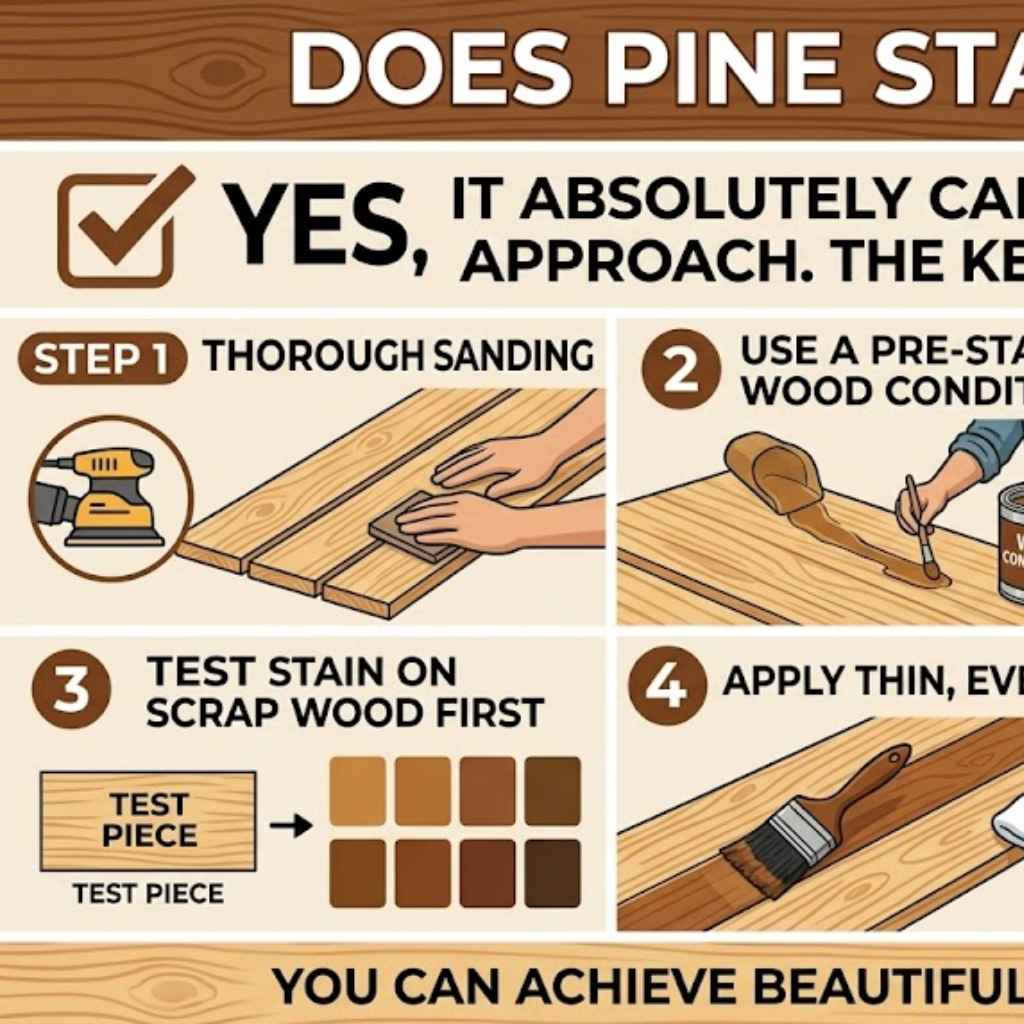
So, does pine stain well? Yes, it absolutely can, with the right approach. The key is preparation.
Always start with thorough sanding, use a pre-stain wood conditioner, and test your stain on scrap wood first. When applying, use thin, even coats and wipe off the excess to control the color depth. Finally, protect your work with a quality topcoat, sanding lightly between coats for a smooth finish.
You can achieve beautiful results with pine.
Frequently Asked Questions
Question: How long should I let pre-stain conditioner dry before staining pine
Answer: You do not let it dry completely. You apply it, let it soak for about 5-15 minutes per the product directions, and then wipe off any excess. The wood should feel slightly damp.
Question: What is the best sandpaper grit for pine before staining
Answer: Start with around 100-120 grit to smooth it out, then move to 150 grit, and finish with 180 or 220 grit for a smooth surface.
Question: Can I skip the pre-stain conditioner if I want a darker stain
Answer: Even for dark stains, a conditioner helps prevent blotching and ensures the color is even. It is highly recommended for pine.
Question: How many coats of stain can I apply to pine
Answer: Usually, one or two coats are enough. You control the color depth by how long you let the stain sit before wiping. Apply more stain only if you need a deeper color.
Question: How do I fix a blotch that appeared after staining pine
Answer: You can try gently sanding the blotchy area with very fine sandpaper and then carefully restaining it, blending it into the surrounding area. Testing this repair on a scrap piece is a good idea.
Summary
Achieving a great stain finish on pine is quite possible. Remember to prepare the wood well with sanding and pre-stain conditioner. Test your colors and techniques.
Apply stain evenly and wipe off the excess to control the shade. Finish with a protective topcoat. Your pine projects can look stunning with these simple steps.