Does Wood Mulch Attract Termites? Essential Facts Revealed
Are you wondering if the wood mulch around your home could be inviting termites in? You’re not alone.
Many homeowners use mulch to keep their gardens healthy and soil moist, but what if this simple garden aid is secretly attracting pests that can damage your property? Understanding the connection between wood mulch and termites is crucial to protect your home and peace of mind.
Keep reading to discover what you need to know to keep termites away while still enjoying the benefits of mulch.
How Termites Interact With Wood Mulch
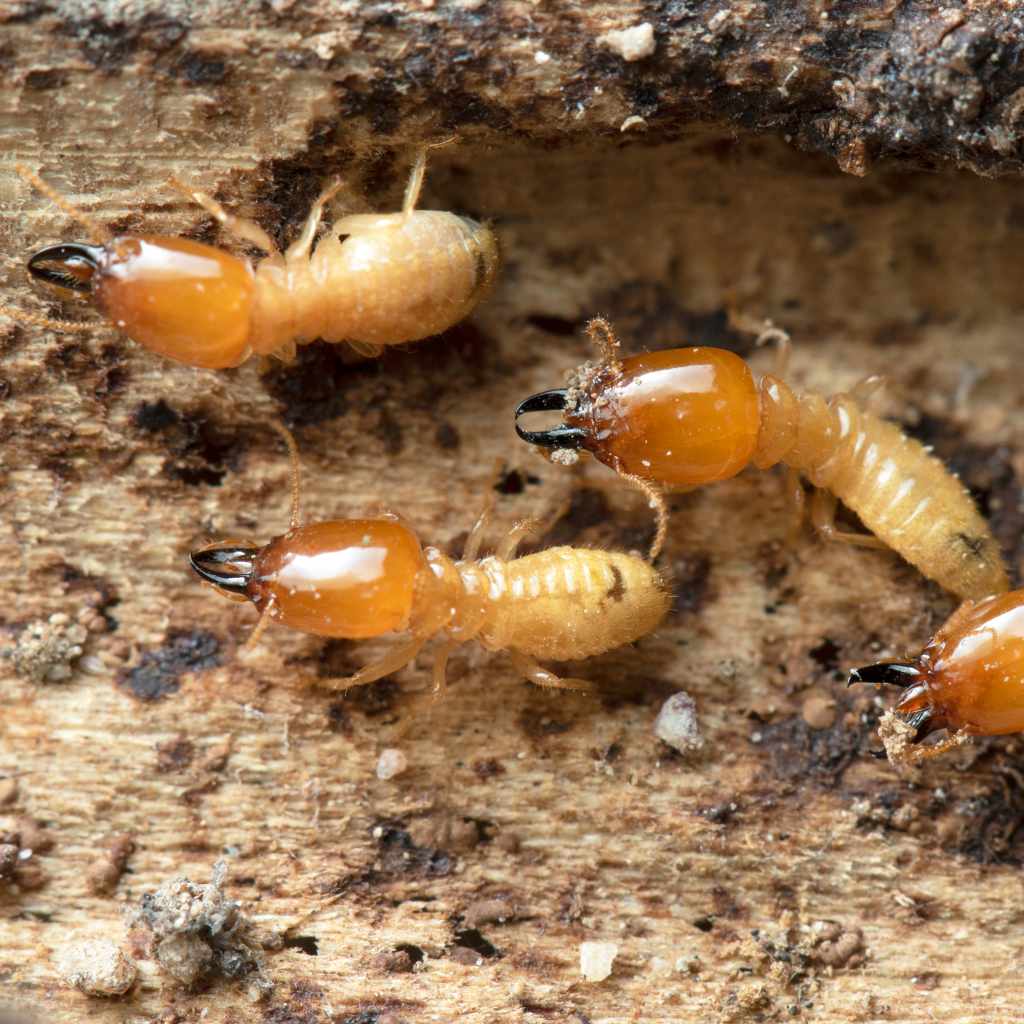
Wood mulch is a common material used in gardens and landscapes. It helps retain moisture and improve soil quality. Termites are insects that eat wood and plant material. Understanding how termites interact with wood mulch can help protect your home and garden.
Termites do not always attack wood mulch, but some types can attract them. Their behavior depends on the mulch type and the environment around it. Knowing termite habits helps in choosing the right mulch and keeping termites away.
Termite Feeding Habits
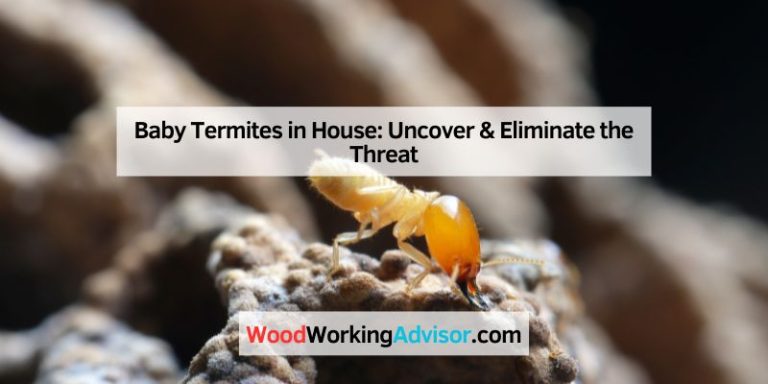
Termites feed on cellulose, found in wood and plant fibers. They need moisture to survive and prefer damp wood. Dry wood mulch is less attractive to termites. Soft, decayed wood mulch is easier for termites to eat. They build tunnels to reach food without being exposed.
Termites can live inside mulch piles for long periods. They use mulch as a food source and shelter. Termites do not always cause damage immediately. They may stay hidden until they find better food, like wooden structures.
Types Of Wood Mulch And Their Appeal
Not all wood mulches attract termites equally. Fresh wood chips have more moisture and nutrients. These chips can attract termites more than dry, aged mulch. Cedar and cypress mulch contain natural oils that repel termites. Pine and hardwood mulches may attract termites if wet.
Mulch that stays wet encourages termite activity. Mulch placed too close to buildings is risky. It provides easy access for termites to wooden parts of homes. Using mulch with low moisture content reduces termite problems.
Risks Of Using Wood Mulch Near Structures
Wood mulch is popular in gardens and landscaping. It helps keep soil moist and controls weeds. But using wood mulch near buildings has risks. One major concern is termites. These pests can cause serious damage to wooden structures. Understanding these risks helps in making safe choices.
Mulch As A Termite Habitat
Wood mulch creates a damp, dark place. Termites love these conditions. Mulch breaks down slowly, providing food for termites. It acts like a safe home for them. This increases their population close to your house. The closer termites live, the higher the chance of damage.
Proximity To Foundations And Vulnerability
Mulch placed near foundations invites termites to enter buildings. Termites travel from mulch to wood in walls and floors. They find it easier to reach your home if mulch touches the foundation. Keeping mulch away from the base reduces termite access. Small gaps between mulch and structures create barriers.
Comparing Mulch Materials
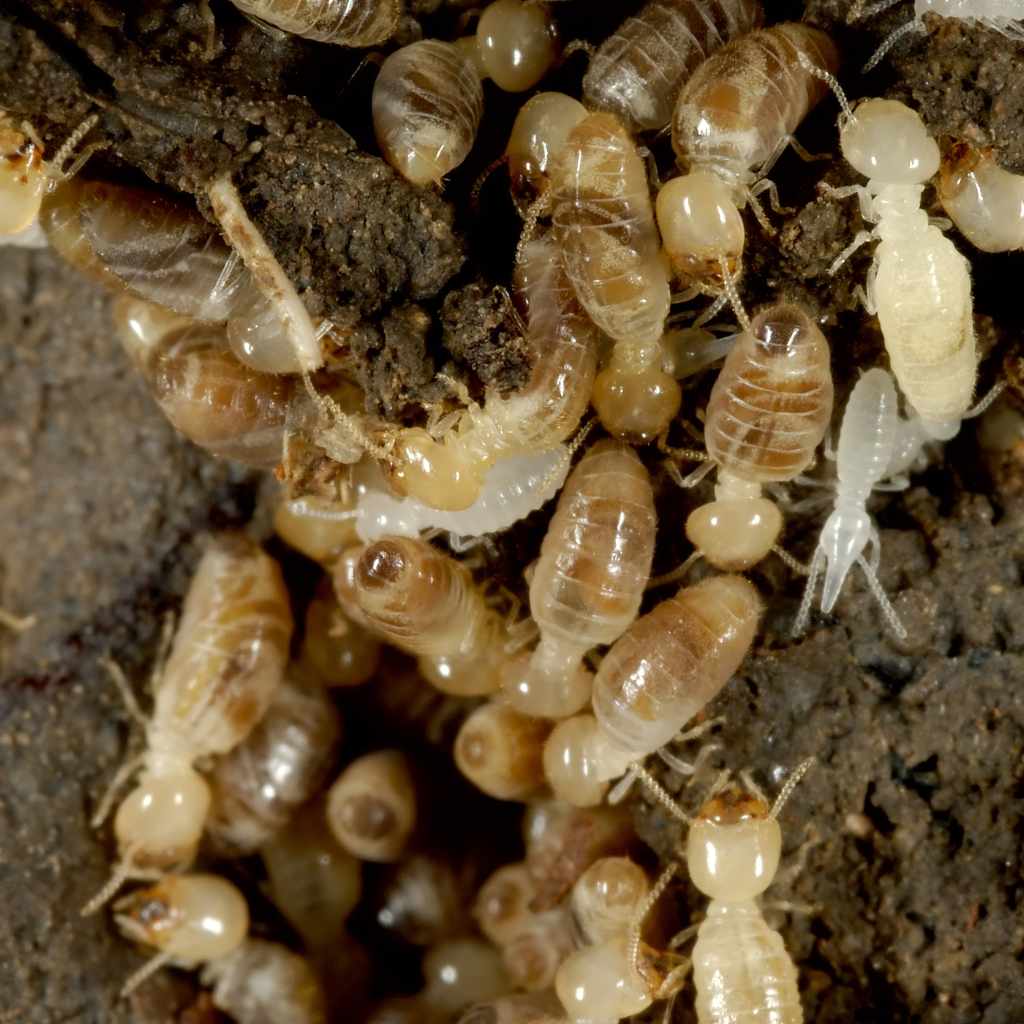
Choosing the right mulch matters for your garden and home. Different mulch types have different effects on soil health and pest activity. Some mulches can attract termites, while others do not. Understanding these differences helps protect your plants and property.
Mulch also affects moisture retention and weed control. This section compares common mulch materials to guide your decision.
Wood Mulch Vs. Rubber Mulch
Wood mulch is popular for its natural look and benefits to soil. It breaks down over time, adding nutrients to the ground. Yet, wood mulch can attract termites because it is organic material. Termites feed on wood and seek damp places.
Rubber mulch comes from recycled tires and does not attract termites. It does not decompose or add nutrients to soil. Rubber mulch lasts longer and resists pests better than wood mulch. It also helps keep weeds down and retains moisture.
Choosing between wood and rubber mulch depends on your garden needs and termite risk. Wood mulch suits natural gardens but needs careful placement away from buildings. Rubber mulch works well in areas prone to termites or heavy foot traffic.
Inorganic Mulch Options
Inorganic mulches include gravel, stones, and landscape fabric. These materials do not attract termites because they contain no wood. They provide excellent weed control and moisture retention without decay.
Gravel and stones help with drainage and prevent soil erosion. Landscape fabric blocks weeds but allows water and air to reach roots. Inorganic mulches require less maintenance and last longer than organic types.
These mulches are ideal for termite prevention. They create a barrier between soil and wooden structures. Using inorganic mulch near your home reduces termite risk significantly.
Preventing Termite Infestations With Mulch
Mulch can help plants grow well and keep soil moist. But it can also attract termites if not used right. Preventing termite infestations with mulch needs smart choices and care. Using mulch correctly can lower the risk of termite damage to your home and garden.
Proper Mulch Installation
Keep mulch at least 6 inches away from house walls. This stops termites from traveling from mulch to wood parts. Use mulch that breaks down slowly, like cedar or cypress. Avoid piling mulch too thickly; 2 to 3 inches is enough. Spread mulch evenly to stop water from collecting near the house. Water near mulch invites termites and other pests.
Regular Maintenance Tips
Check mulch regularly for signs of termite activity. Look for small tunnels or mud tubes in the mulch. Replace old or wet mulch often to reduce termite attraction. Keep mulch dry by improving drainage around plants. Remove mulch that touches wooden parts of your home. Keep plants and shrubs trimmed to improve airflow and reduce moisture.
Signs Of Termites In Mulch
Termites can live in wood mulch and cause damage without being noticed. Knowing the signs of termites in mulch helps protect your home and garden. Early detection saves time and money. Watch for changes in the mulch that suggest termite presence.
Identifying Termite Damage
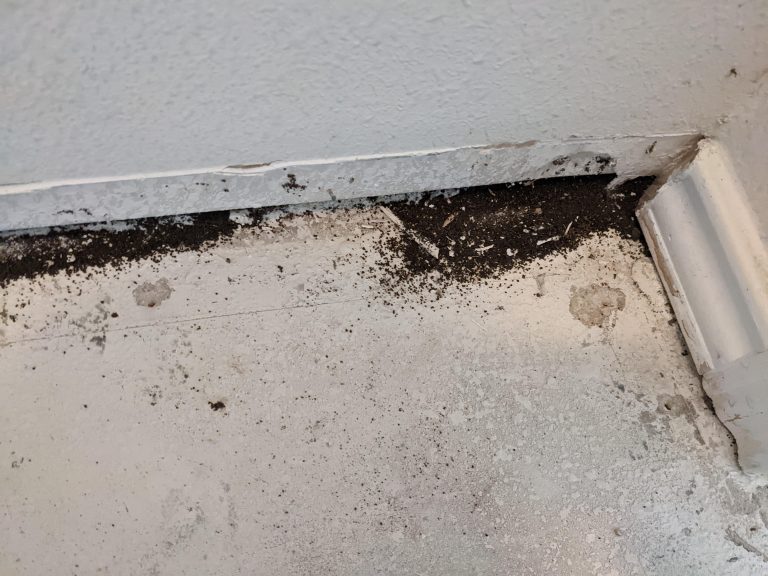
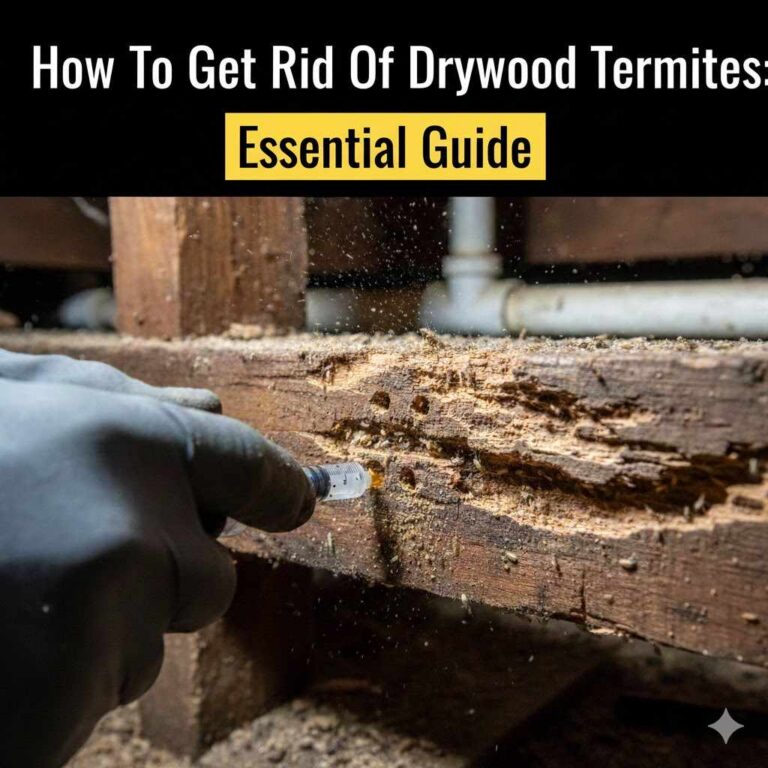
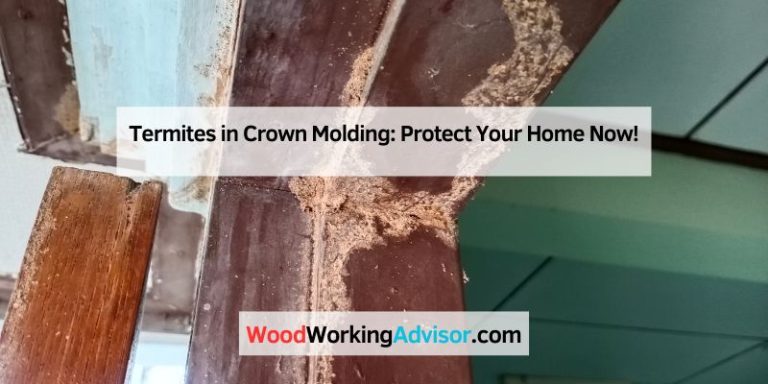
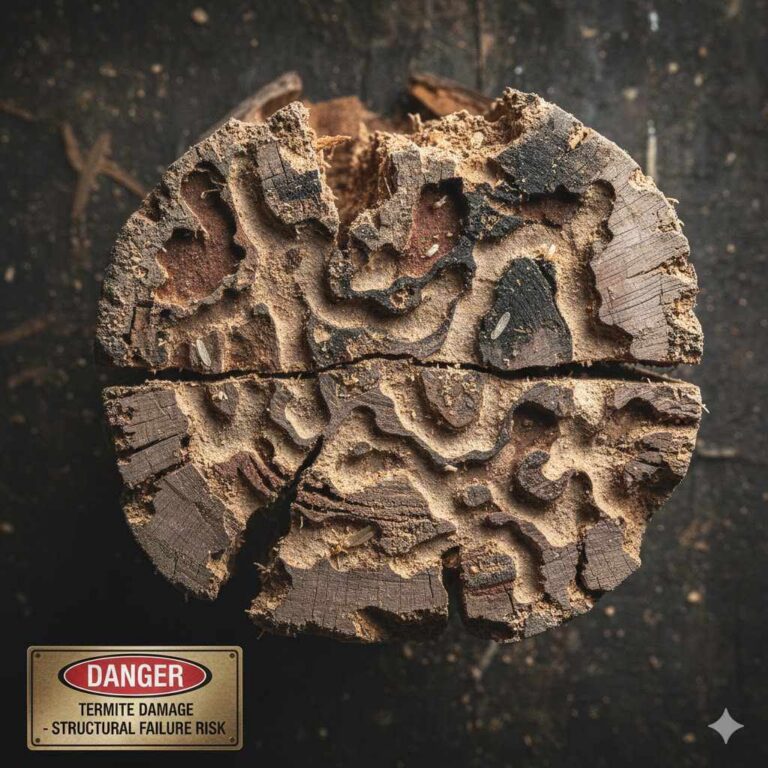
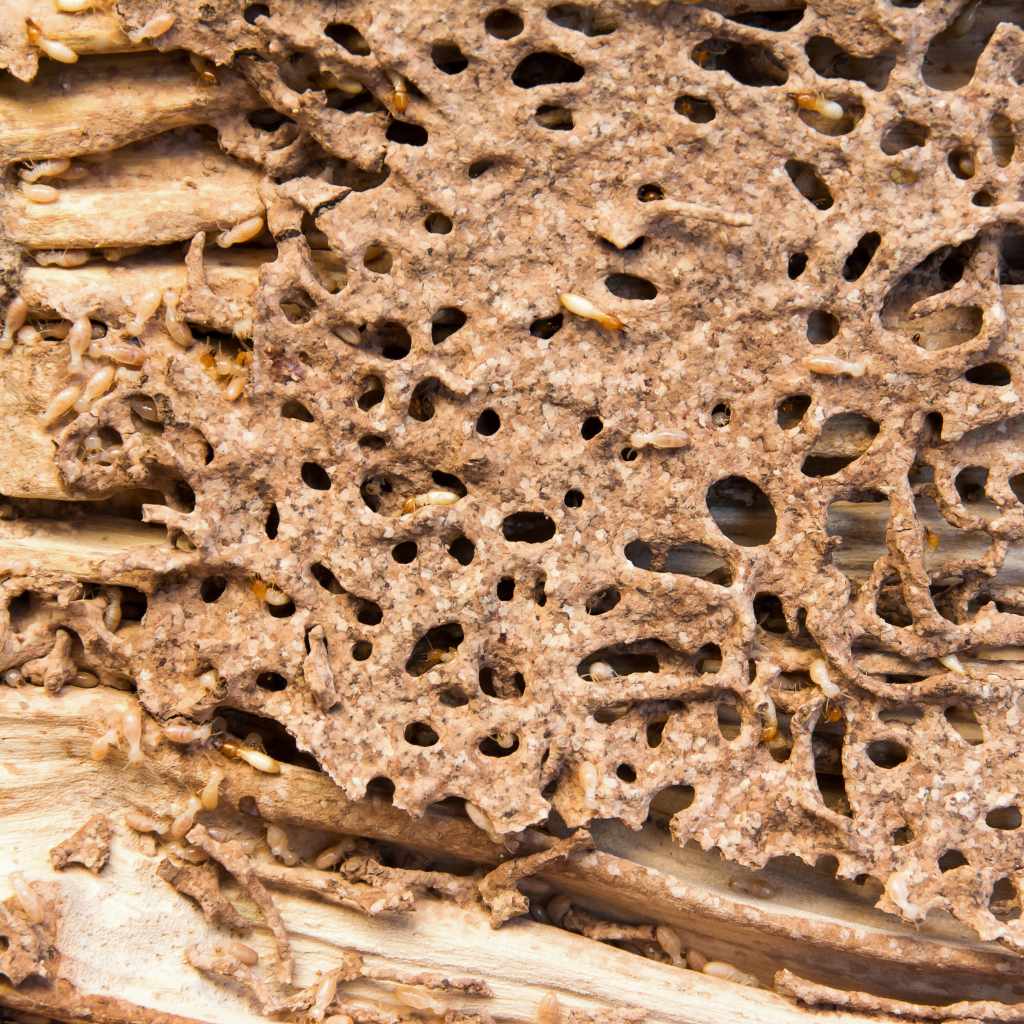
Termite damage in mulch looks like small tunnels or grooves. These tunnels may be lined with mud or soil. The wood pieces may appear chewed or hollowed out. You might see tiny holes in the mulch. The texture feels soft or crumbly instead of firm. Damaged mulch often smells musty or damp.
Detecting Termite Activity Early
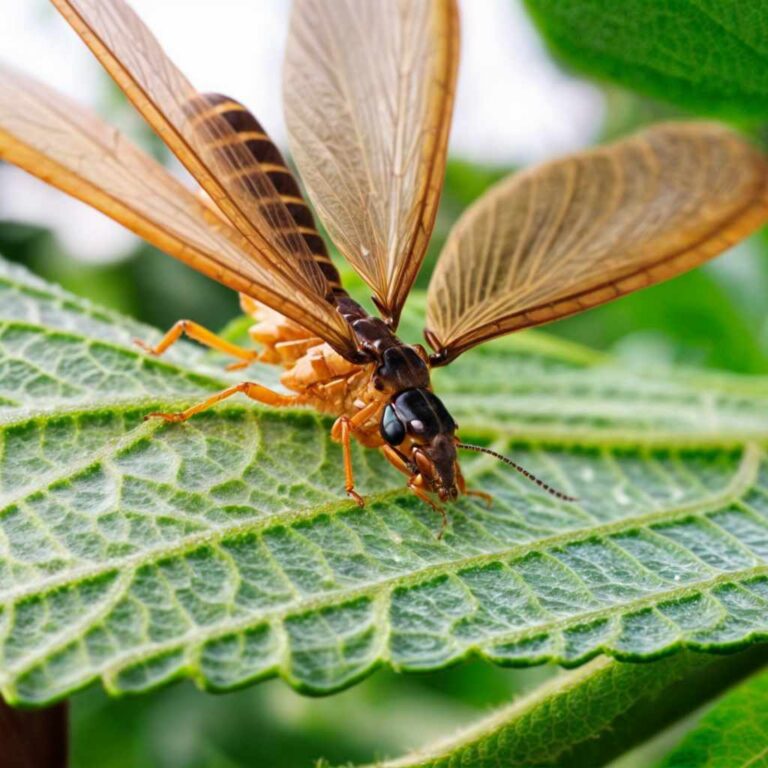
Check mulch regularly for small wings or dead termites. Termites leave behind discarded wings near their nests. Notice any unusual piles or mud tubes on the mulch surface. Mud tubes are narrow and look like small dirt paths. Lightly move the mulch to see if termites scatter. Early signs are subtle but clear with close attention.
Frequently Asked Questions
Does Wood Mulch Increase Termite Risk Around Homes?
Wood mulch can attract termites if placed too close to structures. It provides a food source and moist environment, ideal for termites. Keep mulch at least 15 inches away from foundations to reduce termite risk and protect your home.
What Types Of Mulch Attract Termites The Most?
Organic mulches like wood chips and bark are more likely to attract termites. Inorganic mulches, such as rubber or gravel, do not provide food for termites and are safer choices near buildings.
How Can I Prevent Termites When Using Wood Mulch?
Use mulch sparingly and keep it away from building foundations. Maintain a dry environment by avoiding overwatering and regularly inspect mulch for termite activity to prevent infestations.
Are There Termite-resistant Mulches Available?
Yes, cedar and cypress mulches contain natural oils that repel termites. These mulches are less attractive to termites and can help reduce the risk of infestation near your home.
Conclusion
Wood mulch can attract termites if placed too close to your home. Termites love moist, wood-rich environments. Keep mulch at least 15 inches away from building foundations. Regularly check mulch for signs of termite activity. Choose mulch types less appealing to termites, like cedar or rubber.
Proper yard care helps protect your home from damage. Stay alert and take simple steps to prevent termite problems. Your home’s safety depends on good mulch management.