Engineered Hardwood Floor Basement: The Moisture Test You Can’t Skip
A basement concrete slab can release water vapor from the ground below even when it looks and feels completely dry — this is why a real moisture test (a calcium chloride test kit, or a professional moisture meter reading) before installation matters more than visual inspection. The industry standard for glue-down installation is under roughly 3 lbs of moisture vapor emission per 1,000 sq ft per 24 hours; skipping this test is the single most common cause of basement flooring failures, not a minor step to rush through.
Why Engineered, Not Solid, for a Basement
Non-Negotiable Below Grade
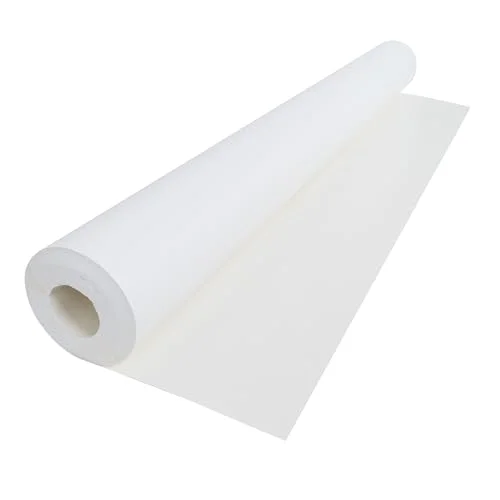 |
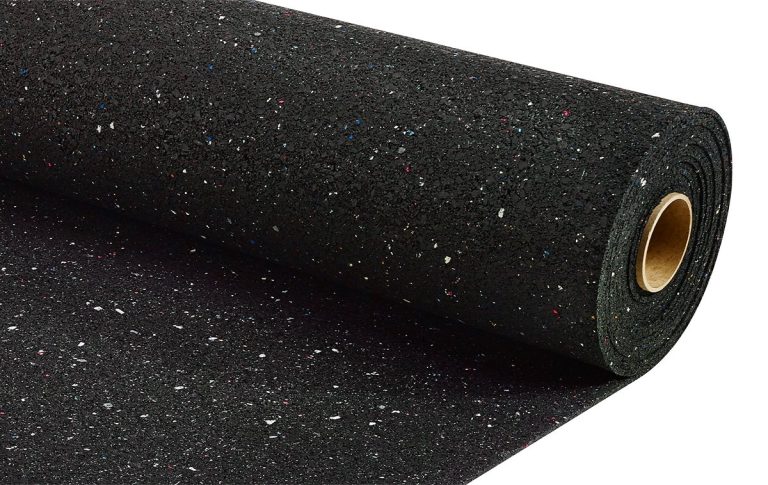
Roberts Silicone Moisture Barrier Underlayment – $27.49 A concrete slab that looks and feels dry can still be releasing enough vapor to ruin a floor without this layer underneath.
|
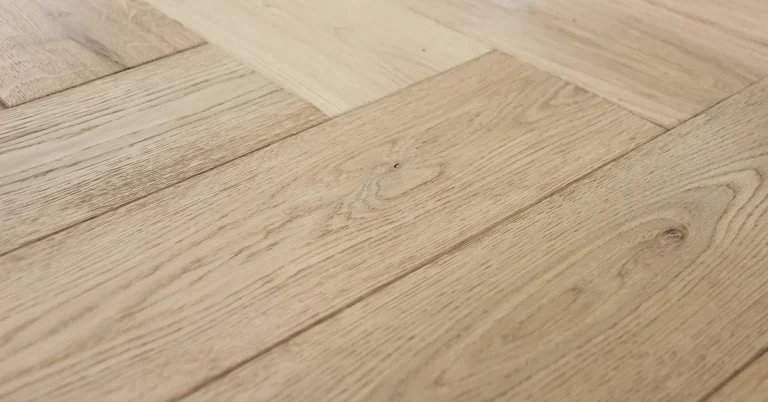
Engineered hardwood’s plywood or HDF core is cross-layered, giving it real dimensional stability against the humidity swings a below-grade basement experiences that solid hardwood can’t match — solid wood is generally not recommended below grade at all, since its movement with moisture is too unpredictable in that environment. This isn’t a marketing distinction; it’s the actual structural reason engineered flooring is the standard basement recommendation.
Floating vs. Glue-Down: Different Moisture Management
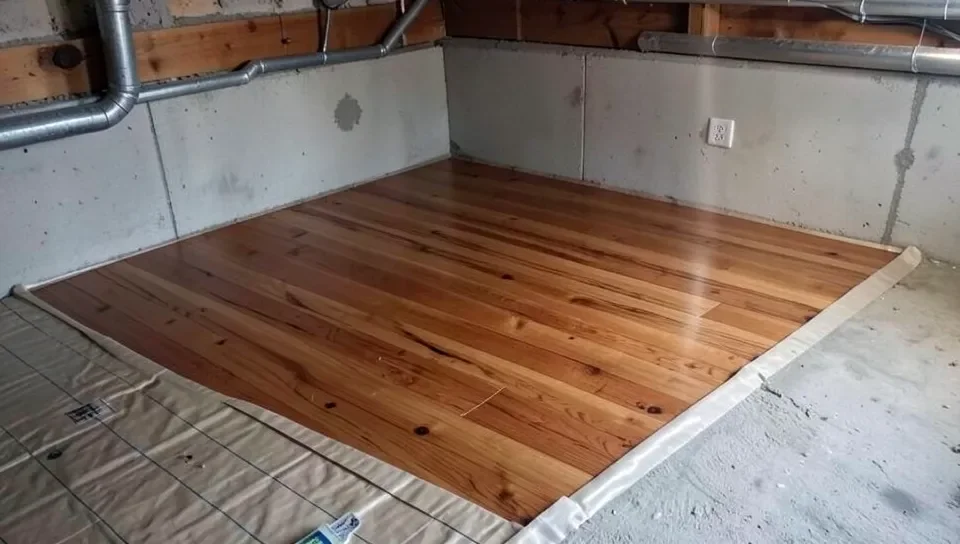
A floating engineered floor (click-lock planks over an underlayment, not attached to the slab) is generally the more forgiving, more DIY-friendly method for a basement, since the underlayment’s vapor barrier handles moisture management without needing adhesive compatibility testing. Glue-down installation can work too, but requires a moisture-tolerant adhesive rated for the specific vapor emission level the slab actually tests at — using a standard adhesive not rated for this can lead to bond failure within months, not years.
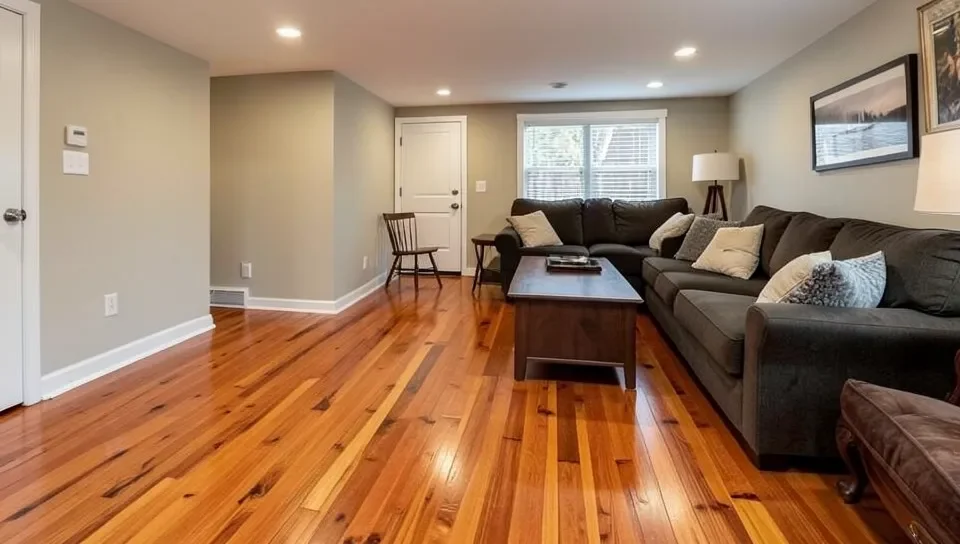
Real Signs the Slab Isn’t Ready
A concrete slab that’s newly poured (under 90 days old typically hasn’t fully cured), shows visible dampness, or has a history of basement water intrusion needs the moisture issue resolved before flooring goes down at all — no underlayment or adhesive fully compensates for an active moisture problem. Address drainage, grading, or sump pump issues first; the flooring installation is the last step, not a fix for an underlying water problem.
Frequently Asked Questions
Do I really need to test moisture before installing basement flooring?
Yes. Concrete can release moisture vapor even when it looks dry. Skipping a calcium chloride test or moisture meter reading is the most common cause of basement flooring failures.
Why is engineered hardwood recommended over solid for basements?
Its cross-layered plywood or HDF core is dimensionally stable against humidity swings in a way solid hardwood isn’t. Solid wood is generally not recommended below grade at all.
Should I float or glue down engineered hardwood in a basement?
Floating (click-lock over underlayment) is generally more forgiving for moisture management. Glue-down works too, but requires a moisture-tolerant adhesive matched to the slab’s actual tested vapor emission level.
Conclusion
Engineered hardwood is the right call for a basement, but the moisture test and proper underlayment or adhesive selection are what actually determine whether it lasts — not the flooring product alone. Resolve any active water problem before installation, not after.
Sponsored / affiliate links. As an Amazon Associate I earn from qualifying purchases. I may earn additional commission from eligible campaigns.