How to Keep a Bed From Sliding on Hardwood Floors
A bed slides on hardwood because the leg contact points are small and both surfaces are hard and smooth — the fix is adding a soft, high-friction material at that contact point, not a heavier bed or a different sleeping habit. Felt or rubber grippers under each leg solve it in minutes for most beds.
Here’s why it actually happens, what fixes it permanently versus temporarily, and which fix fits which bed frame.
Why Beds Slide on Hardwood
Best Pick For Bed Leg Grip
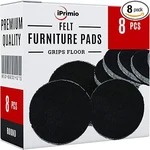 |
SlipToGrip Non-Slip Furniture Pad Grippers, 8-Pack – $9.99 A thick felt core with a rubberized surface that increases friction against both the leg and the floor — no adhesive to leave residue or lose stickiness over time.
|
Hardwood offers almost no friction against a hard bed leg — wood-on-wood or metal-on-wood contact has a low coefficient of friction compared to, say, a rubber-tipped leg on carpet. Frames with thin or rounded legs concentrate the bed’s full weight onto a small contact area, which paradoxically makes sliding easier, not harder, since less surface area means less total friction holding the leg in place.
Uneven weight distribution (someone consistently sleeping on one side, or a heavier mattress/headboard combination) can cause a slight tilt that lets legs “walk” over weeks of small shifts. Floor vibration from footsteps or nearby appliances plays a smaller role but does compound the problem on wood floors, which transmit vibration more readily than a carpeted or padded subfloor.
The Fix That Actually Lasts
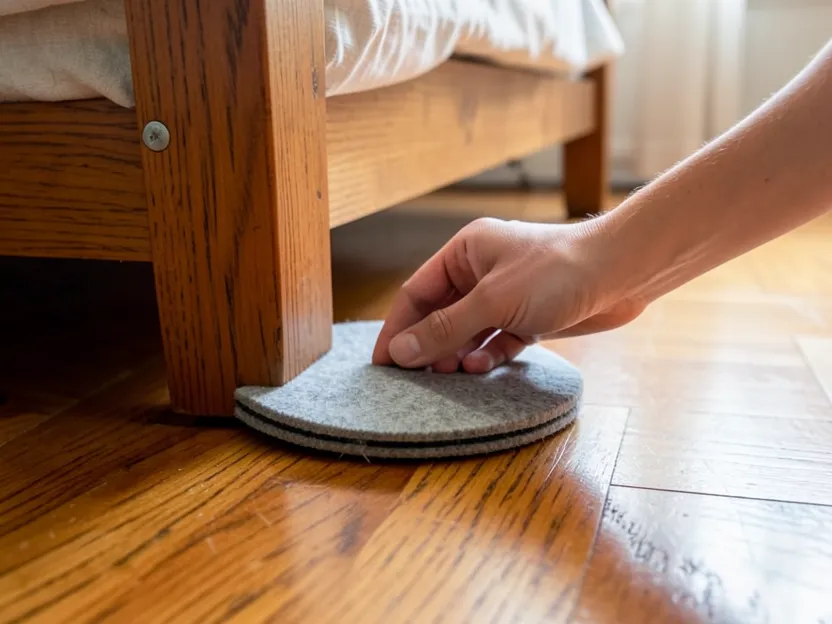
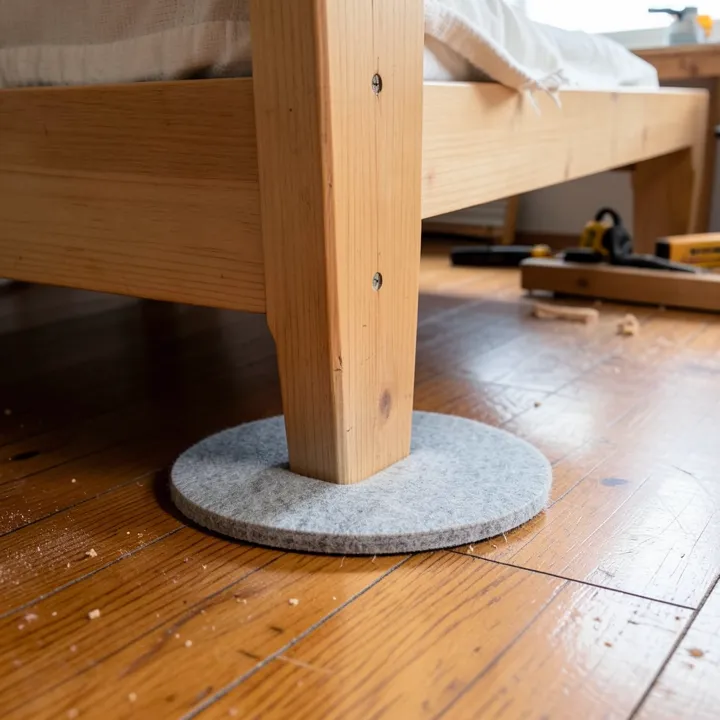
Match the fix to your leg style: flat-bottomed legs (most platform and wood frames) do best with a felt or rubber gripper pad placed directly underneath. Wheeled or castered frames need caster cups, not flat pads — a flat pad under a wheel just gives the wheel something new to roll on top of. Thin metal or angled legs sometimes need a rubber sleeve or tip that wraps the leg itself rather than sitting under it.
Faster, Cheaper Options (With Tradeoffs)
- An area rug or rug pad under the legs: genuinely effective and adds visual warmth, but only practical if the bed’s footprint and room layout allow for a rug that size. Choose a textured, non-slip-backed rug specifically, not just any rug.
- Double-sided tape: works initially but loses grip within weeks to months, and pulling up old, degraded adhesive risks lifting the floor’s finish along with the tape — the same risk as using tape under a rug.
- Velcro strips: a stronger hold than tape and reasonably easy to remove without damage, but you’re relying on the adhesive backing holding to the floor, which shares the same long-term degradation issue as tape.
Of these, a gripper pad or a proper rug pad beats an adhesive-based fix long-term, precisely because neither relies on glue that eventually fails and needs replacing.
Frame-Level Fixes for Heavier or Persistent Sliding
- Tighten every bolt and screw first. A loose frame doesn’t just squeak — the extra play lets legs “walk” across the floor with normal use even with good grippers installed. This is the single most overlooked fix.
- Adjustable bed legs with built-in rubber tips solve both leveling on an uneven floor and slipping at once, worth the upgrade if your current legs are bare metal or hard plastic.
- Bed frame wall brackets anchor a heavy frame to the wall or floor directly — a stronger, more permanent option, but only appropriate for a frame that won’t need to move again soon.
Keeping It From Coming Back
Dust and fine debris under bed legs actually reduce friction rather than adding it, so a clean floor under the bed genuinely helps the fix hold. Check bolt and screw tightness every few months — a frame that was solid on move-in day loosens gradually with normal use, and that looseness is what eventually undoes even a good gripper-pad fix.
Frequently Asked Questions
How do I stop my bed from sliding on hardwood floors?
Add felt or rubber gripper pads under each leg to increase friction at the contact point — that’s the fastest, most reliable fix for a standard flat-legged frame. Tighten the frame’s bolts at the same time, since a loose frame undermines any gripper’s effectiveness over time.
What materials work best to keep beds from moving?
Felt and rubber both work well because they’re soft enough to grip a hard floor without the brittleness of plastic. No-adhesive designs last longer than sticky pads, which lose their grip and residue over a matter of months rather than years.
Can a rug prevent a bed from sliding on hardwood?
Yes, a textured, non-slip-backed rug placed under the bed legs adds real friction and doubles as floor protection. It works best when the rug extends under all the legs, not just one or two, so the whole frame gets consistent grip.
Are adhesive strips effective at stopping bed movement?
They work initially but lose grip faster than a felt or rubber gripper pad, typically within weeks to a few months. They also carry a real risk when removed: old, degraded adhesive can pull up part of the floor’s finish along with the tape.
Conclusion
A bed slides on hardwood because its legs offer almost no friction against a hard, smooth surface — felt or rubber gripper pads fix that directly and last far longer than tape or adhesive strips. Tighten the frame’s bolts at the same time, since a loose frame is what quietly undoes an otherwise good fix.
Sponsored / affiliate links. As an Amazon Associate I earn from qualifying purchases. I may earn additional commission from eligible campaigns.