First Signs of Termites: Early Detection Tips for Homeowners
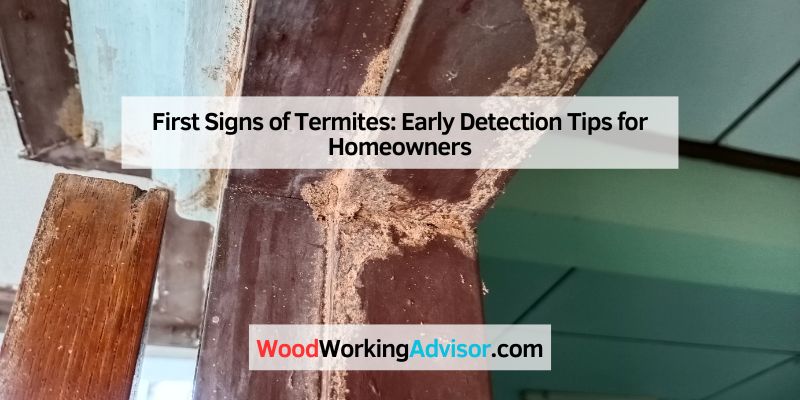
Termites can cause serious damage to your home if not detected early. Recognizing the first signs of termites is crucial to prevent costly repairs.
Termites are silent destroyers, often working unnoticed until significant harm is done. Knowing what to look for can save your property from extensive damage. Small clues can indicate their presence, and being aware of these can help you act promptly.
In this post, we will explore the subtle signs that termites leave behind. This knowledge can help you protect your home and avoid unexpected repair costs. Stay tuned to learn how to spot these early warning signals and keep your property safe.
Credit: extension.msstate.edu
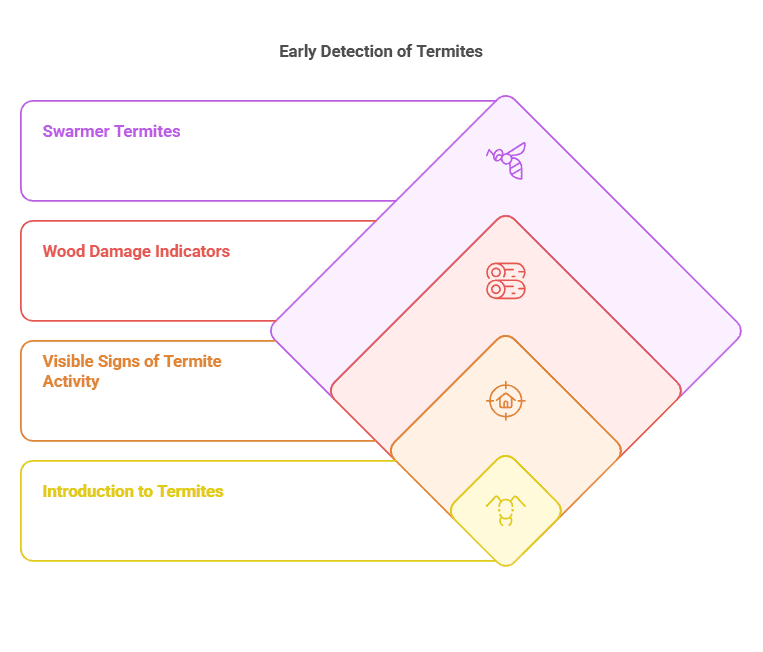
Introduction To Termites
Termites are small insects that can cause big problems. They live in colonies and feed on wood. This makes them a threat to homes and buildings. Termites can go unnoticed for a long time. This allows them to cause significant damage. Knowing the first signs of termites can save you time and money.
Why Early Detection Is Important
Early detection of termites can prevent extensive damage. Termites eat wood from the inside out. This can weaken the structure of your home. Repairing termite damage can be costly. Spotting the signs early can save you from major repairs. It also gives you a chance to get professional help quickly. Addressing the problem early can protect your investment.
Common Species
There are several common species of termites. Each species has unique habits and characteristics. The most common species include subterranean, drywood, and dampwood termites. Subterranean termites live in the soil and build mud tubes. Drywood termites live in wood and do not need soil contact. Dampwood termites prefer moist wood and are less common in homes.
Understanding the different species can help you identify an infestation. Each species has different signs of presence. Knowing what to look for can aid in early detection. This can help you take action before serious damage occurs.

Credit: www.planetnatural.com
Visible Signs Of Termite Activity
Termites are sneaky pests. They can cause massive damage before you even notice them. Knowing the visible signs of termite activity can save your home. It helps to catch them early. Here are some signs to watch for.
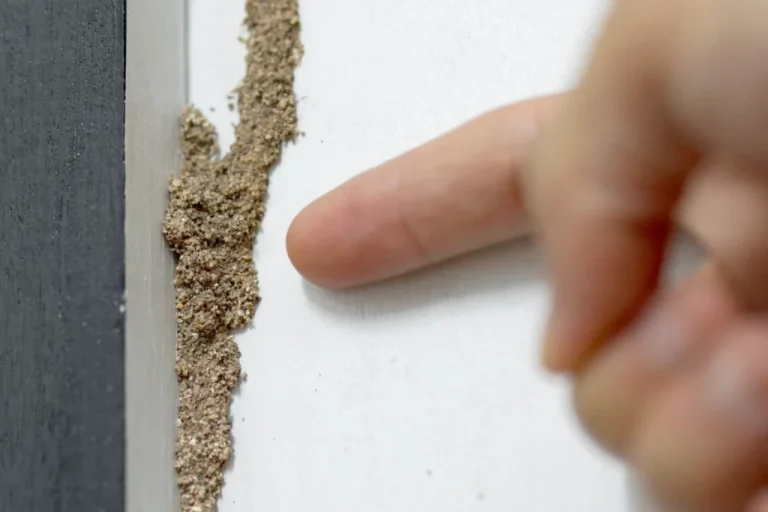
Mud Tubes
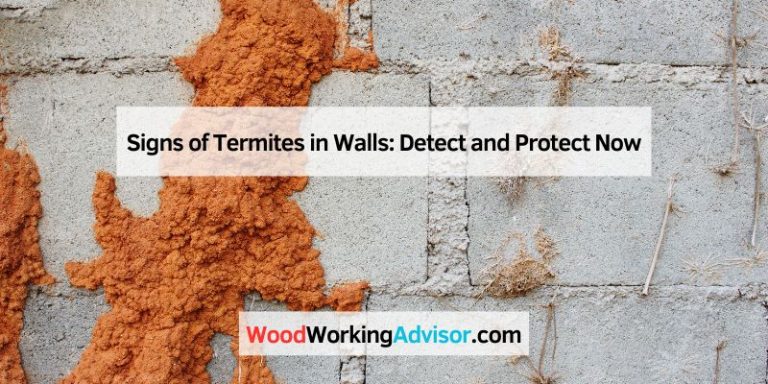
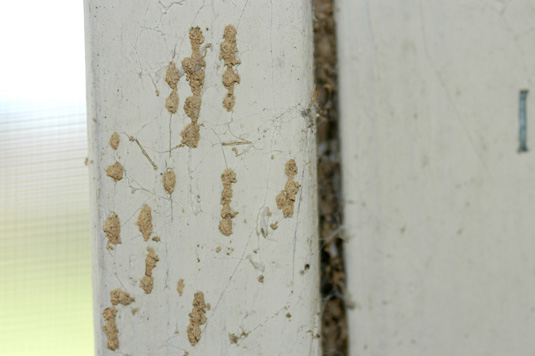
Mud tubes are a clear sign of termites. They build these tubes to protect themselves. The tubes help them travel from their colony to their food source. You might see them on walls, foundations, or other surfaces. The tubes are usually brown and thin, like the size of a pencil. If you see mud tubes, check inside. Break a small part of the tube. If you see white termites, it’s time to call a professional.
Discarded Wings
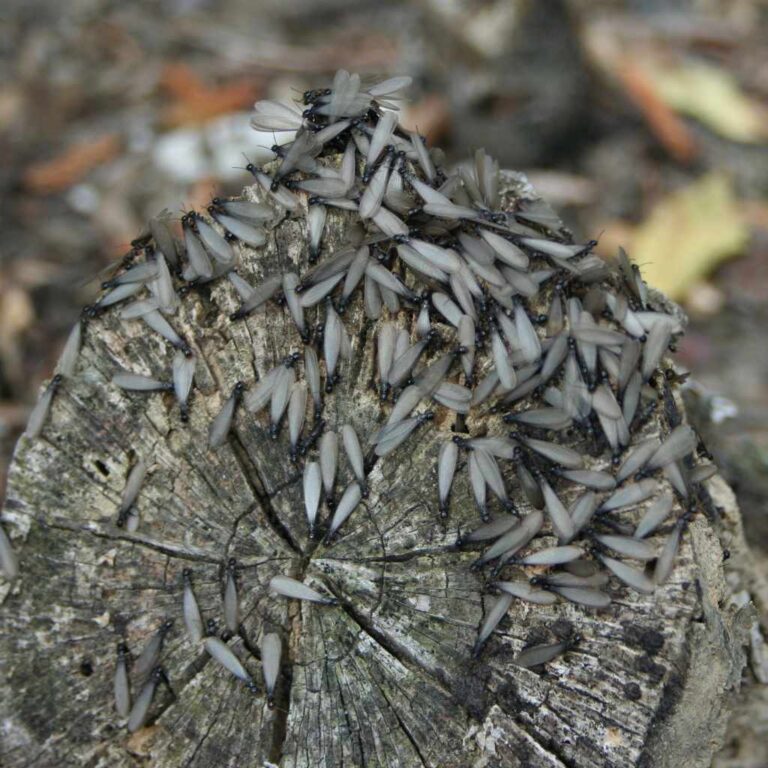
Termites shed their wings after they mate. You might find these wings near windows or doors. The wings are small and look like fish scales. If you see piles of discarded wings, it means termites are nearby. This is a strong sign of an infestation. Don’t ignore it. Act quickly to protect your home.
Wood Damage Indicators
Termites can cause significant damage to your property. Recognizing the first signs of termites is crucial. One of the most evident signs is the damage they inflict on wood. Below, we explore key indicators that your wood might be suffering from a termite invasion.
Hollow Sounding Wood
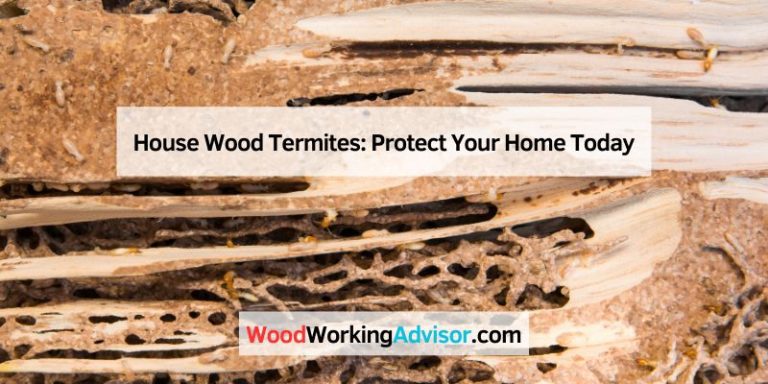
Termites eat wood from the inside out. Tap on wooden structures around your home. If you hear a hollow sound, termites might be inside. This is because they devour the inner parts, leaving a thin shell. Such wood may break easily, posing safety risks.
Buckling Floors
Termites can also damage your floors. If you notice floors buckling, it might be due to termite activity. Check for areas that feel spongy or have unusual bumps. Termites weaken the wood, causing it to warp. Prompt action can prevent further damage.

Credit: mandmpestcontrol.com
Swarmer Termites
Termites can cause serious damage to your home. One of the first signs of a termite infestation is the presence of swarmer termites. These termites are winged and often mistaken for other insects. Recognizing them early can help prevent extensive damage.
When And Where To Look
Look for swarmer termites during spring or early summer. They are most active after rain. You might see them around light sources. They are attracted to light, so check near windows and doors. You may also find discarded wings. Swarmer termites shed their wings after mating.
Differences From Ants
It is easy to confuse swarmer termites with ants. Termites have straight antennae. Ants have bent antennae. Termites have uniform waists. Ants have pinched waists. Termites have equal-sized wings. Ants have different-sized wings. Knowing these differences can help you identify them correctly.
Frass: Termite Droppings
Hey friends, let’s talk about something you probably don’t want to find in your home: termite droppings. Also known as frass, these tiny pellets are a clear sign of a termite infestation. But what exactly should you be looking for? And why is it important? Let’s dive in.
Appearance And Location
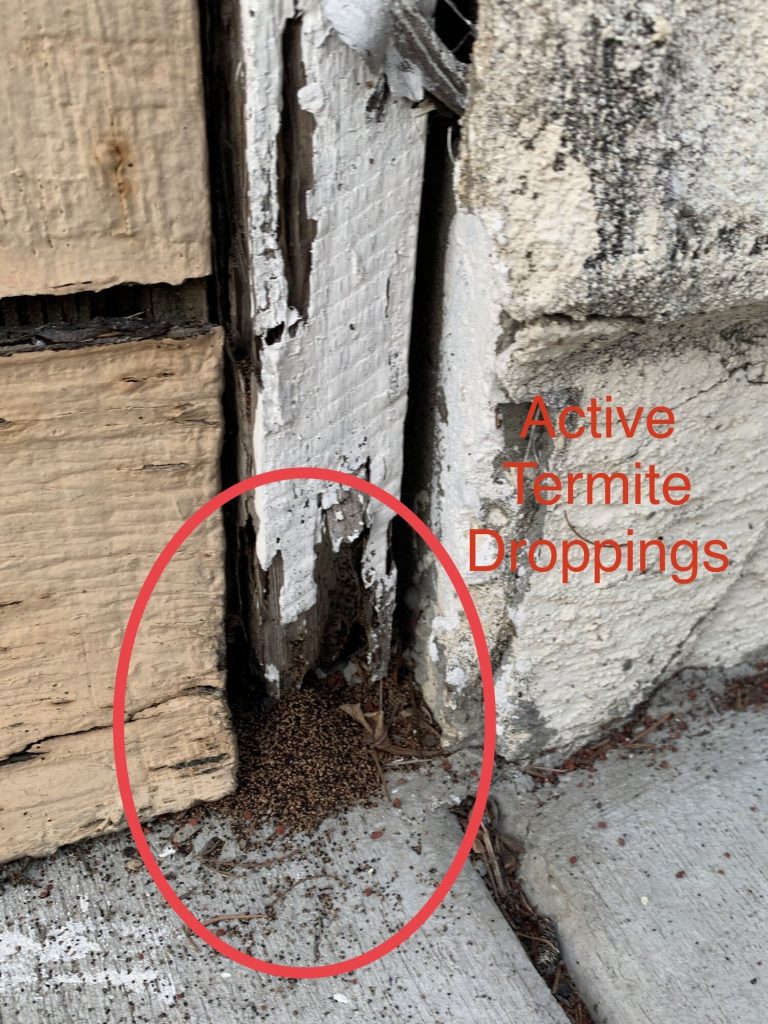
First, let’s talk about what frass looks like. Termite droppings are small, usually about 1mm long, and they resemble sawdust or coffee grounds. They can be brown, black, or even a light beige color. It’s easy to mistake them for dirt or other household debris.
Where will you find these droppings? Here are a few common places:
- Near wooden structures like beams or furniture
- In corners of rooms, especially basements and attics
- Underneath or around windows and doors
Think of these spots as termite hotspots. If you see frass here, it’s time to investigate further.
Why It’s A Warning Sign
So, why is finding frass a big deal? Well, termites are sneaky. They often go unnoticed until serious damage is done. Frass is one of the few visible signs that these pests leave behind.
Here’s why frass is a red flag:
- Termites eat wood from the inside out. By the time you see frass, they could have already done significant damage.
- Frass means termites are active. Unlike other pests, termites don’t leave droppings unless they are actively feeding and tunneling.
- Ignoring frass can lead to expensive repairs. The longer you wait, the worse the damage gets.
Think of frass as a termite’s way of waving a red flag. It’s their way of saying, “Hey, we’re here!”
In my own home, I once found a pile of what looked like tiny wood pellets near my garage door. At first, I thought it was just dirt. But after a closer look, I realized it was frass. I called a pest control expert, and sure enough, I had a termite problem. Catching it early saved me a lot of money and stress.
So, keep an eye out for frass. It may seem like a small detail, but it can make a big difference in protecting your home.
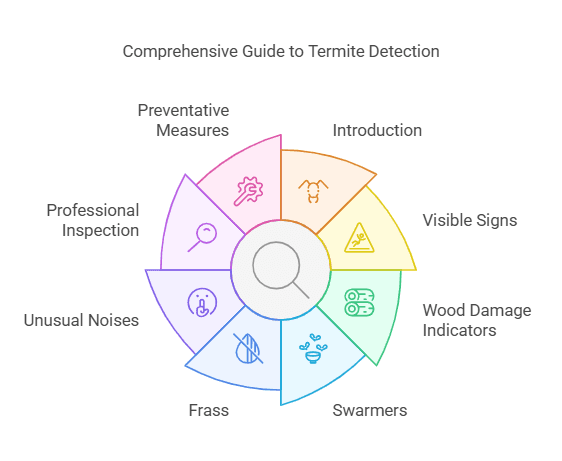
Unusual Noises
Have you ever been alone at home and heard strange noises? It can be a bit creepy, right? But what if those noises are telling you something important? Like, you might have a termite problem. Yes, termites can make sounds. Let’s look at these noises more closely.
Head-banging Sounds
Imagine this. You are sitting in your living room, and suddenly you hear a faint tapping or clicking sound. It’s not your imagination. Termites actually bang their heads against wood. Why? They are warning other termites about danger. It’s like their way of sending a message.
These head-banging sounds are often very quiet. But if you listen carefully, you might catch them. Here’s a small tip from my experience: use a stethoscope or a simple glass pressed against the wall to hear better. Yes, it works!
Rustling In Walls
Another sound to watch out for is a rustling noise. This can sound like paper being crumpled. What is it? Termites moving around. They are busy creatures, always eating and building tunnels. So, if you hear this rustling, it’s a sign they might be living inside your walls.
Think of it like this: you know the sound of leaves rustling in the wind? It’s similar, but it comes from inside your wall. If you hear this, it’s time to take action. Because termites can cause a lot of damage if you let them stay.
In summary, those odd noises might be trying to tell you something important. If you hear head-banging or rustling, you might have termites. Don’t ignore these sounds. They are your early warning signs. Stay alert and protect your home from these silent destroyers.
Professional Inspection
Termites can cause serious damage to your home. Knowing the first signs of termites is crucial. A professional inspection can help you confirm an infestation and understand its extent. Professionals have the training and tools to find termites even in hidden areas.
When To Call An Expert
If you see small piles of wood dust or mud tubes, it is time to call an expert. Hearing clicking sounds in your walls can also be a sign. Noticing hollow-sounding wood is another indicator. Call a professional if you see any of these signs. Early detection can save you from costly repairs.
What To Expect
The inspector will examine your home thoroughly. They will check both inside and outside. They will look for signs of termites and damage. The inspection will include checking the foundation, walls, and attic. The inspector may use special tools to detect termites. After the inspection, you will get a detailed report. This report will explain any findings and suggest the next steps.
Preventative Measures
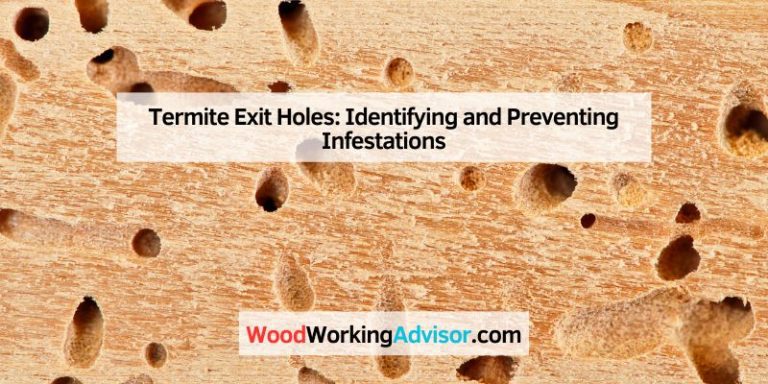
Spotting early signs of termites can help prevent serious damage. Look for small holes in wood, discarded wings, and mud tubes around the house. Regular inspections and timely action can save your home from costly repairs.
Termites can cause serious damage to your home. Taking preventative measures can help protect your property. It is important to be proactive and implement strategies to deter these pests.
Moisture Control
Termites thrive in moist environments. Reducing moisture around your home is crucial. Fix any leaky pipes or faucets immediately. Ensure proper drainage around your home’s foundation. Use dehumidifiers in basements and crawl spaces. Regularly clean and maintain gutters to prevent water buildup.
Regular Maintenance
Keeping your home in good repair can prevent termite infestations. Inspect wooden structures for signs of damage. Replace any rotten or decayed wood promptly. Seal cracks and crevices in your home’s exterior. Store firewood and lumber away from your house. Trim trees and bushes to prevent them from touching your home.
By following these measures, you can protect your home from termites. Stay vigilant and maintain regular inspections.
Frequently Asked Questions
How Do You Know If You Have Termites?
Look for signs like mud tubes, discarded wings, hollow-sounding wood, and frass (termite droppings). You might also see damaged wood.
What Does The Start Of Termite Damage Look Like?
Termite damage starts with small holes, bubbling paint, hollow wood, and discarded wings. Look for mud tubes near the foundation.
When You See Termites, Is It Too Late?
Seeing termites doesn’t mean it’s too late. Immediate action can prevent severe damage. Contact a pest control professional quickly.
What Time Of Year Are Termites Most Active?
Termites are most active during warm weather, typically in the spring and summer months. They swarm after rainfall.
Conclusion
Spotting early signs of termites is crucial. Protect your home from damage. Regular inspections help in early detection. Look for mud tubes and hollow wood. Swarmers or discarded wings are red flags. Act quickly to prevent infestations. Contact a professional for thorough checks.
Keep your home safe and termite-free. Knowledge and vigilance are key. Stay alert and take immediate action. Your home deserves the best care.