Fixing Squeaky Wood Floors: Silent Steps Ahead
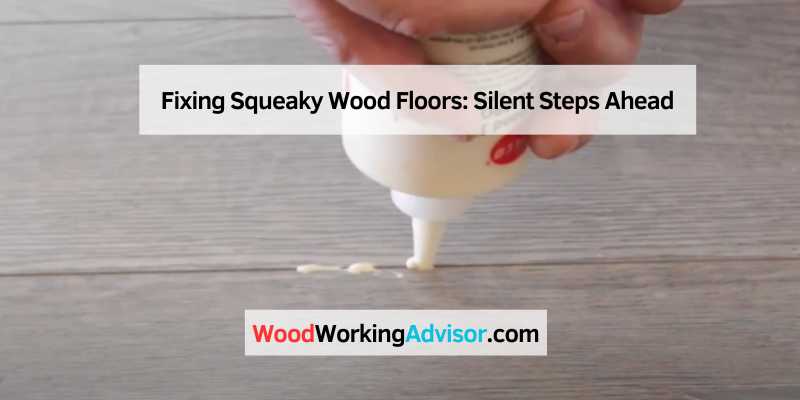
To fix a squeaky wood floor, you can try sprinkling a powdered graphite lubricant over the squeaky spot and covering it with paper towels. This should reduce friction and stop the squeak.
Squeaky wood floors can be annoying, but fortunately, there are several effective solutions to silence them. From identifying the source of the squeak to using lubricants and repairing floor joists, there are various methods to address this common issue. Whether you’re dealing with hardwood, engineered wood, or laminate flooring, understanding the causes of squeaks and the appropriate remedies will help you restore peace and quiet to your home.
Let’s explore some practical tips and techniques to fix squeaky wood floors and enjoy a more peaceful living space.
The Silent Enemy: Understanding Squeaky Wood Floors
Having a squeaky wood floor can be incredibly frustrating. The constant creaking and squeaking can disrupt the peace and tranquility of your home. But what causes these annoying noises? Understanding the common culprits behind squeaky wood floors is the first step towards finding a solution.
The Common Culprits
Squeaky wood floors can be caused by several factors, including:
- Loose floorboards: Over time, the nails or screws holding the floorboards in place can become loose, causing them to rub against each other and create noise.
- Changes in humidity: Wood naturally expands and contracts with changes in humidity. This can lead to gaps between the floorboards, resulting in squeaks when pressure is applied.
- Subfloor issues: A poorly installed or damaged subfloor can contribute to squeaky floors. If the subfloor is not secure or has gaps, it can cause the floorboards to move and produce noise.
Identifying the specific cause of the squeaks is crucial in order to determine the most effective solution. In some cases, fixing the issue may be as simple as tightening loose screws or nails. However, in more severe cases, professional assistance may be required to address subfloor problems or replace damaged floorboards.
Impact On Home Value And Comfort
While squeaky wood floors may seem like a minor inconvenience, they can actually have a significant impact on both the value and comfort of your home. Here’s how:
- Home value: Potential buyers may perceive squeaky floors as a sign of poor maintenance or structural issues. This can negatively affect the resale value of your home.
- Comfort: Squeaky floors can disrupt sleep, especially in multi-story homes where footsteps can be heard throughout the house. Additionally, the constant noise can be irritating and stressful, leading to a decrease in overall comfort.
By addressing squeaky wood floors promptly, you can improve the quality of your living space and maintain the value of your home.
In conclusion, understanding the causes of squeaky wood floors and their impact on your home is essential in finding a solution. Whether it’s tightening loose screws, addressing subfloor issues, or seeking professional help, taking action to fix squeaky floors will not only restore peace and quiet but also preserve the value and comfort of your home.
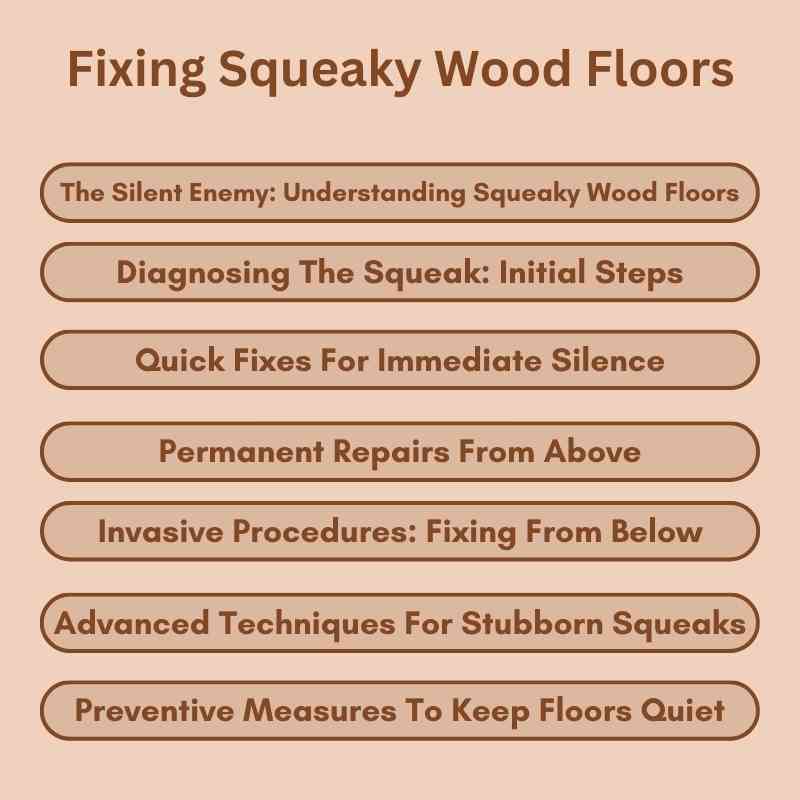
Diagnosing The Squeak: Initial Steps
When it comes to fixing a squeaky wood floor, it’s important to start by diagnosing the source of the squeak. By identifying the underlying cause, you can take the necessary steps to eliminate the noise and restore the peace in your home. In this section, we will walk you through the initial steps to pinpointing the source of the squeak.
Finding The Source
Before you can fix a squeaky wood floor, you need to find out where the squeak is coming from. This can be done by carefully inspecting the floor and listening for the squeak as you walk across it. Pay close attention to the areas that produce the most noise.
To help you locate the source more easily, try the following steps:
- Remove any rugs or furniture that may be covering the floor.
- Walk slowly across the floor, focusing on areas that feel uneven or produce a squeaking sound.
- Press down firmly on different sections of the floor to see if the squeak intensifies or disappears.
- Listen for any creaking or cracking sounds that may indicate loose floorboards or subfloor issues.
Tools And Materials Needed
Once you have identified the source of the squeak, you will need the following tools and materials to fix the problem:
| Tools | Materials |
|---|---|
| Screwdriver | Graphite lubricant |
| Hammer | Wood shims |
| Drill | Carpenter’s glue |
| Wood screws | |
| Flooring nails |
Having these tools and materials on hand will enable you to effectively address the squeak and ensure a successful repair.
Now that you know how to diagnose the squeak and have the necessary tools and materials, it’s time to move on to the next step of fixing your squeaky wood floor. Stay tuned for our next blog post where we will guide you through the process of repairing the identified issues and restoring the tranquility of your home.
Quick Fixes For Immediate Silence
Silence those squeaky wood floors with quick fixes! Try sprinkling powdered graphite lubricant over the squeaky spot, or apply powdered soapstone, talcum powder, or powdered graphite between the boards. Lubricating the wood can help reduce friction and eliminate those annoying squeaks.
Lubrication Methods
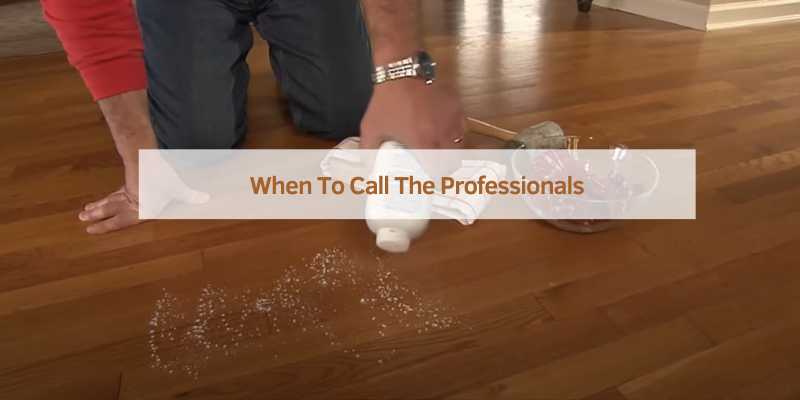
If you’re dealing with a squeaky wood floor, one quick fix for immediate silence involves using lubrication methods. Applying a powdered graphite lubricant over the squeaky spot can help reduce friction and stop the squeak. To ensure the powder stays in place, cover it with paper towels.
Temporary Solutions
When you need a temporary solution for a squeaky wood floor, consider using powdered soapstone, talcum powder, or powdered graphite between the squeaky floorboards. These substances can help reduce friction and eliminate the irritating noise.
Permanent Repairs From Above
When it comes to fixing squeaky wood floors, a permanent solution from above is often the most practical approach. By addressing loose boards and subfloor issues, you can effectively eliminate those irritating squeaks for good.
Securing Loose Boards
If your wood floor is plagued by squeaks due to loose boards, securing them from above is a straightforward and effective solution. This process involves locating the loose boards and fastening them securely to the subfloor.
Dealing With Subfloor Issues
Subfloor issues can also contribute to squeaky wood floors. Properly addressing these problems from above involves identifying the underlying subfloor concerns and taking the necessary steps to reinforce and stabilize the floor structure.
Invasive Procedures: Fixing From Below
Fixing Squeaky Wood Floors can be done through invasive procedures known as “Fixing from Below”. By using techniques such as applying lubricants like powdered graphite or soapstone between the squeaky floorboards, you can reduce friction and eliminate the annoying squeaks.
Joist Repairs
If the squeaky floor is caused by damaged or weakened joists, then the joists need to be repaired first. Inspect the joists from below the floor and identify the damaged ones. If the damage is minor, then the joists can be repaired by sistering them. Sistering means attaching a new joist to the side of the old one to reinforce it. For severe damage, the damaged joists need to be replaced entirely. Replacing joists is a complex process and requires professional expertise.
Bridging And Blocking Techniques
Another way to fix squeaky floors from below is by using bridging and blocking techniques. Bridging refers to the process of installing wood or metal bridging between the floor joists to add stiffness and prevent them from moving. Blocking means installing small blocks of wood between the joists to provide additional support. Both techniques add strength to the floor structure, reduce movement, and eliminate squeaks.
In summary, fixing squeaky wood floors from below requires invasive procedures such as joist repairs, bridging, and blocking techniques. These techniques should be carried out by professionals to ensure proper repair and prevent further damage.
Advanced Techniques For Stubborn Squeaks
Learn advanced techniques to fix stubborn squeaks in your wood floor with ease. From lubricating the joints to using a knee kick for carpet laying, there are various ways to silence those annoying squeaks and enjoy a peaceful home.
Using A Squeak No More Kit
If you have tried the basic methods of fixing squeaky wood floors and still have stubborn squeaks, using a Squeak No More Kit may help. This kit includes specialized screws and a unique tool that allows you to drive the screws through the subfloor and into the joist, effectively eliminating the source of the squeak. The kit also includes a depth control tool to prevent overdriving the screws and damaging the floor.
Professional Level Solutions
If you have tried all the basic and advanced techniques and still can’t get rid of the squeaks, it may be time to call in a professional. A flooring professional can use specialized equipment, such as a joist finder and a pneumatic nailer, to fix the squeaks from below the floor. They can also check for any structural issues that may be causing the squeaks and provide a long-lasting solution.
In conclusion, fixing squeaky wood floors can be a frustrating and time-consuming task. However, with some basic knowledge and the right tools and techniques, you can effectively eliminate those annoying squeaks and restore the peace and quiet in your home.
Preventive Measures To Keep Floors Quiet
Squeaky wood floors can be a nuisance, but there are preventive measures that can help keep them quiet. By following proper installation practices, managing humidity, and providing regular wood care, you can minimize the likelihood of developing squeaky floors.
Proper Installation Practices
Ensuring proper installation of wood flooring is essential in preventing squeaks. Use appropriate fasteners and follow the manufacturer’s guidelines to secure the flooring firmly. Additionally, choose high-quality underlayment to reduce friction and minimize the potential for squeaks.
Humidity And Wood Care
Maintaining consistent humidity levels in the home is crucial for preventing wood floors from becoming squeaky. Fluctuations in humidity can cause the wood to expand and contract, leading to squeaks. Use a dehumidifier in humid conditions and a humidifier in dry climates to keep the humidity within the recommended range. Additionally, regular wood care, such as sealing and refinishing, can help maintain the integrity of the wood and prevent squeaks.
When To Call The Professionals
If you’ve attempted the DIY fixes and the squeaks persist, it might be time to bring in the professionals. Here are the signs that indicate it’s time to seek expert help.
Evaluating The Severity
Assess the severity of the squeaky floor issue. If the problem is widespread and affects multiple areas of your wood floor, it’s best to consult a professional. Additionally, if the squeaks are accompanied by noticeable structural issues, such as sagging or uneven flooring, it’s crucial to seek expert assistance.
Finding The Right Expert
When searching for a professional to fix your squeaky wood floor, look for a licensed and experienced flooring contractor. Ensure that the expert has a proven track record of successfully addressing similar issues and possesses the necessary expertise to diagnose and resolve the underlying causes of the squeaks.
Frequently Asked Questions
How Do I Stop My Hardwood Floors From Squeaking?
To stop hardwood floors from squeaking, try lubricating the squeaky spot with powdered graphite. Sprinkle the lubricant over the area and cover it with paper towels to keep it in place. This can help reduce friction and eliminate the squeak.
Why Does My Floor Creak When I Walk On It?
Your floor creaks when you walk due to loose floorboards or subfloor, causing friction. This can be fixed by securing the subfloor or using lubricants between the boards.
How Do You Lubricate Squeaky Hardwood Floors?
Lubricate squeaky hardwood floors by sprinkling powdered graphite between the boards to reduce friction. Cover the powder with paper towels to keep it in place.
What Is The Best Product For Squeaky Wood Floors?
The best product for squeaky wood floors is powdered soapstone, talcum powder, or powdered graphite. Apply a generous amount of the chosen lubricant between the squeaky floorboards to reduce friction and eliminate the squeaks.
Conclusion
Fixing a squeaky wood floor is a relatively simple task that can be done with a few basic steps. By identifying the source of the squeak, whether it’s loose floorboards or friction between the boards, and applying lubrication such as powdered graphite or soapstone, you can effectively eliminate the annoying noise.
Additionally, considering factors like joist spacing and using carpenter’s glue or surface nailing can provide long-term solutions. Remember, maintaining a squeak-free wood floor not only enhances the aesthetic appeal of your space but also improves the overall comfort of your home.