How Can You Tell Termite Damage: Expert Tips and Signs
Termites can wreak havoc on your home. Spotting the damage early is crucial.
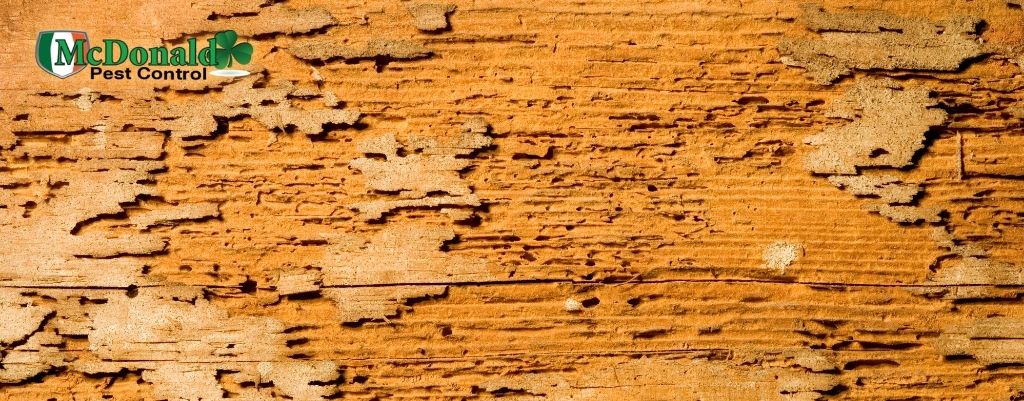
Termites are small insects that can cause significant damage if left unchecked. They feed on wood, which can weaken the structure of your home. Knowing the signs of termite damage can save you from costly repairs. Look for things like hollow-sounding wood, tiny holes, or discarded wings.
These pests work quietly, often going unnoticed until the damage is severe. In this blog, we will guide you through the signs of termite damage. This way, you can take action quickly and protect your home. Stay vigilant and keep reading to learn how to spot the early signs of termite trouble.
Recognizing Termite Damage
Termites can cause severe damage to your home. Knowing the signs helps you act quickly. Early detection is crucial to prevent costly repairs.
Common Areas Affected
Termites often target specific areas in a home. Below are some common areas where you might find termite damage:
- Wooden structures: Termites love wood. Look at door frames, windowsills, and wooden beams.
- Foundation: Check the foundation for mud tubes. Termites use these to travel.
- Attics: Inspect the attic for damaged wood or droppings.
- Basements: Basements are also vulnerable, especially if they are damp.
- Crawl spaces: These areas are often neglected, making them perfect for termites.
Difference From Other Pests
Termite damage can look similar to damage caused by other pests. Here are some differences to help you identify termite damage:
| Pest | Type of Damage |
|---|---|
| Termites | Hollow-sounding wood: Tap on wood; if it sounds hollow, termites may be inside. |
| Carpenter Ants | Smooth tunnels: Carpenter ants create smooth tunnels in wood. |
| Powderpost Beetles | Fine wood dust: Look for fine, powdery dust around wooden structures. |
Recognizing these signs can help you identify the type of pest. Early detection is key to preventing further damage.

Credit: www.reddit.com
Early Warning Signs
Termite damage can be a homeowner’s worst nightmare. Identifying early warning signs is crucial. Detecting the damage early can save time and money. Knowing what to look for helps prevent extensive damage.
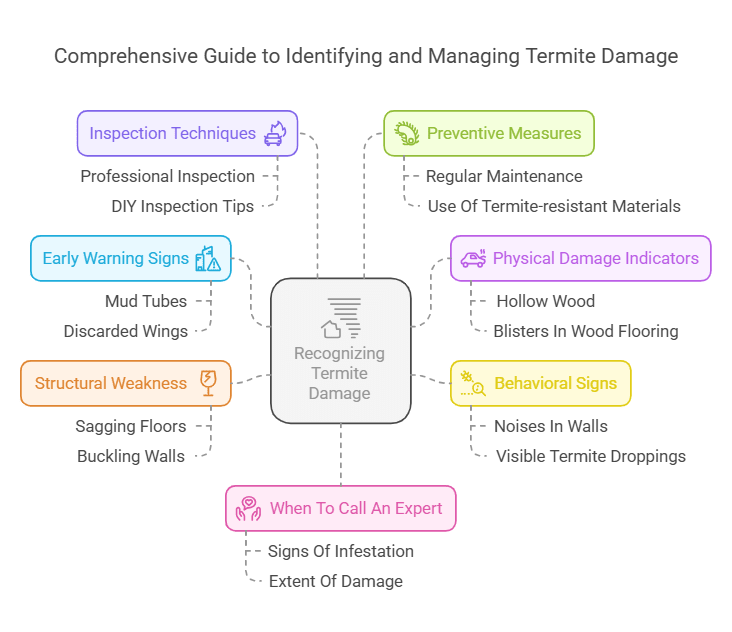
Mud Tubes
Mud tubes are a common sign of termites. They look like small tunnels made of mud. Termites use these tubes to travel from their nest to a food source. You will often find them on walls, foundations, or in crawl spaces. Check these areas regularly for any new tubes. If you spot mud tubes, it is time to act quickly. Termites work fast and can cause significant damage in a short time.
Discarded Wings
Discarded wings are another early warning sign of termites. Termites shed their wings after swarming. You might find these wings near windowsills, doors, or other entry points. Swarming usually occurs in the spring. Look for small, translucent wings that resemble fish scales. Finding discarded wings means termites are nearby. Take immediate action to protect your home.
Physical Damage Indicators
Termite damage can be devastating to your home. Recognizing the physical damage indicators is crucial. These signs often reveal a termite infestation early, preventing further destruction.
Hollow Wood
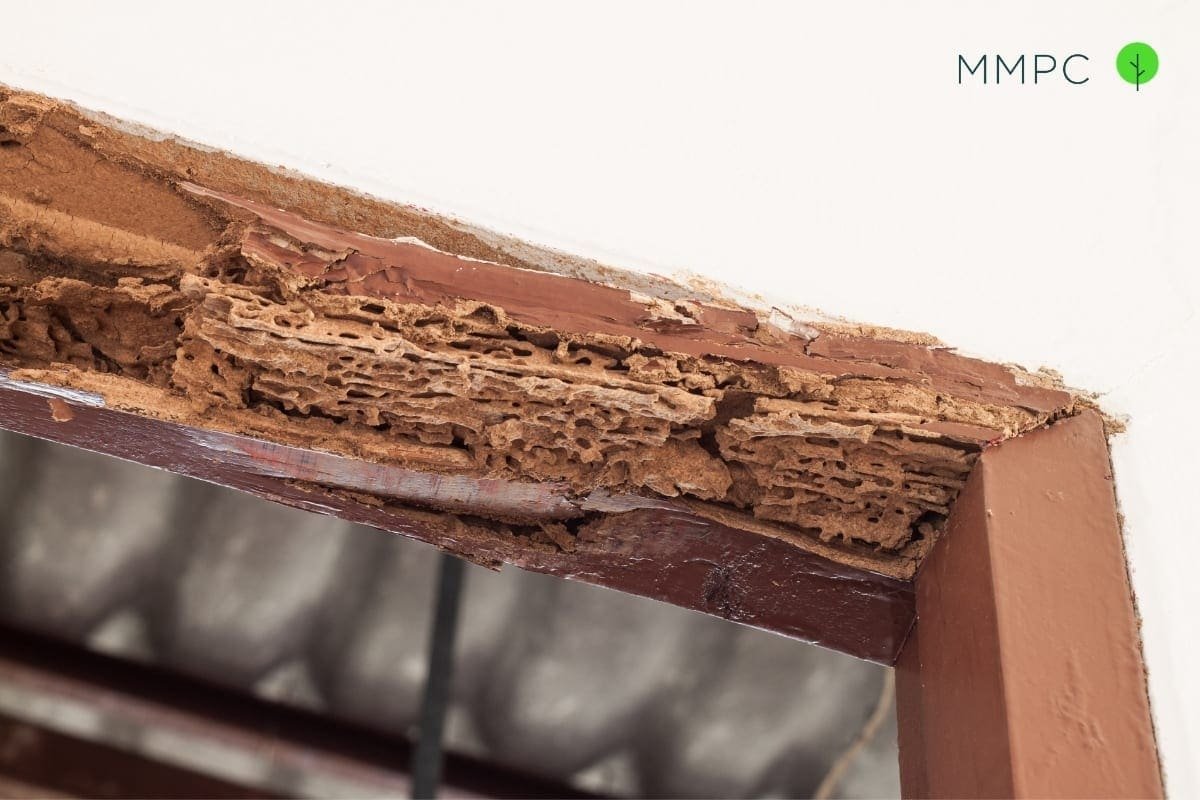
If you tap on wood and hear a hollow sound, termites may be present. Termites eat wood from the inside out, leaving a thin veneer. This makes the wood sound hollow. Inspect wooden structures such as beams, floors, and furniture. Use a screwdriver to gently probe the wood. If it breaks easily, it might be termite-damaged.
Blisters In Wood Flooring
Blisters in wood flooring are a clear sign of termite activity. These blisters appear when termites are feeding below the surface. The feeding causes the wood to warp and blister. Check your floors for unusual blisters or bumps. Walking on the floor may feel uneven in affected areas.
Behavioral Signs
Identifying termite damage can be crucial in saving your home from severe destruction. Recognizing the behavioral signs of termites helps in early detection and prevention of extensive damage.
Noises In Walls
One noticeable sign of termites is hearing faint noises within your walls. These noises often sound like clicking or tapping. The sounds come from worker termites as they tunnel through wood. Soldier termites make tapping sounds by hitting their heads against the wood. If you listen closely, these noises can be a clear indicator of termite activity.
Visible Termite Droppings
Termite droppings, also known as frass, are another behavioral sign of termites. These droppings look like small, wood-colored pellets. You can often find them near the base of walls or windowsills. Drywood termites leave these droppings as they consume wood and push the waste out of their tunnels.
Here is a simple table to help you identify termite droppings:
| Type of Termite | Appearance of Droppings |
|---|---|
| Drywood Termite | Wood-colored pellets |
| Subterranean Termite | Dark, powdery substance |
Regularly checking for these signs can help you catch termite damage early and take necessary actions to protect your home.
Structural Weakness
Termite damage often leads to structural weaknesses in your home. These pests eat through wood, compromising the integrity of your house. Identifying these weaknesses early can save you from costly repairs.
Sagging Floors
Sagging floors are a clear sign of termite damage. Termites eat away at the wooden supports beneath your floor. As the wood weakens, the floor starts to sag or dip.
Here are some signs of sagging floors due to termites:
- Uneven surfaces when walking
- Noticeable dips or sags
- Cracks in the floorboards
If you notice these signs, check for termites immediately.
Buckling Walls
Buckling walls also indicate possible termite damage. Termites hollow out the wood inside your walls. This causes the walls to bulge or buckle.
Look out for these indicators:
- Visible bulges in walls
- Cracks along the wall surface
- Peeling or bubbling paint
These signs suggest serious termite infestation. It’s crucial to act fast to prevent further damage.

Credit: www.reddit.com
Inspection Techniques
Termite damage can be difficult to identify early. Using proper inspection techniques is crucial. These techniques help you detect and address termite issues before they become severe. You can choose between professional inspection and DIY inspection.
Professional Inspection
Hiring a professional inspector ensures a thorough check. Professionals have the right tools and experience. They know where termites like to hide. They can identify even subtle signs of damage. A professional inspection provides peace of mind. It can save money in the long run.
DIY Inspection Tips
Not everyone can hire a professional. You can still inspect for termites yourself. Start by looking at wood structures in your home. Look for small holes or tunnels in the wood. These are signs of termites.
Check for mud tubes around your foundation. Termites build these tubes for moisture. Tap on wooden beams and listen for hollow sounds. Hollow sounds may indicate internal damage.
Use a flashlight to inspect dark areas. Basements and crawl spaces are common hiding spots. Look for discarded wings near windowsills. Swarming termites shed their wings when they find a new home.
Regularly inspect your home. Early detection can prevent serious damage.
Preventive Measures
Termites can cause significant damage to your home. Implementing preventive measures is crucial to avoid infestations and costly repairs.
Regular Maintenance
Regular maintenance is key to keeping termites at bay. Here are some tips:
- Inspect your home annually: Check for mud tubes, hollow wood, and discarded wings.
- Maintain proper ventilation: Ensure crawl spaces and attics are well-ventilated.
- Repair leaks: Fix any leaks in your plumbing, roof, or gutters.
- Store firewood properly: Keep firewood at least 20 feet from your home.
Use Of Termite-resistant Materials
Using termite-resistant materials can help prevent infestations. Consider these options:
- Concrete: Use concrete for foundations and other structural elements.
- Steel: Opt for steel framing instead of wood.
- Pressure-treated wood: Choose wood treated with chemicals that deter termites.
- Composite materials: Use composite materials for decking and other outdoor structures.
By incorporating these preventive measures, you can protect your home from termite damage and maintain its structural integrity.
When To Call An Expert
Termite damage can be tricky to identify and even trickier to fix.
Knowing when to call a professional can save you time and money.
Below are some key points to help you decide.
Signs Of Infestation
Early signs of a termite infestation can be subtle. Look for these signs:
- Discarded wings: Termites shed their wings after swarming.
- Hollow-sounding wood: Tap on wood; a hollow sound can mean damage.
- Frass: Termite droppings look like sawdust.
- Mud tubes: Termites build mud tubes to travel.
Extent Of Damage
Knowing the extent of the damage can help you understand the severity.
| Damage Level | Description |
|---|---|
| Minor | Small holes, minor wood damage |
| Moderate | Visible tunnels, hollow-sounding wood |
| Severe | Extensive wood damage, visible structural issues |
If you notice any of these signs or damage levels, it’s time to call an expert.
Professionals can assess the damage and recommend the best course of action.
Credit: mandmpestcontrol.com
Frequently Asked Questions
What Does Termite Damage Look Like On A House?
Termite damage looks like hollowed or damaged wood, blistered floors, and visible tunnels in walls. You may also see discarded wings.
What Is The Best Way To Identify Termite Damage?
Identify termite damage by checking for hollow wood, mud tubes, discarded wings, and frass (termite droppings).
Can A House Be Saved From Termite Damage?
Yes, a house can be saved from termite damage with timely treatment and repairs. Early detection is crucial.
How Do They Check For Termite Damage?
Inspectors check for termite damage by examining wood for hollow sounds, mud tubes, and visible damage. They may also use moisture meters and thermal imaging.
Conclusion
Recognizing termite damage early can save your home. Look for hollow wood, mud tubes, and discarded wings. Inspect your home regularly and act fast if you see signs. Termite damage can be costly and harmful. By staying alert, you protect your investment.
Regular check-ups by professionals also help. Don’t ignore small signs, they can lead to big problems. Stay vigilant and keep your home termite-free.