Dark Walnut Vs Espresso Stain: Key Differences Explained
Picking the right wood stain can feel like a puzzle. You want that perfect, rich look for your furniture or floors. But then you see all the options.
Dark walnut and espresso stain are two popular choices. They both offer a deep, sophisticated finish. Yet, they aren’t quite the same.
This can make choosing tricky. Let’s break down what makes them different. We’ll help you find the best fit for your home.
Understanding Dark Walnut vs Espresso Stain
These stains often get mixed up. They both bring a dark, warm feel to wood. But knowing their subtle differences helps a lot.
This guides you to the look you really want. We will look at their color, undertones, and how they work with different woods. Think of this as your friendly guide to a beautiful wood finish.
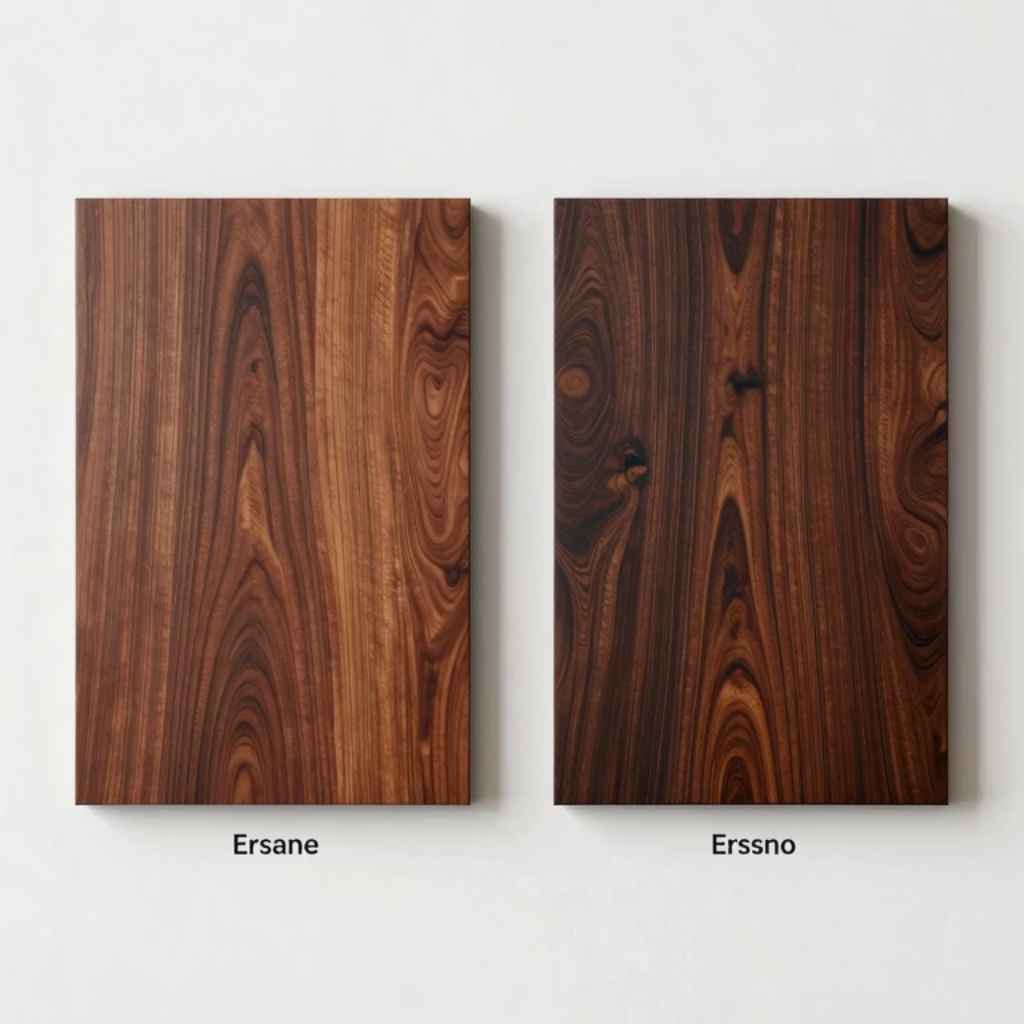
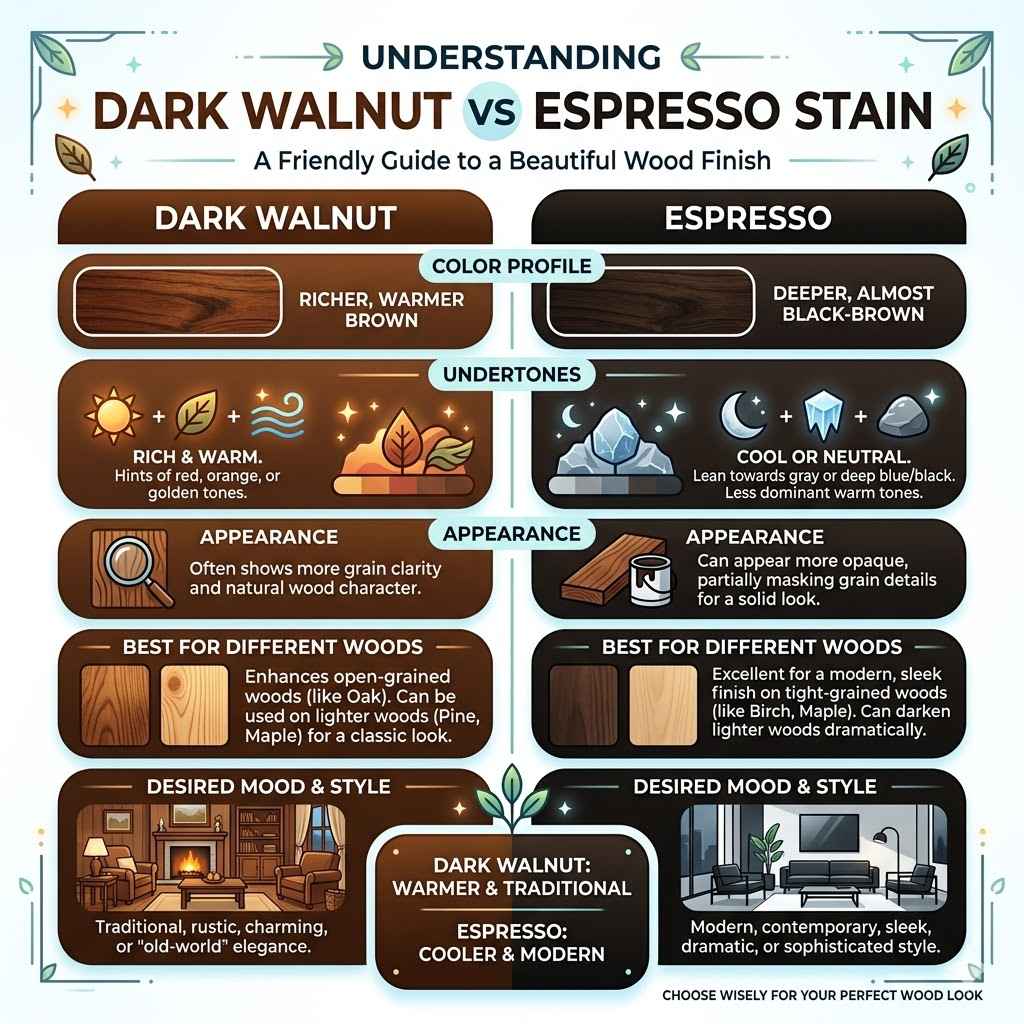
Dark walnut and espresso stains both provide a deep, dark wood tone. However, dark walnut often has richer, warmer brown undertones, sometimes with a hint of red or orange. Espresso stain tends to be a deeper, almost black-brown, with cooler or more neutral undertones. The choice depends on the existing wood, desired mood, and other decor elements.
The Color Spectrum: What You See
Let’s start with what your eyes tell you. The first thing you notice is the color. Both are dark.
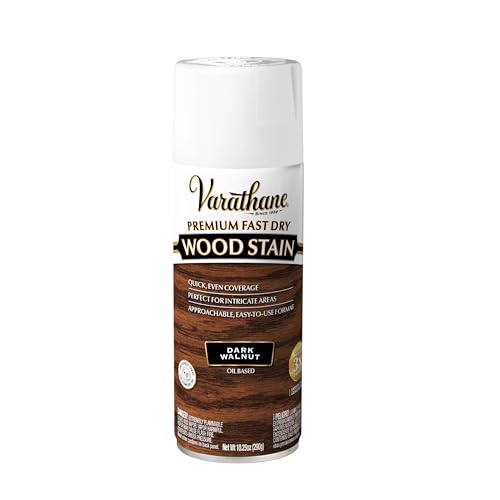
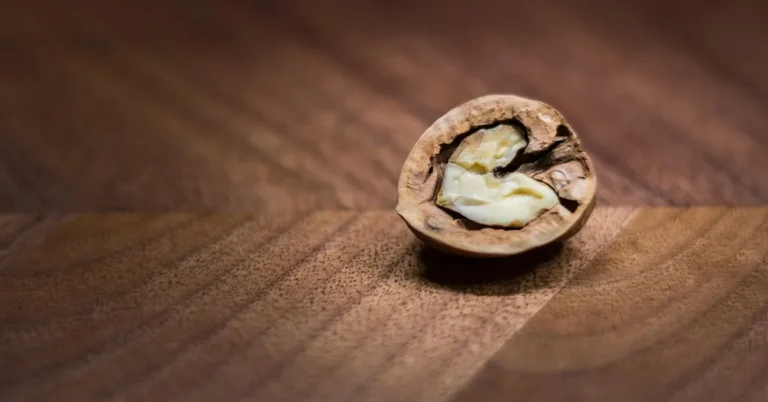
But there’s a subtle shift. Dark walnut stain aims for a classic, deep brown. Think of the natural color of a walnut tree’s wood.
It’s rich and inviting. It feels warm and earthy. It has a depth that makes wood look luxurious.
It doesn’t try to be black. It’s proud to be a deep, beautiful brown.
Espresso stain goes darker. It’s named after the dark coffee drink. This means it’s a very deep brown.
It often leans towards black. Some espresso stains have cool undertones. Others are more neutral.
They can look almost black in certain lights. But when the light hits them just right, you see that deep, dark brown. It’s a modern, sleek dark.
It can make a room feel very sophisticated and clean.
This difference is crucial. If you want a warm, traditional brown, dark walnut is your friend. If you’re aiming for a very dark, almost black-brown with a sleek, modern vibe, espresso is likely the way to go.
It’s all about the exact shade of dark you are chasing.
Undertones: The Hidden Colors
Undertones are like the secret ingredients. They are the colors you don’t see right away. But they affect the overall look a lot.
Dark walnut stain usually has warm undertones. These can be reddish, orangey, or even a bit of yellow. This warmth is what makes it feel cozy and inviting.
It pairs well with many other warm colors in a room. Think of creams, golds, and certain greens.
Espresso stain is different. It often has cooler undertones. These can be hints of gray or even a very deep, muted blue.
Sometimes, it’s just very neutral. This coolness can make espresso feel more modern. It can also make it blend well with grays, blues, and crisp whites.
The cooler tone offers a sophisticated contrast. It feels less earthy than dark walnut. It’s more refined and chic.
Getting this right is key. If your room has a lot of warm colors, dark walnut will feel right at home. It will enhance that warmth.
If you have cool tones like gray or blue, espresso will likely fit in better. It will complement them. Imagine a living room with a gray sofa.
Espresso tables would look stunning. Walnut tables might feel a bit out of place unless you have other warm elements.
Color & Undertone Quick Check
Dark Walnut:
- Deep brown base.
- Warm undertones (red, orange, yellow hints).
- Feels cozy and traditional.
Espresso:
- Very dark brown, almost black.
- Cool or neutral undertones (gray hints).
- Feels modern and sleek.
Wood Types and How They React
The type of wood you are staining matters. Wood has its own natural color and grain. Stains interact with these.
This means a dark walnut stain on oak might look different than on pine. Oak has a prominent grain. Pine is softer and can absorb stain unevenly.
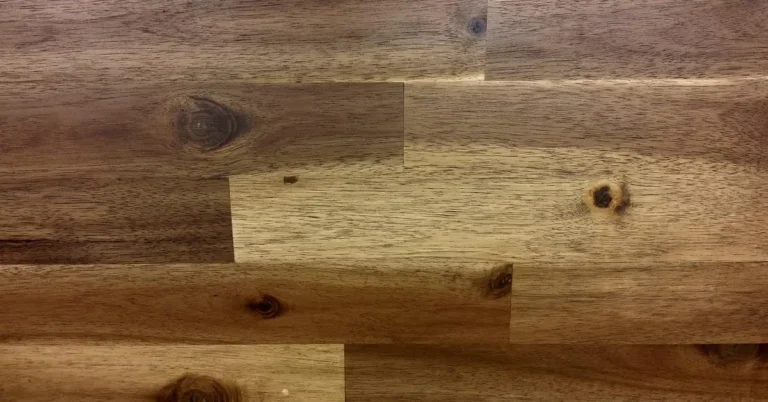
Dark walnut often looks fantastic on woods with strong grain patterns like oak or cherry. The stain deepens the natural richness of these woods.
Espresso stain can also look great on many woods. On a wood with a subtle grain, like maple, espresso can create a very uniform, dark finish. It almost hides the grain, giving a smooth, lacquered look.
On woods with prominent grain, like red oak, espresso can highlight the grain’s texture with its deep color. It can make the grain pop in a dramatic way.
When choosing, consider the wood you have. Pine is a common choice because it’s affordable. But pine is porous.
It can soak up stain quickly. This can lead to blotchiness. Using a pre-stain wood conditioner is a good idea.
This helps the pine absorb the stain more evenly. This makes both dark walnut and espresso look much better on pine. It prevents dark spots from appearing where the wood is more absorbent.
Hardwoods like oak, maple, and cherry tend to take stain more predictably. They have tighter grain structures. They absorb stain more uniformly.
Dark walnut on cherry can be stunning. The natural reddish tones of cherry can complement the warm undertones of walnut stain. Espresso on maple can create a very modern, dark surface.
It’s a great look for contemporary furniture.
Application Methods: Making It Stick
How you apply the stain makes a big difference too. Stains are not paints. They color the wood.
They don’t just sit on top. There are oil-based stains and water-based stains. Oil-based stains are classic.
They penetrate the wood well. They offer rich color. They often require mineral spirits for cleanup.
Dark walnut and espresso are both commonly available in oil-based formulas.
Water-based stains are newer. They dry faster. Cleanup is with water.
They can sometimes look a bit less rich than oil-based stains. But modern water-based stains are very good. They offer great color options.
Some people find them easier to work with. For both dark walnut and espresso, the application steps are similar.
You always start with sanding. This opens the wood pores. Then you apply the stain.
You wipe off the excess. The longer you let the stain sit, the darker it gets. This is true for both dark walnut and espresso.
Always do a test patch. Try it on a scrap piece of the same wood. This shows you exactly how the stain will look.
It helps you decide how long to let it soak in.
After staining, you need a topcoat. This is varnish, polyurethane, or a similar sealer. This protects the wood and the stain.
It adds durability. Without a topcoat, the stain can scratch or wear off. This is important for floors and tabletops.
It’s also good for furniture that gets a lot of use.
Application Tips for Dark Stains
- Prep is Key: Sand the wood smooth. Use a pre-stain conditioner on soft woods like pine.
- Test First: Always apply stain to a scrap piece of wood. Let it dry completely to see the final color.
- Work in Sections: For larger projects, stain and wipe one section at a time. This prevents lap marks.
- Wipe Evenly: Wipe off excess stain with the grain of the wood. Use clean rags.
- Multiple Coats: For darker results, you can apply a second coat. Let the first coat dry completely.
- Topcoat is Crucial: Apply a protective clear coat. This seals the color and adds durability.
Personal Experience: The Kitchen Cabinet Mishap
I remember redoing my kitchen cabinets a few years back. I was set on a rich, dark wood. I saw a sample online.
It looked like a deep, warm brown. I thought it was dark walnut. I bought the stain.
I prepped all my cabinets. The first coat went on. It looked okay.
But as it dried, it started looking. not quite right. It was darker than I expected.
And it had this weird pinkish undertone that I hadn’t seen before.
Panic set in. I had so many cabinets to do! I quickly realized the sample I saw online was probably a slightly different shade or a different wood.
The stain I picked, while labeled “dark walnut,” had a much stronger red undertone than I wanted. My kitchen has a lot of cool gray tiles and stainless steel. The red was clashing.
It made the cabinets look almost dated.
I had to fix it. I ended up buying a can of espresso stain. I did a test patch on one of the cabinet doors, right over the first coat.
This time, I let it soak in a bit longer. And wow, what a difference! The espresso stain was a deep, dark brown with cool, neutral undertones.
It covered the pinkish hue. It made the cabinets look sleek and modern, fitting perfectly with my kitchen’s overall style. It was a lesson learned: always, always test your stain first.
And really understand those undertones!
When is Dark Walnut the Right Choice?
Dark walnut stain is wonderful when you want that classic, timeless look. Think of old libraries, rich furniture from the 19th century, or cozy cabins. It’s perfect for spaces where you want warmth and tradition.
If your home has a lot of natural wood tones already, or if you love warm colors like reds, oranges, and yellows, dark walnut will harmonize beautifully.
It’s also great for furniture that needs to feel substantial and grounded. A dark walnut dining table can be the heart of a family gathering. Dark walnut bookshelves can make a study feel wise and inviting.
It doesn’t try too hard. It just is. It has an inherent elegance that comes from nature itself.
I often recommend dark walnut for farmhouse style or traditional decor. It has a natural, earthy feel. It can soften modern lines a bit if you want a touch of warmth.
Consider the light in the room. In rooms with a lot of natural light, the warm undertones will really shine. They won’t get lost.
They will add to the ambiance. It’s a very forgiving stain too. Its depth can hide minor imperfections in the wood.
When is Espresso Stain the Better Option?
Espresso stain is your go-to for a more modern, sophisticated, and even dramatic look. If you’re decorating with a modern, minimalist, or contemporary style, espresso is likely your best friend. It pairs exceptionally well with cool color palettes.
Think of rooms with gray walls, navy blue accents, or crisp white trim. The deep, dark brown of espresso provides a grounding element without competing with these cooler tones.
It can make furniture look very high-end. A sleek espresso coffee table can be the centerpiece of a modern living room. Espresso floors can make a space feel larger and more luxurious.
The almost black finish can create a striking contrast. This is great if you have lighter furniture or decor. It creates a visual anchor.
I’ve seen espresso used on kitchen cabinets with stainless steel appliances. It looks incredibly chic. It also works well for floors in entryways or high-traffic areas.
The dark color hides dirt and scuffs better than lighter stains. It can make a space feel very polished. If you want a dramatic, almost theatrical feel, espresso stain can deliver.
It’s a bold choice that speaks of confidence and style.
Choosing Your Dark Stain: A Snapshot
Pick Dark Walnut If:
- You love warm, traditional wood tones.
- Your room has many warm colors.
- You want a cozy, inviting feel.
- Your style is farmhouse, traditional, or rustic.
Pick Espresso If:
- You prefer modern, sleek, or dramatic looks.
- Your room has cool colors (grays, blues, whites).
- You want a sophisticated, high-end finish.
- Your style is contemporary, minimalist, or transitional.
Real-World Context: Floors vs. Furniture
The way you use the stain can influence your choice too. For floors, durability is a huge factor. Both dark walnut and espresso stains can be applied to hardwood floors.
However, the color choice might affect how you see wear and tear. Espresso floors, being very dark, can sometimes show dust and scratches more readily than a mid-tone dark walnut. However, they can also hide dirt and minor scuffs better than very light or very dark, glossy finishes.
On furniture, the decision often comes down to the overall room design. A dark walnut dresser might feel perfect in a bedroom with cream walls and a quilt in shades of rust and gold. An espresso nightstand could be ideal next to a gray upholstered bed with navy blue throw pillows.
Consider the finish you’ll use over the stain. A matte finish on espresso can feel very subtle and modern. A satin finish on dark walnut can add a touch of classic sheen.
High-gloss finishes on either can make them look very dramatic. They can also show imperfections more easily. For most homes, satin or matte are popular choices for both furniture and floors.
Think about maintenance. Both require regular cleaning with appropriate wood cleaners. Avoid harsh chemicals.
For floors, felt pads under furniture are a must. For furniture, coasters are your best friend. The right choice here is less about maintenance and more about aesthetic harmony.
How does the stain contribute to the feeling of the room?
What This Means for You: Making the Final Call
So, what does this mean for your project? It means you have two fantastic dark options. The key is to match the stain to your personal style and your home’s existing decor.
Don’t just pick the one that sounds cool. Look around your space. What colors are already there?
What mood do you want to create?
If you’re still unsure, grab some sample pots. Or buy small sample cans of both dark walnut and espresso. Apply them to scrap wood pieces from your project.
Put them in the room where they’ll be used. Look at them in natural light and artificial light. See how they change throughout the day.
This is the most important step.
Sometimes, what looks good in the store under bright lights isn’t quite the same at home. Consider the existing wood tone. If you have a piece of furniture that’s a natural walnut color, a dark walnut stain might enhance it.
If you have something with a more reddish tone, espresso might be a better contrast.
Don’t forget your personal preference. Which one speaks to you more? Which one makes you feel happier when you look at it?
Ultimately, your home should reflect you. So, trust your gut. But make sure your gut is informed by a good understanding of these two beautiful dark stains.
Quick Tips for Getting It Right
Here are a few more pointers to help you make the best decision:
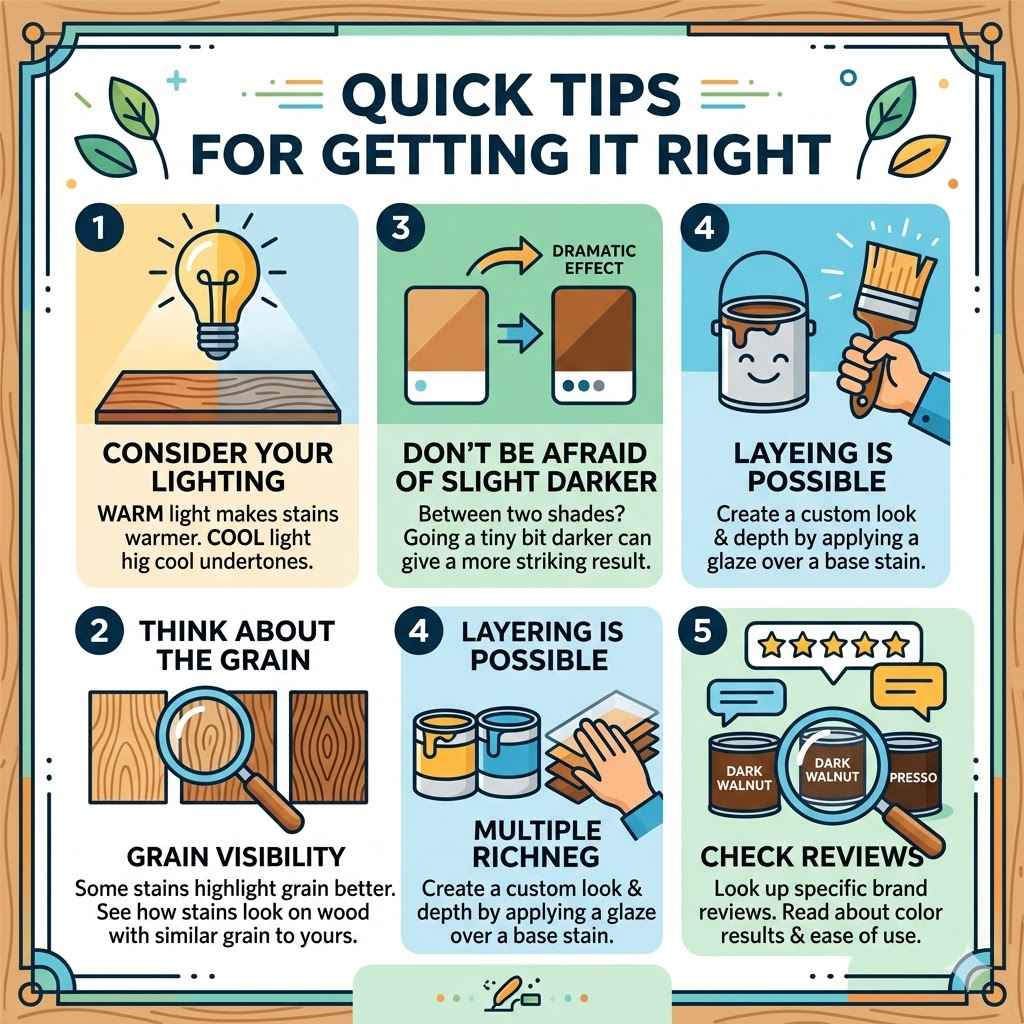
- Consider your lighting: Warm light can make any stain look warmer. Cool light can emphasize cooler undertones.
- Think about the grain: Some stains highlight grain better than others. If you love prominent wood grain, see how each stain looks on similar wood.
- Don’t be afraid of slightly darker: If you’re between two shades, sometimes going a tiny bit darker can give a more dramatic effect.
- Layering is possible: You can sometimes achieve a custom look by applying a glaze over a base stain. This adds depth.
- Check reviews: Look up specific brand names of dark walnut and espresso stains. See what other users say about their color and ease of use.
Frequent Questions About Dark Walnut and Espresso Stain
Is dark walnut stain the same as regular walnut stain?
Not always. “Walnut stain” can refer to a range of shades. Dark walnut specifically aims for the deeper, richer tones found in mature Walnut Wood: A Flavorful Culinary Adventure” href=”https://woodworkingadvisor.com/can-you-cook-with-walnut-wood/” target=”_blank” rel=”noopener” data-wpil-monitor-id=”19898″>walnut wood.
Other walnut stains might be lighter or have different undertones. It’s always best to check the specific product label and do a test patch.
Can I use espresso stain on pine furniture?
Yes, you can use espresso stain on pine. However, pine is a soft wood and can absorb stain unevenly, leading to blotches. It’s highly recommended to use a pre-stain wood conditioner on pine before applying any dark stain, including espresso.
This helps the wood absorb the stain more uniformly for a smoother finish.
How do I make dark walnut stain look more modern?
To make dark walnut look more modern, pair it with contemporary furniture and decor. Use clean lines in your design. Combine it with cool colors like gray, white, or navy.
A matte or satin finish over the stain will also contribute to a more modern feel compared to a high gloss.
Will espresso stain look too black in my room?
Espresso stain can look very dark, sometimes appearing almost black. If you’re concerned about it being too dark, do a test patch and observe it in your room’s lighting. You can also try applying less stain and wiping it off sooner.
Alternatively, consider a very dark brown with warmer undertones, which might read less black.
What are the main undertones for dark walnut stain?
Dark walnut stain typically has warm undertones. These often include hints of red, orange, or yellow. This is what gives it its rich, earthy, and cozy appearance.
It’s these undertones that help distinguish it from cooler, more neutral, or grayish dark stains.
Can I mix stains to get a custom dark color?
Yes, you absolutely can mix stains! This is a great way to achieve a unique color. If you like the warmth of dark walnut but want a bit more depth like espresso, you could experiment with mixing them.
Always test your custom mix on scrap wood first. Keep notes of your ratios for reproducibility.
Conclusion: Your Perfect Dark Wood Awaits
Choosing between dark walnut and espresso stain is about understanding subtle differences. Both offer deep, beautiful color. Dark walnut brings warmth and tradition.
Espresso offers modern sophistication. By considering undertones, wood type, and your home’s style, you can pick the perfect match. Now you’re ready to transform your wood project with a stunning, rich finish.
Happy staining!
Sponsored / affiliate links. As an Amazon Associate I earn from qualifying purchases. I may earn additional commission from eligible campaigns.