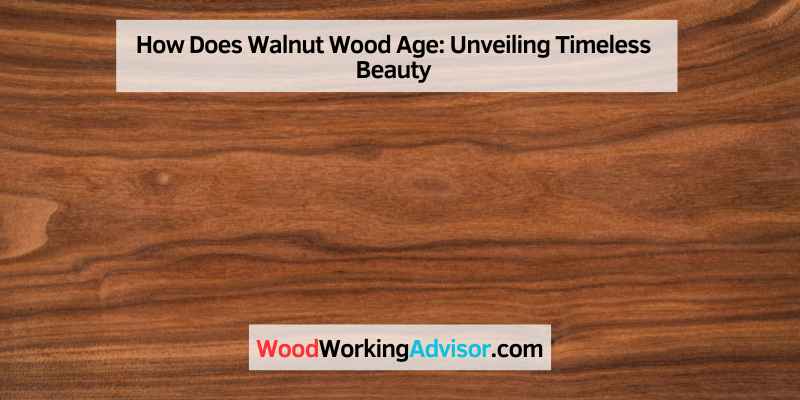
How Does Walnut Wood Age: Unveiling Timeless Beauty
Walnut wood ages through a natural process of oxidation and exposure to light, resulting in a darker and richer color over time. This aging process can take several years, and the wood may develop a beautiful patina with a deeper hue and enhanced grain patterns.
As the wood ages, it also becomes more durable and resistant to wear, making it a popular choice for furniture and flooring. The unique characteristics of walnut wood, including its natural oils and density, contribute to its ability to age gracefully and develop a distinctive appearance.
Whether used in traditional or contemporary designs, aged walnut wood adds warmth and elegance to any space.
The Essence Of Walnut Wood
Walnut wood is renowned for its rich, luxurious appearance and exceptional durability. Its unique characteristics and timeless appeal have made it a popular choice in furniture and interior design. Let’s delve into the essence of walnut wood, exploring its aging process, characteristics, and its prominence in design.
Characteristics
Rich Color: Walnut wood boasts a deep, rich brown color that deepens over time, enhancing its sophisticated allure.
Grain Patterns: Its distinctive grain patterns add intriguing visual texture to furniture and decor.
Durability: Walnut wood is renowned for its hardness and resilience, ensuring longevity in both residential and commercial settings.
Popularity In Design
Timeless Elegance: The timeless elegance of walnut wood has secured its place as a coveted material in luxury furniture and interior design.
Versatility: Its versatility allows it to complement a wide range of design styles, from traditional to modern, adding a touch of sophistication to any space.
Warmth and Depth: The warmth and depth of walnut wood infuse spaces with a sense of luxury and refinement, making it a popular choice among discerning designers and homeowners.
Initial Appearance
When freshly cut, walnut wood displays a rich and lustrous appearance that sets it apart from other types of wood. The initial appearance of walnut wood can be attributed to its distinct color, texture, and grain patterns.
Color And Texture
The color of walnut wood ranges from a light pale brown to a dark chocolate brown, often with purple or reddish undertones. The texture is generally fine and uniform, with a smooth surface that showcases the wood’s natural beauty.
Grain Patterns
Walnut wood is renowned for its striking grain patterns, which can vary from straight to wavy or even curly. The grain often features intricate swirls and knots, adding character and visual interest to the wood.
Aging Process Of Walnut Wood
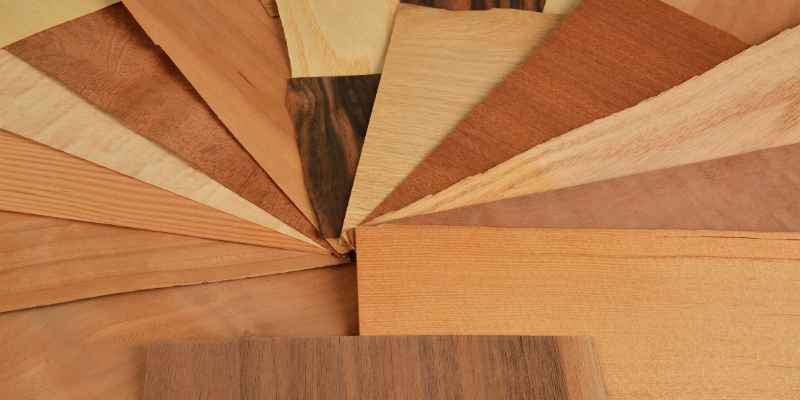
When it comes to woodworking, walnut wood is highly prized for its beautiful color and rich grain patterns. Over time, walnut wood undergoes an aging process that further enhances its appearance and character.
Factors Influencing Aging
Several factors influence the aging process of walnut wood. These include exposure to light, humidity levels, and the quality of the finish applied to the wood.
Changes Over Time
Walnut wood darkens and develops a rich patina as it ages. The grain patterns become more pronounced, and the color deepens to a rich, chocolate brown.
Color Transformation
Walnut wood is known for its beautiful, rich, and warm color that adds elegance and charm to any space. However, over time, the color of walnut wood changes due to various natural and artificial factors. One of the most significant transformations that walnut wood undergoes with time is the color transformation.
Light Exposure Effects
Light exposure is one of the most significant factors that affect the color transformation of walnut wood. When walnut wood is exposed to sunlight or artificial light, it tends to change its color and become lighter. The amount of light exposure determines the degree of color transformation of walnut wood.
The ultraviolet rays present in sunlight tend to cause the lignin present in walnut wood to break down, which results in lightening of the wood’s color. This effect is more prominent in the sapwood region of the walnut wood as compared to the heartwood region.
Natural Darkening
Over time, walnut wood undergoes a natural darkening process that results in a richer, deeper color. This natural darkening process occurs due to the oxidation of the wood’s tannins and other natural compounds present in it. The longer the walnut wood is exposed to air and sunlight, the darker its color becomes.
The natural darkening of walnut wood is more prominent in the heartwood region as compared to the sapwood region. This is because the heartwood region contains a higher concentration of tannins and other natural compounds, which are responsible for the wood’s darkening process.
In addition to light exposure and natural darkening, various other factors such as humidity, temperature, and chemicals also affect the color transformation of walnut wood. Therefore, it is essential to take proper care of walnut wood to maintain its beautiful color and appearance over time.
Texture And Durability
Walnut wood develops a rich patina over time, enhancing its natural beauty.
Maintaining Surface Integrity
Regularly cleaning and polishing walnut wood can help preserve its texture.
Resistance To Wear And Tear
Walnut wood is inherently durable, standing up well to daily use.
Caring For Aged Walnut Wood
Walnut wood ages beautifully, with its color deepening over time. To care for aged walnut wood, avoid exposing it to direct sunlight and moisture. Regularly clean with a soft cloth and apply furniture polish to maintain its shine.
Walnut wood is a popular choice for furniture due to its natural beauty and durability. As with all wood, walnut changes over time as it ages. However, with proper care and maintenance, aged walnut wood can retain its stunning appearance for many years to come. In this section, we will discuss some cleaning tips and preservation techniques that will help you care for your aged walnut wood furniture.
Cleaning Tips
Regular cleaning is essential to keep your aged walnut wood looking its best. Here are some cleaning tips to follow:
- Use a soft, damp cloth to wipe the surface of the wood.
- Avoid using harsh chemicals or abrasive cleaners that can damage the wood.
- Do not use water excessively, as it can cause the wood to warp or crack.
- For tough stains, use a mild soap solution and a soft-bristled brush.
- Always wipe the wood dry after cleaning to prevent water damage.
Preservation Techniques
Preservation is key to maintaining the natural beauty of aged walnut wood. Here are some preservation techniques that will help you keep your furniture looking its best:
- Apply a protective coating of wax or oil to the wood surface to prevent moisture damage and preserve the natural color.
- Keep the wood away from direct sunlight and heat sources, as they can cause fading and warping.
- Use coasters and placemats to protect the wood from scratches and stains.
- Regularly inspect the wood for signs of damage or wear and repair any issues promptly.
In conclusion, caring for aged walnut wood requires regular cleaning and preservation techniques. By following these tips, you can ensure that your furniture retains its natural beauty and lasts for many years to come.
Walnut Wood In Antique Furniture
Walnut wood in antique furniture exhibits a rich patina, deepening with time, adding character and warmth. Its natural aging process enhances the wood’s beauty, creating a timeless appeal that is highly sought after in vintage pieces.
Historically, walnut wood has been a popular choice for crafting antique furniture due to its durability and aesthetic appeal.
Historical Significance
In the realm of antique furniture, walnut wood holds a storied past.
Value Over Time
Walnut wood in antique furniture appreciates in value as it ages.
Sustainability And Walnut Wood
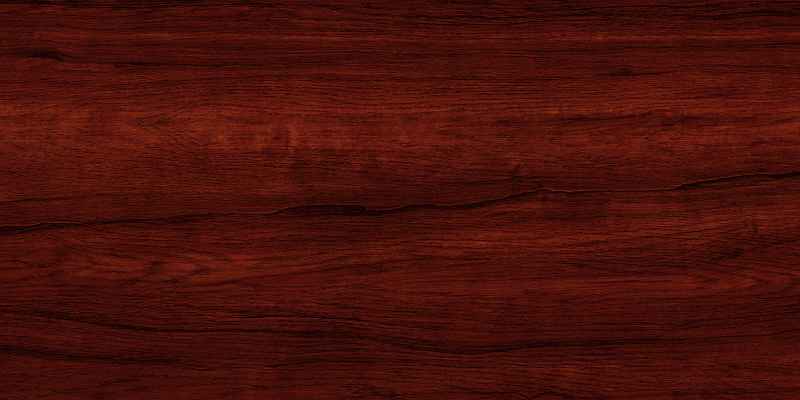
As walnut wood ages, it develops a natural patina that enhances its beauty and durability. This makes it a great sustainable option for furniture and other wood products, as it can last for generations with proper care. Its rich, warm tones also lend a timeless elegance to any space.
Environmental Impact
Walnut wood is known for its sustainable characteristics.
It is a renewable resource that grows naturally and requires minimal maintenance.
Sourcing Practices
The sourcing of walnut wood is crucial to maintaining its sustainability.
Harvesting practices should be controlled to prevent overexploitation.
Frequently Asked Questions
How Does Walnut Wood Age?
Walnut wood ages naturally over time, acquiring a rich and deep patina. As it ages, the wood darkens and develops a warm, golden-brown hue. This aging process enhances the beauty and character of walnut wood, making it highly sought after for furniture and decorative items.
Conclusion
Understanding how walnut wood ages can enhance its beauty and value over time. By grasping the natural processes involved, we can better care for and appreciate walnut wood furniture and items. Embracing the changes that occur can lead to a deeper connection with this timeless and elegant material.