How Heavy is a Cord of Firewood: Essential Weight Guide
A cord of firewood typically weighs around 2,000 to 3,000 pounds. The weight varies depending on the type of wood and its moisture content.
Firewood is essential for heating homes and creating cozy atmospheres. Knowing the weight of a cord is important for transport and storage. Different types of wood, like oak or pine, have varying densities. This affects how heavy the cord will be.
Wet wood is heavier than dry wood because it contains more moisture. Understanding these factors helps in planning and managing your firewood needs. In this blog, we will explore the details affecting the weight of a cord of firewood. This will help you make informed decisions for your firewood requirements.
Introduction To Firewood Measurement
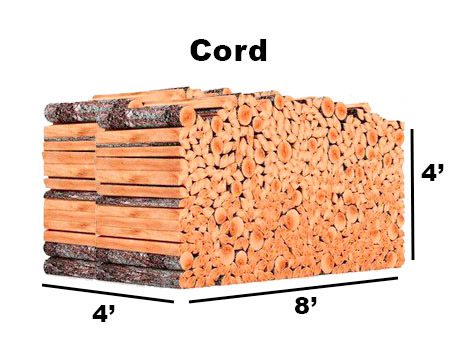
Firewood is often measured in cords. A cord is a large amount of wood. It is usually 128 cubic feet. This is about 4 feet high, 4 feet wide, and 8 feet long. Measuring firewood correctly is very important. Using the right amount can help in saving money and ensuring safety.
Using the correct measurements ensures you get the right amount of wood. It also helps in planning for winter needs. Accurate measurement prevents overcharging and ensures fairness. Correctly measured wood burns better and more efficiently. It also reduces waste and helps in proper storage.
| Unit | Description |
|---|---|
| Cord | 128 cubic feet of wood |
| Face Cord | 1/3 of a full cord |
| Rick | Another term for face cord |
| Bundle | Small amount, usually for camping |

Credit: www.northlineexpress.com
Understanding A Cord
A cord is a unit to measure firewood. It is a stack of wood. The stack measures 4 feet high, 4 feet wide, and 8 feet long. This equals to 128 cubic feet. Firewood is neatly stacked to fill this space.
The dimensions of a cord are 4x4x8 feet. This means it can hold 128 cubic feet of wood. Cords are useful for measuring large amounts of firewood.
Factors Affecting Firewood Weight
Different wood species have different weights. Oak is heavy. Pine is light. Oak wood is dense. Pine wood is not dense. This affects the weight of a cord. Oak cords weigh more than pine cords.
Moisture content changes the weight of firewood. Wet wood is heavier. Dry wood is lighter. Freshly cut wood has more water. Seasoned wood has less water. This makes seasoned wood lighter. The moisture level affects the total weight of a cord.
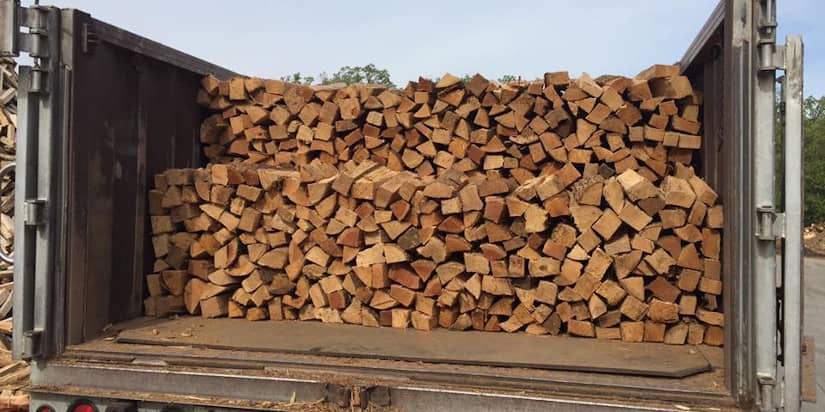
Credit: lumberjax.com
Average Weight Of A Cord
A cord of firewood typically weighs around 2,000 to 3,000 pounds. The exact weight depends on the type of wood and its moisture content. Dry hardwoods weigh more than softwoods.
Hardwood Vs Softwood
A cord of hardwood is heavier than softwood. Hardwood types like oak and maple weigh around 4000 pounds per cord. Softwood types like pine and spruce weigh less, about 2000 pounds per cord. This makes hardwood better for long-lasting fires. Softwood burns faster and produces less heat.
Green Vs Seasoned Wood
Green wood has more water content. It is heavier than seasoned wood. A cord of green wood can weigh up to 5000 pounds. Seasoned wood is dry and lighter. It weighs about 3000 pounds per cord. Burning seasoned wood gives more heat. Green wood creates more smoke and less heat.
Calculating Firewood Weight
A cord of firewood typically weighs between 2,500 and 5,000 pounds. Weight varies based on wood type and moisture content. For example, oak is heavier than pine.
Weight By Wood Type
A cord of firewood’s weight changes with wood type. Hardwoods like oak or maple are heavier. They weigh around 2,500 to 3,000 pounds per cord. Softwoods like pine or spruce are lighter. They usually weigh 1,500 to 2,000 pounds per cord. Wood moisture also affects weight. Green wood is heavier because of water content. Seasoned wood is drier and lighter.
Estimating Weight At Home
You can estimate firewood weight at home. First, know the wood type. Then, find its average weight per cord. Use a bathroom scale for small amounts. Weigh yourself alone. Next, weigh yourself holding the firewood. Subtract your weight from the total. This gives the firewood’s weight. For larger amounts, use a truck scale. Load the wood onto the truck. Weigh the truck with and without the wood. Subtract the truck’s weight to find the wood’s weight.
Storing Firewood
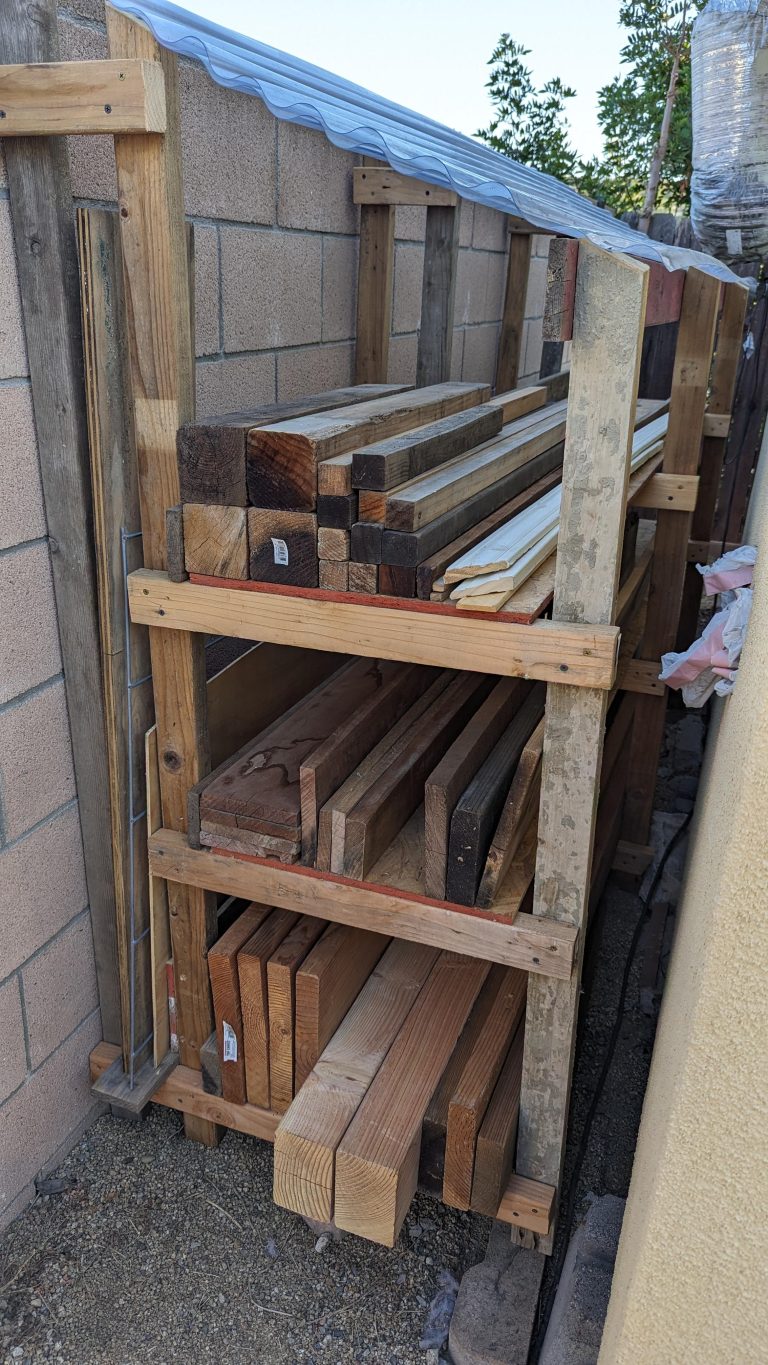
Store firewood in a dry place. Keep it off the ground. Use a rack or pallets. This stops moisture from getting in. Split logs into smaller pieces. They dry faster and burn better. Stack wood in a crisscross pattern. This lets air flow through. Cover the top with a tarp or shed. Leave the sides open for air.
Moisture makes firewood heavier. Dry wood weighs less. Wet wood can weigh twice as much. Wood type also matters. Oak is heavier than pine. Proper storage keeps wood dry. Dry wood burns hotter and cleaner. Wet wood produces more smoke. It also takes more time to light. Dry wood is best for burning.
Transporting Firewood
Use gloves to protect your hands. Gloves help you grip the wood better. Bend your knees when lifting to avoid back injury. Lifting with your back straight is safer. Never try to carry too much at once. Small loads are easier to handle. Always check for splinters and nails. These can cause injury. Wear long sleeves and sturdy shoes for extra protection.
Choose a vehicle with a strong bed. Trucks are best for heavy loads. Make sure the tires are in good shape. Tires must handle the extra weight. Secure the firewood with ropes or straps. Loose wood can fall and cause accidents. Cover the load with a tarp. Tarps keep the wood dry and in place. Avoid overloading your vehicle. Too much weight can damage it.
Environmental And Legal Considerations
Understanding the weight of a cord of firewood is vital. It impacts transportation regulations and environmental responsibilities. This knowledge ensures compliance with legal standards.
Sustainable Sourcing
It’s crucial to source firewood sustainably. This means selecting wood from well-managed forests. Using dead or fallen trees helps avoid harming living ones. Sustainable practices help protect forests for future generations. Always check if the firewood is certified by a recognized organization. Certification ensures the wood meets eco-friendly standards. This protects our environment.
Local Regulations
Every region has its own rules for firewood. Some areas require a permit to cut or collect wood. This ensures people do not overharvest. Transporting firewood across state lines can also be regulated. These rules help stop the spread of pests and diseases. Always check local laws before collecting or buying firewood. Following these rules protects forests and communities.
Credit: www.reddit.com
Frequently Asked Questions
What Is The Weight Of A Cord Of Firewood?
A cord of firewood typically weighs between 2,000 to 3,000 pounds. The exact weight depends on the wood type and moisture content.
How Many Pieces Are In A Cord Of Firewood?
A cord of firewood usually contains around 600 to 800 pieces. The exact number varies based on the wood’s size and type.
How Much Space Does A Cord Of Firewood Take?
A cord of firewood occupies a space of 128 cubic feet. This is typically arranged in a stack measuring 4 feet high by 4 feet wide by 8 feet long.
Does Wood Type Affect The Weight Of A Cord?
Yes, wood type significantly affects the weight of a cord. Hardwood like oak is heavier than softwood like pine.
Conclusion
Understanding the weight of a cord of firewood is essential. It helps in planning storage and transport. Dry hardwoods usually weigh more than softwoods. Always consider moisture content. Wet wood weighs more and burns less efficiently. Properly stacking wood also impacts its weight.
Make sure to store wood in a dry place. This ensures it stays lightweight and burns well. Knowing these details makes handling firewood easier. Now, you can make informed decisions for your firewood needs. Happy burning!