Awl Tool: What It Is, 5 Types and Uses (Scratch vs Bradawl)
An awl is a hand-held steel point for scribing layout lines, spotting drill centers, and starting small screw holes in wood. Scratch awls mark, bradawls and birdcage awls cut starter holes, and stitching awls pierce leather. Pick the wrong one and the line smears or the board splits. This guide covers the five common types, how to use each, and how an awl differs from a bradawl and a center punch.
See our full guide to wood cleaning, repair & protection.
Quick Answer
An awl tool is used to scribe marking lines, mark drill centers, start screw holes, and pierce leather. For woodworking, a scratch awl handles marking and scribing, while a bradawl or birdcage awl handles starter holes. Stitching awls are for leatherwork and canvas repair.
What Is an Awl Tool?
Best Scratch Awl Pick
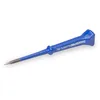 |
DASCO PRO 7 Inch Scratch Awl ($9.99) A one-piece drop-forged 7 inch scratch awl that covers the scribing and center-marking jobs described in this guide.
|
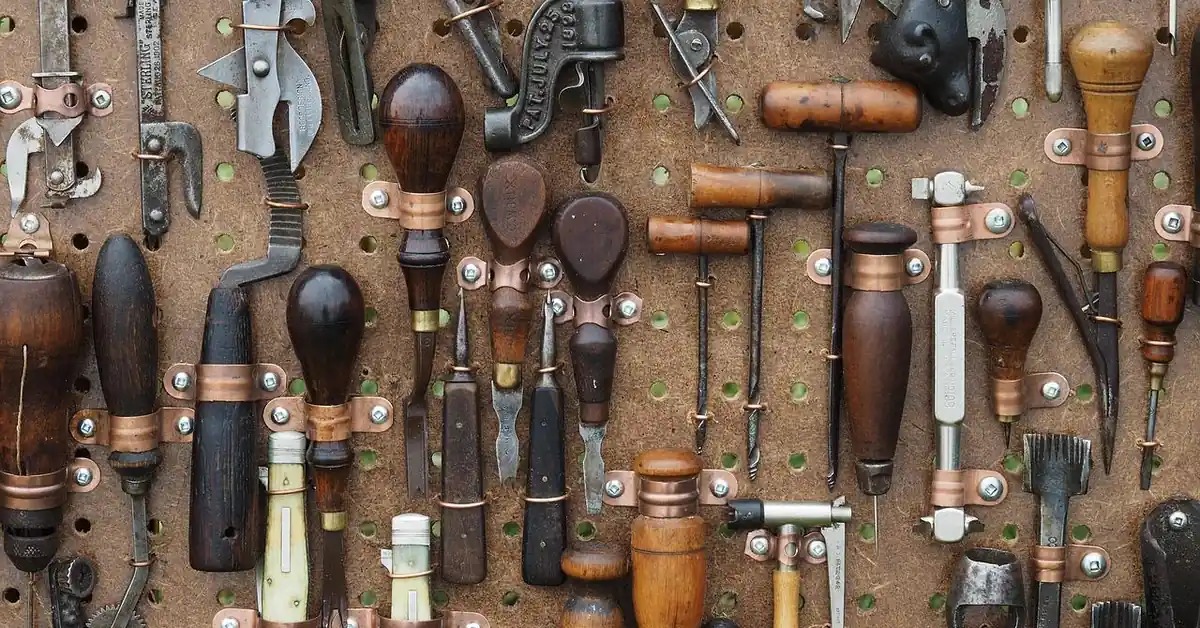
An awl is a hand tool made of a sharp steel point set in a handle, used to pierce, mark, or start holes in wood, leather, and light metal. Awls are among the oldest hand tools, and they remain standard in woodworking and leatherworking because they work with no power and no setup.
The main advantage over a drill for hole-starting is control: an awl leaves a small indentation that guides a screw or drill bit exactly where you want it, so the bit does not skate across the surface. Woodworking suppliers describe the same job. According to Lee Valley, awls are typically used for marking and starting holes for drill bits in wood and for scratching layout lines in wood, plastic, or metal.
Types of Awl Tools and Their Uses
There are five common awls, and the tip profile decides what each one is good for. In woodworking, Popular Woodworking’s Paul Sellers splits them into two families: piercing awls (sometimes called brad awls), which pierce wood, and scratch awls (also called marking awls), which lay out projects and joints.
| Type | Tip Shape | Primary Use | Best For |
|---|---|---|---|
| Scratch Awl | Round tapered point | Scribing layout lines, marking hole centers | Woodworking, metalwork |
| Bradawl | Flat chisel-like blade | Starter holes for small screws and nails | Softwood, trim, carpentry |
| Birdcage Awl | Square blade, sharp where the sides meet | Marking drill centers and boring starter holes | Hardwoods, general bench use |
| Stitching (Sewing) Awl | Round point, sewing versions carry a needle | Piercing and hand-sewing thick materials | Leather, canvas, upholstery |
| Diamond Awl | 4-sided diamond tip | Punching slits in leather | Leatherworking, saddle repair |
Scratch Awl (Scribing Awl)
A scratch awl has a round, tapered steel point that is dragged across a surface to leave a shallow scribed groove. In woodworking, it marks cut lines before sawing or chiseling: the groove gives a saw or chisel edge something to sit in so it does not wander off the line. You can also press the point into the surface with palm pressure to make a dimple for a drill bit. A typical bench model is the Lee Valley Scratch Awl, which has a 5 inch tapered blade in a 3 inch hardwood handle with two flats so it does not roll off the bench.
Bradawl
A bradawl has a flat, chisel-shaped end rather than a round point. Set the chisel edge across the grain, press down, and twist it back and forth a quarter turn. The edge cuts through the fibers instead of wedging them apart, which is why a bradawl is less likely to split the wood than a round point when you work near an edge. It is the traditional tool for starting nail and small screw holes in softwood, trim, and cabinet work.
Birdcage Awl
A birdcage awl has a square blade with sharp edges where the sides meet, and it sits between the scratch awl and the bradawl. Lee Valley describes its Czech-made birdcage awl as useful for marking drill centers and quickly boring holes, even though the name comes from birdcage making. The Narex version sold on Amazon has a 3-1/2 inch high-carbon steel blade in a 2-1/2 inch beech handle, and its listing says it suits pre-drilling for screws and general mark-out work in hardwoods.
Stitching Awl
A stitching awl pierces holes through leather, canvas, or upholstery so a needle and waxed thread can pass through. Sewing awls, such as the Speedy Stitcher style, hold a spool of thread and a grooved needle so you can lock-stitch thick material by hand. They are used for repairing boots, bags, tents, and boat canvas where a sewing machine will not fit.
Diamond Awl
A diamond awl has a four-sided, diamond-shaped tip that cuts a narrow slit rather than a round hole. The slit closes around the thread after stitching, giving a tighter seam than a round hole. Diamond awls are specialty leatherworking tools. For leather and bookbinding detail, see our separate guide on what an awl does in leathercraft and bookbinding.
Basic Awl Tool Uses
Across woodworking and leatherworking, awls perform five core jobs:
- Starter holes for screws and nails: A bradawl or birdcage awl leaves a guide hole so a screw tip does not slip, and the cutting edge lowers the risk of splitting near edges and corners.
- Scribing layout lines: A scratch awl scores a clean, visible groove along a straightedge, giving a saw or chisel a precise path to follow.
- Marking hole centers: Press the point into the material at the marked center to make a divot that anchors a drill bit, which matters most on smooth or slippery surfaces.
- Piercing leather and canvas: A stitching or diamond awl punches holes through thick material without tearing it, giving a base for hand stitching.
- Transferring patterns: A scratch awl traces a paper template onto wood, leaving a fine groove on the workpiece.
How to Use an Awl Tool
- Mark your starting point: Use a pencil, marking knife, or ruler to show exactly where the hole or line should go.
- Position the tip: Place the awl point on the mark. For a bradawl, orient the chisel edge across the wood grain.
- Apply downward pressure: Press with the palm of your dominant hand while gripping the handle. Softwood needs only hand pressure; in hardwood or metal, a light tap with the heel of your palm helps seat the tip.
- Twist to cut (bradawl and birdcage awl): Rotate the handle back and forth a quarter turn while keeping the pressure on, so the edges cut the fibers.
- Check the depth: The dimple only needs to be deep enough to hold the screw tip or drill bit in place. Deepen it if the tip still slides.
- Drive the screw or drill bit: Set the tip in the hole and drive straight in. For hardwood or larger screws, follow the awl mark with a proper pilot hole (see our guide to drilling properly).
Awl vs Bradawl vs Center Punch: Which One Do You Need?
The names overlap, which is why people search for all three. In British usage, bradawl is the hole-starter. In American woodworking, awl usually means the scratch awl. A center punch is a different tool again: you strike it with a hammer, while an awl is pushed by hand.
| Tool | How it works | Struck with a hammer? | Best job |
|---|---|---|---|
| Scratch awl | Round taper, dragged or pressed | No | Scribing lines, spotting drill centers in wood |
| Bradawl | Chisel edge cuts across the fibers | No | Small screw and brad starter holes in softwood and trim |
| Birdcage awl | Square blade, four cutting edges | No | Marking centers and boring starter holes in one tool |
| Center punch | Hardened conical tip, driven by a hammer | Yes | Dimpling metal so a drill bit does not walk |
A common myth: any awl will start a screw hole. A round scratch awl pushes the fibers aside like a nail, which is fine for a dimple but can wedge the grain apart next to an edge in dry hardwood. A cutting profile, meaning a bradawl or birdcage awl, is the better choice for a starter hole. And an awl hole is a locator, not a pilot hole: in hardwood or with larger screws it only tells the drill bit where to go.
Awl Specs Compared: Blade Length, Steel and Price
Most awl pages describe types and skip the numbers. These are the specs the makers and listings publish for four common woodworking awls.
| Awl | Type | Blade / size | Steel and handle |
|---|---|---|---|
| Lee Valley Scratch Awl | Scratch | 5 in tapered blade, 3 in handle | High-carbon steel hardened to Rc55, hardwood handle with two flats |
| Veritas scratch awls | Scratch | Small and large models | Removable, replaceable hardened A2 steel points, maple handle |
| Narex Birdcage Awl 874710 | Birdcage | 3-1/2 in blade, 2-1/2 in handle | High-carbon tool steel, stained beech handle, steel ferrule ($15.67 on Amazon) |
| DASCO PRO scratch awl | Scratch | 7 in overall length | One-piece drop-forged construction ($9.99 on Amazon) |
Rc55 hardness: Lee Valley hardens the blade of its scratch awl to Rc55, so it holds a point through regular marking. Source: Lee Valley Tools product page
Choosing The Right Awl Tool
For general woodworking, start with a scratch awl for marking and scribing and add a bradawl or birdcage awl if you drive many small screws by hand. Look for a handle you can push on with your palm and a blade that runs through the handle rather than a tip that is only glued in.
If you work with leather or canvas, add a stitching awl. A diamond awl is only needed for saddle-making and fine leatherwork.
Maintaining Awl Tools
Keep the tip sharp: a dull awl needs more force and leaves ragged holes. Touch up a scratch awl or bradawl on a fine whetstone or leather strop, keeping the original taper. Store awls point-down in a tool roll or with a cork over the tip to protect the edge and your hands.
Safety Tips
Proper Usage
Push the awl away from your body and never toward your free hand. Clamp or vise the workpiece, since a piece that shifts under pressure can redirect the tip. When piercing leather or canvas, put a scrap board underneath so the tip has somewhere to go once it breaks through. Never use an awl as a pry bar or screwdriver: the steel is hardened for point pressure, and a hardened tip can snap sideways.
Protective Gear
Wear safety glasses when using an awl on brittle material such as hard plastic, where small chips can fly. Store awls with the point capped and out of children’s reach.
Awl Tool Alternatives
For starter holes in soft wood, a finish nail or a small drill bit does a similar job. For hole centers in metal, a center punch struck with a hammer is more accurate than an awl. For long layout lines, a marking knife cuts a finer, deeper line than a scratch awl, which is why many dovetail cutters use one (see how to cut dovetail joints by hand). If you have none of these, making a hole in wood without a drill covers other options. For a short definition of the tool itself, see what an awl is.
Frequently Asked Questions About Awl Tools
What Is An Awl Tool Used For?
An awl tool is used for making starter holes for screws and nails, scribing layout lines on wood and metal, marking drill hole centers, and piercing leather or canvas for hand sewing. The scratch awl handles marking tasks, while the bradawl and birdcage awl handle hole-starting in wood. For leatherwork, a stitching awl or diamond awl is used.
What Is the Difference Between a Scratch Awl and a Bradawl?
A scratch awl has a round, tapered point used for scribing lines and marking surfaces. A bradawl has a flat, chisel-shaped end used for making starter holes in wood. The flat edge cuts across the grain and severs fibers rather than wedging them apart, which lowers the risk of cracking near edges. For marking, use a scratch awl. For starter holes, use a bradawl.
Can An Awl Be Used For Sewing?
Yes. A stitching awl pierces thick materials like leather and canvas so you can hand-sew them, and sewing awls also carry a needle and thread spool to make a lock stitch. They are commonly used for repairing boots, bags, tents, and boat canvas.
Is An Awl Tool Necessary For Woodworking?
A scratch awl is not strictly required, but it improves accuracy. A scribed groove is thinner and more precise than a pencil line, and it gives a saw or chisel something to register against. A bradawl or birdcage awl is handy for starting small screws by hand near edges. Many woodworkers keep one of each on the bench.
How Do You Use An Awl Tool Safely?
Push the awl away from your body, never toward your free hand. Secure the workpiece before starting. Put a scrap board under leather and canvas before piercing. Never apply sideways force to the tip, and store awls with a cork or cap over the point.
What Is the Difference Between an Awl and an Ice Pick?
An ice pick has a thicker shaft built to chip ice, while a scratch awl has a finer, precisely ground tip for marking and light piercing. An ice pick will leave ragged marks on wood, and an awl can bend or snap if it is struck or levered like an ice pick.
What Is the Difference Between an Awl and a Center Punch?
An awl is pushed by hand and works in wood and soft materials, while a center punch is struck with a hammer to dimple metal. Use a center punch for metal drilling and an awl for wood layout and starter holes.
Conclusion
An awl is one of the simplest tools on the bench, but it does a few jobs better than a power tool: scribing a fine line, spotting a drill center, and starting a small screw by hand. A scratch awl for marking, a bradawl or birdcage awl for starter holes, and a stitching awl for leather cover nearly every use. Keep the tip sharp, secure the work, and an awl will last for decades.
Sponsored / affiliate links. As an Amazon Associate I earn from qualifying purchases. I may earn additional commission from eligible campaigns.