Can You Put Epoxy Over Urethane? Yes, But You’re Going the Harder Direction
Yes, you can put epoxy over cured urethane, but you’re going against the standard direction — most coating systems put urethane over epoxy (as a UV-resistant topcoat on a garage floor, for example), not the reverse, because epoxy alone yellows and chalks under UV exposure while cured urethane doesn’t give epoxy much to grip onto. It’s doable, it just needs real surface prep that a lot of guides skip over.
Why This Is the Harder Direction
Required Before Any Epoxy Goes On
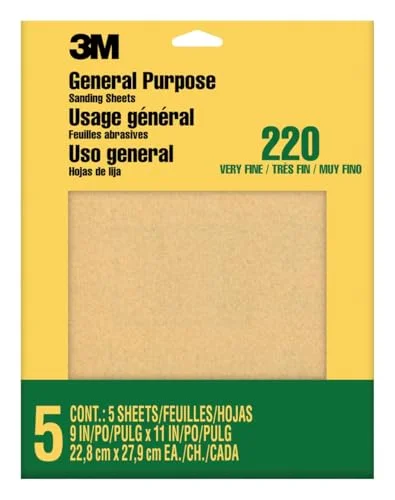 |
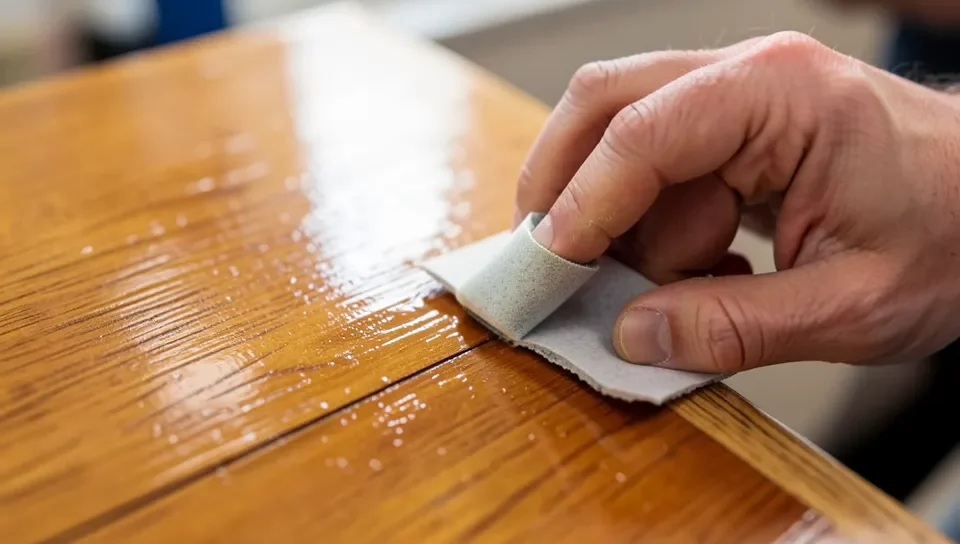
3M 220 Grit Sandpaper, 5-Sheet Pack – $5.33 The whole cured urethane surface needs a uniform scuff-sand, not a light pass, before epoxy has anything to grip.
|
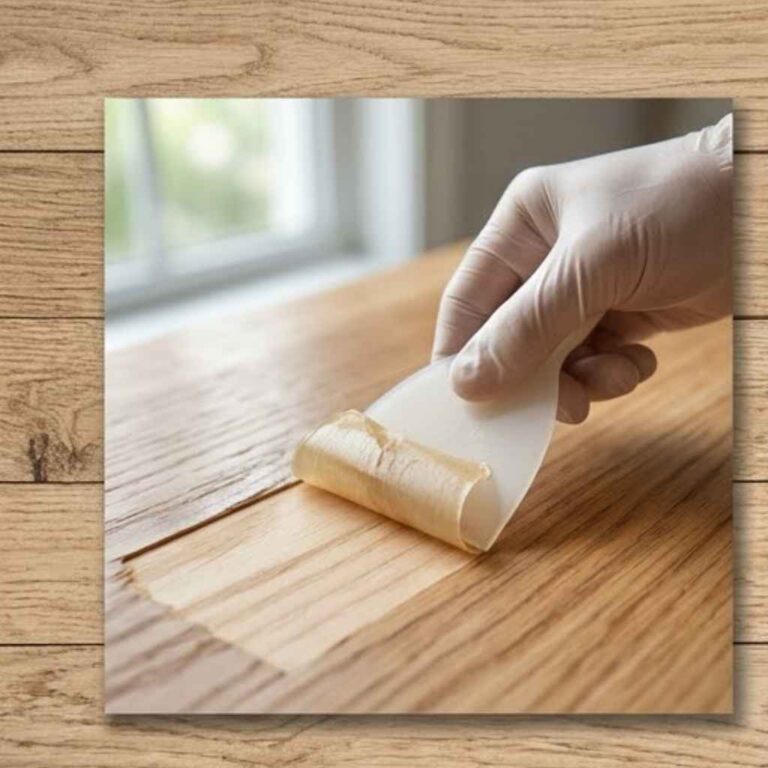
Cured polyurethane forms a smooth, often somewhat flexible film that epoxy bonds to mechanically, not chemically — there’s no chemical reaction between the two coatings the way there is between compatible epoxy coats layered on each other. Without heavy, uniform sanding across the entire surface (220 grit until the sheen is fully dulled everywhere, no glossy spots left), epoxy applied directly over cured urethane can peel, fisheye, or delaminate in patches, sometimes not until weeks after it looked fine at application.
When Stripping to Bare Substrate Is the Better Call
For a large pour-on epoxy project (a tabletop coating or a floor system), stripping the old urethane down to bare wood or bare concrete is often more reliable than sanding and coating over it, since epoxy’s self-leveling pour depends on a genuinely uniform, well-bonded substrate underneath — any weak spot in the old urethane bond becomes a weak spot under the epoxy too. For a smaller touch-up or a spot repair, sanding and coating over existing urethane is a reasonable shortcut; for a full tabletop or floor epoxy pour meant to last, stripping first removes the risk of the old coating failing underneath the new one.
Oil-Based vs. Water-Based Urethane Matters Here Too
Confirming whether the existing urethane is oil-based or water-based matters for epoxy compatibility the same way it matters for a poly-over-poly recoat — some epoxy formulas bond more reliably over one type than the other, and manufacturer compatibility data (check the specific epoxy product’s technical sheet) is worth checking rather than assuming any epoxy works over any cured urethane. When in doubt, a small test patch in an inconspicuous area, left to cure fully before judging adhesion, is cheap insurance against finding out on the whole surface that it didn’t bond.
Confirming the Existing Finish Is Actually Urethane
Before assuming a glossy existing finish is urethane at all, a quick solvent test in a hidden spot confirms it: dab denatured alcohol on the surface (shellac softens), then try lacquer thinner if it didn’t (lacquer softens). A finish that resists both is polyurethane or a similar catalyzed finish. This matters because shellac and lacquer take a fresh coat of compatible material far more easily than polyurethane does, and assuming polyurethane when the finish is actually something else leads to unnecessary heavy sanding that a simpler recoat process wouldn’t have required.
Cure Time and Ventilation Before Committing
Most epoxy systems need the existing urethane fully cured, not just dry to the touch, before sanding and coating over it — sanding into a urethane that’s still off-gassing or not fully hardened can trap solvent under the new epoxy layer, causing bubbling or a soft spot that never fully cures. Epoxy itself also needs real ventilation during application and cure, more so than water-based finishes, so plan for a well-ventilated space and the epoxy product’s specified full-cure time (often 3-7 days for full hardness) before subjecting the surface to real use.
Frequently Asked Questions
Do I need to sand urethane before applying epoxy over it?
Yes, the entire surface needs a uniform 220-grit scuff-sand until fully dulled. Epoxy bonds mechanically to cured urethane, not chemically, so a missed glossy spot is a real adhesion failure point.
Is it better to put epoxy over urethane, or urethane over epoxy?
Urethane over epoxy is the standard, more reliable direction (used for UV-protective topcoats on epoxy floors). Epoxy over cured urethane works but needs more prep and carries more adhesion risk.
Should I strip old urethane before a big epoxy pour?
For a full tabletop or floor epoxy project, yes — stripping to bare substrate avoids the old coating’s bond becoming a hidden weak point under the new epoxy. For a small touch-up, sanding and coating over it is a reasonable shortcut.
How do I know if my old finish is really urethane?
Test with denatured alcohol then lacquer thinner in a hidden spot. Shellac softens under alcohol, lacquer softens under lacquer thinner, and urethane resists both.
Conclusion
Epoxy over cured urethane works, but it’s the reverse of standard practice and depends entirely on prep most guides gloss over: a full, uniform scuff-sand, confirmed compatibility between oil- and water-based formulas, and a test patch before committing the whole surface. For a large or permanent project, stripping to bare substrate first is the more reliable path.
Sponsored / affiliate links. As an Amazon Associate I earn from qualifying purchases. I may earn additional commission from eligible campaigns.