How Long Does It Take for Wood to Decompose Underground: Insights
Have you ever wondered what happens to wood buried beneath the ground? It’s a fascinating topic that touches on the mysteries of nature and the unseen processes that quietly unfold beneath our feet.
When you think about wood decomposing, you might picture fallen logs slowly rotting on the forest floor. But what about wood that finds itself underground? How long does it take to decompose there? Understanding this can help you appreciate the intricate balance of ecosystems and even aid you in your gardening or landscaping projects.
You might be surprised to learn how various factors like soil composition, moisture, and the type of wood can drastically alter the decomposition timeline. Curious to know more? Dive into this article where we’ll explore these factors, revealing the hidden world of underground wood decomposition that you never knew you needed to understand. By the end, you’ll not only satisfy your curiosity but also gain insights that might change the way you think about the environment around you.

Credit: www.cnmonument.com
Factors Affecting Wood Decomposition
Soil has many parts. Some are sand, clay, and silt. Each part affects how wood breaks down. Sandy soil drains quickly. Clay holds water well. Silt is in between. The mix of these parts changes the speed of decay. Rich soil helps microbes grow. More microbes mean faster decomposition.
Water in soil is vital. Wet soil speeds up decay. Dry soil slows it down. Wood needs moisture to rot. Too much water can suffocate microbes. Balance is key. Proper moisture keeps the decay process steady.
Heat affects wood breakdown. Warm temperatures help microbes work. Cold slows them down. Extreme heat can stop decay. The right warmth speeds up the process. Seasonal changes impact decomposition rates.
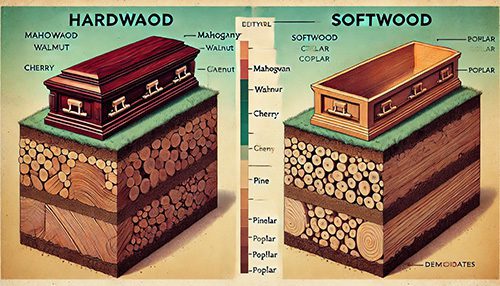
Different wood types decay differently. Softwoods break down fast. Hardwoods take longer. Dense wood resists decay. Light wood decomposes quickly. Wood density plays a big role. The type of wood affects the speed of decomposition.
Biological Agents In Decomposition
Microorganisms play a vital role in breaking down wood. They eat the wood, turning it into smaller pieces. Bacteria and fungi are the main helpers here. Without them, wood would stay around for a long time. These tiny creatures work day and night. They never stop, not even for a nap. By doing this, they help the environment stay clean. Wood becomes nutrients for the soil. Plants use these nutrients to grow strong and healthy.
Insects and fungi also help in wood decomposition. Termites and beetles love to chew on wood. They break it down into small bits. Fungi grow on the wood, helping it to rot. This makes the wood soft and easy to break. Together, insects and fungi do a big job. They turn hard wood into soft soil. This helps new plants grow better. Nature uses them to keep the cycle going.
Stages Of Wood Decomposition
In the first stage, wood begins to break down. Bacteria and fungi start the process. They feed on the wood’s surface. The outer layer becomes soft and weak. Moisture and oxygen help this stage. It can last several weeks to months.
Wood continues to decay more deeply. Insects and worms join the process. They eat the wood and make it hollow. The wood’s color changes to dark brown. This stage can last up to a few years. Temperature and humidity speed up or slow down decay.
In the final stage, wood turns into soil. Microbes and earthworms finish the work. They break down the last pieces. Wood becomes part of the earth again. Nutrients from the wood enrich the soil. This stage can take many years.

Credit: www.researchgate.net
Timeframes For Wood Decomposition
Some wood can decompose fast. Softwood breaks down in 1 to 5 years. This is because it has less density. Bugs and fungi help in the process. Rain and soil type also matter. Wet soil speeds up decay. Dry soil slows it down.
Hardwood takes longer to rot. It can last 10 to 15 years or more. Hardwood is dense. This makes it strong against rot. Less water in the soil helps it last longer. Bigger wood pieces also take more time.
Environmental Impacts
Wood underground releases carbon as it breaks down. This process affects the air. Carbon goes into the atmosphere. It adds to greenhouse gases. These gases warm the Earth. They change weather patterns. A lot of carbon release is not good. It can cause climate change. This is a big problem for the planet.
Decomposing wood adds nutrients to the soil. This can be good. It helps plants grow strong. But too much wood can harm the soil. It might make the soil too acidic. Acidic soil is not good for many plants. Healthy soil needs balance. Too much wood can upset this balance. Farmers need to watch soil health closely. They must ensure the soil stays good for crops.
Enhancing Decomposition Rates
Using moisture can help wood break down faster. Wet wood decays quicker than dry wood. Mixing the soil with organic matter like leaves and food scraps helps too. Turning the soil often brings air to the wood. Air speeds up the decay. Bacteria and fungi are natural helpers. They eat the wood. Adding a little nitrogen can make them work faster.
Natural ways include letting nature do its job. Rain and bugs help a lot. Artificial methods use chemicals. Chemicals can be strong and fast. But they might hurt the soil. Choosing natural ways is usually better for the earth. Nature is slow but safe. Balance is key. Too much help can be harmful. Careful choices make a difference.
Comparative Analysis
Wood breaks down faster above the ground. Sunlight and air help it rot. Moisture speeds up this process. Underground, wood takes more time. Less air and light slow it down. Temperature affects the rate too. Warmer places see faster decay. Cold ground keeps wood longer. Bugs and worms help decay above the ground. They are less active underground.
Wood decomposes slower than leaves and grass. It is hard and dense. Leaves crumble quickly. Grass breaks down in weeks. Wood can take years. Fungi helps in breaking wood. They are nature’s helpers. Wood’s structure makes it tough. Other plants are softer. They have less protection. This is why wood lasts longer underground.

Credit: titancasket.com
Frequently Asked Questions
How Long Does Wood Take To Decompose Underground?
Wood decomposition underground typically takes 10 to 20 years. Factors like wood type, soil conditions, and microbial activity influence this process. Softer woods decompose faster than hardwoods. Moisture and temperature also play crucial roles in decomposition speed. Proper conditions can accelerate the breakdown, while unfavorable conditions can significantly slow it down.
What Factors Affect Wood Decomposition Underground?
Several factors influence wood decomposition underground. These include wood type, soil pH, moisture levels, and temperature. Microbial activity is crucial, as microbes break down organic material. The presence of insects and fungi also accelerates decomposition. Dense, dry wood decomposes slower than moist, soft wood.
These factors combined determine the decomposition rate.
Does Treated Wood Decompose Underground?
Treated wood decomposes much slower underground compared to untreated wood. Chemicals in treated wood resist microbial and insect activity. This prolongs the wood’s durability. However, over time, even treated wood will decompose. Environmental conditions and the type of treatment influence how long it lasts before breaking down completely.
Can Wood Decomposition Harm The Environment?
Wood decomposition is generally a natural, harmless process. It enriches the soil with nutrients and supports microbial life. However, treated wood can release harmful chemicals during decomposition. These chemicals may leach into the soil, potentially affecting plants and groundwater. Proper disposal of treated wood is important to prevent environmental harm.
Conclusion
Wood decomposition underground varies based on many factors. Moisture, temperature, and wood type play roles. Wet conditions speed up decay. Dry areas slow it down. Softwoods break down faster than hardwoods. Oak lasts longer than pine. Microorganisms and fungi help the process.
They digest wood fibers over time. Some logs may take decades to decompose. Others might break down within years. Understanding these factors helps us plan better. Composting or mulching can accelerate decomposition. Patience is key when observing wood decay underground.
Nature follows its own pace.