How Many Face Cords in a Pulp Cord? Real Conversion
A pulp cord and a standard full cord are the same volume: 128 cubic feet. The number of face cords that fit inside depends on how deep your local face cord is cut — typically 2.67 to 3 face cords, not a fixed universal number. That variation is the part most conversion charts skip, and it’s the actual reason two sellers can quote different answers to the same question.
Pulp Cord vs. Full Cord: They’re the Same Unit
Check Firewood Dryness Before You Buy
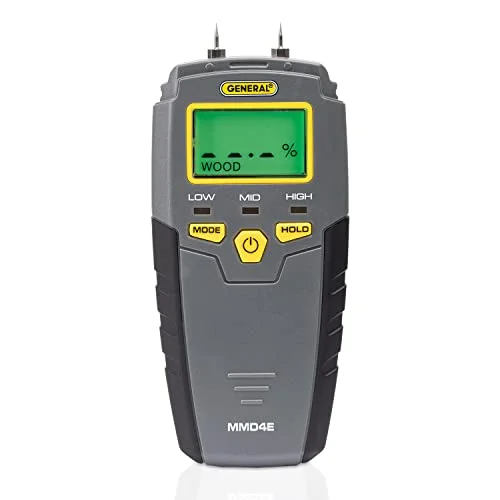 |
General Tools MMD4E Wood Moisture Meter – $39.98 Whatever unit you’re buying by, wet wood is a bad deal at any price — this pin-type meter confirms the wood is actually seasoned before you pay.
|
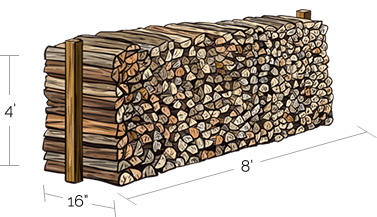
A “pulp cord” is just a full cord measured for pulpwood (wood destined for paper and cardboard production) rather than firewood — the volume standard is identical either way. A full cord, and therefore a pulp cord, is a stack of wood 4 feet high, 4 feet wide, and 8 feet long: 4 × 4 × 8 = 128 cubic feet. Some pulp mills historically used a slightly different regional stacking standard, so always confirm the specific mill or seller’s definition if you’re buying at scale, but for the vast majority of practical purposes, pulp cord = full cord = 128 cubic feet.
What a Face Cord Actually Is
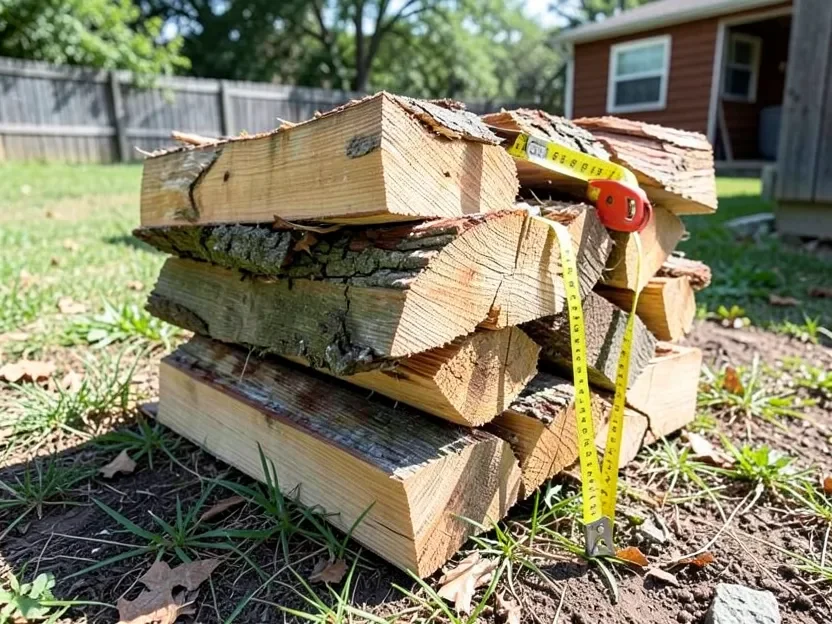
A face cord is a stack the same 4 feet high and 8 feet long as a full cord, but only as deep as a single cut log — typically 16 to 18 inches, sometimes a full 12 inches or 24 inches depending on the seller and region. That depth is exactly where the confusion comes from: a face cord is NOT a fixed fraction of a full cord by definition, it’s defined by log length, and log length varies by supplier.
The Real Conversion: It Depends on Depth
To find how many face cords are in a pulp cord, divide the full cord’s 4-foot (48-inch) depth by your face cord’s actual depth:
| Face Cord Depth | Face Cords per Pulp Cord | Cubic Feet per Face Cord |
|---|---|---|
| 12 inches | 4 face cords | 32 cu ft |
| 16 inches | 3 face cords | 42.7 cu ft |
| 18 inches | 2.67 face cords | 48 cu ft |
| 24 inches | 2 face cords | 64 cu ft |
The 16-inch depth is the most commonly cited standard in firewood retail (it’s a common chainsaw bar reference length and stacks conveniently), which is why “3 face cords per pulp cord” is the answer you’ll see most often — but it’s an average, not a guarantee. Ask the seller what depth they’re cutting to before assuming.
Why This Matters When Buying Firewood
Sellers sometimes advertise by face cord because the number sounds smaller and more affordable, without always being clear about depth. If you’re comparing a “face cord” price against a “pulp cord” or “full cord” price, convert both to cubic feet before deciding which is the better deal — a face cord priced attractively at a shallow 12-inch depth may cost more per cubic foot than a full cord.
- Ask the seller the exact depth of their face cord (get it in writing/text if possible)
- Measure a delivered stack yourself: length × height × depth in feet = cubic feet
- Compare price per cubic foot, not price per “cord,” across sellers using different definitions
- Check for tight, consistent stacking — loosely thrown wood inflates the measured volume without adding usable firewood
Frequently Asked Questions
How many face cords are in a pulp cord?
Typically 3 face cords, using the common 16-inch face cord depth. The exact number ranges from 2 to 4 depending on the actual depth the face cord is cut to, since a pulp cord (128 cubic feet) divided by face cord depth gives a different result at 12, 16, 18, or 24 inches.
Is a pulp cord the same as a full cord?
Yes, for nearly all practical purposes. Both measure 128 cubic feet, typically as a stack 4 feet high, 4 feet wide, and 8 feet long. “Pulp cord” just refers to the wood’s end use (pulpwood for paper), not a different volume standard.
What depth is a standard face cord?
Most commonly 16 to 18 inches, matching typical cut firewood log lengths, though sellers in some regions cut to 12 or 24 inches. Always confirm the depth with your specific seller rather than assuming a standard.
Conclusion
A pulp cord and a full cord are the same 128-cubic-foot volume, and the number of face cords that fit inside one depends on the depth the face cord is cut to — 3 is the most common answer at a 16-inch depth, but it’s a range from 2 to 4, not a fixed rule. Converting everything to cubic feet before comparing prices is the surest way to avoid overpaying, regardless of which term a seller uses.
Sponsored / affiliate links. As an Amazon Associate I earn from qualifying purchases. I may earn additional commission from eligible campaigns.