How Long Does It Take Polyurethane to Dry: Expert Insights
Polyurethane is a popular choice when it comes to finishing wood, but waiting for it to dry can test your patience. You’ve probably stood over a beautiful piece of furniture, wondering when you can finally touch it without ruining the finish.
The drying time of polyurethane can be frustratingly elusive, and getting it wrong could mean starting from scratch. Understanding the drying process can save you time and effort, ensuring that your wood project looks stunning in the end. So, how long does it actually take for polyurethane to dry on wood?
Stick around, because uncovering this answer could be the key to transforming your DIY projects from good to breathtaking. Let’s dive into the factors that influence drying time and how you can optimize the process to fit your schedule.
Factors Affecting Drying Time
Polyurethane drying time on wood depends on temperature, humidity, and application thickness. Warm temperatures speed drying, while high humidity slows it down. Applying thin layers ensures quicker drying compared to thick coats.
Humidity Levels
High humidity slows drying. Water in the air affects drying. Polyurethane dries faster in dry air. Keep rooms ventilated. Use fans to reduce humidity. This helps polyurethane dry quicker. Lower humidity means quicker drying.
Temperature Variations
Warm temperatures speed up drying. Cold slows it down. Polyurethane dries best in warm air. Avoid cold and damp spaces. Check temperature before applying. Keep room temperature consistent. This ensures even drying.
Air Circulation
Good air flow helps drying. Stagnant air slows drying. Use fans to move air. Open windows for fresh air. This speeds up drying. Air circulation reduces drying time. More airflow means less waiting.
Type Of Polyurethane
Different types dry at different rates. Water-based dries faster. Oil-based takes longer. Read labels for drying times. Choose according to your needs. Each type has unique drying characteristics. Know your polyurethane type for best results.
Stages Of Drying
The surface drystage happens first. Polyurethane feels dry to touch. It takes around 4 hours. This time can vary. Temperature and humidity affect drying time. Cooler air slows the process. Higher humidity also delays drying. It’s important to not touch the surface. Fingerprints can ruin the finish. Keep dust away too. Dust sticks to wet surfaces. It can create blemishes.
Partial cureis the next stage. This stage takes around 24 hours. Polyurethane hardens a bit more. You can handle wood gently. It can withstand light use. Avoid placing heavy items on it. Heavy objects can dent or scratch it. Movement might damage the surface too. Be gentle during this time. Wait before heavy use.
Full cureis the final stage. It usually takes 30 days. Polyurethane reaches maximum hardness. It becomes fully durable. You can use the wood freely. Heavy objects are safe now. The finish is strong and lasting. No risk of damage from pressure. It’s safe for everyday use. Full cure means complete protection.
Types Of Polyurethane Finishes
Oil-based polyurethane gives wood a rich, warm glow. It is durable and protects wood well. This type of finish takes longer to dry. Usually, it needs about 24 hours to dry completely. It may need more time if the weather is damp. This finish is thicker and needs fewer coats. People like it for its long-lasting shine. It can turn wood a golden color over time. Great for floors and furniture.
Water-based polyurethane dries faster. It usually takes about 4 to 6 hours to dry. This type is clear and does not change the wood color. It is easier to apply with a brush. People often choose it for its low odor. It is less durable than oil-based finishes. Needs more coats for strength. Good for quick projects. Offers a smooth finish without yellowing the wood.

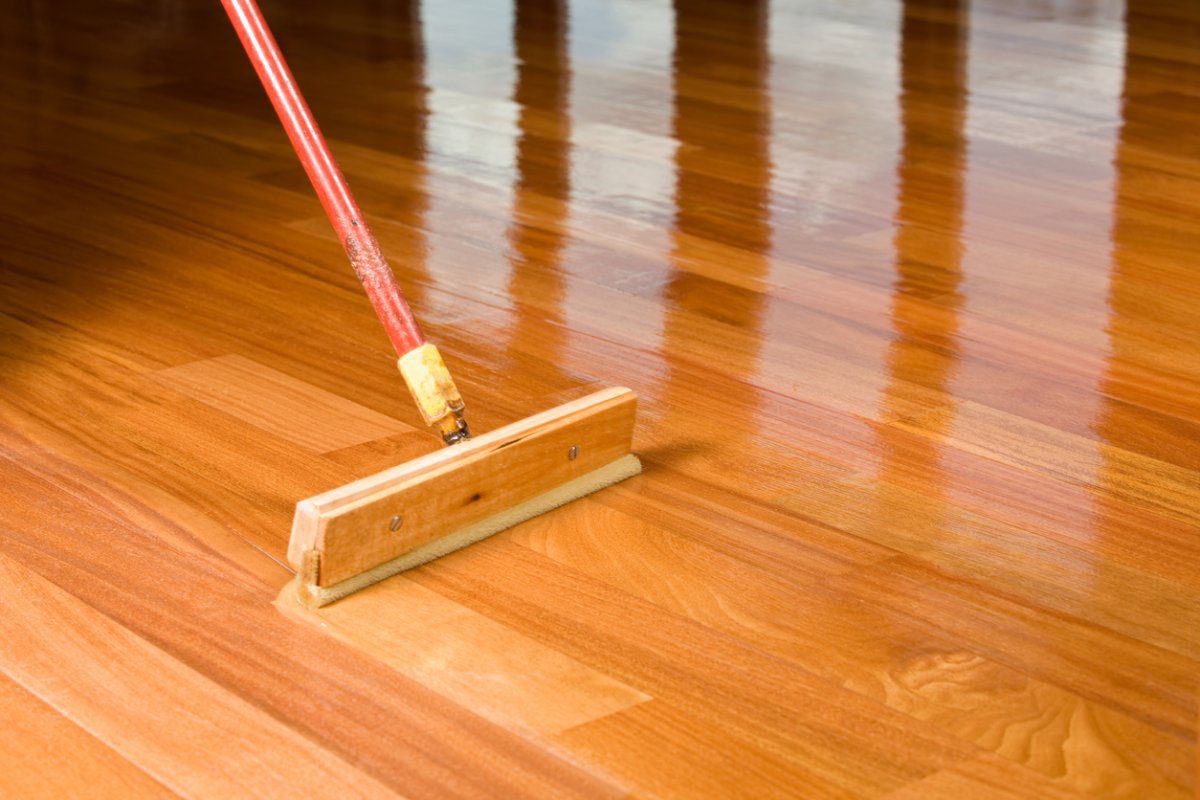
Credit: www.reallycheapfloors.com
Tips For Faster Drying
Make sure the room is warm. Warm temperatures help polyurethane dry faster. Keep the room around 70°F to 75°F. Ensure the air is not too humid. Low humidity speeds up drying. Use a hygrometer to check air moisture. Aim for 50% humidity.
Apply thin coats of polyurethane. Thick coats take longer to dry. Use a brush or roller evenly. Let each coat dry before adding another. Sand lightly between coats. This helps the next coat stick. Follow the instructions on the can. It tells you how long to wait.
Place fans around the room. Fans help air move and dry faster. Point the fan away from the wood. This avoids dust settling on wet polyurethane. Use dehumidifiers to remove extra moisture. Keep windows closed to maintain conditions. Fans and dehumidifiers are helpful tools for drying.
Common Mistakes To Avoid
Applying too much polyurethane is a common mistake. Thick coats take longer to dry. This can lead to uneven surfaces. It’s best to apply thin layers. They dry faster and look better. Too much can also cause bubbles. Bubbles are not easy to fix.
Instructions are important. They tell you the right way to use the product. Each brand can be different. Some need more drying time. Others need less. Always read the label. It has all the information you need. Following instructions helps get the best results.
Fresh air is important for drying. Without it, polyurethane stays sticky. Open windows or use fans. This helps the air move. Good air flow speeds up drying. It also makes the room safer. The smell can be strong. Fresh air helps with that too.
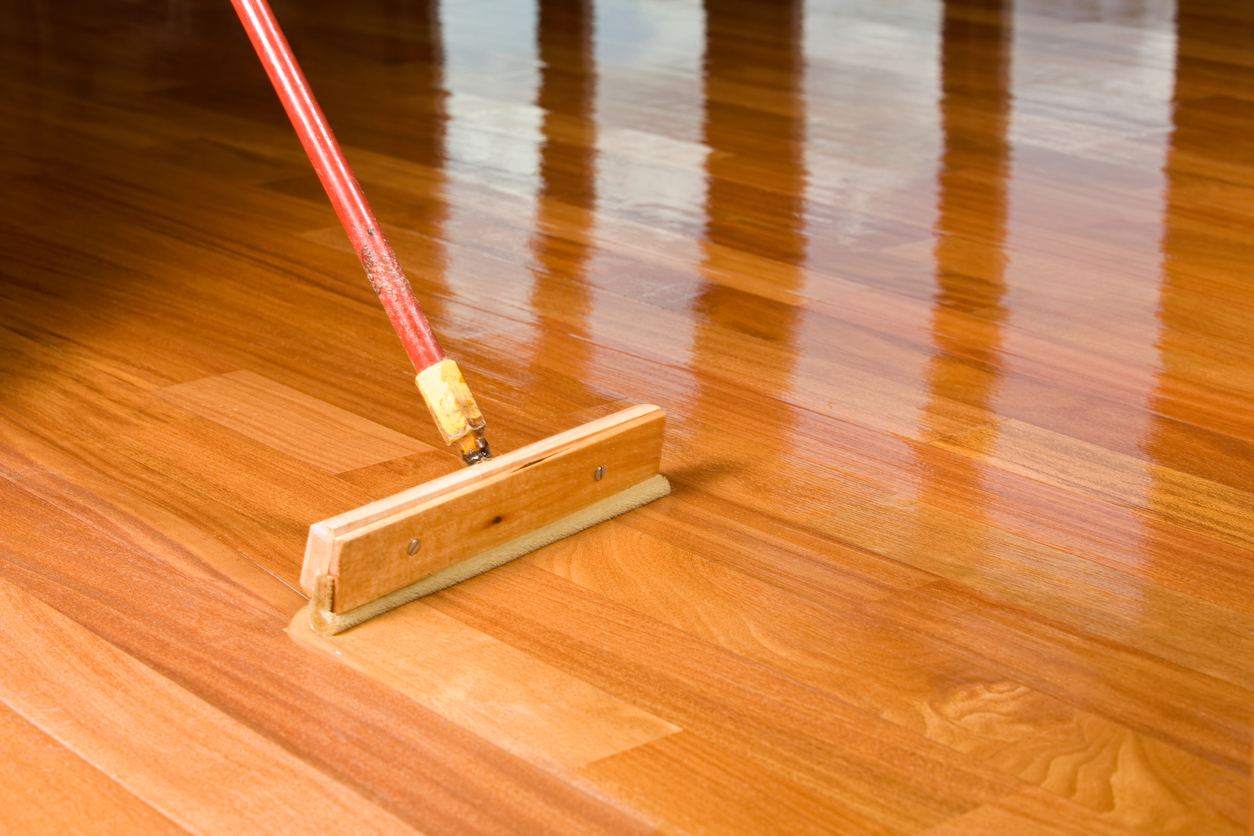
Credit: www.bobvila.com
Expert Recommendations
Picking the best polyurethane finishis important. Water-based finishes dry faster. Oil-based finishes take longer. Think about the look you want. Shiny or matte? Also, consider how much wear and tear the wood will face. Different finishes give different protection.
A clean workspace is key. Dust and dirt can ruin the finish. Use a damp cloth to wipe the wood. Make sure the room is warm. Cold air slows drying. Good airflow helps too. Open windows or use a fan.
Check the wood every few hours. It may feel dry on top. But it might be wet underneath. Touch it gently to see if it’s sticky. Wait longer if it is. You might need 24 hours for full drying. Sometimes even longer.
Frequently Asked Questions
How Long Should You Let Polyurethane Dry On Wood?
Let polyurethane dry for at least 24 hours on wood. Ensure the environment is well-ventilated. Humidity and temperature can affect drying time. Check manufacturer recommendations for best results.
How To Tell When Polyurethane Is Dry?
Polyurethane is dry when it’s no longer tacky and feels smooth to touch. Check the manufacturer’s recommended drying time. A dry surface should not have a strong odor. Test in a small area by pressing lightly; it shouldn’t dent. Proper ventilation speeds up drying.
Does A Fan Help Polyurethane Dry Faster?
A fan speeds up polyurethane drying by increasing air circulation. It helps evaporate moisture and shortens drying time. Ensure the area is well-ventilated for optimal results. Keep the fan on low to avoid dust settling. Proper airflow enhances drying efficiency without compromising finish quality.
How Soon Can You Put Furniture On Polyurethane?
Wait 48 hours before placing furniture on freshly applied polyurethane. Ensure the surface feels dry and hard. This allows the finish to cure properly, preventing damage or marks. For optimal results, consult product guidelines and maintain proper ventilation during drying.
Conclusion
Polyurethane drying time depends on various factors. Temperature and humidity play big roles. Usually, it takes a few hours to dry. Full curing may need up to 30 days. Check the label for specific times. Allow ample drying time for best results.
Sand between coats for a smooth finish. Patience ensures a high-quality wood finish. Proper ventilation speeds up the process. Always follow safety guidelines when using polyurethane. With these tips, you achieve a beautiful wood surface. Enjoy your well-finished project!