TPU-Soled Shoes for the Woodshop: Grip, Comfort & Durability
Thermoplastic polyurethane (TPU) outsoles grip sawdust, spilled finish, and wet concrete better than EVA, and resist wood stains and glue better than standard rubber, without the weight of a traditional work boot sole. The trade-off is cost: a quality pair starts around $50-100, more than a basic rubber-soled shoe. This guide covers what TPU actually is, how it compares to rubber, EVA, and PVC on a real shop floor, and what to check before buying.
What Thermoplastic Polyurethane Actually Is
Best TPU-Soled Shop Boot Pick
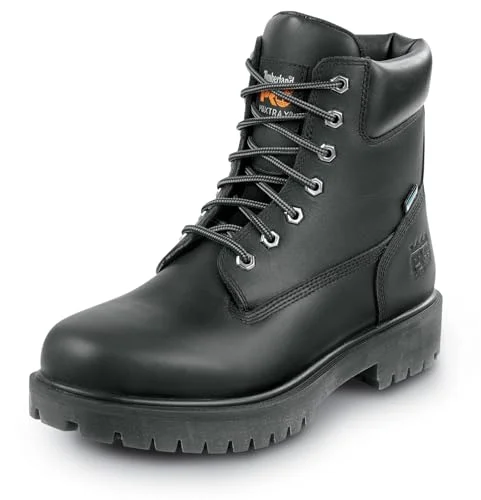 |
Timberland PRO MaxTRAX Direct Attach Boot – $149.99 Sole material is listed as Thermoplastic Polyurethane on the spec sheet itself, not just an internal shank, with the MaxTRAX tread pattern built for exactly the sawdust-and-spill grip this guide covers.
|
TPU is a moldable plastic-rubber hybrid that stays flexible after it sets. It’s made by reacting polyols with diisocyanates into a polymer that can be melted and reshaped repeatedly, unlike standard polyurethane (PU), which cures into a fixed shape and can’t be remelted. That reprocessability is also why TPU outsoles are more commonly recyclable than PU or rubber ones. In footwear, TPU shows up as an outsole material because it combines rubber-like grip and abrasion resistance with a lighter weight than dense rubber compounds.
TPU vs. Rubber, EVA, and PVC on a Shop Floor
| Material | Grip on Sawdust/Oil | Durability | Weight | Best For |
|---|---|---|---|---|
| TPU | Excellent, improves with wear | High — resists cuts, chemicals | Light | All-day shop wear, safety shoes |
| Rubber | Good | High, but stiffens over time | Heavy | Heat exposure, rugged outdoor work |
| EVA | Fair, wears smooth quickly | Low — compresses and thins | Very light | Casual wear, short shifts |
| PVC | Poor — can be slick when wet | High, chemical-resistant | Heavy | Wet/rain conditions, basic work boots |
The practical difference in a woodshop: EVA soles cushion well when new but compress and lose grip within months of daily wear on a concrete floor. Rubber holds up but adds noticeable weight over an 8-hour shift. TPU’s main limitation is heat resistance — rubber still wins in high-temperature environments, which isn’t a factor in most home or hobby woodshops.
What TPU Soles Actually Solve in a Woodshop
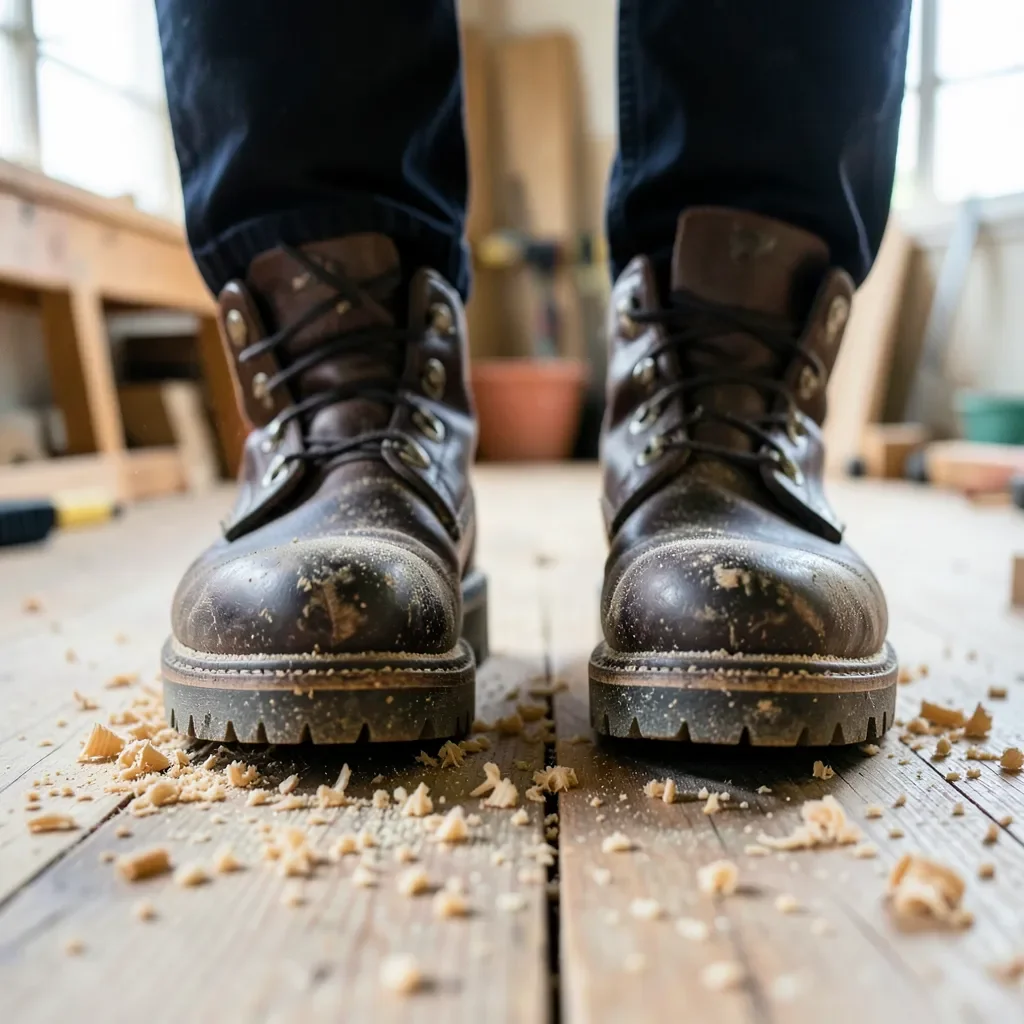
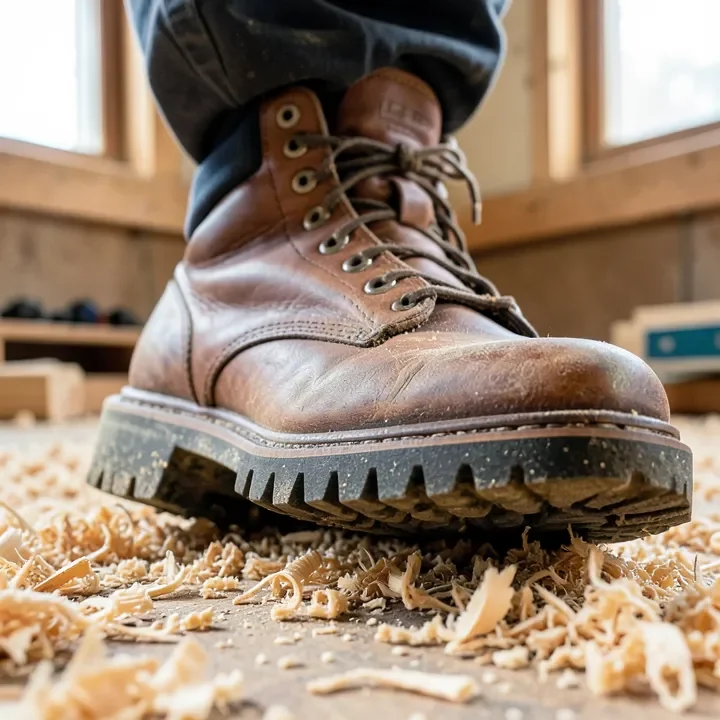
- Slip resistance on sawdust and finish spills: deep-tread TPU outsoles are commonly tested against wet and dusty surfaces specifically because those are the two conditions that cause the most workshop slips.
- Chemical resistance: TPU resists abrasion and holds up against contact with wood stains, glues, and finishes better than basic rubber, which can soften or degrade with repeated solvent contact.
- All-day comfort: TPU’s lighter weight and slight rebound reduce leg fatigue compared to a dense rubber sole over a full day standing at a bench.
- Puncture resistance for scrap and fasteners: a shop floor accumulates dropped screws, staples, and offcuts; TPU’s toughness holds up better against incidental punctures than EVA.
What to Check Before Buying
- Confirm the sole material on the spec sheet: “TPU shank” or “TPU torsion element” is not the same as a TPU outsole — check that the listed sole material itself says thermoplastic polyurethane, not just a TPU support piece inside the shoe.
- Toe protection, if you need it: TPU soles come on both soft-toe and steel/composite-toe shoes. A soft-toe shoe won’t protect against a dropped board or tool the way a rated toe cap will.
- Slip-resistance rating: look for an ASTM F2913 or SATRA slip-resistance rating rather than a marketing claim alone.
- Breathable upper: mesh or leather uppers matter more for shop comfort than the sole material alone, especially standing near a dust collector or heater.
For the material itself outside of footwear — jigs, bushings, or shop-made parts — see Thermoplastic Polyurethane Price for what raw TPU costs by form.
Frequently Asked Questions
What makes TPU soles different from regular polyurethane soles?
TPU is thermoplastic, meaning it can be melted and reshaped repeatedly, while standard polyurethane cures into a fixed shape and can’t be remelted. TPU is also generally lighter and more flexible, and more commonly recyclable as a result.
Are TPU soles good for slippery workshop floors?
Yes. TPU outsoles with deep tread patterns are commonly tested and marketed specifically for grip on wet, oily, or dusty surfaces — the exact conditions a woodshop floor produces from sawdust and finish spills.
Can TPU soles be used in safety shoes?
Yes. Many steel-toe and composite-toe safety shoes use a TPU outsole specifically for its durability and slip resistance, combined with a rated toe cap for impact protection.
Are TPU-soled shoes expensive?
They typically cost more than basic EVA or rubber-soled shoes, with quality pairs starting around $50-100. The durability and slip resistance generally make up the cost difference over the shoe’s working life compared to replacing a cheaper pair more often.
Conclusion
TPU outsoles trade a higher upfront cost for better grip on sawdust and finish spills, better chemical resistance against stains and glue, and less fatigue over a full day standing than rubber or EVA. Check that the sole itself — not just an internal shank — is actually TPU, and match the toe protection and slip rating to how your shop actually gets used.
Sponsored / affiliate links. As an Amazon Associate I earn from qualifying purchases. I may earn additional commission from eligible campaigns.