Will Polyurethane Stick to Metal? Uncover the Truth!
Polyurethane can stick to metal surfaces, but proper preparation is essential. Cleaning and priming the metal improves adhesion significantly.
Polyurethane is a versatile material used in various applications, from coatings to adhesives. Its ability to bond with different surfaces makes it popular for many DIY projects. Metal surfaces, while often challenging, can also benefit from polyurethane. Achieving a strong bond requires proper preparation, such as cleaning and possibly priming.
This ensures the polyurethane adheres effectively and lasts longer. Understanding how polyurethane interacts with metal can help you achieve better results in your projects. Whether you’re refinishing furniture or protecting outdoor metal, knowing the right techniques can make all the difference. This guide will delve into the best practices for applying polyurethane to metal surfaces.
Introduction To Polyurethane And Metal Bonding
Best Adhesive For Bonding Polyurethane To Metal
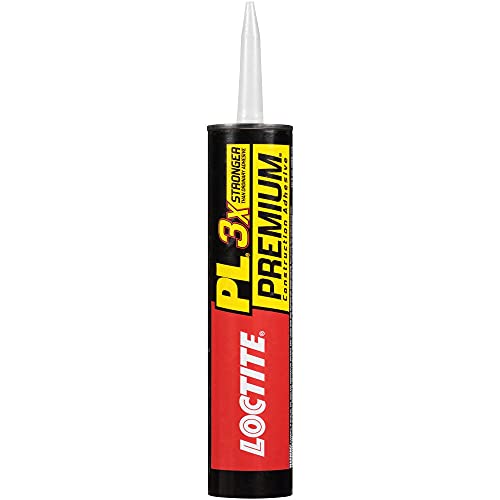 |
Loctite PL Premium Polyurethane Construction Adhesive, 10Loctite | Our pick | $6.48
Price as of 20 Oct 2026
|
View |
Polyurethane is a versatile material. It is used in various applications. Metal bonding with polyurethane is common in many industries. Understanding this process is essential for effective use.
Basics Of Polyurethane
Polyurethane is a type of polymer. It comes in many forms, including:
- Foams
- Coatings
- Adhesives
This material is known for its strength and flexibility. It can withstand harsh environments. Its adhesive properties make it suitable for bonding.
Common Metal Surfaces For Bonding
Different metals can bond well with polyurethane. Common surfaces include:
| Metal Type | Bonding Characteristics |
|---|---|
| Steel | Strong adhesion, resistant to corrosion. |
| Aluminum | Good bonding, requires surface preparation. |
| Brass | Effective adhesion, smooth surface. |
| Stainless Steel | High durability, resistant to rust. |
Surface preparation is crucial for effective bonding. Clean and roughen surfaces for better adhesion. Different metals may require specific treatments.
The Science Behind Adhesion
Understanding how polyurethane adheres to metal involves science. Adhesion relies on two main factors: chemical bonds and surface energy. Exploring these concepts reveals why polyurethane sticks effectively to metal.
Understanding Chemical Bonds
Chemical bonds are crucial for adhesion. They form between polyurethane and metal surfaces. Here are the main types of chemical bonds:
- Ionic Bonds: Strong attractions between charged particles.
- Covalent Bonds: Sharing of electrons between atoms.
- Van der Waals Forces: Weak attractions that occur between molecules.
Polyurethane forms covalent bonds with metal. This bond creates a strong grip. The strength of these bonds ensures durability.
Surface Energy And Adhesion
Surface energy measures how easily materials bond. A higher surface energy promotes adhesion. Metals generally have high surface energy. This property helps polyurethane stick effectively.
| Material | Surface Energy (mN/m) |
|---|---|
| Aluminum | 900 |
| Steel | 700 |
| Brass | 750 |
Polyurethane’s surface energy is lower than that of metals. This difference allows for effective bonding. The roughness of metal surfaces can also enhance adhesion.
Factors Affecting Polyurethane Adhesion To Metal
Understanding the factors affecting polyurethane adhesion to metal is essential. Proper adhesion ensures strong, lasting bonds in various applications. Several elements influence this process, including surface preparation and environmental conditions.
Surface Preparation Techniques
Surface preparation is crucial for good adhesion. Clean and roughened surfaces provide better grip. Here are some effective techniques:
- Cleaning: Remove dirt, grease, and contaminants.
- Scuffing: Use sandpaper to roughen the metal surface.
- Degreasing: Apply solvents to eliminate oils.
- Priming: Use a primer designed for metal surfaces.
Follow these steps to achieve optimal adhesion:
- Clean the surface thoroughly.
- Roughen the area with sandpaper.
- Apply a suitable primer.
- Allow the primer to dry completely.
Environmental Conditions Impact
Environmental conditions play a significant role in adhesion. Temperature and humidity can affect the curing process. Here’s how:
| Condition | Impact on Adhesion |
|---|---|
| Temperature | High temperatures can speed up curing but may weaken bonds. |
| Humidity | High humidity can interfere with curing, leading to poor adhesion. |
| Dust and Contaminants | Presence of dust can hinder the bond between polyurethane and metal. |
Monitor these conditions to ensure a successful bond. Proper environmental control leads to better adhesion results.
Pre-treatment Methods For Enhanced Bonding
To achieve a strong bond between polyurethane and metal, pre-treatment methods are essential. These methods remove contaminants and improve adhesion. Proper preparation ensures better results. Here are two effective techniques.
Cleaning And Degreasing
Cleaning and degreasing metal surfaces is crucial. It removes dirt, grease, and oils. These contaminants can weaken the bond. Follow these steps:
- Gather materials: Use soap, water, and a clean cloth.
- Wash the surface: Apply soap and water. Scrub thoroughly.
- Rinse: Use clean water to remove soap residue.
- Dry: Use a lint-free cloth to dry the surface.
For tough grease, use a degreaser. Apply it and wipe off with a cloth. Ensure the surface is completely dry before applying polyurethane.
Mechanical Abrasion
Mechanical abrasion enhances bonding by creating a rough surface. This increases the area for polyurethane to adhere. Methods include:
- Sanding: Use fine-grit sandpaper to scuff the metal.
- Grinding: Employ a grinder for larger surfaces.
- Brushing: Use a wire brush for quick abrasion.
After abrasion, clean the surface again. This removes any debris. The metal should feel slightly rough to the touch.
Application Techniques For Optimal Results
Applying polyurethane to metal requires careful techniques. Proper application ensures strong adhesion and durability. Follow these steps for the best results.
Applying Polyurethane Properly
Start with a clean surface. Remove dirt, grease, and rust. Use sandpaper to scuff the metal. This will help the polyurethane stick better.
Use the right tools for application:
- Brushes: Use natural bristle brushes.
- Rollers: Choose a high-quality foam roller.
- Sprayers: A spray gun offers a smooth finish.
Apply polyurethane in thin layers. Thick layers can lead to runs and drips. Follow these steps:
- Stir the polyurethane well before use.
- Apply the first coat evenly.
- Let it dry according to the product instructions.
- Sand lightly between coats for a smooth finish.
- Apply a second coat, if needed.
Curing Times And Temperatures
Curing times vary by product. Check the label for specific guidelines. Generally, polyurethane cures best at room temperature.
| Temperature (°F) | Dry Time | Cure Time |
|---|---|---|
| 60-70 | 4-6 hours | 24-48 hours |
| 70-80 | 2-4 hours | 24-36 hours |
| 80-90 | 1-2 hours | 12-24 hours |
Humidity affects drying time. Lower humidity speeds up drying. High humidity slows it down.
Wait for full cure before heavy use. This ensures the best performance. Enjoy your newly coated metal!
Common Challenges And Solutions
Applying polyurethane to metal surfaces can present challenges. Understanding these challenges helps achieve better adhesion. This section explores common causes of adhesion failure and offers practical troubleshooting tips.
Adhesion Failure Causes
Several factors can lead to adhesion failure. Here are the most common reasons:
- Surface Contamination: Dirt, grease, or oil can prevent bonding.
- Improper Surface Preparation: Not sanding or cleaning the metal properly.
- Moisture: Water can interfere with the curing process.
- Temperature Fluctuations: Extreme heat or cold affects adhesion.
- Incorrect Product Choice: Using the wrong type of polyurethane for the metal.
Troubleshooting Tips
Follow these tips to improve adhesion:
- Clean the Surface: Use a degreaser or solvent.
- Sand the Metal: Create a rough surface for better grip.
- Check Humidity Levels: Ensure conditions are dry.
- Use Primer: Apply a suitable primer for metal.
- Choose the Right Polyurethane: Select one specifically for metal bonding.
Consider the following table for quick reference:
| Challenge | Solution |
|---|---|
| Surface Contamination | Clean thoroughly with degreaser |
| Improper Surface Preparation | Sand and clean the metal |
| Moisture | Ensure dry working conditions |
| Temperature Fluctuations | Work in stable temperatures |
| Incorrect Product Choice | Select metal-specific polyurethane |
Case Studies: Success Stories And Failures
Understanding how polyurethane interacts with metal is vital. Many projects succeed, while others fail. Here are real-world examples showcasing both outcomes.
Where Polyurethane-On-Metal Is Used
Polyurethane coatings on metal are common in a few general categories:
| Use Case | Why Polyurethane Works Here |
|---|---|
| Protective equipment coatings | Chemical and abrasion resistance on exposed metal components |
| Automotive trim and seals | Flexes with the metal without cracking at joints |
| Metal furniture and garden art (DIY) | Adds a clear, weather-resistant topcoat over paint or bare metal |
The failure pattern is consistent across all of these, whether it is a factory finish or a weekend project. Adhesion problems almost always trace back to one of these:
- Skipping degreasing, so oil or mill scale is still on the metal under the coating
- Not sanding/scuffing a smooth or galvanized surface first
- Applying over active rust instead of a rust-inhibiting primer
- Recoating before the previous layer fully cured
Avoiding these four mistakes accounts for the large majority of adhesion failures reported with polyurethane on metal.
Future Of Polyurethane And Metal Bonding
The future of polyurethane and metal bonding looks bright. New technologies are emerging. These innovations will change how we use adhesives. Stronger, more flexible bonds are on the way. Manufacturers seek better solutions for various applications.
Innovative Adhesives On The Horizon
Innovation drives the future of adhesion. New types of adhesives are being developed. They promise to improve bond strength and durability.
- Smart Adhesives: These react to environmental changes.
- Rapid-Curing Options: Fast application saves time.
- Multi-Functional Adhesives: Bond, seal, and insulate in one step.
These advancements will benefit various industries. Applications range from automotive to aerospace. As technology evolves, expect more efficient solutions.
Sustainability In Adhesion Technology
Sustainability is crucial in adhesive development. Manufacturers are focusing on eco-friendly materials. This shift will reduce environmental impact.
| Eco-Friendly Adhesives | Benefits |
|---|---|
| Bio-Based Polyurethanes | Lower carbon footprint |
| Water-Based Formulas | Reduced VOC emissions |
| Recyclable Adhesives | Minimized waste |
These sustainable options enhance market appeal. Consumers prefer environmentally friendly products. The future of polyurethane and metal bonding aligns with these trends.
Gluing Polyurethane Rubber Or Foam To Metal (A Different Question)
Everything above is about brushing or spraying a polyurethane finish or coating onto metal. A lot of people searching this topic actually mean something else: how to glue a piece of polyurethane rubber, foam, or bar stock permanently to a metal part — for example, attaching a polyurethane bumper, wheel, or gasket to a steel bracket. That is an adhesive-bonding question, not a finishing question, and it needs a different product.
For that job, a moisture-cured polyurethane construction adhesive (shown below) is the standard choice, because its chemistry bonds to both the metal surface and the polyurethane material itself — most general-purpose glues bond to one or the other, not both. Roughen both surfaces lightly, clean off oils, apply the adhesive, and clamp with light, even pressure; polyurethane adhesives expand slightly as they cure, so a tight clamp can push the joint apart instead of holding it flat.
Frequently Asked Questions
Will Polyurethane Adhere To Metal Surfaces?
Yes, polyurethane can adhere to metal surfaces effectively. However, proper surface preparation is crucial. Clean the metal thoroughly to remove dirt, grease, and rust. Additionally, using a primer designed for metal can enhance adhesion and durability of the polyurethane finish.
What Type Of Polyurethane Is Best For Metal?
For metal surfaces, oil-based polyurethane is often recommended. It provides a strong bond and excellent durability. Water-based polyurethane can also work but may require a primer. Choose a product suitable for your specific project needs and environmental conditions.
How To Prepare Metal For Polyurethane Application?
Start by cleaning the metal surface with soap and water. Rinse it thoroughly and allow it to dry completely. Next, sand the surface lightly to create a better bond. Finally, apply a metal primer before using polyurethane for optimal results.
Can I Use Polyurethane On Rusty Metal?
It is not advisable to apply polyurethane directly on rusty metal. Rust can prevent proper adhesion and lead to peeling. Instead, remove the rust using a wire brush or sandpaper. After cleaning, apply a rust-inhibiting primer before the polyurethane for better protection and adherence.
Conclusion
Polyurethane can effectively adhere to metal surfaces with proper preparation. Cleaning and priming the metal enhances adhesion, ensuring a durable bond. Always choose the right type of polyurethane for your project. This knowledge empowers you to achieve optimal results, whether for crafts or industrial applications.
Happy crafting!
Sponsored / affiliate links. As an Amazon Associate I earn from qualifying purchases. I may earn additional commission from eligible campaigns.