
How Long Does Poison Oak Stay on Clothes? Safety Tips
It’s easy to wonder about poison oak and your clothes. Many people get worried after spending time outside. They ask, “How Long Does Poison Oak Stay on Clothes?
Safety Tips” because they want to avoid itchy rashes. It can feel tricky to know for sure if your clothes are safe. This guide will make it super simple to understand.
We will walk through everything step by step so you can feel confident. Get ready to learn the easy ways to handle this common problem.
Understanding Poison Oak Oil Urushiol On Clothing
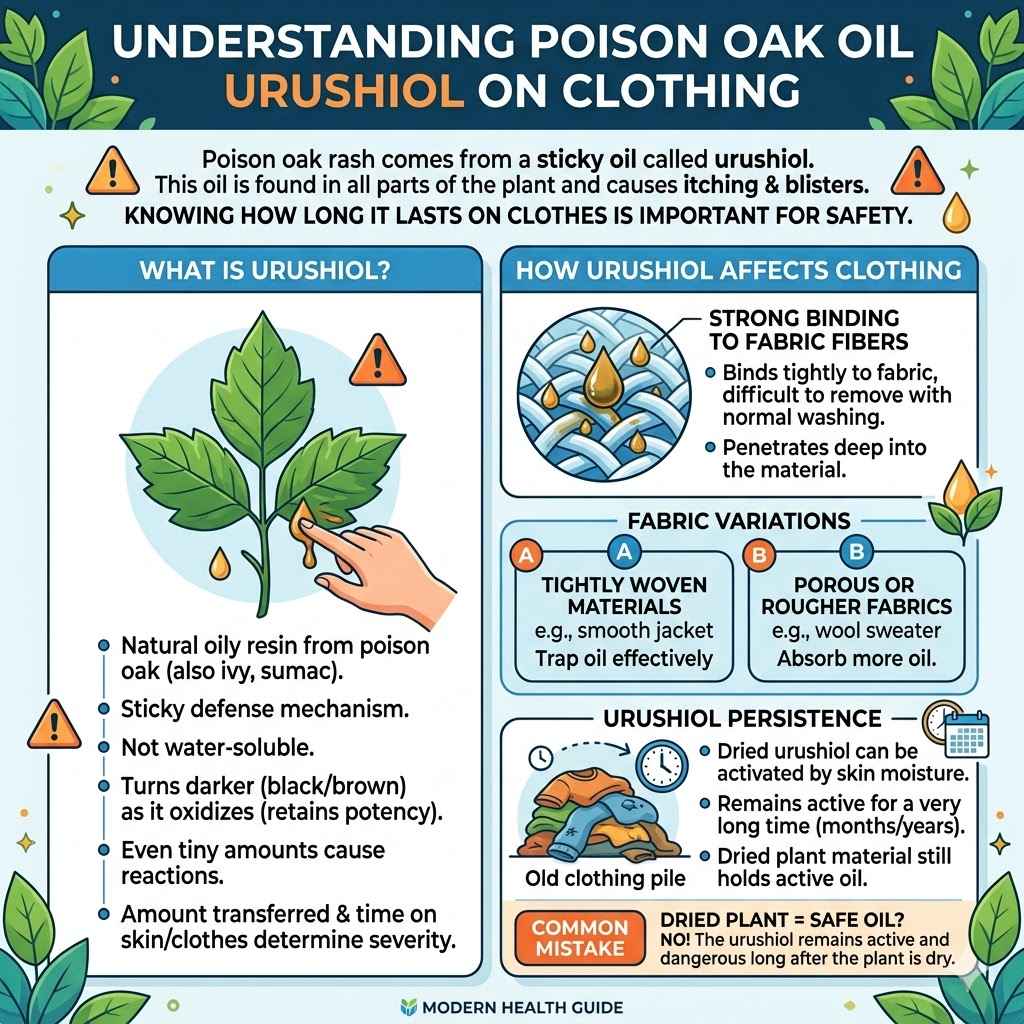
Poison oak rash comes from a sticky oil called urushiol. This oil is the main culprit behind the itching and blisters. It’s found in all parts of the poison oak plant, including the leaves, stems, and roots.
When your skin touches the plant, urushiol can transfer. It can also stick to your clothes, shoes, tools, and even pets. The oil itself is clear or pale yellow.
It can stay active for a long time, which is why knowing how long it lasts on clothes is important. This is the starting point for keeping yourself safe.
What Is Urushiol?
Urushiol is an oily resin that comes from the poison ivy, poison oak, and poison sumac plants. It’s a natural defense for these plants. When you come into contact with it, your immune system reacts.
This reaction causes an itchy, red rash, and sometimes blisters. The urushiol oil is very sticky. It can easily attach to surfaces it touches.
It is not water-soluble, meaning water alone won’t wash it away effectively. Special cleaners or soaps are needed.
The oil is colorless when it first touches the skin or clothing. However, it can turn darker, appearing black or brown, as it oxidizes. This oxidation doesn’t mean the oil is less potent; it’s still capable of causing a rash.
The amount of urushiol transferred and how long it stays on your skin or clothing determines the severity of the reaction. Even a tiny amount of this oil can cause a reaction.
How Urushiol Affects Clothing
Urushiol binds strongly to fabric fibers. This makes it difficult to remove with normal washing. The oil can penetrate deeply into the material.
This means that even after washing, some urushiol might remain. If you wear these clothes again, or touch them, you could still get a rash. This is a major reason why special care is needed when dealing with contaminated clothing.
Different types of fabrics can hold onto urushiol differently. Tightly woven materials might trap the oil more effectively. Porous or rougher fabrics could absorb more of the oil.
The age of the oil also plays a role. Fresh urushiol is more likely to cause a strong reaction. However, dried urushiol can still be activated when it comes into contact with skin moisture.
This is why even old clothes from an area with poison oak need careful handling.
A common mistake is thinking that once the plant is dry, the oil is gone. This is not true. The urushiol remains active and dangerous for a long time.
This persistence is a key reason why taking precautions with clothing is so vital.
How Long Does Poison Oak Stay On Clothes?
This is the question on everyone’s mind. The answer is surprisingly long. Urushiol oil can remain active on clothing for months, and even up to a year or more, if not properly removed.
This means a contaminated shirt or pair of pants can be a source of rash long after the initial exposure. It’s not like a stain that fades; the oil stays potent.
Factors like temperature, humidity, and how the clothes are stored can influence how long the oil stays active. However, it’s safest to assume that any clothing that has been in contact with poison oak is contaminated. Proper cleaning is the only way to be sure.
Don’t risk a delayed or repeated rash by skipping this important step.
The Persistence Of Urushiol On Fabric
Urushiol is a very resilient substance. It doesn’t break down easily with exposure to air or sunlight like many other organic compounds. This tough nature is what allows it to linger on clothing for extended periods.
Think of it like a potent dye that bonds deeply to the material. Even after washing, trace amounts can remain embedded in the fabric fibers.
The oil is lipophilic, meaning it dissolves in fats and oils. This is why it sticks so well to skin and fabric. When you wash clothes with regular detergent, it might remove some surface dirt and oils, but it often doesn’t break down the urushiol bond completely.
This leaves the oil ready to cause trouble again later.
Studies have shown that urushiol can remain active on clothing for as long as 18 months under certain conditions. This means that a jacket you wore last spring could still give you a rash this fall if it wasn’t cleaned properly. This long-lasting threat is why everyone needs to be aware of the risks.
Factors Affecting Urushiol Longevity
Several things can affect how long poison oak oil stays active on clothes. Temperature is a big one. Warmer temperatures can sometimes help urushiol spread or become more easily transferred, but they don’t necessarily degrade it quickly.
Cold temperatures can slow down the process. Humidity can also play a role.
Storage conditions are also important. If contaminated clothes are stored in a sealed plastic bag, the oil might remain active for a very long time. If they are exposed to air and sunlight, some breakdown might occur, but it’s not a guaranteed way to neutralize the oil.
Dry conditions might help preserve the oil’s potency.
The type of fabric matters too. Natural fibers like cotton and wool can absorb urushiol. Synthetic fabrics might not absorb it as deeply, but the oil can still coat the surface.
Over time, without proper cleaning, the oil can become dry and less volatile, but it doesn’t become harmless.
Identifying Contaminated Clothing
It can be hard to tell if clothing is contaminated with poison oak oil just by looking at it. The oil is clear and odorless when fresh. You might not see any visible residue.
The only way to know for sure is to consider the circumstances.
Did you go hiking or spend time in an area known for poison oak? Did you brush against any plants that looked like poison oak? If the answer is yes, then assume your clothing might be contaminated.
It’s better to be safe than sorry. Even if you don’t remember touching a plant, the oil could have transferred indirectly.
Sometimes, if the oil has been on clothes for a very long time and has oxidized, you might see faint brown or black stains. However, the absence of these stains does not mean the clothes are safe. The invisible threat of urushiol is the real concern.
Safety Tips For Handling Contaminated Clothes
Dealing with clothes that might have poison oak oil on them requires specific steps to avoid spreading the rash. The goal is to neutralize the urushiol oil and remove it completely. This protects you, your family, and your home from exposure.
Following these tips can save you a lot of discomfort and doctor visits.
The most crucial first step is to handle contaminated items carefully. Do not touch them with bare hands. Use gloves.
Wash them separately from other laundry. This prevents the oil from transferring to other items.
Step-by-Step Cleaning Process
When you suspect your clothes are contaminated with poison oak oil, follow these steps:
- Wear Protective Gear: Always wear disposable gloves. Long sleeves and pants can also help protect your skin. Consider eye protection if you are dealing with a lot of clothing or dust.
- Remove Clothes Outdoors: If possible, take off the contaminated clothes outdoors. This prevents the oil from spreading inside your home.
- Bag Contaminated Items: Place the clothes in a plastic garbage bag. Seal the bag tightly. This contains the oil and prevents further spread.
- Wash Separately: Wash the contaminated clothes by themselves. Do not mix them with your regular laundry. This is essential to avoid cross-contamination.
- Use Hot Water: Use the hottest water setting available for the fabric. Hot water can help to loosen the oil’s grip on the fibers.
- Use a Strong Detergent: Use a heavy-duty laundry detergent. Some people recommend adding a bit of dish soap, which is designed to cut grease, to the wash cycle.
- Rinse Thoroughly: Make sure the washing machine goes through a full rinse cycle. This helps to wash away the loosened oil and detergent.
- Dry the Clothes: After washing, hang the clothes to air dry outdoors if possible. Sunlight can help further break down any remaining urushiol. If you must use a dryer, use a low heat setting.
- Repeat if Necessary: For heavily contaminated items, you might need to repeat the washing process. It’s better to wash them multiple times than to risk a rash.
Special Cleaning Agents and Techniques
For very stubborn contamination or sensitive fabrics, there are other options. Some commercial poison ivy washes are available. These products are specifically formulated to break down urushiol oil.
They often contain ingredients like alcohol or specialized surfactants.
Dish soap is a fantastic household item for tackling urushiol. Its degreasing properties are excellent for breaking down the oily resin. You can pre-treat spots by applying dish soap directly to the fabric before washing.
Let it sit for a few minutes, then wash as usual.
Rubbing alcohol can also be effective. Apply rubbing alcohol to a cloth or cotton ball and gently dab the affected areas. Then, wash the clothing as recommended.
Always test rubbing alcohol on an inconspicuous spot of the fabric first to ensure it doesn’t cause discoloration.
Washing Machine Decontamination
After washing contaminated clothes, it’s important to clean your washing machine. Urushiol oil can cling to the inside of the machine. This could contaminate future loads of laundry.
Run an empty cycle in your washing machine. Use hot water. Add a strong detergent and about a cup of bleach to the empty machine.
Bleach is a powerful disinfectant and can help neutralize any lingering urushiol. Make sure your washing machine is suitable for bleach before using it.
After the bleach cycle, run another rinse cycle with just water. This ensures all bleach residue is removed. Clean the rubber seals and the detergent dispenser with a cloth dampened with rubbing alcohol or a bleach solution.
This thorough cleaning prevents your machine from becoming a source of re-contamination.
What To Do With Non-Washable Items
Some items, like certain outdoor gear, shoes, or even hats, cannot be easily washed in a machine. For these items, a thorough wipe-down is necessary.
Use disposable wipes or a cloth dampened with rubbing alcohol or a specialized poison ivy wash. Carefully wipe down all surfaces of the item. Pay close attention to seams, crevices, and any areas that might have directly touched the plant.
Discard disposable wipes immediately. Wash reusable cloths thoroughly.
For items that are heavily contaminated and cannot be washed or wiped down effectively, it might be safest to discard them. This is especially true for items like gloves or shoes that are difficult to clean completely. If an item is particularly valuable, consult a professional cleaner who specializes in hazardous material removal.
Preventing Poison Oak Exposure On Clothes
The best way to deal with poison oak on clothes is to prevent it from getting there in the first place. Taking simple precautions can save you a lot of trouble. Awareness of the plant and how it spreads is key to staying safe.
When you are in areas where poison oak is common, pay attention to your surroundings. Wear protective clothing. This creates a barrier between the plant oil and your skin, and also your everyday clothes.
Protective Clothing Strategies
Wearing the right kind of clothing is your first line of defense. Long sleeves, long pants, and closed-toe shoes are essential when hiking or working in areas with poison oak. The tighter the weave of the fabric, the harder it is for urushiol to penetrate.
Consider wearing work clothes that you can dedicate solely to outdoor activities. These clothes should be easily washable and preferably made of sturdy material. Avoid wearing your favorite or most delicate clothing when you know you might encounter poison oak.
After spending time outdoors, change out of your outdoor clothes before entering your home. Place these clothes directly into a plastic bag to prevent any oil from rubbing off on furniture or carpets. This simple habit can make a big difference in preventing the spread of urushiol.
Recognizing Poison Oak Plants
Learning to identify poison oak is crucial for prevention. It typically grows as a shrub or vine. The most common identifying feature is its leaves.
They grow in groups of three, and the middle leaf has a longer stem than the two side leaves.
The leaves are typically shiny and can be green, red, or yellowish depending on the season. In the fall, the leaves may turn red or yellow. In winter, the plant loses its leaves, but the stems and roots still contain urushiol.
“Leaves of three let it be” is a common saying to help remember.
Poison ivy and poison sumac have similar oil and effects, so learning to identify all three is beneficial if you spend time in nature. Knowing what to avoid is half the battle in preventing contact.
Decontamination of Gear and Tools
Urushiol doesn’t just stick to clothes. It can contaminate gardening tools, camping equipment, backpacks, and even your pets. Any item that comes into contact with the plant can spread the oil.
Clean tools thoroughly after use with soap and water or rubbing alcohol. If your pet has been in an area with poison oak, wash them with pet-specific shampoo designed to remove oils. Be sure to wear gloves during this process, as the oil can transfer to your hands from the pet’s fur.
Regularly cleaning outdoor gear will help ensure that you don’t accidentally expose yourself to urushiol days or weeks later. This applies to anything that might have touched the plant, from boots to hiking poles.
Common Misconceptions About Poison Oak
There are many myths and misunderstandings about poison oak. Clearing these up can help people manage exposure and prevent rashes more effectively. One common idea is that the rash is contagious.
The rash itself is not contagious. You cannot catch poison oak from someone else’s rash. The itching and blisters are an allergic reaction to the urushiol oil.
The only way to get the rash is by direct contact with the oil.
However, you can get a rash if you touch something that has the oil on it, like clothing or a tool. So, while the rash fluid from blisters doesn’t spread the oil, contaminated objects certainly can.
The Myth of Contagious Rash
Many people mistakenly believe that the fluid from poison oak blisters can spread the rash. This is a persistent myth. The fluid inside the blisters is clear and contains no urushiol.
It’s part of the body’s inflammatory response.
The reason people might think the rash is spreading is that urushiol oil can remain on the skin or clothing. If that oil is then transferred to a new area of skin, it can cause a new rash. Or, if the oil was spread unevenly on the first area, it might appear to spread as different areas develop a reaction at different times.
Therefore, the rash doesn’t spread from blister to blister or person to person through blister fluid. The spread is always due to contact with the urushiol oil itself. Proper washing of skin and clothing is key to stopping any true spread.
The Idea That Burning Plants Neutralizes Urushiol
Another dangerous misconception is that burning poison oak plants destroys the urushiol oil. This is not true. Burning poison oak releases the urushiol into the smoke.
Inhaling this smoke can cause severe respiratory irritation and a rash inside the lungs and airways.
The smoke from burning poison oak can carry the oil particles far and wide. This means that people who are not even near the burning plants can be exposed. This can lead to widespread and serious health problems.
Always avoid burning any plants that might be poison oak, poison ivy, or poison sumac.
If you encounter poison oak that needs to be removed, it’s best to use mechanical methods or a herbicide designed for the plant. Always wear protective gear, even when removing dead plants.
The Belief That Rinsing With Water Is Enough
While rinsing exposed skin with water as soon as possible after contact can help remove some of the urushiol, it’s often not enough. Urushiol is sticky and binds to the skin quickly. Plain water doesn’t break down the oil effectively.
Specialized washes or even dish soap are much more effective at removing urushiol from the skin. If you can’t wash thoroughly right away, using rubbing alcohol on a cloth can help remove some of the oil before a proper wash. Simply rinsing with water might leave enough oil behind to cause a reaction.
For clothes, water alone is definitely not sufficient. As we’ve discussed, urushiol can bond with fabric fibers and persist through regular washes. Special detergents and techniques are needed to ensure the oil is gone.

Frequently Asked Questions
Question: Can poison oak oil wash off with just water?
Answer: No, poison oak oil (urushiol) is not water-soluble. While rinsing with water as soon as possible after exposure can help remove some of it, it’s not enough to guarantee the oil is gone. Special soaps or washes are much more effective.
Question: How long can urushiol survive on clothes?
Answer: Urushiol can remain active and capable of causing a rash on clothing for months, potentially up to a year or even longer, if not properly removed.
Question: Is it safe to wear clothes that may have touched poison oak?
Answer: It is not safe to wear clothes that may have touched poison oak unless they have been thoroughly decontaminated. There is a risk of developing a rash if urushiol oil is still present.
Question: What is the best way to clean contaminated clothes?
Answer: Wash contaminated clothes separately from other laundry using hot water, a strong detergent, and potentially a degreasing dish soap. Air drying outdoors in sunlight is also recommended after washing.
Question: Can I get a rash from touching a dried poison oak plant?
Answer: Yes, even dried poison oak plants still contain active urushiol oil. Touching a dead plant can still transfer the oil to your skin or clothing, leading to a rash.
Summary
Knowing how long poison oak stays on clothes is vital for avoiding itchy rashes. Urushiol oil can last for many months, even up to a year, on fabric. Proper cleaning with hot water, strong detergents, and potentially dish soap is key.
Always wash contaminated items separately. Protect yourself by wearing specific outdoor clothing and identifying the plant. Take care and stay safe outdoors.