How Many 4X8 Sheets of Plywood Do I Need for My Project?
To determine how many 4×8 sheets of plywood you need, divide the total area to cover by 32 square feet. This calculation ensures you purchase the correct amount for your project.
Plywood is a versatile material used in various construction and DIY projects. Whether you’re building furniture, cabinets, or flooring, knowing how many sheets you need is crucial. Each 4×8 sheet covers 32 square feet, making it easy to estimate your requirements.
Start by measuring the area you plan to cover. Multiply the length by the width to find the total square footage. Then, divide this number by 32. Always account for cuts and waste by adding an extra sheet or two to your order. This proactive approach saves time and money in the long run.
Project Scope And Plywood Basics
To determine how many 4X8 sheets of plywood are needed, first measure your project area. Length and width measurements are essential. Multiply these dimensions to find the total square footage.
Each 4X8 sheet covers 32 square feet. Divide your total area by 32 to find out how many sheets are required. Always round up if you have a fraction, as you cannot buy partial sheets.
| Project Size (sq ft) | Sheets Needed |
|---|---|
| 64 | 2 |
| 128 | 4 |
| 256 | 8 |
Make sure to consider waste and cuts. It’s wise to buy extra sheets for mistakes.
Calculating Surface Area
Measuring your space is the first step. Start by finding the length and width of the area. Multiply these two numbers to get the total square footage. For example, if your area is 10 feet long and 8 feet wide, the total is 80 square feet.
Next, convert the measurements. A 4×8 sheet of plywood covers 32 square feet. To find out how many sheets you need, divide your total square footage by 32. For an area of 80 square feet, you will need 2.5 sheets. Always round up, so 3 sheets are required.
Types Of Plywood
Understanding the types of plywood is essential for any project. Plywood comes in different grades, each suited for specific purposes. Higher grades offer better quality and fewer defects.
Choosing the right grade depends on your project’s needs. For furniture, use higher-grade plywood. For construction, lower-grade options may work well.
| Grade | Use |
|---|---|
| AA | High-quality furniture |
| A | Cabinets and shelves |
| B | Walls and flooring |
| C | Subfloors and construction |
Plywood thickness options also vary. Standard thicknesses include 1/4″, 1/2″, and 3/4″. Choose the thickness based on strength and weight requirements.
Estimation Techniques
Using plywood calculators can save time and effort. These tools help you find the number of sheets needed quickly. Just enter the dimensions of your project and the calculator does the rest.
Manual calculation methods require a bit more work. Measure the area of the space you want to cover. Then, divide this area by the area of one 4×8 sheet, which is 32 square feet. This gives you the number of sheets required.
Keep in mind to account for any waste. Always buy a few extra sheets for mistakes or future repairs.
Waste Factor Considerations
When planning a project, consider the waste factor. It helps to account for cuts and mistakes. Plywood sheets are often cut down to fit your needs. Each cut creates waste. Therefore, always buy a bit extra.
For allowing errors, aim for about 10% more material than your calculations show. This extra plywood can cover mistakes or miscalculations. Always measure twice before cutting. This helps reduce waste and saves money.
| Consideration | Percentage |
|---|---|
| Waste Factor | 10% |
| Allowance for Cuts | 15% |
Buying Tips
Choosing quality sheets is vital for your project. Look for smooth surfaces and straight edges. Check for no warps or bubbles in the plywood. Strong sheets last longer and save money.
Buying in bulk offers great savings. Many suppliers give discounts for larger orders. It helps reduce shipping costs too. Storing extra sheets is easy if you have space.
| Advantage | Description |
|---|---|
| Cost Savings | Lower price per sheet when buying more. |
| Convenience | Less frequent trips to the store. |
| Consistent Quality | Same batch ensures uniformity in sheets. |
Storage And Handling
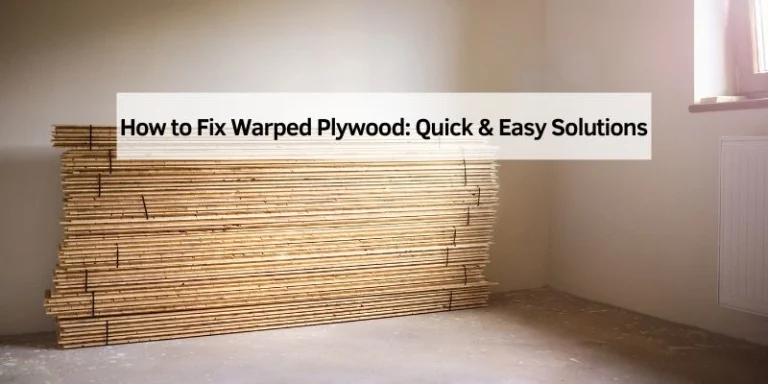
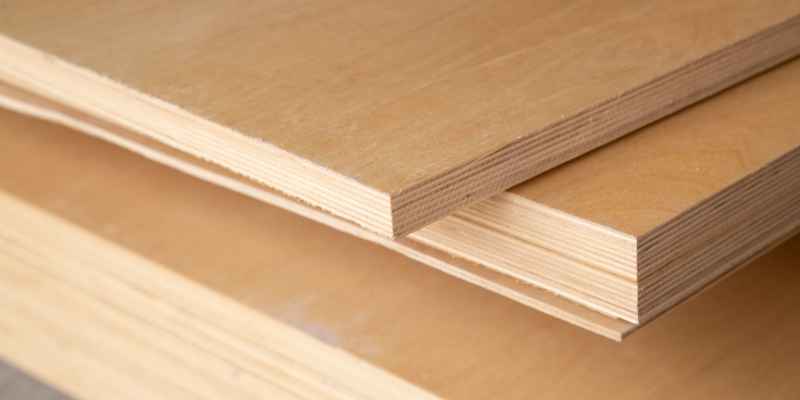
Proper storage and handling of 4×8 sheets of plywood is essential. Keep sheets in a dry area to prevent warping. Storing them flat is best. If space is limited, stack them on edge. Use supports every few feet to maintain shape.
Transporting sheets safely ensures they arrive in good condition. Use a truck or trailer for large loads. Secure sheets with straps to prevent movement. Cover the sheets with a tarp to protect them from weather. Always lift sheets with care to avoid injury.
Sustainability And Sourcing
Choosing eco-friendly plywood options is important for the planet. Many companies offer sustainable products. Look for plywood made from recycled materials. This helps reduce waste in landfills.
Responsible sourcing ensures that wood comes from managed forests. Check for certifications like FSC (Forest Stewardship Council). This label shows the wood is harvested sustainably.
Consider bamboo plywood. It grows fast and is very strong. Another option is plywood made from reclaimed wood. This uses old wood, giving it a new life.
| Eco-friendly Option | Description |
|---|---|
| Recycled Plywood | Made from recycled wood materials. |
| Bamboo Plywood | Fast-growing, strong, and renewable resource. |
| Reclaimed Wood Plywood | Utilizes old wood, preventing waste. |
Frequently Asked Questions
How Do I Calculate Plywood Sheets Needed?
To calculate the number of 4×8 plywood sheets required, first determine the total square footage of your project. Divide this number by the area of one sheet (32 square feet). This will give you the total sheets needed, rounding up for any excess or waste.
What Is The Size Of A 4×8 Plywood Sheet?
A standard 4×8 plywood sheet measures 4 feet by 8 feet, equating to 32 square feet. This size is commonly used in construction and DIY projects. Knowing this size helps in accurately calculating how many sheets are needed for your project.
Can I Use Smaller Sheets Instead?
Yes, you can use smaller sheets of plywood. However, this may increase the number of seams and joints in your project. Always consider the overall design and structural integrity when opting for smaller sheets over the standard 4×8 size.
How Much Waste Should I Expect?
Expect around 10-15% waste when working with plywood sheets. This accounts for cuts, mistakes, and imperfections. It’s wise to factor this into your calculations to ensure you have enough material for your project.
Conclusion
Calculating the number of 4×8 sheets of plywood needed is essential for any project. Understanding your specific measurements helps avoid waste and saves money. Always double-check your calculations before making a purchase. This ensures you have enough materials to complete your project efficiently and effectively.
Happy building!