How Many Coats of Polyurethane on Butcher Block: Optimal Layers
Apply three to four coats of polyurethane on butcher block for optimal protection. Allow each coat to dry completely before applying the next.
Butcher block countertops are a popular choice for kitchens due to their aesthetic appeal and durability. To maintain their beauty and functionality, proper finishing is essential. Polyurethane provides a strong protective barrier against moisture, stains, and scratches. Choosing the right number of coats is crucial for achieving a long-lasting finish.
Many homeowners wonder how many coats are necessary. Applying three to four coats ensures maximum protection while allowing the wood’s natural beauty to shine through. Each coat builds up the finish, creating a resilient surface ideal for heavy kitchen use. Proper care will help your butcher block countertop last for years.
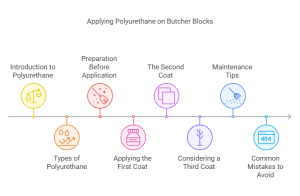
Introduction To Polyurethane On Butcher Blocks
Polyurethane is a popular finish for butcher blocks. It provides a durable and protective layer. This coating helps resist moisture and stains. Proper application enhances the wood’s natural beauty.
Benefits Of Polyurethane
Choosing polyurethane for your butcher block offers many advantages:
- Durability: It withstands scratches and dents.
- Water Resistance: Protects against spills and moisture.
- Easy Maintenance: Simple to clean and maintain.
- Variety: Available in different finishes, from matte to glossy.
- Enhances Appearance: Accentuates the wood grain and color.
Importance Of Proper Application
Applying polyurethane correctly is crucial for the best results. Follow these steps:
- Start with a clean, sanded surface.
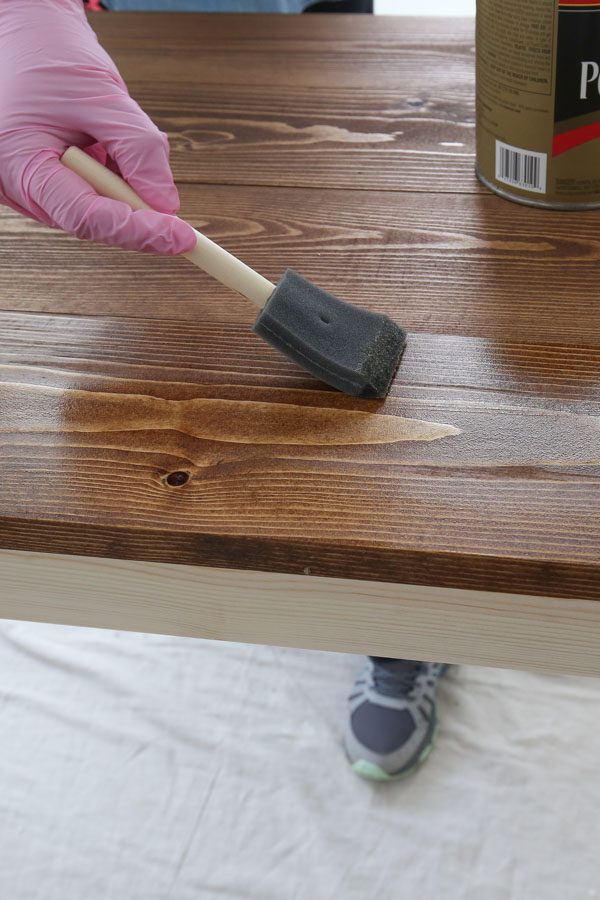
- Use a high-quality brush or foam applicator.
- Apply thin, even coats.
- Allow proper drying time between coats.
- Sand lightly between coats for a smooth finish.
Proper application ensures a strong bond and long-lasting protection. Skipping steps may lead to issues down the line.
Types Of Polyurethane For Butcher Blocks
Choosing the right type of polyurethane is crucial for butcher blocks. Different types offer unique benefits. Understanding these differences helps in making the best choice for your kitchen.
Oil-based Vs. Water-based
Two main types of polyurethane exist: oil-based and water-based. Each has distinct properties.
| Feature | Oil-Based Polyurethane | Water-Based Polyurethane |
|---|---|---|
| Drying Time | Slower drying time | Faster drying time |
| Durability | Highly durable | Less durable |
| Color | Amber tint | Clear finish |
| Odor | Stronger odor | Low odor |
| Application | Requires mineral spirits for clean-up | Water clean-up |
Oil-based polyurethane offers a warm, amber hue. It provides excellent durability. However, it takes longer to dry and has a strong smell.
Water-based polyurethane dries quickly. It has a clear finish, maintaining the wood’s natural color. The clean-up process is easier with water.
Choosing The Right Type For Your Needs
Selecting the right polyurethane type depends on your preferences. Consider these factors:
- Usage: How often will the butcher block be used?
- Appearance: Do you prefer a warm tint or a clear finish?
- Durability: Is heavy-duty protection necessary?
- Application: Are you comfortable with longer drying times?
For high-traffic kitchens, oil-based might be the best choice. For quick projects, water-based is ideal. Assess your needs before making a decision.
Preparation Before Application
Proper preparation is vital for a successful polyurethane application. Follow these steps to ensure a smooth finish on your butcher block. Clean the surface and sand it for smoothness.
Cleaning The Surface
Start by removing any dust or debris. Use a clean, dry cloth to wipe the surface. For sticky spots, use a mild soap solution. Rinse with a damp cloth. Let the surface dry completely.
- Use a soft cloth for dusting.
- Mild soap helps with sticky residues.
- Always rinse well to remove soap.
- Ensure the surface is fully dry.
Sanding For Smoothness
Sanding prepares the butcher block for polyurethane. It helps the finish adhere better. Use 120-grit sandpaper for initial sanding. Follow with 220-grit sandpaper for a smooth touch.
- Sand with the grain, not against it.
- Remove all dust after sanding.
- Check for rough spots and sand again.
Always wear a mask while sanding. This protects you from dust inhalation. A well-prepared surface ensures an even coat of polyurethane.
Applying The First Coat
Applying the first coat of polyurethane is crucial for butcher block protection. It creates a strong barrier against moisture and stains. Follow these steps for a smooth application.
Tools And Techniques
Gather the right tools for best results:
- Polyurethane Finish: Choose oil-based or water-based.
- Brush or Foam Applicator: Use a high-quality brush.
- Sandpaper: Start with 220-grit for a smooth surface.
- Rags: For wiping off excess finish.
- Drop Cloth: Protect your work area.
Follow these techniques for application:
- Sand the butcher block thoroughly.
- Clean the surface to remove dust.
- Use a brush or foam applicator.
- Apply polyurethane in the direction of the grain.
- Don’t overload your brush to avoid drips.
Drying Time And Conditions
Drying time varies based on the type of polyurethane:
| Type | Drying Time |
|---|---|
| Water-Based | 1 to 2 hours |
| Oil-Based | 4 to 6 hours |
Ensure proper conditions for drying:
- Temperature: Keep between 70°F and 85°F.
- Humidity: Aim for low humidity levels.
- Ventilation: Ensure good air circulation.
Check the surface before applying the next coat. It should feel dry and smooth.
The Second Coat: Necessity And Application
The second coat of polyurethane is crucial for butcher block surfaces. It enhances durability and provides extra protection. This coat fills in any gaps and creates a smooth finish. Proper application ensures your butcher block lasts longer.
When To Apply
Timing is important for applying the second coat. Wait for the first coat to dry completely. This usually takes about 4 to 6 hours. Check for a dry and smooth surface. If it feels tacky, wait longer before applying the next coat.
Application Tips For The Second Layer
- Use a high-quality brush or foam applicator.
- Stir the polyurethane gently before use. Avoid bubbles.
- Apply a thin layer evenly across the surface.
- Brush with the grain of the wood for best results.
After applying, let it dry again. This will take another 4 to 6 hours. Sand lightly with fine-grit sandpaper for a smooth finish. Clean the dust before applying any more coats.
| Step | Action | Duration |
|---|---|---|
| 1 | Apply first coat | 4 to 6 hours |
| 2 | Check surface for dryness | Varies |
| 3 | Apply second coat | 4 to 6 hours |
| 4 | Sanding | As needed |
Following these tips will help you achieve a beautiful finish. Protect your butcher block for years to come. Enjoy your stunning, durable surface!
Considering A Third Coat
Applying a third coat of polyurethane on your butcher block can enhance its durability and appearance. The right number of coats protects the wood and maintains its beauty. Let’s explore when a third coat is necessary and how to apply it correctly.
When Is It Necessary?
Not every butcher block needs a third coat. Here are some signs that you might need one:
- Visible Wood Grain: If the wood grain appears rough.
- Inconsistent Finish: If the finish looks uneven.
- Frequent Use: If the block is used daily.
- Water Resistance: If water beads on the surface.
A third coat can provide extra protection. This is especially true for high-traffic kitchen surfaces.
Application And Drying
Applying a third coat requires careful steps:
- Prep the Surface: Sand lightly to remove dust.
- Choose the Right Polyurethane: Use a water-based product for quick drying.
- Apply Evenly: Use a brush or foam applicator.
- Follow Drying Time: Allow at least 4 hours to dry.
- Sand Between Coats: Lightly sand before the final coat.
Ensure proper ventilation during application. This helps the drying process and reduces fumes.
| Step | Details |
|---|---|
| Prep the Surface | Sand lightly and clean the surface. |
| Choose Polyurethane | Opt for water-based for easy cleanup. |
| Application | Use a brush or foam applicator for smoothness. |
| Drying Time | Minimum 4 hours before sanding. |
| Final Coat | Lightly sand before applying the final coat. |
After applying the third coat, let it cure for at least 24 hours. This ensures a strong, protective layer.
Maintenance Tips For Longevity
Proper maintenance ensures your butcher block lasts. Follow these tips to keep it beautiful and functional.
Regular Cleaning
Keeping your butcher block clean is essential. Follow these cleaning tips:
- Use a damp cloth for daily cleaning.
- For tough stains, use a mild soap solution.
- Avoid soaking the wood in water.
- Wipe up spills immediately to prevent damage.
Deep clean your butcher block monthly:
- Sprinkle baking soda on stains.
- Scrub gently with a soft sponge.
- Rinse and dry thoroughly.
When To Reapply Polyurethane
Reapplying polyurethane protects your butcher block. Look for these signs:
| Sign | Action |
|---|---|
| Visible wear or scratches | Reapply a new coat |
| Dull appearance | Consider reapplication |
| Water stains or spills | Apply a fresh coat |
Typically, reapply every 6 to 12 months. Assess the condition regularly.
Common Mistakes To Avoid
When applying polyurethane on butcher block, mistakes can happen easily. Recognizing these common errors can save time and effort. Here are crucial mistakes to avoid for a flawless finish.
Applying Too Many Layers
One frequent mistake is applying too many layers of polyurethane. More is not always better. Here’s why:
- Thicker layers can lead to a sticky finish.
- Excessive coats may peel off over time.
- Too many layers can obscure the wood’s natural beauty.
Follow this simple guideline:
- Apply a maximum of three thin coats.
- Wait for each coat to dry completely.
- Sand lightly between coats for better adhesion.
Inadequate Drying Time
Rushing the drying process is another common mistake. Each layer of polyurethane needs time to cure. Skipping this step leads to problems:
- Sticky surfaces that attract dust.
- Weak adhesion that results in peeling.
- Uneven appearance that looks unprofessional.
To ensure proper drying:
| Coat Number | Recommended Drying Time |
|---|---|
| First Coat | 4-6 hours |
| Second Coat | 6-8 hours |
| Third Coat | 8-10 hours |
Always check the manufacturer’s instructions for drying times. Patience pays off with a durable finish.
Frequently Asked Questions
How Many Coats Of Polyurethane Are Ideal?
Typically, three coats of polyurethane are recommended for butcher block surfaces. This provides adequate protection against moisture and wear. Each coat should be applied thinly and allowed to dry completely before adding the next. This ensures a smooth, durable finish that enhances the wood’s natural beauty.
Can I Use Water-based Polyurethane On Butcher Block?
Yes, water-based polyurethane is suitable for butcher blocks. It dries quickly and has lower levels of volatile organic compounds (VOCs). This makes it a safer option for indoor use. Additionally, it maintains the wood’s natural color without yellowing over time, which is ideal for kitchen surfaces.
How Long Should I Wait Between Coats?
You should wait at least 2-4 hours between coats of polyurethane. This waiting time allows the previous layer to cure properly, ensuring good adhesion. However, drying times can vary based on humidity and temperature. Always follow the manufacturer’s recommendations for best results.
Do I Need To Sand Between Coats?
Yes, sanding between coats of polyurethane is essential. Lightly sanding creates a smooth surface and improves adhesion. Use fine-grit sandpaper to avoid damaging the previous coat. Wipe away dust before applying the next layer to ensure a flawless finish.
Conclusion
Applying the right number of polyurethane coats is essential for protecting your butcher block. Generally, three to four coats ensure durability and a beautiful finish. Always allow proper drying time between layers. With the right care, your butcher block will remain functional and attractive for years to come.
Happy woodworking!