Can You Pour Polyurethane Thick? The Real Answer
No — not in the way most people picture “pouring it thick.” Standard polyurethane (oil-based or water-based) is a thin-film finish, built up in coats of about 1-4 mils each, roughly the thickness of a sheet of paper. Pour it on 1/8 inch or 1/4 inch thick like a bar-top epoxy and it won’t cure properly: the surface skins over while the material underneath stays soft, trapping solvent and leaving a wrinkled, tacky mess that can take weeks to fully harden, if it ever does.
This is the mix-up behind most “polyurethane thick pour” questions: people are picturing the crystal-clear, inch-deep tabletop pours they’ve seen online, and those are epoxy resin, not polyurethane. Epoxy is formulated as a two-part reactive system that cures through a chemical reaction and can be poured in deep layers on purpose — some deep-pour formulas handle several inches in one shot. Polyurethane cures by solvent evaporation (oil-based) or by the resin particles fusing together as water evaporates (water-based), and neither process works if you bury it under a thick puddle with nowhere for the solvent or moisture to escape.
Introduction To Polyurethane
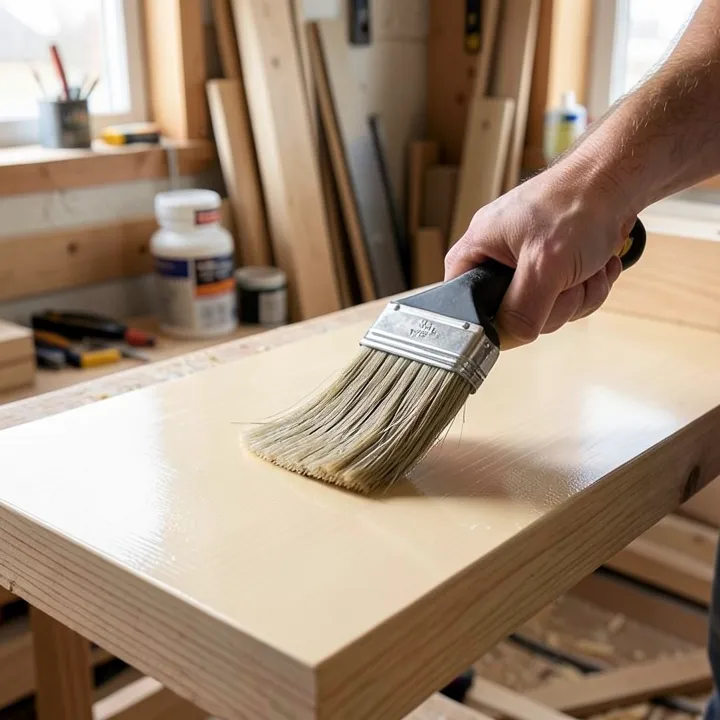
Polyurethane is a versatile material. It comes in liquid and foam forms. This substance is popular for both industrial and DIY projects. It offers durability and flexibility. Understanding its properties is crucial for effective use.
Qualities Of Polyurethane
Polyurethane has several key qualities that make it ideal for many applications:
- Durability: It resists wear and tear.
- Flexibility: It can bend without breaking.
- Water Resistance: It protects against moisture damage.
- Adhesion: It sticks well to various surfaces.
- UV Resistance: It withstands sunlight without degrading.
Common Uses In DIY And Woodworking
Polyurethane is popular in DIY and woodworking projects. Here are some common uses:
- Finishing: Used as a protective topcoat for wood.
- Sealing: Fills gaps and prevents moisture entry.
- Adhesive: Bonds wood pieces together strongly.
- Foam Padding: Provides cushioning for furniture.
- Coating: Adds a glossy finish to surfaces.
Many people choose polyurethane for its effectiveness. This material enhances the longevity of projects — as a thin protective film, not a deep pour.
Thickness Considerations
Thickness considerations are vital when working with polyurethane, and this is where the “pour it thick” idea breaks down. Manufacturers publish wet-film thickness specs for a reason — going outside that range causes real problems, not just cosmetic ones.
Actual Recommended Thickness By Project
These are wet-film thicknesses in mils (thousandths of an inch), which is how polyurethane is actually specified — not fractions of an inch:
| Project Type | Recommended Wet-Film Thickness |
|---|---|
| Wood Furniture Finishing | 2-4 mils per coat, 2-3 coats |
| Countertops | 2-4 mils per coat, 3-4 coats (use epoxy for a deep poured look) |
| Floor Coating | 3-4 mils per coat, 2-3 coats with sanding between |
| Arts and Crafts | 1-2 mils for a smooth finish |
If a project actually calls for a thick, self-leveling, deep-poured surface — a river table, a bar top, a thick clear tabletop coat — that’s a job for epoxy resin, not polyurethane. Trying to force polyurethane to do epoxy’s job is the single biggest cause of the problems below.
Risks Of Pouring Too Thick
Poor application can lead to several issues. Here are the real risks of applying polyurethane too thick:
- Wrinkling and Skinning Over: The surface forms a film while the material underneath stays liquid, trapping solvent.
- Permanent Tackiness: Thick pours can remain soft or sticky for weeks, and some never fully harden.
- Extremely Long Cure Time: What should take hours can take days or weeks.
- Poor Adhesion And Cracking: Thick coats are more prone to cracking and can peel away from the surface underneath.
Pay attention to the thickness during application. Building up the look of a deep pour with several correctly-thin coats — sanded lightly between each — gets you the durable result without the failure risk.
Preparation For Building Up A Polyurethane Finish
Proper preparation is key for a successful polyurethane finish, thick-looking or otherwise. This ensures a smooth finish and better adhesion. Follow these steps to prepare effectively.
Surface Preparation Essentials
Surface preparation is crucial. A clean and smooth surface promotes better results. Here are the steps to prepare your surface:
- Clean the Surface: Remove all dirt and grease.
- Sanding: Use sandpaper to smooth the surface.
- Repair Imperfections: Fill any cracks or holes.
- Dust Removal: Wipe down with a damp cloth.
Ensure the surface is completely dry before applying polyurethane. Moisture can affect adhesion.
Selecting The Right Polyurethane Product
Choosing the right polyurethane product is essential. Different types suit various applications. Here’s a simple guide:
| Type of Polyurethane | Best For | Finish Options |
|---|---|---|
| Oil-Based | Wood floors, furniture | Gloss, satin |
| Water-Based | Indoor projects, quick drying | Clear, matte |
| Aliphatic | High-traffic areas | Glossy |
Check the label for specific application instructions — the manufacturer’s own wet-film thickness spec always overrides general rules of thumb like the ones on this page.
Building Up Film Thickness The Right Way
Since you can’t pour your way to a thick, durable finish, layering thin coats is the actual technique that works. Understanding it helps you avoid the common failure of trying to shortcut with one heavy application.
Layering Strategy For Real Thickness
A proper layering strategy is how you build up real film thickness without the wrinkling and tack problems of a thick pour. Here are the key points:
- Apply a thin, even coat with a brush, foam applicator, or sprayer — never pour it on.
- Let each coat cure fully before adding the next (check the can — usually 4-24 hours depending on the product and conditions).
- Each coat should be roughly 2-4 mils wet, not 1/8 inch.
- Lightly sand between coats with 220-grit to promote adhesion.
This method builds real durability without cracking or peeling. Patience across several thin coats beats one thick pour every time.
Avoiding Bubbles And Imperfections
Bubbles can ruin the appearance of your project even in a properly thin coat. Follow these tips to minimize imperfections:
- Stir, don’t shake, to avoid whipping air into the can.
- Use a foam brush or lambswool applicator to lay the coat on evenly.
- Apply with long, even strokes rather than working the same spot repeatedly.
- Work in a dust-free environment.
Pay attention to temperature. Cooler temperatures can lead to more bubbles and slower leveling. A warm workspace helps create a smooth finish.
Curing Time And Conditions
Curing time is crucial for polyurethane finishes. It affects the durability and appearance of the final product. Knowing how coat thickness impacts how long polyurethane takes to cure helps in planning your project effectively.
Impact Of Coat Thickness On Curing Time
Even within the correct mil range, thickness plays a role in cure time. Here’s a realistic overview for a properly thin coat:
| Wet-Film Thickness (mils) | Typical Recoat Time (hours) |
|---|---|
| 1-2 | 2-4 |
| 2-4 | 4-8 |
| Full cure (any coat, before heavy use) | 24-72 (check the can) |
Going beyond a few mils per coat — let alone pouring it 1/8 inch thick — leads to:
- Drying times measured in weeks, not hours
- A much higher risk of surface wrinkling and trapped bubbles
- Poor adhesion to the layer below
Optimal Environment For Curing
The environment significantly affects curing time. Factors to consider include:
- Temperature: Ideal range is 70°F to 80°F.
- Humidity: Keep it below 50% for best results.
- Airflow: Ensure good ventilation to promote drying.
Creating the right conditions helps achieve a hard, smooth finish. Avoid applying polyurethane in damp or cold areas.
Sanding And Finishing
Sanding and finishing are vital steps for a great polyurethane application. Proper technique enhances the final look. It ensures a durable and smooth surface. Follow the tips below for best results.
Sanding Between Layers
Sanding between polyurethane layers is important. It creates a smooth bond. Here are some key points:
- Use fine-grit sandpaper, typically 220-grit.
- Wait for the layer to dry fully before sanding.
- Sand lightly to avoid damaging the previous layer.
- Clean the surface after sanding to remove dust.
Follow these steps for each layer. This practice enhances adhesion and finish quality.
Achieving A Smooth Finish
A smooth finish makes a project stand out. Here are some tips to achieve it:
- Apply thin coats of polyurethane — this is the one rule that matters most.
- Use a high-quality brush or foam applicator.
- Work in long, even strokes.
- Allow adequate drying time between coats.
Consider this table for common finishing tips:
| Tip | Description |
|---|---|
| Thin Coats | Thin layers dry faster and reduce runs. |
| Quality Tools | Good brushes or applicators improve the finish. |
| Dry Time | Proper drying prevents smudges and imperfections. |
Following these tips leads to a professional-looking finish. Enjoy the process and admire your work!
Advanced Tips For Professionals
Professionals often seek ways to improve their polyurethane application. Understanding the nuances of building film thickness the right way can lead to better results. Here are some advanced tips to enhance your technique.
Temperature And Humidity Control
Temperature and humidity significantly affect polyurethane’s performance. Proper control can lead to smoother finishes and faster curing times.
- Ideal Temperature: Maintain temperatures between 70°F to 85°F.
- Humidity Levels: Keep humidity below 60% for best results.
- Pre-Conditioning: Pre-condition materials to match room temperature.
Check the following table for temperature and humidity effects:
| Temperature (°F) | Humidity Level (%) | Effect on Polyurethane |
|---|---|---|
| Below 60 | Above 60 | Slower curing time |
| 70 – 85 | Below 60 | Optimal curing and finish |
| Above 85 | Any | Risk of bubbling |
Using Additives For Enhanced Properties
Additives can improve polyurethane’s performance. They enhance flow, drying time, and appearance — they don’t change the fact that thin coats are still the rule.
- Flow Control Additives: Help achieve a smoother finish.
- Accelerators: Speed up drying time significantly.
- Stabilizers: Prevent yellowing over time.
Consider these tips when using additives:
- Follow manufacturer recommendations for dosing.
- Test on a small area first.
- Mix thoroughly to ensure even distribution.
Troubleshooting Common Issues
Polyurethane can cause some problems during application, and most of them trace back to going on too thick. Understanding these issues helps achieve a smooth finish. Here’s how to fix common problems like cracks, bubbles, and sticky surfaces.
Fixing Cracks And Bubbles
Cracks and bubbles can ruin your project. Here are steps to address these issues:
- Identify the Cause: Cracks often trace back to an overly thick coat curing unevenly. Bubbles often form from shaking the can or applying too fast.
- Sand the Area: Use fine-grit sandpaper to smooth the surface.
- Apply a New Coat: After sanding, apply a thin coat of polyurethane. Make sure to spread it evenly.
- Use a Heat Gun Carefully: A brief pass can help release trapped surface bubbles, but won’t fix a coat that’s too thick to cure — that has to be sanded back.
Dealing With Sticky Or Uncured Polyurethane
Sticky or uncured polyurethane is almost always a too-thick application, though humidity, cold, and a couple of other causes can do it too — see this full sticky-polyurethane troubleshooting guide for the mineral-spirits fix if a coat won’t stop feeling tacky. Follow these tips to resolve the issue:
- Check Temperature: Ensure the working area is warm enough. Ideal temperature is around 70°F (21°C).
- Humidity Levels: High humidity can slow curing. Aim for 50% humidity or lower.
- Wait Longer, Then Reassess: Allow more time for curing — but if a coat was poured on far too thick, extra time alone may not fix it.
- Remove and Redo If Needed: If a section stays tacky after several days, sand it back to bare wood and reapply in proper thin coats.
Keep these tips handy. They can help save your project and ensure a smooth finish.
Safety Measures And Best Practices
Using polyurethane safely is crucial. Follow these safety measures to protect yourself and your environment.
Protective Gear And Ventilation
Wearing the right protective gear is essential. It keeps you safe from harmful chemicals in polyurethane.
- Gloves: Use chemical-resistant gloves.
- Mask: Wear a respirator to avoid inhaling fumes.
- Goggles: Protect your eyes from splashes.
- Clothing: Wear long sleeves and pants to cover skin.
Proper ventilation is key. It helps reduce harmful fumes in the air — this matters even more with a too-thick application, since it off-gasses solvent for far longer.
- Open windows and doors for fresh air.
- Use fans to increase airflow.
- Work outdoors when possible.
Safe Disposal Of Polyurethane Products
Disposing of polyurethane safely is important. Follow these guidelines for safe disposal:
| Disposal Method | Description |
|---|---|
| Local Hazardous Waste Facility | Drop off unused polyurethane at a facility. |
| Follow Local Regulations | Check local laws for specific disposal rules. |
| Avoid Regular Trash | Do not throw polyurethane in the regular trash. |
These steps help protect the environment. Be responsible with your materials.
Conclusion: Getting A Thick, Durable Finish The Right Way
Getting a thick-looking, durable polyurethane finish is absolutely possible — it just isn’t done by pouring it on in one heavy layer. This section highlights the key takeaways.
Recap Of Key Takeaways
- Thin Coats Win: Several thin coats (2-4 mils each) build real durability; one thick pour causes wrinkling and permanent tack.
- Wrong Tool For The Job: If you actually need a deep, self-leveling pour, use epoxy resin, not polyurethane.
- Temperature Control: Ideal temperatures enhance curing and adhesion.
- Layering And Sanding: Light sanding between coats is what gives a build-up of thin coats its “thick” look and feel.
- Use of Additives: Additives can improve flow and reduce bubbles, but don’t change the coat-thickness rule.
Encouragement To Experiment And Learn
Don’t hesitate to try different techniques within the safe range. Every project is a chance to learn. Here are some tips for experimentation:
- Start with small projects to test your skills.
- Document your coat counts and dry times for future reference.
- Adjust temperatures based on your environment.
- Try various additives to see their effects on flow and leveling.
- Seek feedback from peers for improvement.
Embrace the journey of building a truly durable polyurethane finish, one correctly thin coat at a time.
Frequently Asked Questions
Can You Apply Polyurethane Thickly?
You can apply a slightly heavier coat within the manufacturer’s recommended wet-film range (usually up to about 4 mils), but you cannot pour polyurethane on thick the way you would epoxy. Thick applications skin over on top while staying uncured underneath, trapping solvent and causing wrinkling. Multiple thin coats, sanded between each, are the correct way to build up thickness and durability.
Always follow the manufacturer’s instructions for the best results.
What Happens If You Pour Polyurethane Too Thick?
Pouring polyurethane too thick traps solvent under a skinned-over surface, so it may stay tacky or soft for weeks instead of curing normally. Thick applications also trap air bubbles and are far more prone to wrinkling and cracking. To avoid these problems, stick to thin coats within the product’s recommended mil range, and use epoxy resin instead if you actually need a deep, poured-look finish.
How Thick Should A Polyurethane Coat Be?
A polyurethane coat should be about 2-4 mils wet — roughly the thickness of a sheet of paper — not a fraction of an inch. This thickness allows for proper curing and minimizes defects. Applying multiple thin coats is always correct over a single thick layer. Each coat should be allowed to dry completely before applying the next.
This ensures a smooth and long-lasting finish.
Can You Sand Between Polyurethane Layers?
Yes, sanding between polyurethane layers is advisable and is actually part of what makes thin-coat layering work. It helps create better adhesion for subsequent coats. Light sanding with fine-grit sandpaper smooths the surface and removes imperfections. Ensure the previous layer is fully cured before sanding. This practice enhances the overall finish and durability of your project.
Conclusion
Pouring polyurethane thick doesn’t get you a better finish — it gets you a wrinkled, slow-curing mess, because polyurethane simply isn’t built for deep pours the way epoxy is. Stick to thin, properly-specced coats, sand lightly between each, and you’ll get the durable, glass-smooth finish people are actually picturing when they ask about a “thick pour.” If you genuinely need a deep, self-leveling layer, reach for epoxy resin instead.
Sponsored / affiliate links. As an Amazon Associate I earn from qualifying purchases. I may earn additional commission from eligible campaigns.