Can You Put Polyurethane Over Shellac? Only If It’s Dewaxed
Yes, but only over dewaxed shellac. Regular shellac contains wax that stops oil-based and water-based polyurethane from bonding, while Zinsser SealCoat is 100% de-waxed and is rated for polyurethane topcoats. If you don’t know which shellac is on the wood, seal it with SealCoat first. This guide covers the wax question, prep, dry times, and where the advice conflicts.
Short Answer: It Depends on the Wax
Shellac is a resin dissolved in alcohol, and the version most people have in the garage is the waxed kind. Fine Woodworking states that the wax in regular shellac interferes with the adhesion of oil-based polyurethane and water-based finishes, and that dewaxed shellac such as Zinsser SealCoat removes that problem. That one fact decides almost every ‘will poly stick?’ question below.
Best Dewaxed Shellac Barrier Pick
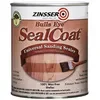 |
Zinsser Bulls Eye SealCoat Universal Sanding Sealer ($21.99) This is the dewaxed shellac the article recommends as the barrier coat under oil-based or water-based polyurethane, so you do not have to guess whether your existing shellac has wax in it.
|
As an Amazon Associate we earn from qualifying purchases.
Waxed vs Dewaxed Shellac Under Polyurethane
Most online answers stop at ‘use dewaxed shellac.’ The useful part is knowing what you actually have. This table pulls together what the manufacturer and finishing sources say, so you can match your situation to an action. If you want a deeper comparison of the two shellac types, see our guide to waxed vs dewaxed shellac.
| What is on the wood | Oil-based polyurethane | Water-based polyurethane | What to do |
|---|---|---|---|
| Dewaxed shellac (for example Zinsser SealCoat) | Compatible per Zinsser | Compatible per Zinsser | Scuff lightly, remove dust, topcoat |
| Regular waxed shellac (for example Zinsser Bulls Eye Shellac) | Adhesion risk per Fine Woodworking | Adhesion risk per Fine Woodworking | Seal with dewaxed shellac first |
| Old shellac, wax status unknown | Unknown | Unknown | Treat as waxed and add a dewaxed barrier coat |
| Waxed shellac as a thin sealer (2 lb cut or less) | One informal test showed no lifting | Not covered by that test | Use dewaxed anyway on a finish you care about |
Not sure whether your can is dewaxed? Our page on whether Zinsser shellac is dewaxed sorts out the product names, and what dewaxed shellac is explains the basics.
Where the Advice Conflicts (and What We Would Do)
This topic has a genuine disagreement, and most articles hide it. Marc Spagnuolo of The Wood Whisperer ran a self-described non-scientific test with waxed and dewaxed shellac under polyurethane, using tape-lift tests and epoxy dots, and saw no lifting on any board. His conclusion was limited to shellac used as a sealer coat at a 2 lb cut or less, and he was clear that too many variables were in play to be certain.
Zinsser and Fine Woodworking take the cautious side: wax can interfere with adhesion, and the dewaxed product costs little. The two positions can be reconciled. A thin waxed sealer coat may hold in a quick test, but a failed topcoat on a finished table means stripping the piece. Because the fix is one extra coat of dewaxed shellac, the sensible choice on a project that matters is to use dewaxed.
A Myth Worth Correcting: Shellac Helps Polyurethane Stick
Shellac is not a magic primer for polyurethane. It only helps when it is wax-free. Sanding is not a substitute either: Zinsser’s data sheet requires the surface to be free of wax, and scuffing a waxed shellac film does not obviously remove wax that is part of the film. That last point is our reading of the wax problem, not a tested result, so verify on a scrap board.
How to Put Polyurethane Over Shellac, Step by Step
This sequence follows Zinsser’s SealCoat data sheet for the sealer steps, plus standard finishing practice for the poly coats.
- Confirm the shellac is fully dry. Shellac dries fast, but cool or humid air slows it. It should sand to a dry powder rather than gum up the paper.
- Clean the surface. Zinsser calls for a surface that is clean, dry, sound and free of dust, dirt, grease, oil and wax.
- Scuff sand. Zinsser’s sealer directions use 120-grit or finer on bare wood and 220-grit or finer between coats on furniture. Remove all dust afterward.
- Add the dewaxed barrier if there is any doubt. Zinsser’s bond-coat directions for going over an existing finish call for two full coats of SealCoat, applied when air, material and surface temperatures are between 50 and 90 degrees F and relative humidity is below 85 percent.
- Let the sealer dry, then sand lightly. Use the times in the table below and clear all dust.
- Apply thin polyurethane coats. Thin coats with a good brush or foam applicator reduce runs. Sand lightly between coats and follow the polyurethane can for recoat windows.
Dry and Recoat Times for the Shellac Step
These numbers come from Zinsser’s SealCoat data sheet. Warmer temperatures shorten them, while colder temperatures, higher humidity, or added tint lengthen them.
| Coat | Dry to touch | Sand or recoat |
|---|---|---|
| First coat on bare wood | 5 to 10 minutes | 20 to 30 minutes |
| Later coats, or coats over an existing finish | 10 to 15 minutes | 1 hour |
The old rule of thumb of waiting 24 hours before topcoating is far more than the data sheet requires for SealCoat. Waiting overnight is still sensible in a cold or damp shop, and a Woodweb finishing thread recommends letting shellac dry completely overnight before sanding and applying a waterborne topcoat. Polyurethane’s own dry and cure times are set by the polyurethane maker, so read that can. Our comparison of water-based vs oil-based polyurethane covers how they differ.
Choosing Oil-Based or Water-Based Polyurethane
Over dewaxed shellac, Zinsser lists both as compatible, so the choice is about the look and the job. Whichever you pick, do one test board with your exact stain, shellac and poly.
Be careful with water-based poly over a very smooth shellac film. A Woodweb thread describes hairline cracking and alligatoring with a waterborne poly over Zinsser SealCoat, with respondents pointing to thick coats, cool damp conditions below 65 degrees F, and an overly smooth surface. Their suggested fixes were sanding the sealer with 320-grit, applying thin coats, and allowing full drying. That is a forum report rather than a manufacturer statement, so treat it as a reason to test, not as proof of failure.
For general application technique, see our guide to the best way to put polyurethane on wood. If you are weighing outdoor finishes instead, read spar urethane vs polyurethane. Note that Zinsser does not recommend SealCoat as a sealer on exterior surfaces.
Test Before You Commit: A Simple Adhesion Check
- Coat a scrap of the same wood with the same stain, shellac and polyurethane you plan to use.
- Let the poly cure per its own label, then press strong tape firmly onto the surface and pull it off. Tape-lift testing is what the Wood Whisperer used in his experiment.
- If any finish lifts, add a dewaxed shellac barrier coat and test again before touching the real piece.
- Check the sample for cloudiness, crazing, or fisheyes as well as lifting.
Common Mistakes
- Assuming any shellac is safe. Regular Zinsser shellac contains wax; only the SealCoat product is sold as dewaxed.
- Skipping the test board. Finish combinations fail on real furniture much more expensively than on scrap.
- Heavy first coats of water-based poly. Thin coats are the standard fix in crazing reports.
- Ignoring temperature and humidity. Zinsser’s window is 50 to 90 degrees F and under 85 percent humidity.
- Thinning SealCoat used as a bond coat. The data sheet says not to thin it when using it as a sealer or barrier coat.
Cleanup and Safety
SealCoat cleans up with alcohol, or with ammonia and water, per its data sheet, while oil-based polyurethane needs the solvent listed on its own can. Work with good ventilation and follow each product’s label for respirator and fire precautions. Oil-finish-soaked rags can be a fire hazard, so follow the disposal steps in our guide to how to dispose of varnish, brushes and rags. If you sand old paint or finish of unknown age, Zinsser’s data sheet warns about lead dust, so wear a NIOSH-approved respirator and clean up with a HEPA vacuum.
If the piece has a different finish under it, our page on putting polyurethane over varnish covers that case, and how to sand shellac covers scuffing technique. Still deciding between the two finishes? See shellac vs polyurethane.
Frequently Asked Questions
Can you put polyurethane over shellac without sanding?
Not reliably. Zinsser’s data sheet says the surface must be clean, dry, sound and free of wax, and its sealer directions call for sanding before the finish coat. If the shellac is dewaxed, a light scuff with fine sandpaper is standard. If it might contain wax, sanding alone does not make it a safe base, so add a dewaxed shellac barrier coat.
Can you put water-based polyurethane over shellac?
Yes, over dewaxed shellac. Zinsser lists SealCoat as compatible with both oil-based and water-based polyurethane. Waxed shellac is the problem case for water-based finishes. One Woodweb thread also reports crazing with a waterborne poly over SealCoat when coats were thick or the shellac was very smooth, so test a scrap and apply thin coats.
How long should shellac dry before polyurethane?
For Zinsser SealCoat, the data sheet gives 20 to 30 minutes before sanding or recoating on bare wood, and 1 hour for later coats or coats over existing finishes. Cool or humid shop air lengthens that, so when in doubt let it dry longer and confirm it sands to a dry powder before you topcoat.
Is Zinsser shellac dewaxed?
Only the SealCoat product is. Zinsser describes SealCoat as 100% de-waxed. Fine Woodworking notes that regular Zinsser shellac contains its natural wax, which interferes with adhesion of oil-based and water-based polyurethane.
Does polyurethane over shellac change the color?
Shellac already adds an amber or blond tone depending on the grade, and the polyurethane you choose adds its own tint. Check a sample board with the exact shellac and poly before finishing the piece.
Bottom Line
Polyurethane over shellac is a solid, common finish system as long as the shellac is dewaxed. When you can’t be sure, one or two coats of SealCoat under the poly is cheap insurance, and a scrap-board test tells you the rest. Keep coats thin, respect the temperature range, and let each layer dry before you sand.
Sponsored / affiliate links. As an Amazon Associate I earn from qualifying purchases. I may earn additional commission from eligible campaigns.