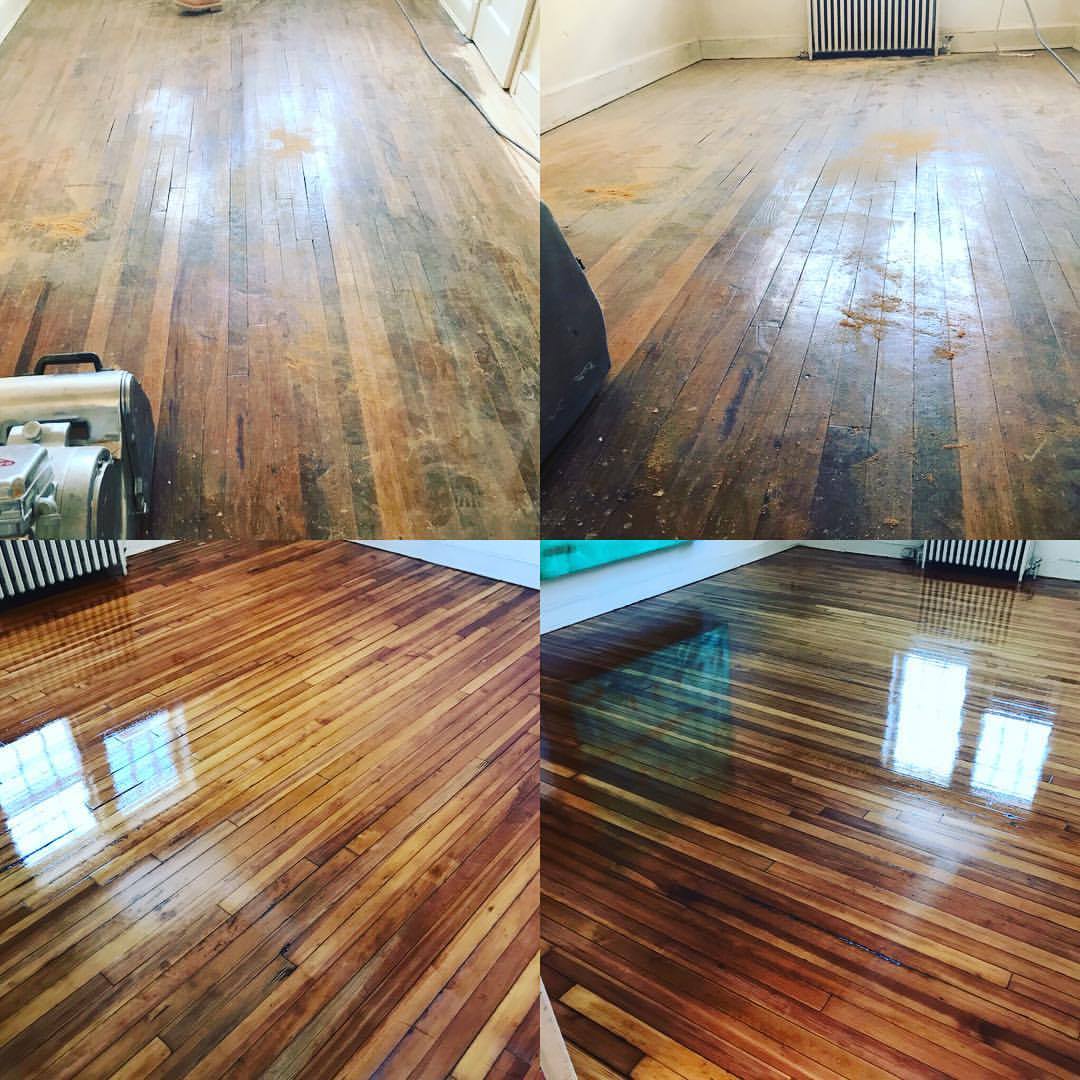
How Many Coats of Polyurethane on Hardwood Floors: Expert Advice
Are you wondering how many coats of polyurethane your hardwood floors need to look their best? You’re not alone.
Whether you’re refinishing old floors or protecting brand-new ones, getting the right number of coats is crucial. Too few, and your floors might not stand up to daily wear and tear. Too many, and you could end up with a sticky mess.
But don’t worry—you’re about to discover the perfect balance. By the end of this article, you’ll know exactly how to achieve stunning, long-lasting results that make your floors the envy of anyone who walks into your home. Keep reading to find out the secrets to a flawless finish that professionals swear by.
:max_bytes(150000):strip_icc()/FloorFinishing-f52c05e3149745deb80e55e1b67f5202.jpg)
Credit: www.thespruce.com
Polyurethane Basics
Applying three coats of polyurethane on hardwood floors offers optimal protection and enhances durability. Each layer dries quickly, leaving a glossy finish. Sand lightly between coats for a smooth surface.
Types Of Polyurethane
Polyurethaneis a clear coat used on wood floors. There are two main types. Oil-basedand water-based. Oil-based gives a warm look. It dries slowly. Water-based dries fast. It stays clear. Both types protect wood well.
Benefits Of Using Polyurethane On Hardwood
Polyurethane makes floors shinyand strong. It helps protect wood from scratchesand water. This means floors last longer. It is easy to clean. Dirt and dust do not stick easily. Polyurethane also makes wood look nice. It gives a smooth feel under your feet.
Determining Coat Quantity
The number of coats of polyurethanedepends on several factors. Each floor is unique. Some might need more layers. Others may require fewer. The type of hardwood plays a big role. Softer woods often need extra coats. Harder woods might need less. The finish you choose also matters. Glossy finishes may need more layers for shine. Satin finishes might need less for a matte look.
Floors with high traffic demand more protection. These areas often need more coats. Quiet rooms may require fewer layers. Floors with scratches need special attention. Extra coats can help cover imperfections. Always check the floor before starting. This ensures the right number of coats. Proper preparation leads to better results.
Application Techniques
Clean the floor well. Dust and dirt can ruin the finish. Sand the floor to make it smooth. Use a vacuum to remove dust. Check for scratches. Fix them before applying anything. Ensure the floor is dry. Wet spots cause problems. Ventilate the room. Fresh air helps the process.
Use a brush or roller to apply. Thin coats work best. Let each coat dry before adding more. Three coats is often enough. Check for bubbles. Fix them quickly. Follow the grain of the wood. This ensures even coverage. Wait before walking on the floor. Protect the floor from heavy items.

Credit: www.atlaswoodfloors.net
Drying And Curing Times
Polyurethane takes time to dry. Each coat needs about 24 hours. This drying time is important. It lets the surface become hard. Avoid walking on it too soon. This can cause damage. After drying, it needs to cure. Curing makes it strong and durable.
Curing needs good conditions. A warm room helps. Keep the room around 70°F. Humidity should be low. High humidity slows curing. Open windows for fresh air. This helps the process. Be patient. Good curing means a strong floor.
Common Mistakes To Avoid
Applying too many coats of polyurethanecan make floors look dull. It’s important to know how much is enough. Too much can cause peeling. It may also make the floor uneven. A few coats are often enough for a smooth finish.
Proper preparation is key for hardwood floors. Clean the surface before applying polyurethane. Sanding the floor helps the finish stick well. Skipping these steps can lead to poor results. A clean and smooth surface ensures the best finish. Take time to prepare for a better outcome.
Expert Tips
Applying Polyurethaneis key for hardwood floors. Experts suggest two to three coats. The first coat seals the wood. It protects the floor from scratches. The second coat adds more protection. The third coat is optional. It gives extra shine and durability.
Regular Cleaningkeeps floors looking new. Use a damp mop. Avoid using too much water. Water can damage wood. Use a soft broom for dust. Place rugs in high traffic areas. This prevents wear and tear.
Frequently Asked Questions
How Long Do You Have To Wait To Put A Second Coat Of Polyurethane On?
Wait 24 hours before applying a second coat of polyurethane. Ensure the first coat is completely dry. Lightly sand the surface between coats for better adhesion. Check the manufacturer’s instructions for specific drying times. Proper ventilation speeds up drying. Use a clean, dry brush for the second coat.
Should I Do 3 Or 4 Coats Of Polyurethane?
Apply three coats of polyurethane for moderate protection. Opt for four coats for enhanced durability and a smoother finish. Ensure each coat dries thoroughly before applying the next. Always sand lightly between coats for the best results. Choose based on your desired finish and surface usage.
Can You Put Too Many Coats Of Polyurethane On Wood?
Applying too many coats of polyurethane can lead to a thick, uneven finish. Excessive layers may cause peeling or cracking over time. Generally, three to four coats provide adequate protection and a smooth finish. Ensure proper sanding between coats for optimal adhesion and results.
Do I Need To Sand Between Every Coat Of Polyurethane?
You should sand lightly between coats of polyurethane. This helps achieve a smooth and even finish. Use fine-grit sandpaper for better results. Ensure the surface is clean before applying the next coat. Proper sanding prevents imperfections and enhances durability.
Conclusion
Choosing the right number of polyurethane coats is essential. It affects durability and appearance. More coats give better protection. But, too many can make floors look thick. Balance is key. Most recommend two to three coats. This offers strong protection.
Always consider the floor’s use. High-traffic areas may need more. Low-traffic areas might need less. Test on a small area first. Observe the finish and feel. Quality matters. So does application technique. Follow manufacturer instructions. Ensure a long-lasting, beautiful floor finish.
Your hardwood deserves the best care.