How Many Coats of Polycrylic Do You Actually Need?
Two to three thin coats of Polycrylic are enough for most furniture and interior wood projects; floors and heavily used tabletops do better with three to four coats for a thicker protective film. Polycrylic dries fast between coats, but each coat still needs to fully dry before the next goes on, or the film can stay soft and cloudy.
Polycrylic is a water-based protective topcoat, not a stain — it’s applied clear over bare wood, stain, or paint to add durability and a chosen sheen (matte, satin, semi-gloss, or gloss) without changing the wood’s color the way an oil-based polyurethane can.
What Polycrylic Is And Why It’s Different From Polyurethane
Polycrylic is a water-based acrylic protective finish, while traditional polyurethane comes in both oil-based and water-based versions. Oil-based polyurethane ambers wood over time and has a stronger odor and longer cure time; Polycrylic dries clear, has very low odor, and cleans up with water, which is why it’s the common choice for light-colored or white-painted furniture where yellowing would be visible.
Polycrylic isn’t as hard-wearing as oil-based polyurethane on very high-traffic surfaces like hardwood floors, but for furniture, cabinets, and trim it offers plenty of durability with much easier application and cleanup.
Best For Light Wood And Painted Finishes
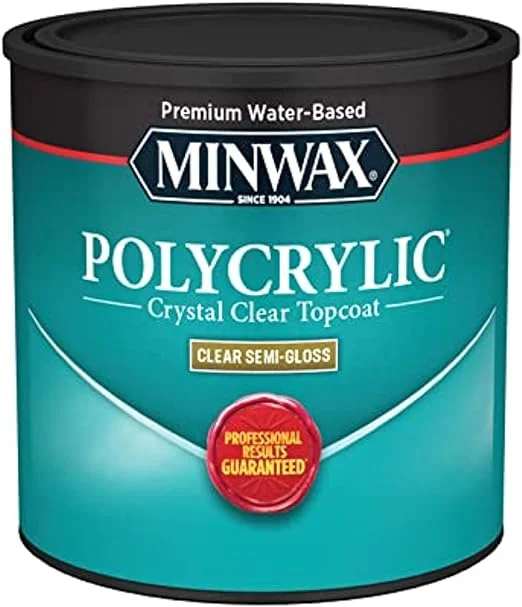 |
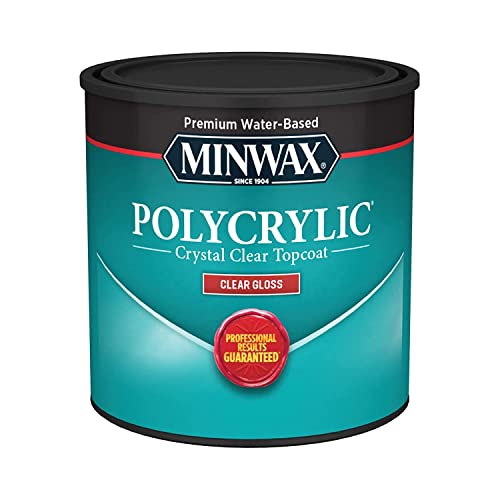
Minwax Polycrylic Protective Finish, Clear Gloss – $11.79 Water-based and non-yellowing — the right topcoat when you want the wood’s actual color to stay true.
|
Surface Preparation
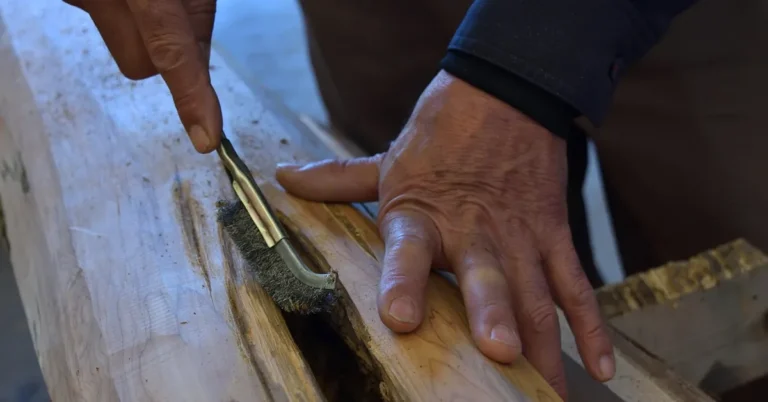
Sand the surface with progressively finer grits (finishing around 220-grit), then remove all dust with a tack cloth or vacuum before applying any finish. If the wood is stained, let the stain fully dry and cure according to its label before applying Polycrylic — applying it over stain that’s still curing can trap moisture and cause adhesion problems.
Polycrylic can raise the wood grain slightly on its first coat since it’s water-based, so a very light scuff-sand with 320-grit paper after the first coat (once dry) smooths that texture before continuing.
Application Technique
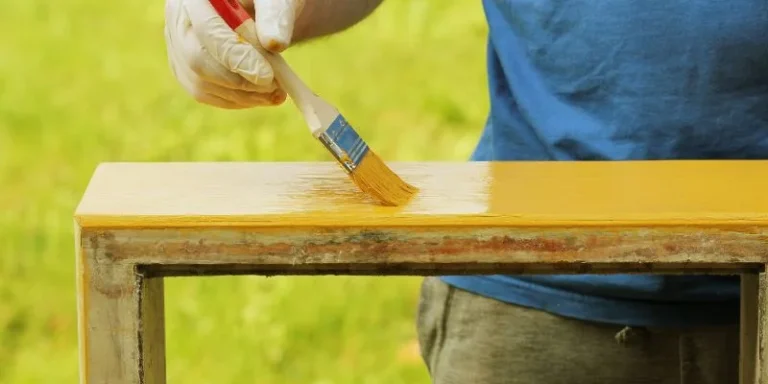
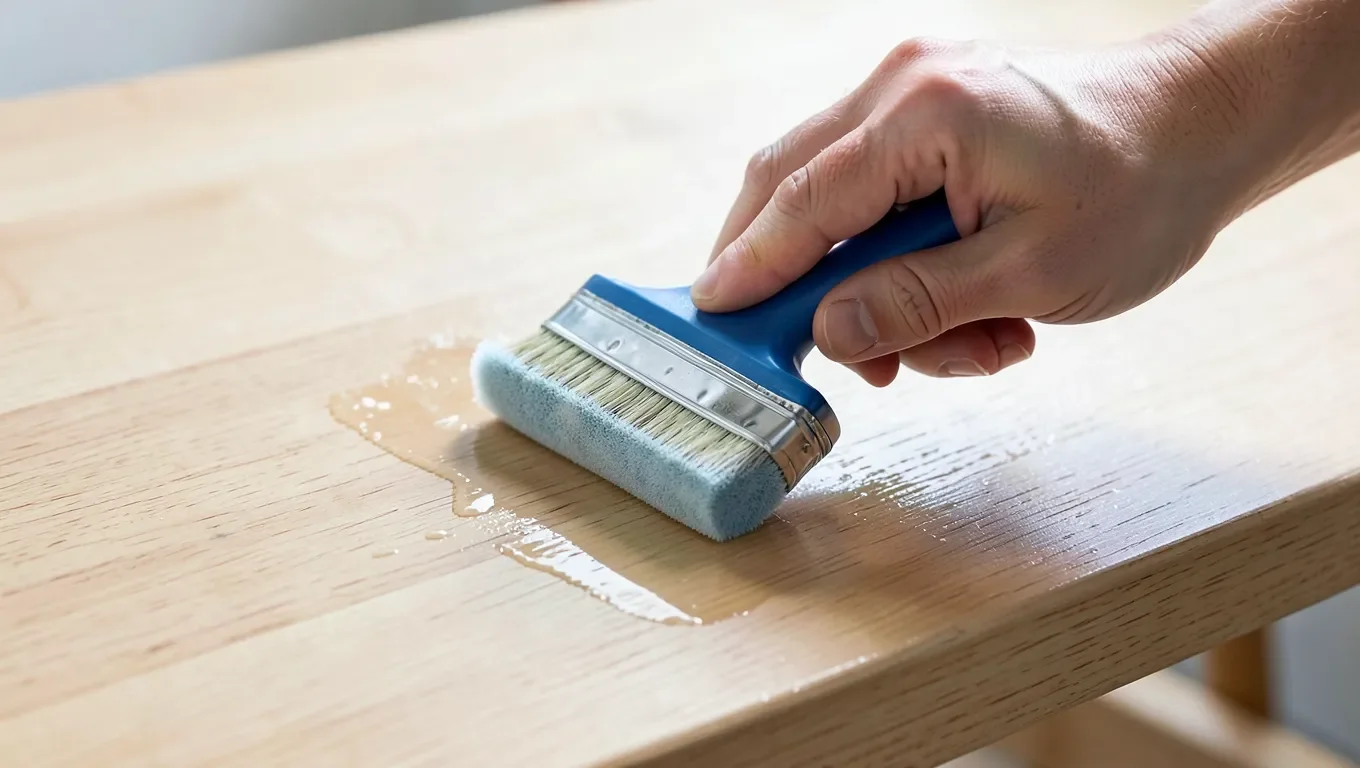
Use a high-quality synthetic-bristle or foam brush — natural bristles absorb water and don’t work well with water-based finishes. Apply in thin, even coats working with the grain, and avoid overworking the finish once it starts to tack up, since brushing back into a partially-set coat causes streaks and bubbles.
Stir Polycrylic gently rather than shaking it — shaking introduces air bubbles that can show up in the dried finish. Work in a dust-free area if possible; airborne dust settling into a wet coat is a common cause of a gritty final texture.
Number Of Coats And Drying Time
Two to three coats cover most furniture, trim, and interior projects. Floors and heavily used tabletops benefit from three to four coats for a more durable film. Polycrylic dries to the touch in about 30 minutes and is recoatable in roughly 2 hours, but full cure (hard enough for normal use) takes about 24-72 hours, longer in humid conditions — avoid heavy use of the piece until it’s fully cured, even if it feels dry to the touch.
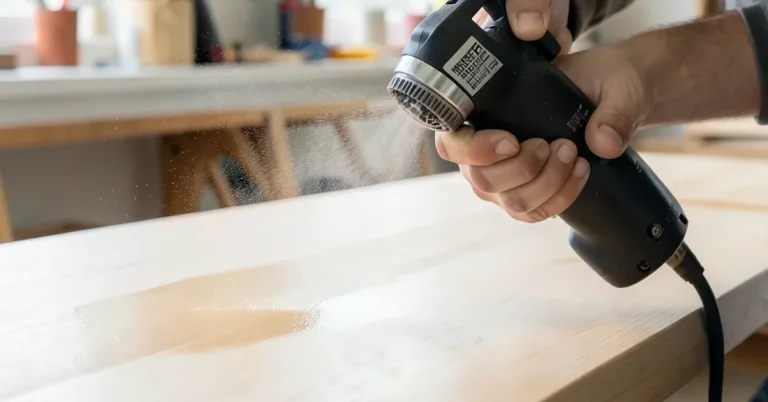
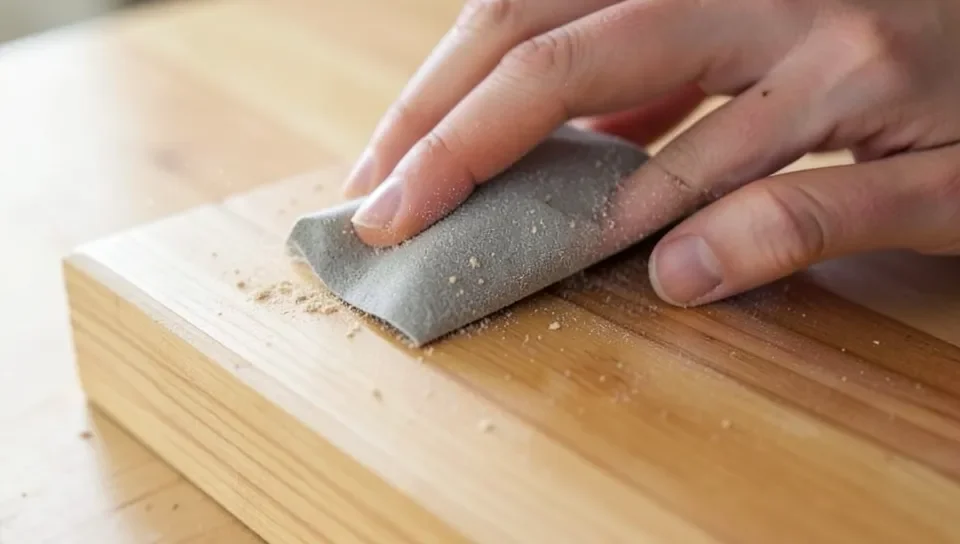
Lightly sand with 320-grit or finer sandpaper between coats once each coat is dry, then wipe away dust before the next coat. This step matters more for adhesion and smoothness than for looks alone.
Common Mistakes To Avoid
Applying coats too thick is the most common mistake — it causes bubbles, a cloudy appearance, and a longer, uneven cure. Shaking the can instead of stirring introduces air bubbles that end up in the finish. Recoating too soon, before the previous layer is fully dry, can cause the new coat to lift or streak the one underneath.
Using it over a stain or oil-based product that hasn’t fully cured is another real cause of adhesion failure — always check that whatever’s underneath is genuinely dry, not just dry to the touch, before starting.
Frequently Asked Questions
How Many Coats Of Polycrylic Do You Need?
Two to three coats are enough for most furniture and interior wood projects. Floors and heavily used tabletops benefit from three to four coats for extra durability.
How Long Should Polycrylic Dry Between Coats?
Polycrylic is typically recoatable in about 2 hours, though full cure takes 24-72 hours. Humid conditions slow drying, so check the can’s specific guidance rather than assuming a fixed time.
Do You Need To Sand Between Polycrylic Coats?
Yes, a light sand with 320-grit or finer sandpaper between coats improves adhesion and smooths any grain-raising or dust nibs from the previous coat.
Is Polycrylic Better Than Polyurethane?
Neither is universally better. Polycrylic is easier to apply, dries clear without yellowing, and has low odor, making it ideal for light or painted wood. Oil-based polyurethane is more abrasion-resistant, making it the better choice for hardwood floors and heavy-wear surfaces.
Conclusion
Two to three thin coats cover most Polycrylic projects, with three to four for floors and heavy-use surfaces. Sand lightly between coats, let each one fully dry, and avoid heavy use until the finish is fully cured, not just dry to the touch.
Polycrylic’s non-yellowing, low-odor formula makes it the right choice specifically when keeping the wood’s true color matters more than maximum abrasion resistance.
Sponsored / affiliate links. As an Amazon Associate I earn from qualifying purchases. I may earn additional commission from eligible campaigns.