How Long Between Coats of Polycrylic? (2 Hrs Brush, 30 Min Spray)
Wait at least 2 hours between coats of brush-on Minwax Polycrylic, then sand lightly with 220-grit paper before the next coat. Minwax spray Polycrylic is recoated after 30 minutes. A finish that feels dry sooner is not ready, and cold or humid air adds time. This guide covers both cans, a three-coat timeline, and the mistakes that ruin recoats.
Polycrylic Recoat Times: Brush-On vs Spray
Best Polycrylic Recoat Pick
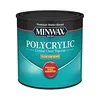 |
Minwax Polycrylic Protective Finish, Clear Semi-Gloss, 1/2 Pint – $11.79 The brush-on water-based topcoat this article’s 2-hour recoat time comes from, in a small can that suits a table or a few shelves.
|
The two Minwax Polycrylic formats have very different schedules, and most articles quote one number for both. These figures come from the Minwax product page for the brush-on liquid and the Minwax technical data sheet for the aerosol.
| Step | Brush-on liquid | Aerosol spray |
|---|---|---|
| Recoat wait | At least 2 hours | 30 minutes |
| Between-coat sanding | 220 grit, no steel wool | 220 grit, no steel wool |
| Coats recommended | 3 | At least 3 on bare wood, 2 over an existing finish |
| After the final coat | 3 hours before light handling, 24 hours before normal use | 1 hour before handling, 24 hours before heavy use |
| Coverage per coat | About 125 sq ft per quart | About 20-25 sq ft per can |
Minwax states its aerosol dry times are based on good ventilation, 77°F and 50% relative humidity, and that lower temperature, higher humidity, poor air movement or thick coats all extend them. Treat the numbers above as a floor, not a target.
Dry to the Touch Is Not Ready to Recoat
The most common mistake is judging a coat by feel. The aerosol data sheet says the spray is dry to the touch in 30 minutes, which is also its recoat time. On the brush-on can the gap is bigger: the label tells you to let the coat dry at least 2 hours and then sand, so 2 hours is the earliest point at which the film is hard enough to abrade, not a time to start brushing.
Minwax also tells you to test the surface for tackiness between coats. Press a fingertip on an inconspicuous edge. If the finish drags, prints or feels slightly soft, wait another half hour and test again. On a humid day, in a cool garage, or after a heavy first coat, that extra wait is normal.
A note on the old “2 to 4 hours” advice: it is not wrong, but 2 hours is the label minimum in ideal conditions, and 4 hours is a sensible cushion when the room is cool or damp rather than a second official number.
How to Recoat Polycrylic Step by Step
- Stir the can well before use and regularly while working. The label says not to shake it, and the finish looks milky in the can but dries crystal clear.
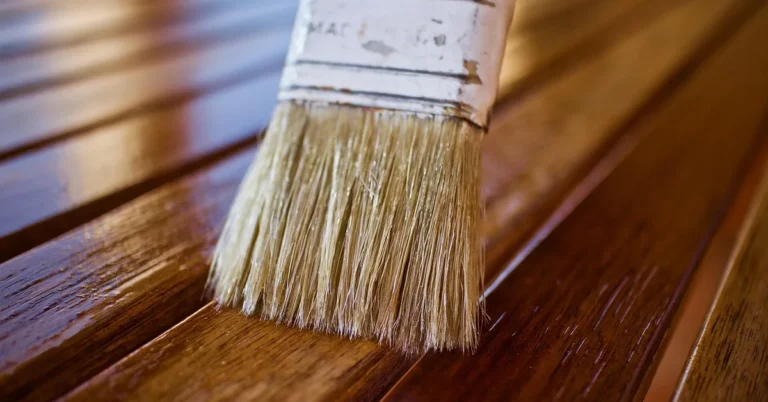
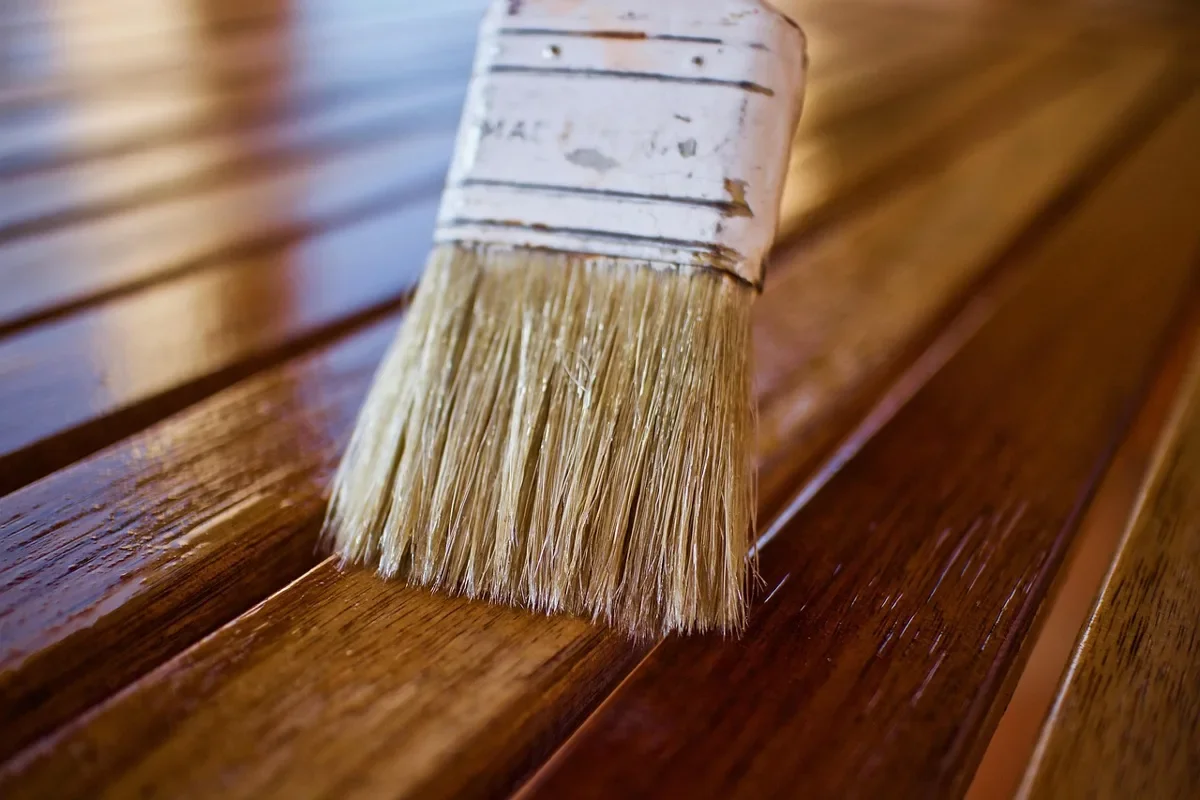
- Brush on a thin coat with a high-quality synthetic bristle brush, moving with the grain, and do not overbrush.
- Wait the full recoat time: 2 hours for brush-on, 30 minutes for spray, longer if it is cold or humid.
- Check for tackiness on an out-of-the-way spot before you touch the main surface.
- Sand lightly with 220-grit paper, following the grain. Do not use steel wool.
- Remove all dust. Minwax says to remove all dust on the brush-on can, and to use a lint-free cloth dampened with mineral spirits on the aerosol.
- Apply the next thin coat, and repeat until you have three.
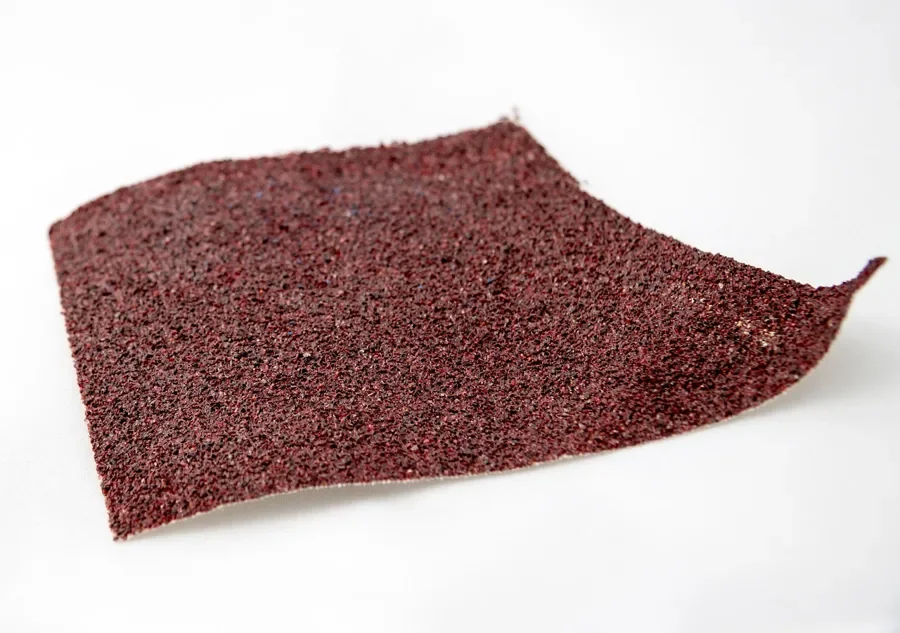
Sanding is not cosmetic. The label says the light sanding is there “to ensure an even finish and proper adhesion of additional coats”, so skipping it to save ten minutes can cost you adhesion later. For the whole job from prep to final coat, see how to apply Minwax Polycrylic without streaks or bubbles.
A Realistic Three-Coat Timeline
Here is the schedule the label numbers add up to, ignoring the time you spend sanding and dusting between coats, which pushes each step later. The figures are our arithmetic from the Minwax times, not a Minwax table.
| Milestone | Brush-on, earliest time | Aerosol, earliest time |
|---|---|---|
| Coat 1 applied | Hour 0 | Hour 0 |
| Coat 2 applied | Hour 2 (plus sanding) | Hour 0:30 (plus sanding) |
| Coat 3 applied | Hour 4 (plus sanding) | Hour 1:00 (plus sanding) |
| Light handling | Hour 7 | Hour 2 |
| Normal use | Hour 28 | Hour 25 (heavy use) |
The takeaway: the recoat wait is the short part. Whichever can you use, the piece is not ready for a dinner plate, a stack of books or a wall-hugging chair until the next day. Plan a coat in the morning and two more by early evening, and leave the piece alone overnight. If you are deciding how many layers a project really needs, our guide on how many coats of Polycrylic you need goes through it by surface.
Spray or Brush: Which Is Faster in Practice?
On paper the aerosol wins, since three coats fit into about an hour instead of four. In practice the can covers roughly 20 to 25 square feet, against about 125 square feet per quart of brush-on. At those label coverages, one spray can finishes only a few square feet at three coats, so spray suits chair parts, moldings and small pieces, while a quart suits a tabletop or a run of shelves. If you are torn, read Polycrylic spray vs brush. Minwax makes only its aerosol for spraying, as covered in can you spray Minwax Polycrylic.
Recoat Timing When Polycrylic Goes Over Stain or Paint
Minwax sells Polycrylic as a clear topcoat over bare wood, oil-based and water-based stains, and paints. The recoat clock in this article applies only to Polycrylic over Polycrylic. Whatever sits underneath has its own schedule, so let the stain or paint dry as its own can directs before the first clear coat goes on. If you rush that layer, no amount of waiting between clear coats will fix it.
Two cautions from the Minwax label are worth repeating here. Do not put Polycrylic over red mahogany stain; Minwax points those jobs to its Fast-Drying Polyurethane or Water Based Oil-Modified Polyurethane instead. And on white or light paint, spot test first, because the aerosol data sheet warns of possible ambering.
Mistakes That Ruin a Recoat
- Recoating on a tacky film. A coat that is still soft clogs sandpaper and drags under the brush, and you end up with gummy dust and brush marks instead of a smooth layer.
- Building thick coats to save time. Minwax says thick coats extend drying, so two thin coats finish faster than one heavy one.
- Using steel wool. Both Minwax labels say not to. Use 220-grit paper.
- Shaking the can. The label says stir, do not shake.
- Choosing it for the wrong job. The label says not to use it over red mahogany stain, and the brush-on page says it is not recommended for floors because high-traffic areas would need frequent recoating.
- Skipping a spot test on light paint. The aerosol data sheet warns of possible ambering over white or light-colored paints and stains, so test in a hidden spot and let it dry before you commit.
If the finish is already on and you are wondering when it is fully hard, our page on how long Polycrylic takes to cure covers that later stage. This article stays on the coat-to-coat wait.
Frequently Asked Questions
How long should I wait between coats of Polycrylic?
Wait at least 2 hours between coats of brush-on Minwax Polycrylic, then sand lightly with 220-grit paper. The aerosol version is recoated after 30 minutes. Cool, humid or poorly ventilated rooms need longer.
Can I recoat Polycrylic after 30 minutes?
Only with the aerosol, which Minwax lists as recoatable after 30 minutes. For the brush-on liquid, the label says to let the coat dry at least 2 hours before sanding and recoating.
Do I have to sand between coats of Polycrylic?
Yes. Minwax says to sand with very fine 220-grit paper after each coat to ensure an even finish and proper adhesion of additional coats. Do not use steel wool, and remove all dust before the next coat.
Why is my Polycrylic still tacky after 2 hours?
The usual causes are the ones Minwax lists for slower drying: low temperature, high humidity, no air movement, or a coat applied too thick. Move air across the piece, warm the room toward 77°F if you can, and test again before sanding.
Does temperature change how long to wait between Polycrylic coats?
Yes. Minwax bases its dry times on 77°F, 50% relative humidity and good ventilation, and says lower temperature or higher humidity extends them. In a cold garage or a damp basement, expect to wait longer than the label minimum and check for tackiness.
How many coats of Polycrylic do I need?
Minwax recommends three coats for the brush-on liquid. For the aerosol, apply at least three coats on unfinished wood and two over a surface that is already finished.
How long until I can use a piece finished with Polycrylic?
After the final brush-on coat, Minwax allows 3 hours before light handling and 24 hours before normal use. The aerosol can be handled after 1 hour, with 24 hours before heavy use.
Conclusion
Two hours for brush-on Polycrylic and 30 minutes for the spray are the minimums, and they assume warm, dry, ventilated air. Test for tackiness, sand with 220 grit, keep every coat thin, and give the finished piece a full day before normal use. Follow that and three coats will build into a smooth, hard topcoat without the softness or cloudiness that comes from rushing.
Sponsored / affiliate links. As an Amazon Associate I earn from qualifying purchases. I may earn additional commission from eligible campaigns.