Can You Varnish Over Varnish? Yes, Scuff-Sand First
Yes, you can varnish over varnish, as long as the old coat is sound, clean and free of wax, then lightly scuff-sanded before the new coat goes on. The part most guides skip is timing: the recoat window on the labels is measured in hours, not days. This guide uses the manufacturers’ own data sheets to show how long to wait, when sanding is required, and when the old finish has to come off instead.
Can You Varnish Over Varnish?
Best Scuff-Sanding Sponge Pick | |
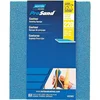 |
Norton ProSand 82083 Sanding Sponge, 220 Grit, $15.05 A foam-backed 220-grit contour sponge (the package shows 2 sponges) for the light scuff sand this guide asks for before every recoat.
|
As an Amazon Associate we earn from qualifying purchases. | |
A finish that has bonded to itself in the first hours after application holds well, and a cured finish that has been scuffed holds well too. The trouble comes from a coat that is glossy and unsanded, waxy, dirty or already failing. New varnish sits on top of a smooth cured surface rather than biting into it, which is why the data sheets from both Minwax and Varathane ask for clean, dry, wax-free surfaces and a light sand.
Note that the data sheets we read are for polyurethane finishes, the modern clear coats most people call varnish. Traditional spar varnish or a marine varnish can have different instructions, so read the label on your own can. If your existing finish is a different chemistry, see our guide on putting polyurethane over varnish instead of this one.
What the Data Sheets Actually Say About Recoating
We read three technical data sheets and put the numbers side by side. This is the information most articles round off to “wait 24 hours,” which is not what these labels say.
| Product (data sheet) | Wait before recoat | Sanding rule | Light use / normal use |
|---|---|---|---|
| Minwax Fast-Drying Polyurethane (oil-based) | 4-6 hours or until dry to touch | Lightly sand the entire surface with 220 grit before each new coat | 24 hours after final coat (floors: 72 hours before heavy traffic) |
| Varathane Interior Oil-Based Polyurethane (VAR-01) | 4 hours | Lightly sand only if a coat has dried more than 12 hours | 24 hours / 3 days, full cure 72 hours |
| Varathane Outdoor Water-Based Spar Urethane (VAR-33, brush) | At least 2 hours | Lightly sand if a coat has dried more than 12 hours | 24 hours / 3 days |
Two things stand out. First, the wait between coats is short, 2 to 6 hours across these products, so a coat you applied yesterday is already past the point where Varathane says to sand. Second, the brands disagree on sanding. Minwax wants a 220-grit scuff every time, while Varathane treats sanding as the rule once a coat is more than 12 hours old. The safest habit is the stricter one: scuff every cured coat.
Step by Step: How to Varnish Over Varnish
- Check the condition. Look for peeling, flaking, cracks or worn-through spots. Sound but dull is fine. Failing is not (see the table below).
- Clean it. Both brands require a surface that is clean, dry and free of grease, wax and polish. Varathane names oil, shellac, lacquer and mildew as well. Wax is removed with a wax stripper, according to the Varathane sheet.
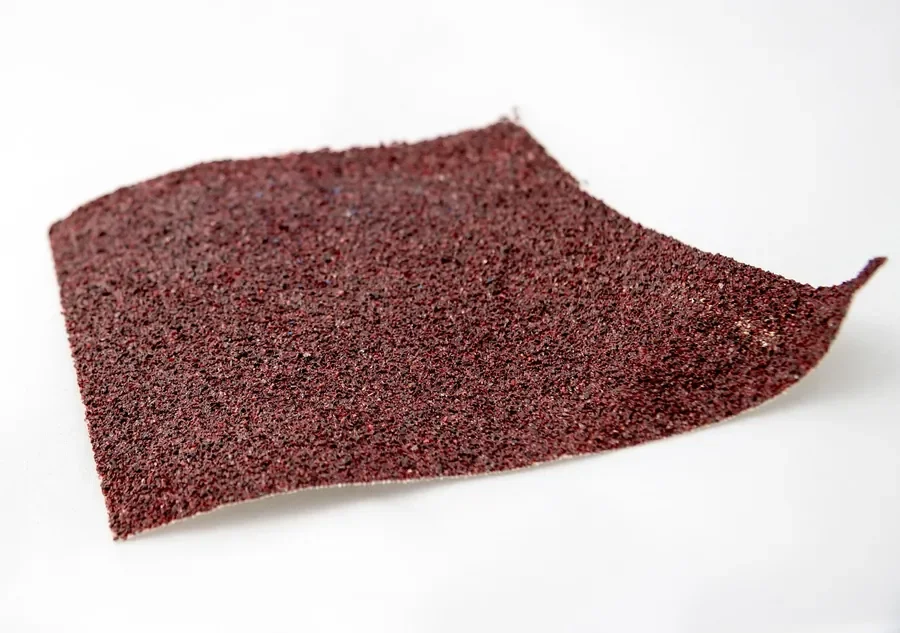
- Scuff-sand lightly. Use 220-grit sandpaper. The goal is a uniform dull haze, not bare wood. The Varathane sheet lists 150-220 grit for previously finished surfaces.
- Check the dust. Minwax says sanding residue should be dry and powdery. If it is gummy or the paper clogs, stop and allow more dry time.
- Remove all dust. The Minwax sheet calls for a cloth dampened with mineral spirits, and Varathane accepts a vacuum, tack cloth or damp mineral-spirits cloth.
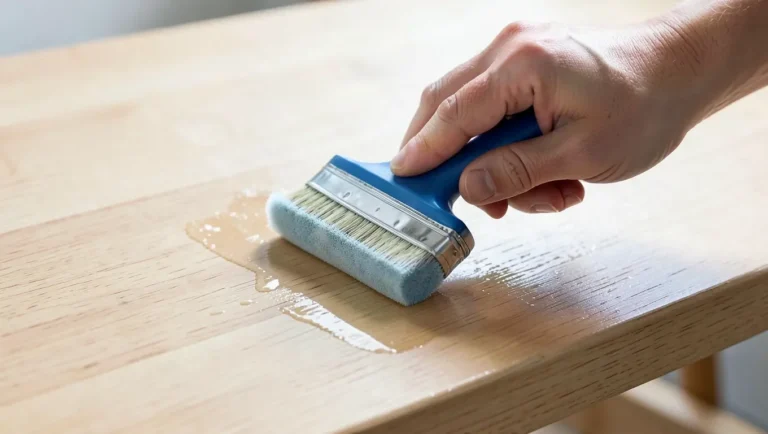
- Apply a thin coat. Stir, never shake, and brush with the grain. Minwax says a thin coat with a quality natural bristle or foam brush.
- Wait for the recoat window, then repeat. Sand lightly, clean off dust and add the next coat. Stop at two or three coats unless the label asks for more.
When You Should Not Varnish Over the Old Finish
Both data sheets say old finishes in poor condition must be removed, so use the condition of the old coat to decide.
| What you see | Verdict | What to do |
|---|---|---|
| Dull, worn but firmly attached | Recoat | Clean, scuff-sand with 220 grit, then apply a thin coat |
| Glossy and intact | Recoat | A scuff sand is still needed so the new coat can grip |
| Wax or furniture polish on the surface | Clean first | Remove wax with a wax stripper before sanding, per Varathane |
| Peeling, flaking or lifting in places | Remove | Strip or sand back the failing areas, see our guide to removing varnish |
| Cracked or alligatored across the surface | Remove | Sand or strip the whole surface, since cracks in the old coat can telegraph through |
| Shellac or lacquer underneath | Check compatibility | Varathane lists shellac and lacquer among contaminants to remove or avoid, test a hidden area |
If the old finish is very worn and you are going to strip it anyway, see our overview of the tools and methods for taking old varnish off wood.
Old Finish by New Finish: What the Makers Say About Compatibility
The usual advice is “make sure it is compatible,” which does not help when you cannot tell what is on the table. This grid collects what the data sheets and one forum thread actually say for each old-finish and new-finish pair. Where no source we read covers a pairing, the table says so instead of guessing.
| Old finish (intact) | New coat | What the sources say | Verdict |
|---|---|---|---|
| Oil-based polyurethane or varnish | Same type, oil-based | Minwax: lightly sand the whole surface with 220 grit before each coat. Varathane: sand only if a coat has dried more than 12 hours. | Fine, scuff with 220 |
| One-component marine varnish (Epifanes Clear Gloss) | More Epifanes Clear Gloss | Epifanes data sheet: intact coats take one or more coats on a well cleaned, degreased and lightly sanded surface. | Fine, clean and sand |
| Two-component polyurethane varnish (Epifanes) | Epifanes Clear Gloss (one-component) | The same sheet says Clear Gloss may go on any well cleaned, degreased and sanded two-component varnish. | Fine, clean and sand |
| Oil-based finish or heavy oil-based stain | Water-based topcoat | General Finishes warns of “blush,” a milky look, when a water-based topcoat goes over a heavy oil-based stain, because the oil seeps up through the film. | Test a hidden spot, let the oil finish cure fully first |
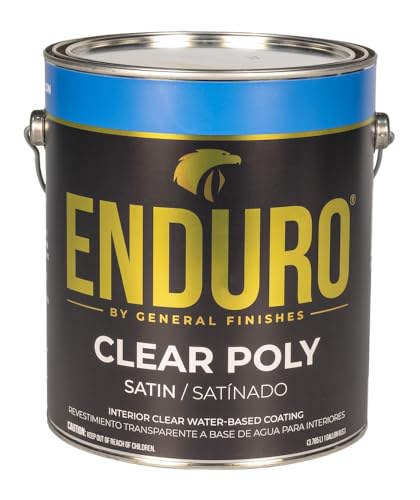
| Water-based finish | Water-based topcoat | General Finishes: topcoats may be recoated at any time; remove grease and dirt, sand lightly with 320 grit or finer, then recoat. | Fine, 320 or finer |
| Water-based finish | Oil-based topcoat | None of the data sheets we read addresses this pairing. | Unknown, run a test patch |
| Spar (flexible) varnish | Harder, non-spar varnish | Fine Woodworking forum posters disagree: one worried the flexibility would not match, another said abrading gives the new coat “tooth.” This is opinion, not a maker spec. | Test patch, expect a trade-off |
| Unknown finish | Anything | General Finishes: when working over an existing finish, always test a small area to make sure the new coat will adhere. | Test patch in a hidden spot |
Same chemistry on the same chemistry is the well-documented case. Mixed chemistries are where the makers warn or stay silent, so the hidden-spot test matters most. Dry a small patch for the full recoat time and check it is smooth, not wrinkled, cloudy or lifting.
Which Grit Should You Scuff With?
Every maker names a different number, and the right one depends on how fine the finish is. Here is the range straight from the sheets:
| Source | Product | Grit named for recoating | Detail |
|---|---|---|---|
| Minwax data sheet | Fast-Drying Polyurethane | 220 | Lightly sand the whole surface before each new coat |
| Varathane data sheet | Interior Oil-Based Polyurethane | 150-220 for previously finished surfaces | Sand a coat only if it has dried more than 12 hours |
| Epifanes data sheet | Clear Gloss Varnish, coat by coat | 220, then 280, then 320, then 320-400 | Dry paper at first, wet or dry paper for the later coats. Sand by hand, because machines can be too aggressive |
| Epifanes data sheet | Wood Finish Gloss, maintenance | 320 wet or dry | If the next coat goes on within 72 hours, no sanding is needed |
| Epifanes data sheet | Polyurethane Clear Gloss | 220, then 280, then 320, then 320-400 | If the next coat goes on within 48 hours, no sanding is needed |
| General Finishes guide | Water-based topcoats | 320 or 400 between coats, 320 or finer on an old coat | Do not use steel wool, because steel particles left behind will rust |
| Fine Woodworking forum poster | Spar varnish being recoated | 180 | Clogs often but cuts a visible tooth. Opinion, not a data sheet |
The sheets agree that scuffing is light: it dulls the old coat rather than removing it. Coarser paper (150-220) shows up for oil-based polyurethane, finer paper (320-400) for thin marine varnishes and water-based topcoats. If you do not know the finish, 220 is the middle of the oil-based range and 320 is the safe floor for water-based.
Wax, Silicone and the Final Wipe: Where Recoats Quietly Fail
Contamination is a separate way for a recoat to fail, whatever grit you used. General Finishes says the likely source of “fish-eyes” or “craters,” the small dimples that form as the new coat pulls away, is contamination of the surface with wax or silicone. The Varathane sheet says wax is removed with a wax stripper before sanding, and Minwax and Varathane both require a clean, dry, grease-free surface.
The makers also disagree on the final wipe. Minwax calls for a cloth dampened with mineral spirits to remove sanding dust. Epifanes, in its bare-wood preparation steps, says to degrease with its spray thinner or denatured alcohol, and warns that wiping with mineral or white spirits “may leave an oily residue.” Follow the wipe your new finish names, and let the surface dry completely before you brush.
Safety Notes From the Data Sheets
- Sanding residue can ignite. Minwax warns that sanding residue and finish-soaked rags may spontaneously catch fire if not immediately placed in a sealed, water-filled metal container. Over-application, low temperature and high humidity raise the risk.
- Old finish may have lead paint under it. Both brands carry a lead warning for sanding old painted surfaces. If a piece is old and has paint underneath, use a NIOSH-approved respirator and HEPA cleanup.
- Water-based is the lower-fire-risk choice. General Finishes notes that water-based products are non-combustible, unlike oil-based products, though sanding dust still needs a mask.
- Ventilate. Oil-based finishes are combustible and their vapor is harmful, so keep windows open and follow the label.
Related questions have their own guides: which brush to use for polyurethane, how to thin oil-based polyurethane, water-based versus oil-based spar urethane for outdoor pieces, and whether you can lacquer over oiled wood.
For finish-specific timing, see our guide on how long varnish takes to dry. If your old coat is polyurethane and you only want a different sheen, matte over gloss explains what changes. Floor projects follow a different routine, covered in screen and recoat hardwood floors.
Common Mistakes When Recoating Varnish
- Skipping the scuff sand on a cured coat. A smooth glossy coat gives the new one little to grip.
- Recoating a coat that is still tacky. Varathane says to recoat only when the previous coat has dried clear and hard, no longer tacky.
- Shaking the can. Both brands say to stir. Shaking makes bubbles that dry into the film.
- Steel wool on water-based finishes. The Varathane water-based sheet says not to use steel wool, because rust may develop after the finish is applied.
Frequently Asked Questions
Do you have to sand before varnishing over varnish?
Yes, in practice. The Minwax Fast-Drying Polyurethane data sheet tells you to lightly sand the whole surface with 220 grit between coats. Varathane’s oil-based data sheet only requires sanding once a coat has dried more than 12 hours, but a scuff sand is cheap insurance on any cured finish.
How long should you wait before applying a second coat of varnish?
It depends on the product. The Minwax Fast-Drying Polyurethane data sheet says 4-6 hours or until dry to the touch. Varathane’s interior oil-based polyurethane says 4 hours, and its water-based outdoor spar urethane says at least 2 hours. Those times assume about 70-77F and 50% humidity, and cooler or damper air means longer.
Can you varnish over old varnish that is peeling or cracked?
Not directly. Both Minwax and Varathane say old finishes in poor condition need to be removed before you recoat. Peeling, flaking or cracked areas should be stripped or sanded back to sound material, because a new coat is only as well attached as the coat under it.
Can you put water-based varnish over oil-based varnish?
It can work when the old coat is clean, cured and scuff-sanded, but check compatibility on a hidden spot first. General Finishes warns that a water-based topcoat over a heavy oil-based stain can turn milky (blush) as the oil seeps up, and says to test a small area whenever you work over an existing finish. Our guide to water-based polyurethane over oil-based covers that combination in detail.
How many coats of varnish can you put on?
There is no fixed ceiling on the labels we read. Minwax says 2-3 coats and recommends three for maximum durability on floors. Varathane recommends a minimum of two coats for its oil-based polyurethane and four for its water-based spar urethane. Add coats only after the previous one has cured enough to sand to a dry powder.
How long before a recoated surface can be used?
On the Minwax and Varathane data sheets, allow 24 hours after the final coat before light use. Varathane’s sheets say to wait 3 days before normal use, and its oil-based sheet lists a full cure at 72 hours. Minwax says to avoid heavy traffic and furniture on a floor for 72 hours, with no rugs or floor cleaning for 7 days.
Conclusion
Varnish over varnish works when the old coat is sound and clean. Scuff-sand with 220 grit, wipe off every bit of dust, and recoat inside the label window, which is a matter of hours. If the old finish is peeling or cracked, take it off instead.
Sponsored / affiliate links. As an Amazon Associate I earn from qualifying purchases. I may earn additional commission from eligible campaigns.