How Many H Clips Per Sheet of Plywood: Optimize Stability
Typically, you need two H clips per sheet of plywood. This ensures proper support and alignment for your panels.
H clips are essential for plywood installation, especially in larger projects. They help secure sheets together, providing stability and strength. Understanding how many H clips to use can save time and improve the quality of your work. For standard 4×8-foot sheets, using two clips allows for adequate spacing and prevents sagging.
Proper installation techniques enhance the durability of your plywood structure, whether it’s for flooring, roofing, or wall applications. Knowing the right quantity of H clips not only simplifies your project but also ensures a professional finish. Aim for precise placement to maximize the effectiveness of your plywood assembly.
Introduction To H Clips And Plywood Stability
H clips are essential for keeping plywood stable. They support the edges of the sheets and prevent warping. This is especially important in construction. Without H clips, plywood can bend and crack over time.
Using H clips offers several benefits. They help distribute weight evenly across the plywood sheets. This improves the strength of the structure. H clips also allow for natural expansion and contraction. This means the wood can move without damage.
| Benefit | Description |
|---|---|
| Stability | Reduces warping and bending of plywood. |
| Weight Distribution | Evenly spreads weight across sheets. |
| Flexibility | Allows natural movement of the wood. |
Understanding Plywood Sheets
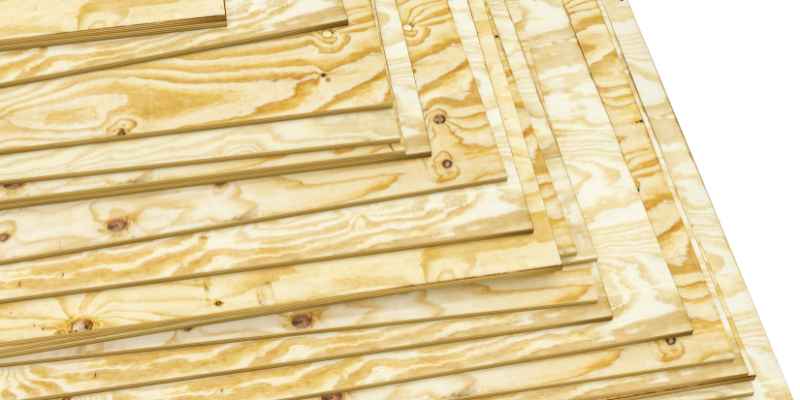
Plywood sheets are made from thin layers of wood veneer. These layers are glued together. This process creates strong and durable sheets. Different types of plywood serve various needs.
Types of Plywood include:
- Softwood Plywood: Made from softwood trees. Commonly used in construction.
- Hardwood Plywood: Made from hardwood trees. Often used in furniture making.
- Marine Plywood: Resistant to moisture. Ideal for boats and outdoor use.
Plywood has many common uses in construction. It serves as flooring, roofing, and wall sheathing. Builders often use it for making cabinets. Its versatility makes it a favorite among contractors.
The Science Behind H Clips
H clips are important for plywood sheets. They help hold sheets together. Made from strong metal, they resist bending and breaking.
The design of H clips allows for easy installation. This makes them user-friendly for builders. Properly spaced H clips create a sturdy framework.
Using H clips enhances the stability of plywood. They prevent warping and shifting. This keeps the structure safe and sound.
| Feature | Benefit |
|---|---|
| Strong Material | Resists bending and breaking |
| User-Friendly Design | Easy to install |
| Stability Enhancement | Prevents warping |
Calculating The Number Of H Clips Needed
To calculate H clips for plywood sheets, consider several factors. The size of the sheet is very important. Common sizes are 4×8 feet and 4×10 feet. The spacing between the H clips also matters. Typically, they are spaced every 24 inches. This ensures proper support and alignment.
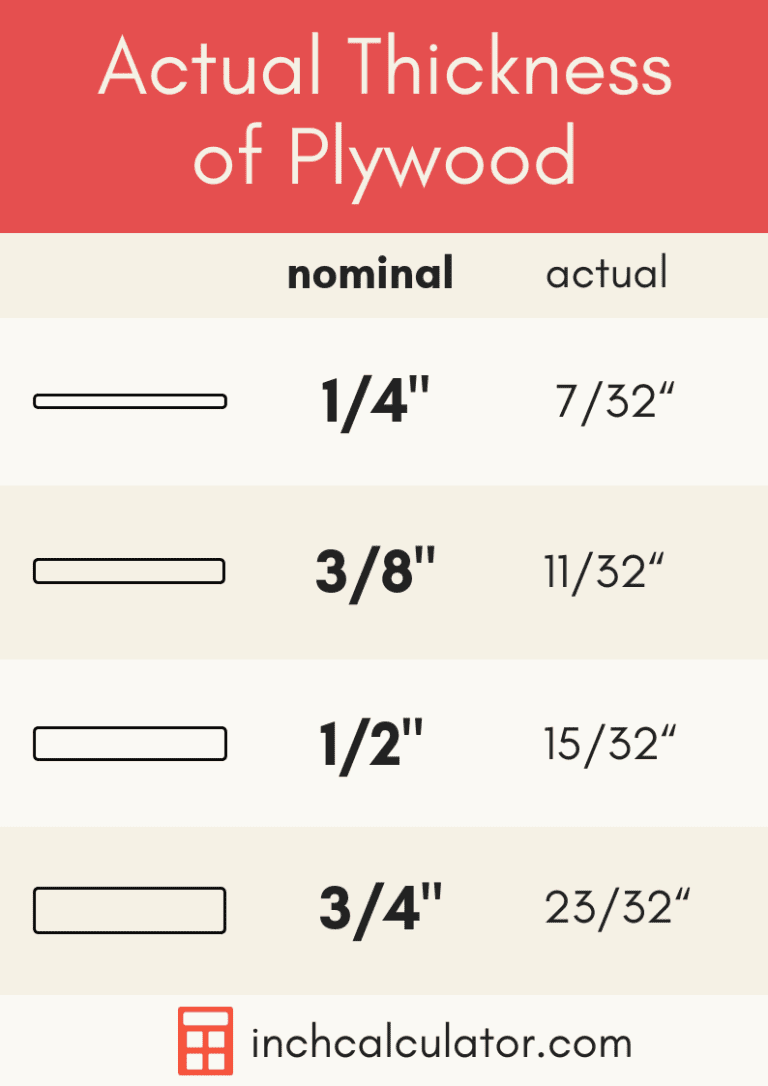
Thickness of the plywood affects the number of clips needed. Thicker plywood often requires more clips. Also, the load the plywood will carry influences the count. Higher loads need additional clips for stability.
| Factor | Details |
|---|---|
| Sheet Size | 4×8 feet, 4×10 feet |
| Spacing | Every 24 inches |
| Plywood Thickness | Thicker requires more clips |
| Load | Higher loads need more clips |
Installation Techniques For H Clips
Follow these steps for proper installation of H clips. First, measure the spacing between plywood sheets. Place the clips at regular intervals for best support. Ensure clips are aligned properly for a stable setup. Use a level to check the flatness of the sheets.
Avoid common mistakes to ensure a successful installation. Do not over-tighten the clips, as this can cause damage. Always check for gaps between sheets. Failing to do this may lead to uneven surfaces. Ensure you use the right number of clips per sheet for maximum support.
Optimizing Stability With Proper Placement
Proper placement of H clips is essential for stability. Use the clips to connect sheets of plywood effectively. Place H clips every 24 inches along the edges. This distance helps prevent warping and provides strong support.
Consider the layout of your project. For a roof, place clips near the rafters. In walls, position them near the studs. Adjust placement based on the size and weight of the plywood.
Real-world examples show that correct clip placement reduces cracks and bending. Many builders follow these tips for better results. Always check local codes for specific requirements.
Maintenance And Inspection Of H Clips
Regular maintenance of H clips ensures safety and durability. Check for any signs of damage or wear. Look for rust, cracks, or bending. These issues can weaken the clips over time.
Routine checks should happen every few months. This helps catch problems early. Replace any damaged clips immediately. Using worn clips can lead to serious issues.
Keep an eye on the installation of each clip. Ensure they are securely fastened. Loose clips can cause structural problems.
| Issue | Action |
|---|---|
| Rust | Replace clip |
| Cracks | Replace clip |
| Bending | Replace clip |
Conclusion: Ensuring Long-term Plywood Stability
Understanding H clips is important for plywood stability. Use them to connect sheets securely. Typically, one H clip is needed every 24 inches along the edges. This spacing helps maintain the structure of the plywood over time.
Future innovations may include better materials for H clips. These new designs could offer more strength and flexibility. Enhanced clips may also resist moisture, improving plywood durability. Expect advancements in manufacturing techniques to make clips even more effective.
| Key Points | Details |
|---|---|
| Clip Spacing | Every 24 inches |
| Material Innovations | Stronger and moisture-resistant |
| Manufacturing | Improved techniques for better performance |
Frequently Asked Questions
How Many H Clips Do I Need Per Sheet?
The number of H clips needed per sheet typically depends on the size and layout of the plywood. Generally, you should use one H clip for every 24 inches of plywood. This ensures proper support and stability for your project, especially when installing multiple sheets.
What Is The Purpose Of H Clips In Plywood?
H clips are used to provide additional support between adjacent sheets of plywood. They help to maintain structural integrity and prevent sagging. By using H clips, you ensure a flat surface for flooring or roofing applications, improving durability and performance over time.
Can I Use H Clips With Any Plywood Type?
Yes, H clips can be used with various plywood types. However, their effectiveness may vary depending on the thickness and grade of the plywood. Always check manufacturer guidelines to ensure compatibility and optimal performance for your specific project.
How Do I Install H Clips Correctly?
To install H clips, first align the plywood sheets tightly together. Then, insert the clips into the grooves between the sheets. Ensure that the clips are level and secure to provide adequate support. Follow the manufacturer’s instructions for best results during installation.
Conclusion
Understanding how many H clips to use per sheet of plywood is crucial for stability. Proper spacing enhances structural integrity and prevents warping. Always consider your project’s specific requirements. By following guidelines and recommendations, you ensure a stronger, more reliable result.
Make informed choices for the best outcome in your woodworking projects.