How to Store Plywood So It Doesn’t Warp
Store plywood flat, fully supported underneath, and off the ground — stacked on edge or leaning on a couple of points is exactly how sheets develop a permanent bow. A full 4×8 sheet needs at least three rows of spacers (one at each end, one in the middle) for airflow, plus some weight on top of the stack to stop the top sheets from curling as they acclimate. This guide covers indoor vs. outdoor storage, vertical vs. flat stacking, and pest and moisture prevention.
Introduction To Plywood Storage
Best Plywood Storage Rack Pick
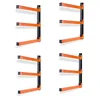
Ultrawall 3-Level Wall Mount Lumber & Plywood Rack – $38.24
Solves the vertical-stacking problem this guide covers — holds full sheets upright and off the floor with 330 lb of support per shelf, instead of leaning them against a wall where they slowly bow.
- Best for: garages and small shops storing multiple sheets upright against a wall
- Why we picked it: 3 shelves rated to 330 lb each, so sheets get real support instead of edge-leaning
- Main drawback: needs solid wall studs for mounting — not a fit for drywall alone or a rented space
As an Amazon Associate we earn from qualifying purchases.
Proper storage of plywood is very important. It helps keep the wood in good shape. Humidity and temperature can damage plywood. Store it in a dry place to avoid warping. Using the right storage techniques prevents future problems.
Consequences of poor storage can be serious. Warped plywood is hard to use. Moisture can cause mold growth, leading to health issues. Delamination occurs when layers of plywood separate. This makes the plywood weak and unusable. Always store plywood correctly to avoid these issues.

Ideal Conditions For Storing Plywood
Storing plywood properly is very important for its quality. Temperature should be between 60°F and 80°F. Avoid extreme heat or cold. Humidity levels should be around 30% to 50%. Too much moisture can cause warping.
Indoor storage is often the best choice. It protects plywood from weather changes. Keep plywood off the ground using supports or blocks. This helps prevent moisture absorption.
Outdoor storage can be risky. Rain and sun can damage the plywood quickly. If outdoor storage is necessary, cover the plywood with a waterproof tarp. Make sure air can still flow around it.
Preparing Plywood For Storage
Before storing plywood, clean all surfaces properly. Use a damp cloth to remove dust. Ensure there are no stains or debris left on the boards.
After cleaning, applying protective coatings is essential. Use a sealant to guard against moisture and pests. This helps in maintaining the integrity of the plywood over time.
Choose a high-quality sealant designed for wood. Follow the manufacturer’s instructions for application. Allow the coating to dry completely before storage.
Optimizing Space For Plywood Storage
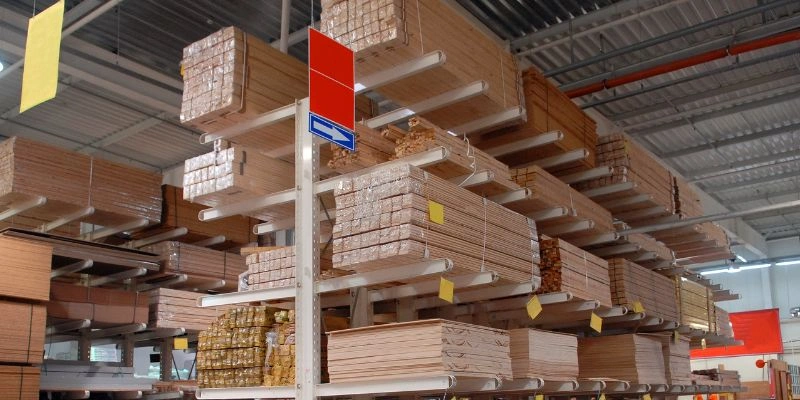
Storing plywood can be tricky. Optimizing space is key for effective storage. Two main methods exist: vertical stacking and horizontal stacking. Vertical stacking saves floor space. This method also prevents warping and damage. Use sturdy supports — like a vertical plywood storage rack — to hold plywood upright.
Horizontal (flat) stacking works better for a full pallet of sheets. Use three rows of spacers per full 4×8 sheet — one near each end and one in the middle — so air reaches both faces evenly. Cap the stack at around 10 sheets and set some weight on top (a couple of sandbags or a spare board with weight on it) to keep the top few sheets from curling as they acclimate to the room. Ensure the surface underneath is flat and clean before you start stacking; a bowed base board will telegraph its shape into every sheet above it.
Utilizing shelving units can help organize plywood. Shelves should be strong and adjustable. This allows for different sizes of plywood. Keep the heaviest sheets at the bottom. Label each shelf for easy identification.
Protective Measures Against Damage
To guard against moisture, always store plywood in a dry place. Use a dehumidifier if needed. Cover plywood with a waterproof tarp for extra protection.
Prevent warping and bending by stacking sheets flat. Use spacers between each sheet to allow air circulation. Avoid placing heavy items on top of plywood.
Check the plywood regularly for signs of damage. Look for mold or discoloration. If you see any issues, take action quickly to prevent further damage.
Pest Prevention Strategies
Detecting signs of infestation is crucial for protecting plywood. Look for tiny holes or sawdust near the wood. These indicate pests like termites or woodboring beetles. Check for webs or droppings around the storage area.
Using chemical repellents can help keep pests away. Choose products labeled for wood protection. Always follow the manufacturer’s instructions for safe use.
Natural repellents are also effective. Consider using essential oils like peppermint or clove oil. Mix with water and spray on the plywood. Regularly inspect the wood for any signs of pests.
Long-term Maintenance Of Stored Plywood
Regular inspection of stored plywood is essential. Check for moisture, warping, or damage. Look for pests or signs of decay. Conduct inspections every few months for best results.
Handling plywood correctly helps maintain its quality. Always lift sheets from the bottom to avoid bending. Use supports to prevent sagging during storage. Reposition sheets gently to prevent scratches and dents.
When To Use And Replace Plywood
Assessing the condition of plywood is important for its use. Look for cracks, bends, or water damage. If plywood feels soft or crumbles, it’s time to replace it. Regular checks help maintain safety and quality.
Recycling options for plywood include reusing it for projects. Many places accept old plywood for recycling. Check local guidelines for disposal rules. Landfills may take plywood, but it’s better to recycle when possible.
| Condition | Action |
|---|---|
| Cracked | Replace |
| Bent | Replace |
| Water Damaged | Replace |
| Soft or Crumbling | Replace |
| Good Condition | Reuse or Store |
Frequently Asked Questions
How Should I Stack Plywood For Storage?
Stack plywood sheets flat on a level surface. Use spacers between sheets to allow airflow. This prevents moisture buildup and warping. Ensure the stack is stable and not too tall to avoid tipping. Cover it with a tarp or plastic sheet for extra protection against dust and moisture.
Is It Safe To Store Plywood Outdoors?
Storing plywood outdoors is not ideal. Exposure to moisture and sunlight can cause warping and decay. If outdoor storage is necessary, use a waterproof cover. Elevate the plywood off the ground to prevent water damage. Regularly check the condition to avoid long-term damage.
What Is The Best Climate For Plywood Storage?
The best climate for plywood storage is cool and dry. Humidity can lead to swelling and warping. Aim for a temperature range between 60°F and 80°F. Avoid storing near heat sources or in damp areas. Proper ventilation is also essential to maintain the plywood’s integrity.
How Do I Prevent Plywood From Warping?
To prevent plywood from warping, store it flat and level. Use spacers to enhance airflow between sheets. Avoid exposure to moisture and extreme temperatures. Regularly inspect for signs of damage. If possible, use a dehumidifier in the storage area to maintain optimal conditions.
How Many Spacers Do I Need Between Sheets of Plywood?
For a full 4×8 sheet, use three rows of spacers — one near each end and one in the middle — so air can circulate evenly across both faces. Fewer than three rows lets the unsupported middle of the sheet sag over time, especially in a tall stack.
Should I Put Weight on Top of Stacked Plywood?
Yes. Setting some weight on top of a flat stack — a couple of sandbags or a weighted board work well — keeps the top few sheets from curling as they acclimate to the room’s humidity. Keep the stack to around 10 sheets or fewer so the weight is distributing pressure, not crushing the spacers underneath.
Conclusion
Proper plywood storage is essential for longevity and usability. Always choose a dry, flat area to prevent warping. Use protective coverings to shield against moisture and dust. Following these tips will ensure your plywood remains in great condition. Taking a little time to store it correctly pays off in the long run.
Sponsored / affiliate links. As an Amazon Associate I earn from qualifying purchases. I may earn additional commission from eligible campaigns.