How Many Kinds of Maple Trees Are There – Essential Guide
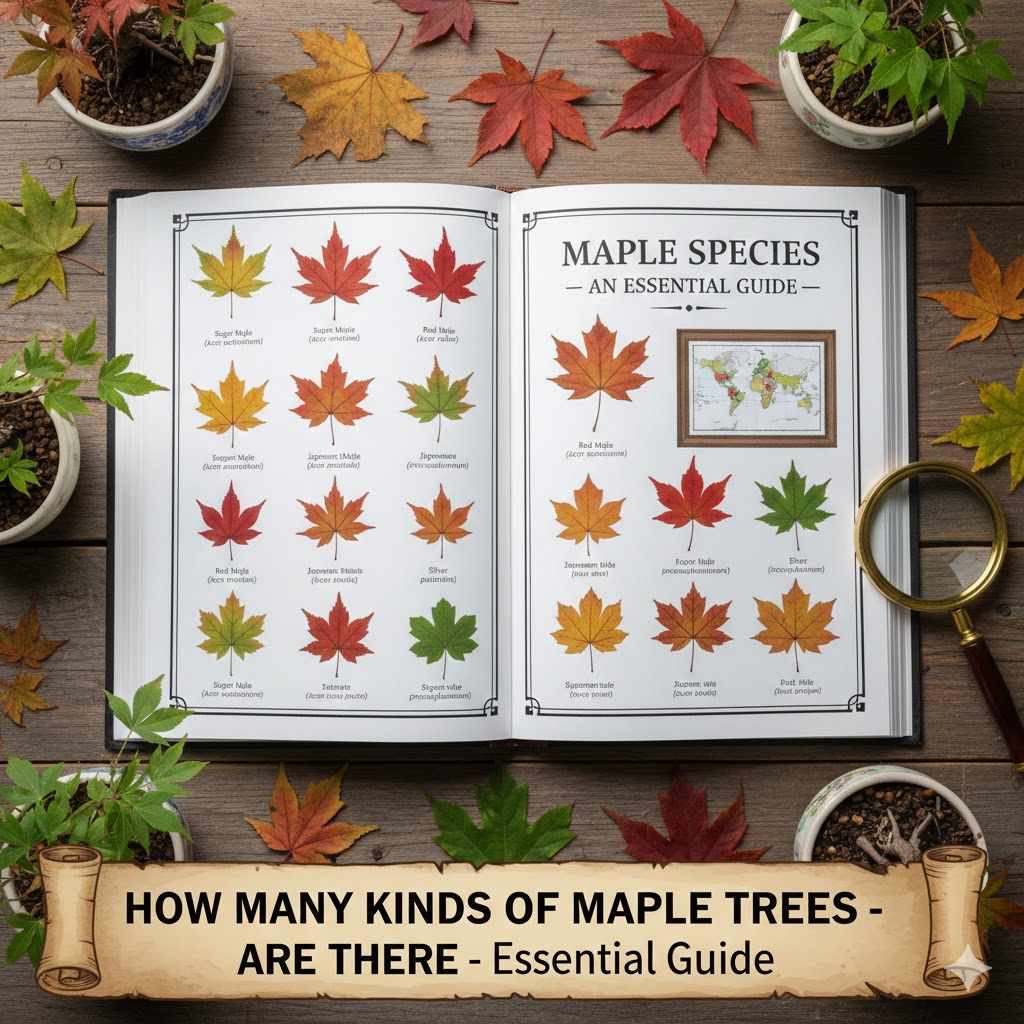
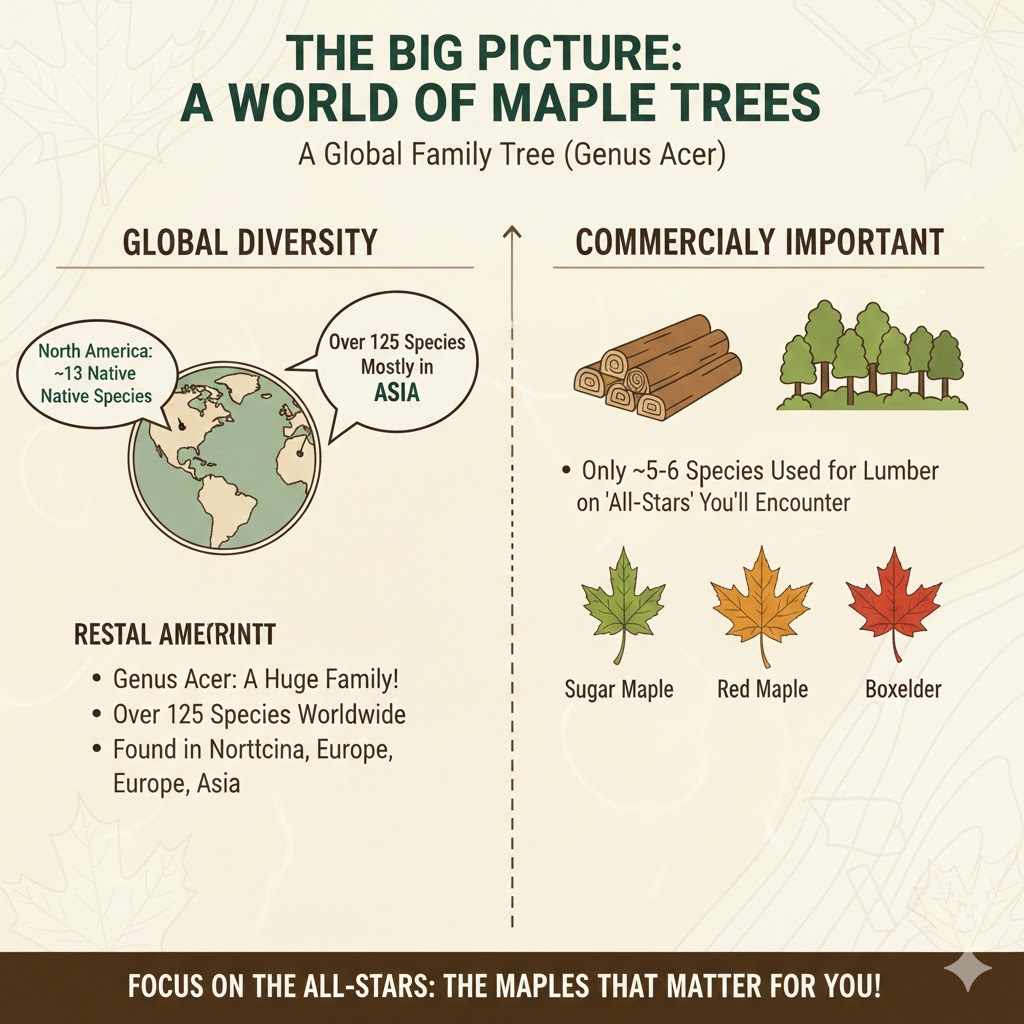
Globally, there are over 125 species of maple trees in the Acer genus, with North America being home to 13 native species. For woodworkers and DIYers, the most important types are Sugar Maple (hard maple) and Red Maple (soft maple), which have very different properties for projects.
Hello, friends! Md Meraj here, your guide in the workshop. Have you ever stood in a lumberyard, looked at a stack of beautiful pale wood, and wondered about the tree it came from? Maple is one of the most popular woods for everything from cutting boards to fine furniture. But when someone says “maple,” what do they really mean? It’s a common question, and it can feel a little confusing at first. You might hear terms like “hard maple,” “soft maple,” “curly,” or “bird’s-eye” and feel a bit lost.
Don’t worry! It’s simpler than you think. Today, we’re going to clear up the confusion and walk through the amazing world of maple trees together. We’ll explore the different kinds, learn how to tell them apart, and figure out which one is perfect for your next project. Let’s get started and turn that uncertainty into confidence!
The Big Picture: A World of Maple Trees
When botanists talk about maple trees, they’re referring to the genus Acer. It’s a huge family! Across the globe, scientists have identified over 125 distinct species of maple trees. They grow all over the Northern Hemisphere, from Asia and Europe to North America. While that number sounds huge, the good news is that you only need to know a handful of them to understand what you’ll find at the lumberyard or in your backyard.
Most of this incredible diversity is found in Asia. Here in North America, we have about 13 native species. Out of those, only about five or six are commercially important for lumber. So, while it’s fun to know there are over a hundred types, we can focus on the few that make the biggest impact on our woodworking and daily lives.
Think of it like this: there are hundreds of kinds of apples, but you probably only see a dozen types at the grocery store. It’s the same with maple trees. We’ll focus on the “all-stars” you’re most likely to encounter.
The “Big Five” of North American Maple Trees
For anyone interested in woodworking, landscaping, or just appreciating the trees in your neighborhood, these are the key players. We’ll look at each one, focusing on how to spot them and what makes their wood special.
1. Sugar Maple (Acer saccharum)
The Sugar Maple is the superstar of the maple world. It’s the tree on the Canadian flag and the primary source of delicious maple syrup. Its wood is known commercially as “hard maple,” and for good reason—it’s incredibly strong, dense, and durable.
- How to Identify It: Look for leaves with five distinct, smooth-edged lobes (the points aren’t jagged). The bark on mature trees is often gray and shaggy, peeling off in thick vertical plates. In the fall, it puts on a spectacular show with colors ranging from brilliant yellow to vibrant orange and deep red.
- Woodworking Properties: Hard maple is a dream to work with if you have sharp tools. It has a fine, straight grain and a creamy white color. It’s a top choice for projects that need to be tough and long-lasting, like:
- Kitchen cabinets
- Hardwood flooring
- Cutting boards and butcher blocks
- Workbenches
- Bowling alleys and basketball courts
- Special Mention – Figured Maple: Sometimes, Sugar Maple trees grow in a way that creates stunning patterns in the wood. You might have heard of Bird’s-Eye, Curly (or Tiger), and Quilted maple. These are not different species; they are just unique grain patterns from Sugar Maple trees that are highly prized for musical instruments and decorative furniture.
2. Red Maple (Acer rubrum)
The Red Maple is one of the most common deciduous trees in Eastern North America. It gets its name from its bright red twigs, red winter buds, and fiery red fall foliage. Commercially, its wood is the most common type of “soft maple.”
- How to Identify It: Red Maple leaves typically have three to five lobes with sharp, jagged (or “toothy”) edges, unlike the smooth lobes of the Sugar Maple. The bark on young trees is smooth and light gray, becoming rougher and shaggier with age.
- Woodworking Properties: The term “soft maple” is a bit misleading. It’s still a hardwood, just not as dense or strong as Sugar Maple. This actually makes it a bit easier to work with hand tools and less likely to burn when using a router or saw. It’s more affordable than hard maple and is great for:
- Paint-grade furniture and cabinets
- Wood turnings and carvings
- Boxes and crates
- Interior trim
3. Silver Maple (Acer saccharinum)
The Silver Maple is a fast-growing tree often found along rivers and in wetlands. Its name comes from the silvery-white underside of its leaves, which creates a beautiful shimmering effect when the wind blows.
- How to Identify It: Its leaves are the most distinct of the common maples. They have five lobes that are very deeply cut with jagged edges. The bark is gray and flaky on mature trees.
- Woodworking Properties: Silver Maple is another “soft maple,” and its wood is even softer and more brittle than Red Maple. Because of its fast growth, the wood is lightweight and not very strong. It’s not typically a first choice for fine furniture, but it has its uses for:
- Pulp for making paper
- Inexpensive furniture where durability isn’t key
- Boxes and shipping crates
4. Boxelder (Acer negundo)
Boxelder is the oddball of the maple family. In fact, many people don’t even realize it’s a maple! Instead of the classic single lobed leaf, it has compound leaves made of three to seven leaflets, making it look more like an ash tree or poison ivy (be careful!). It’s also known for its bright green twigs.
- How to Identify It: Look for the compound leaves and green twigs. It’s a very hardy, fast-growing tree that can be found almost everywhere in North America.
- Woodworking Properties: The wood is very soft, weak, and lightweight. For a long time, it wasn’t considered very useful. However, Boxelder trees are often invaded by a fungus that leaves behind stunning red or pink streaks in the wood. This “flame” or “strawberry” coloration makes it a favorite among woodturners for creating beautiful decorative bowls, platters, and pens. You can learn more about its unique properties from the Wood Database.
5. Bigleaf Maple (Acer macrophyllum)
As the name suggests, the Bigleaf Maple is known for its gigantic leaves, which can be over a foot wide! This giant of the maple world grows along the Pacific Coast, from California to British Columbia.
- How to Identify It: If you see a maple tree on the West Coast with dinner-plate-sized leaves, it’s almost certainly a Bigleaf Maple.
- Woodworking Properties: The wood is similar in hardness to a soft maple like the Red Maple. However, Bigleaf Maple is famous for producing some of the most spectacular figured wood in the world. Quilted and Burl patterns from Bigleaf Maple are incredibly sought after for:
- High-end musical instruments (especially electric guitars)
- Fine furniture
- Veneer for decorative panels
- Wood art and sculpture
Quick Comparison of Common North American Maples
Sometimes a simple chart is the easiest way to see the differences. Here’s a quick guide to help you remember the key features of these five important maples.
| Maple Tree Name | Wood Type | Key Identification Feature | Best Woodworking Use |
|---|---|---|---|
| Sugar Maple | Hard Maple | 5 smooth-edged lobes | Flooring, cabinets, cutting boards |
| Red Maple | Soft Maple | 3-5 jagged-edged lobes | Paint-grade furniture, wood turning |
| Silver Maple | Soft Maple | 5 very deeply cut lobes, silvery underside | Paper pulp, inexpensive crafts |
| Boxelder | Soft Maple | Compound leaves (3-7 leaflets) | Decorative bowls (due to red streaks) |
| Bigleaf Maple | Soft Maple (but harder than others) | Huge leaves (up to 12+ inches) | Guitars, veneer, fine furniture |
A Word on International Maples
While we focus on North American species, it’s neat to know about their cousins overseas. Two famous examples are:
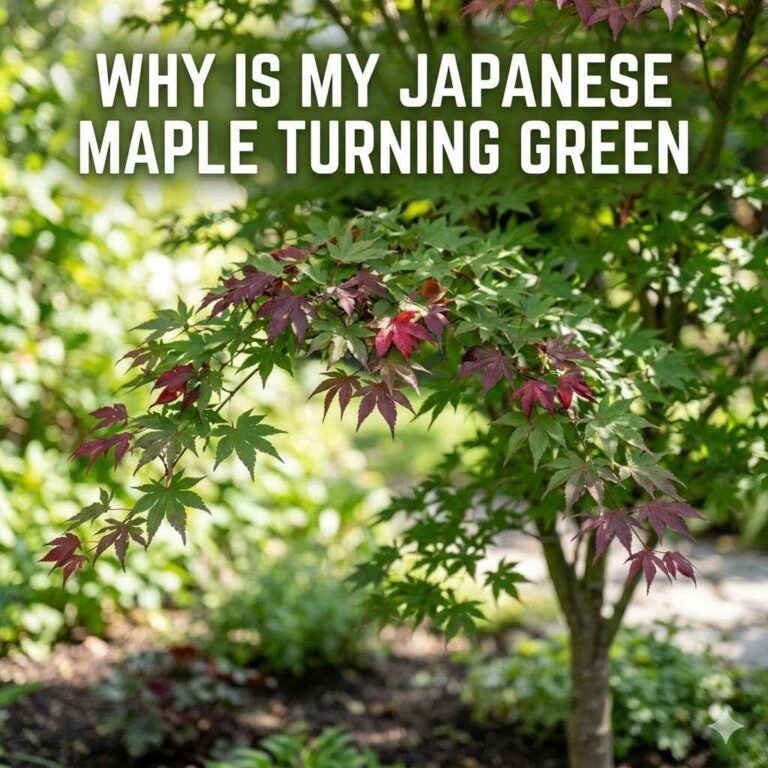
- Japanese Maple (Acer palmatum): You’ve surely seen these beautiful, small, and delicate trees in gardens and landscaping. They are prized for their stunning foliage and elegant shapes, but their small size means they are not used for lumber.
- Sycamore Maple (Acer pseudoplatanus): This is a major species in Europe and is very important commercially there. Its wood is strong and has a fine texture, similar to our Sugar Maple. In fact, the highly figured wood from Sycamore Maple is often used to make musical instruments like violins and cellos.
Hard Maple vs. Soft Maple: What Every Woodworker Must Know
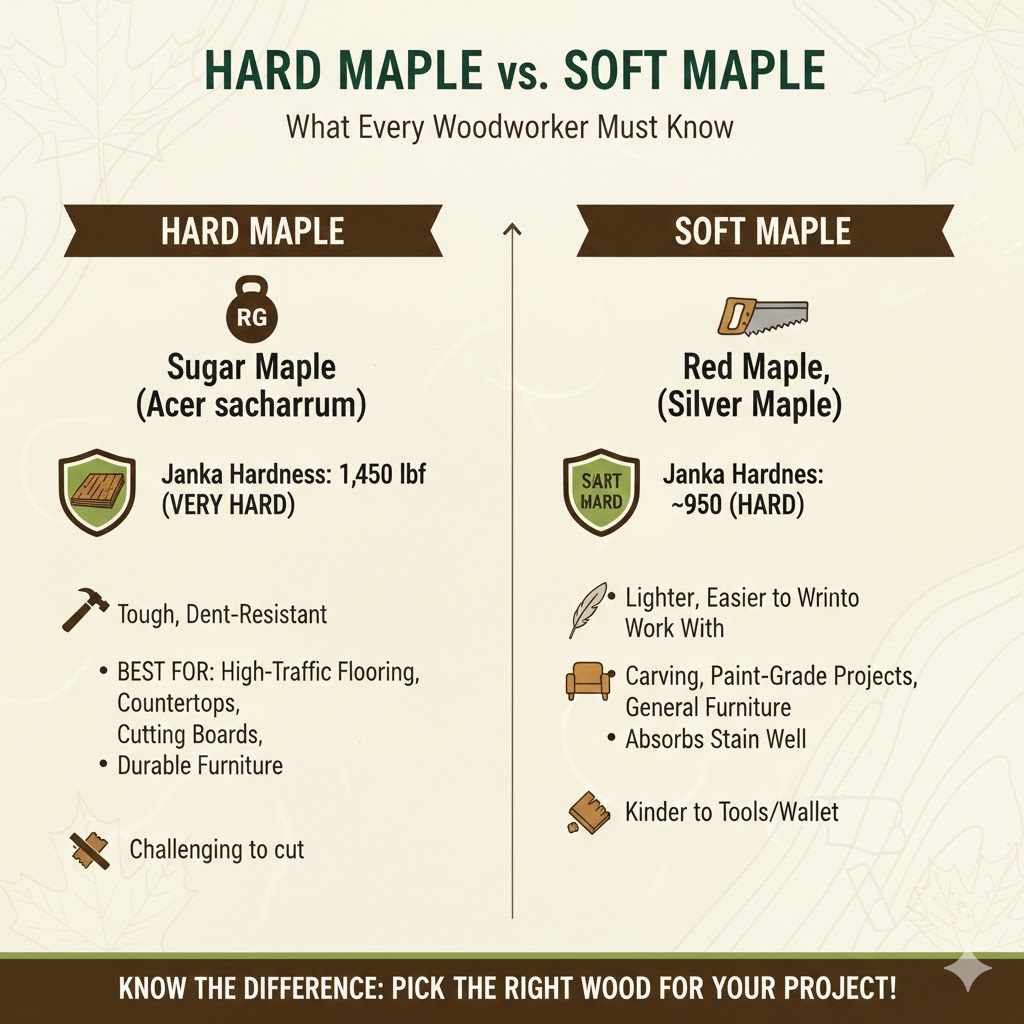
This is the most important distinction for anyone heading to the lumberyard. These are not scientific terms but are trade names used to describe the wood’s density and durability.
What is Hard Maple?
When someone in the lumber industry says “hard maple,” they are almost always referring to Sugar Maple. It is the king of durability. Its hardness is rated on something called the Janka scale, and Sugar Maple scores an impressive 1,450 lbf (pounds-force). This makes it tough enough to resist dents and scratches, which is why it’s perfect for high-wear items.
What is Soft Maple?
Soft maple is a category that includes several different species, most commonly Red Maple and Silver Maple. The term “soft” is relative—it is still a very respectable hardwood, just softer than Sugar Maple. Red Maple has a Janka hardness of around 950 lbf. Because it’s less dense, it is:
- Lighter in weight
- Easier to cut, shape, and sand
- Generally less expensive
- Better at absorbing stain for a darker color
When buying lumber, if the label just says “Maple,” it’s often a good idea to ask if it’s hard or soft maple. For more detail on specific tree characteristics, the U.S. Forest Service provides extensive resources on native trees.
| Maple Category | Primary Species | Janka Hardness (approx.) | Best For |
|---|---|---|---|
| Hard Maple | Sugar Maple (Acer saccharum) | 1,450 lbf | High-traffic flooring, workbenches, cutting boards, durable furniture. |
| Soft Maple | Red Maple, Silver Maple | 700 – 950 lbf | Paint-grade projects, hobby wood, carving, general furniture. |
Frequently Asked Questions (FAQ)
What is the easiest way to identify any maple tree?
Look for two key features. First, maple leaves grow in pairs, opposite each other on the twig. This is called “opposite branching.” Many other trees have alternating leaves. Second, most maples have the classic lobed leaf shape and produce “helicopter” seeds (called samaras) that spin as they fall.
Is maple wood considered a hardwood or a softwood?
This can be confusing! In botany, a “hardwood” is any tree that loses its leaves in the fall (deciduous), while a “softwood” is a cone-bearing tree like pine or spruce. Therefore, all maple trees produce hardwood lumber. However, in woodworking, the terms “hard maple” and “soft maple” are used to describe the wood’s density, as we discussed.
What is the difference between curly maple and tiger maple?
There is no difference! They are two different names for the same stunning wavy grain pattern found most often in Sugar Maple and Red Maple. The pattern looks like stripes or ripples, and it becomes even more beautiful when a finish is applied.
Which maple tree is best for making maple syrup?
The Sugar Maple (Acer saccharum) is the champion. Its sap has the highest sugar content, typically between 2% and 3%. This means you need less sap to make a gallon of syrup. While you can tap other maples like the Red Maple or Silver Maple, their sap has a lower sugar content, so it requires much more boiling.
Can I use any kind of maple wood for my project?
Yes, but you need to match the wood to the project. If you are building a workbench top that will take a beating, you absolutely want hard maple. If you are building a small decorative box that you plan to paint, affordable soft maple is a perfect choice. Understanding the difference in durability is the key.
What kind of maple leaf is on the Canadian flag?
The iconic red leaf on the Canadian flag is a stylized representation of a Sugar Maple leaf. It was chosen because the Sugar Maple is native to Canada and has long been a symbol of strength and endurance—just like its wood!
Why is maple wood so popular for woodworking?
Maple is loved for its strength, smooth texture, and bright, clean appearance. It’s very versatile. Its light color makes it a great backdrop for any design style, from modern to traditional. It can be finished to a beautiful natural luster or stained to mimic other woods like cherry or walnut.
Conclusion: Appreciating the Humble Maple
So, how many kinds of maple trees are there? A lot! But as we’ve seen, you only need to know a few to feel confident in the workshop or on a walk in the woods. From the tough and trusty Sugar Maple that gives us syrup and floors, to the easily workable Red Maple perfect for a painted bookcase, each species has its own personality and purpose.
The next time you see a maple tree, take a closer look at its leaves and bark. The next time you pick up a piece of maple lumber, think about its journey and what it could become in your hands. Understanding these wonderful trees opens up a new level of appreciation for the material we love to work with. Keep learning, stay safe in the shop, and have fun building!