How Many Wood Clamps Do You Really Need?
Wood clamps are essential tools for any woodworking project. They help hold pieces together securely while the glue dries or when you are making cuts. But how many wood clamps do you really need? This question can be tricky. Let’s explore the different types of clamps and how to choose the right number for your needs.
Understanding Wood Clamps
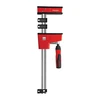
Bessey KRE3524 K Body REVO 24″ Parallel Clamp (Pair) – price varies
- Best for: Cabinet doors, panel glue-ups, and any project where dead-flat, square clamping matters most.
- Why we picked it: Parallel jaws apply even pressure across the full face with up to 1,700 lbs of clamping force, so you get less bowing and less fiddling with cauls.
- Main drawback: Costs noticeably more per clamp than a basic pipe or bar clamp.
Compare more clamp options

IRWIN QUICK-GRIP 12″ One-Handed Bar Clamp – price varies |

Jorgensen 3736 36″ Steel Bar Clamp – price varies |

Pony 50 Pipe Clamp Fixture (3/4″ Pipe) – price varies |
Wood clamps come in many shapes and sizes. They help you join wood pieces together. They also prevent movement while you work. Here are some common types of wood clamps:
- Bar Clamps: Great for large projects.
- Pipe Clamps: Adjustable for different sizes.
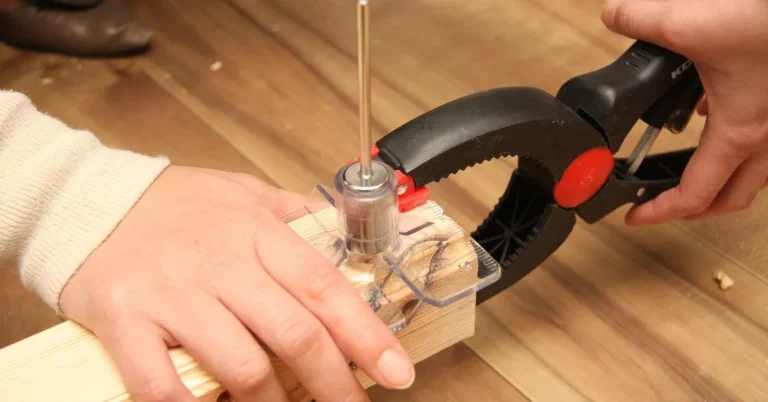
- Spring Clamps: Quick and easy to use.
- Corner Clamps: Ideal for making right angles.
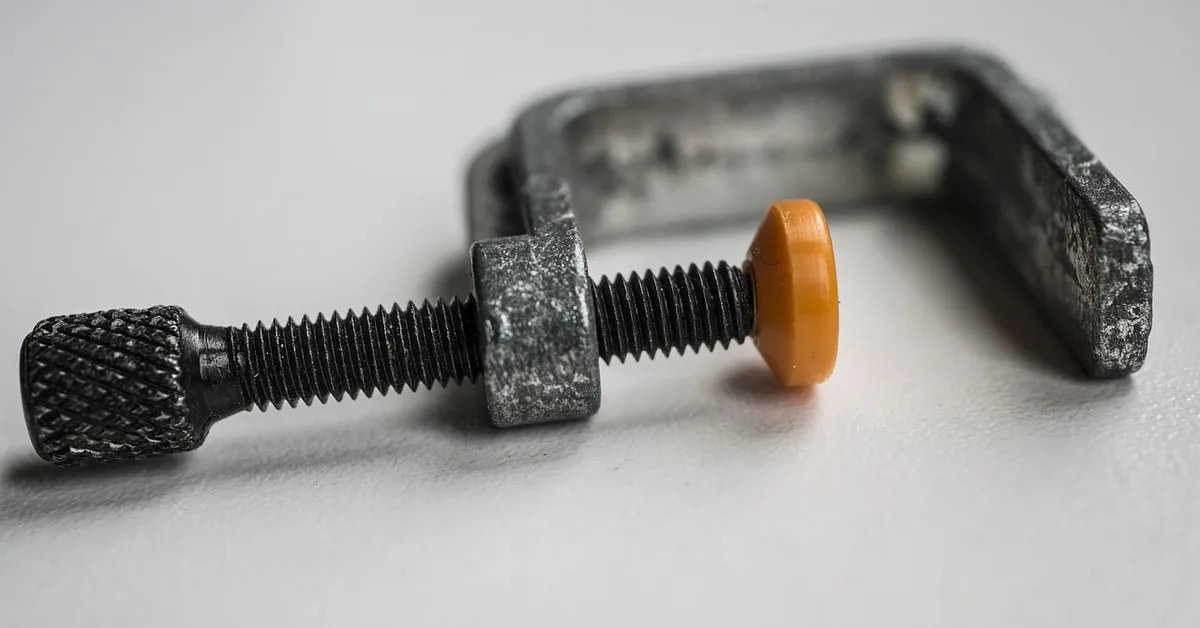
- F-Clamps: Versatile and strong.
Not sure whether to reach for a bar clamp or a pipe clamp first? See our full pipe clamp vs bar clamp comparison for real cost and clamping-force differences.
Factors to Consider
Deciding how many clamps you need depends on several factors:
1. Project Size
The size of your project matters. Larger projects often need more clamps. For example:
| Project Size | Recommended Clamps |
|---|---|
| Small Projects | 2-4 Clamps |
| Medium Projects | 4-8 Clamps |
| Large Projects | 8+ Clamps |
2. Type Of Joinery
Different joinery techniques need different clamp types. For example:
- For glue-ups, use bar or F-clamps.
- For miter joints, use corner clamps.
- For quick fixes, spring clamps work best.
3. Wood Thickness
The thickness of your wood pieces also affects clamp choice. Thicker pieces may need more pressure. This means using more clamps. Always check the clamp specifications for the right fit.
4. Availability Of Clamps
Sometimes you may not have enough clamps on hand. If you have a project in mind, consider borrowing or renting clamps. This can save you money.
How Many Clamps You Need by Project Type
Beyond general project size, the specific type of build you are doing has a big impact on clamp count. Here is a quick-reference table for some of the most common shop projects:
| Project Type | Recommended Clamp Count | Clamp Type |
|---|---|---|
| Cutting Board Glue-Up | 6-8 clamps, spaced every 6-8 inches | Bar or pipe clamps |
| Cabinet Door | 4 clamps | Corner clamps or bar clamps |
| Tabletop Glue-Up | Enough bar/pipe clamps to span every 8-10 inches across the width, plus 2-4 cross clamps on top | Bar or pipe clamps, plus cauls |
| Picture Frame | 1 frame/corner clamp or 4 spring clamps at the corners | Frame clamp or spring clamps |
The cross clamps on a tabletop glue-up are worth calling out specifically: even with enough bar clamps spanning the width, boards can still bow up or down along the glue line. Adding 2-4 clamps across the top and bottom, perpendicular to the main clamps, keeps the panel flat while the glue cures.
Types of Clamps Compared
Each clamp style trades off holding power, speed, and cost differently. Here is how the most common types stack up:
| Clamp Type | Pros | Cons | Best Use |
|---|---|---|---|
| Bar / Pipe Clamps | High clamping force, long reach, reusable pipe lengths (pipe clamps) | Bulkier to store, two-handed operation | Edge-to-edge glue-ups, tabletops, large panels |
| F-Clamps | Strong, versatile, compact throat depth options | Heavier than spring clamps, slower to adjust than trigger clamps | Cabinet assembly, general clamping, metal-to-wood work |
| Spring Clamps | Instant one-hand squeeze-and-release, inexpensive | Limited clamping force and reach | Holding jigs, light glue-ups, temporary positioning |
| Band (Strap) Clamps | Wraps irregular shapes, applies even pressure around a perimeter | Not ideal for flat panel glue-ups | Picture frames, boxes, round or angled assemblies |
| One-Handed (Trigger/Quick-Grip) Clamps | Fast one-hand operation, doubles as a spreader | Less clamping force than a dedicated bar clamp | Quick holds, assembly help, smaller glue-ups |
Clamping Pressure and Spacing Guidance
Having the right number of clamps only helps if you use them correctly. For edge-to-edge glue-ups, space clamps roughly every 6-12 inches along the glue line. Wider spacing risks gaps opening between clamping points, especially with thinner stock.
Most woodworking glues perform best under moderate, even clamping pressure rather than maximum force — a commonly cited target for standard wood glue clamp-ups is in the neighborhood of 100-150 psi. Cranking every clamp down as hard as possible can actually starve the joint of glue, squeezing out too much adhesive and leaving a weaker bond. A light, steady bead of squeeze-out along the entire joint line is a reasonable rough indicator that pressure is adequate and even; a joint with no squeeze-out at all may not be getting enough clamping force, while excessive squeeze-out everywhere can mean you have overdone it.
Common Clamp Scenarios
Let’s look at some common woodworking projects. We will see how many clamps you might need for each.
1. Simple Shelf
For a basic shelf, you usually need:
- 2 Bar Clamps for the sides.
- 2 Spring Clamps for temporary holds.
2. Coffee Table
A coffee table project might require:
- 4 F-Clamps for the top.
- 2 Corner Clamps for the legs.
3. Bookcase
For a bookcase, you could need:
- 6-8 Bar Clamps for the panels.
- 4 Corner Clamps for the shelves.
Buying the Right Number of Clamps
Now that you know how many clamps you need, it is time to buy. Here are some tips:
1. Start Small
If you are a beginner, start with a few clamps. You can always buy more as you need them. A good starter set includes:
- 2 Bar Clamps
- 2 Spring Clamps
- 2 Corner Clamps
2. Quality Over Quantity
It is better to have fewer high-quality clamps than many low-quality ones. Quality clamps last longer and hold better. Look for sturdy materials like steel or aluminum.
3. Versatile Types
Choose versatile clamps that can adapt to different tasks. F-Clamps and Bar Clamps are great examples. They can be used for many projects.
Maintaining Your Wood Clamps
Proper maintenance helps your clamps last longer. Here are some tips:
1. Clean Regularly
After each use, wipe down your clamps. Remove any glue or wood dust. This prevents rust and keeps them working well.
2. Store Properly
Store your clamps in a dry place. Avoid damp areas to prevent rust. Hanging them on a wall is a great idea.
3. Check For Damage
Regularly inspect your clamps. Look for cracks or bends. If you find any damage, replace them immediately to avoid accidents.
Frequently Asked Questions
How Many Wood Clamps Should I Buy?
The number of wood clamps you need varies based on your projects. Starting with four to six is advisable.
What Types Of Wood Clamps Exist?
Common types include bar clamps, pipe clamps, and spring clamps. Each serves different purposes and project needs.
How Do I Choose The Right Clamp Size?
Select clamps that match your material thickness and project dimensions. Measure your workpiece to ensure a proper fit.
Can I Use Clamps For Metalworking?
Yes, some wood clamps work for metal projects. Ensure they provide enough pressure and have appropriate jaw pads.
How Much Clamping Pressure Do I Need For Wood Glue?
Most wood glues bond well under moderate, even pressure — roughly 100-150 psi is a commonly cited range for standard woodworking glue-ups. More pressure is not always better; overtightening can squeeze out too much glue and weaken the joint.
How Long Should Clamps Stay On?
Follow the glue manufacturer’s guidance, but most PVA wood glues reach enough strength to safely remove clamps after 30-60 minutes, with full cure taking 24 hours before the joint sees heavy stress. When in doubt, leave clamps on overnight.
Conclusion
So, how many wood clamps do you need? It depends on your projects. Start with a few essential clamps and grow your collection as needed. Remember, quality and versatility are key. Happy woodworking!
Sponsored / affiliate links. As an Amazon Associate I earn from qualifying purchases. I may earn additional commission from eligible campaigns.