Are Battery Chainsaws Any Good? Real Performance Tested
Battery chainsaws are good for light to medium tasks like pruning, trimming branches, and cutting smaller logs. Their performance has greatly improved, offering good power and convenience for many homeowners. However, they may not be suitable for heavy-duty jobs or extended professional use due to battery life and power limitations compared to gas models. For dense brush and saplings rather than branches and logs, see our the best machines for land clearing, which includes a battery-powered pick built specifically for that. If you’re weighing a battery saw against stepping up to a gas model instead, our breakdown of whether Stihl chainsaws are actually worth it covers real specs and pricing for the gas-powered alternative.
If you run a Stihl saw, knowing how to tune the carburetor is essential maintenance — our guide on how to adjust a Stihl chainsaw carb covers H, L, and T screw settings with a model-specific chart.
Understanding Battery Chainsaw Performance
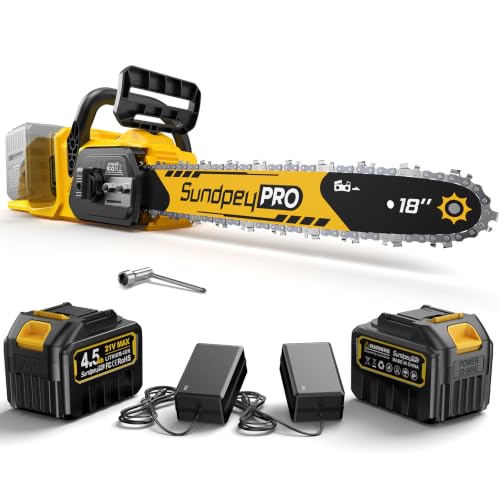

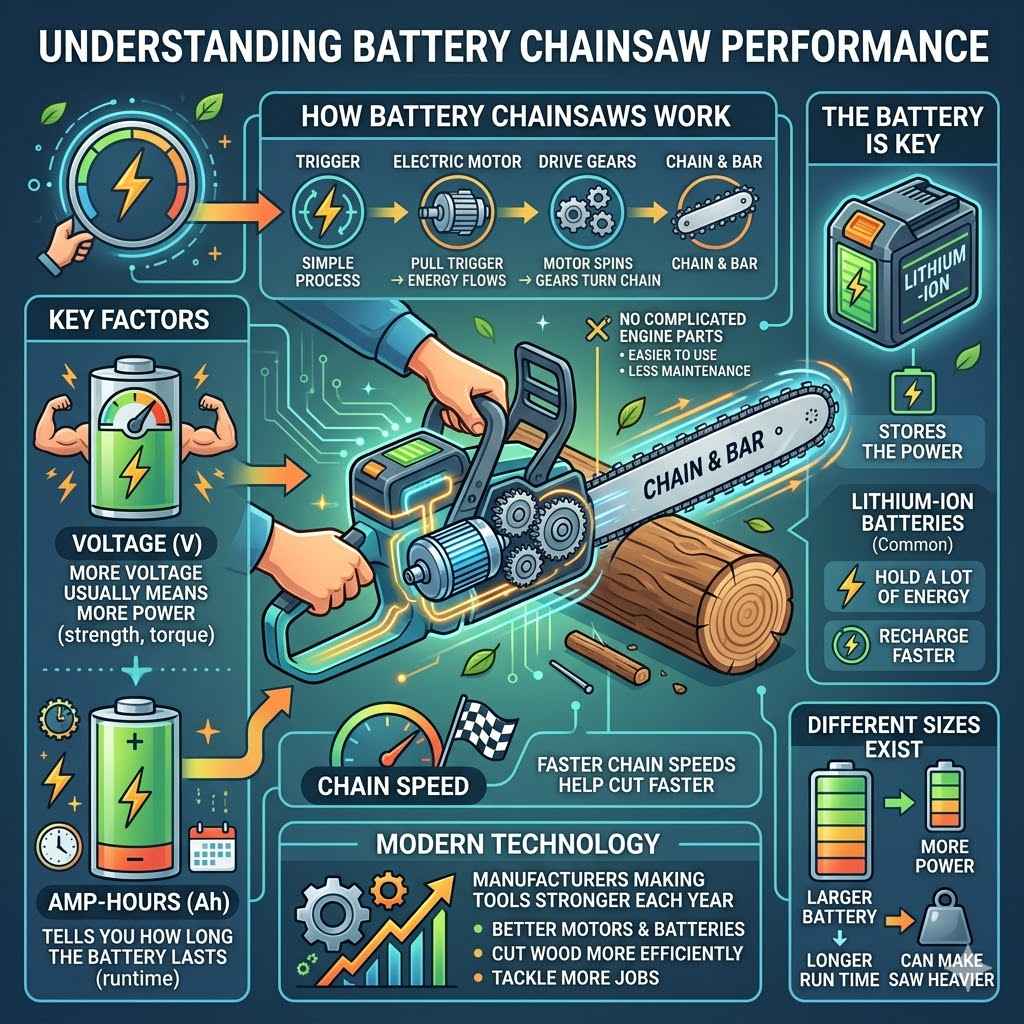
Battery chainsaws use electric motors powered by rechargeable batteries. This is different from gas chainsaws that use fuel. The motor spins a chain with sharp teeth. This chain cuts through wood. The power comes from the battery pack. More voltage usually means more power. Amp-hours tell you how long the battery lasts.
The chain speed is also important. This is how fast the chain moves. Higher chain speeds help cut faster. Manufacturers are making these tools stronger each year. They use better motors and batteries. This makes them cut wood more efficiently. You can tackle more jobs with them now.
How Battery Chainsaws Work
Inside, a battery powers an electric motor. This motor is connected to the chain. When you pull the trigger, electricity flows. The motor spins. A gear system turns the chain. It’s a simple process. No complicated engine parts are involved. This makes them easier to use. It also means less maintenance.
That simple, gear-driven design is a world away from how the chain saw actually began — it started as a hand-cranked 1780s surgical instrument, not a wood-cutting tool. Our full history of the chainsaw’s original use covers the real timeline, from that 1780s medical device to Andreas Stihl’s first gas-powered saw in the 1920s.
The battery is the key part. It stores the power. Lithium-ion batteries are common. They hold a lot of energy. They also recharge faster. Different battery sizes exist. A larger battery means more power and longer run time. But it can also make the saw heavier.
My Experience With Battery Chainsaws
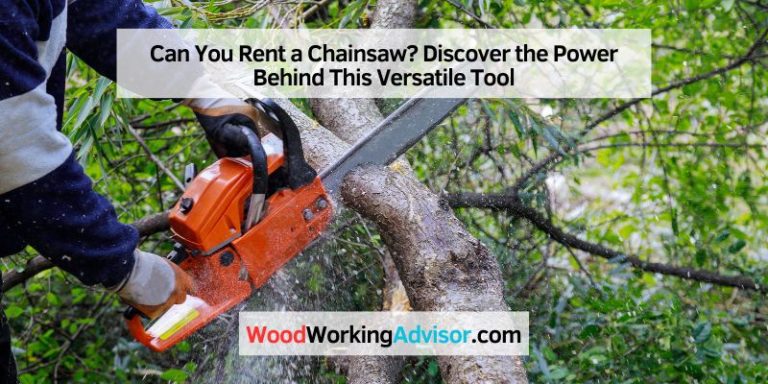
I remember the first time I tried a battery chainsaw. It was a few years ago. I had a fallen branch from a storm. It was about 6 inches thick. My old gas saw was in the shed. It needed a tune-up. I had just bought a small battery model. I was skeptical. Could this little thing handle it?
I put in the battery. It clicked into place. I started it with a button. It was so quiet compared to my gas saw. I touched the trigger. The chain whirred to life. I touched it to the branch. It cut through the wood with surprising ease. I was amazed. It took less than a minute. No gas fumes. No pull-starting. Just clean cuts. That’s when I started to believe.
Battery Chainsaw vs. Gas Chainsaw: Key Differences
Power Source: Battery uses electricity; Gas uses gasoline.
Noise Level: Battery is much quieter; Gas is very loud.
Emissions: Battery has none; Gas produces exhaust.
Weight: Battery is generally lighter; Gas can be heavier.
Maintenance: Battery needs less; Gas needs regular engine care.
Runtime: Battery limited by charge; Gas limited by fuel refills.
Want the full side-by-side, including cost, maintenance, and which one actually fits your yard? See our complete battery vs gas chainsaw comparison guide.
One of the most popular battery models in this category is the Craftsman V20 cordless chainsaw, a 12-inch saw built for exactly the light pruning and yard cleanup this section describes.
Real-World Context: Where Battery Chainsaws Shine
Battery chainsaws fit well in many American homes and yards. Think of suburban backyards. They have trees that need occasional trimming. Or maybe a homeowner with a small property. They might need to cut firewood for a small stove. The ease of use is a big plus.
If the job is heavier – felling larger trees or processing multiple cords of firewood – a gas saw still has the edge in runtime and raw power; see our budget gas chainsaw review for what to expect from an entry-level 62cc saw.
In areas with stricter noise rules, battery models are a lifesaver. You can trim trees early. You don’t worry about waking neighbors. They are also great for quick jobs. Need to cut a small fallen limb? Grab the battery saw. No need to mix gas or go through a long startup.
User Behavior and Expectations
Most people using battery chainsaws are not arborists. They are homeowners. They want a tool that’s easy to start. They want it to be safe. They also want it to be effective for common tasks. Professional arborists are the exception — they need one-handed control while climbing, which is why top-handle chainsaws exist as a distinct category from the rear-handle saws most homeowners buy. They don’t want to deal with complex engines. Or the smell of gas.
The expectation is convenience. They want to grab it and go. Battery chainsaws deliver on this. But it’s important to know their limits. They are not for cutting down huge old trees. Or for a professional logger working all day. Matching the tool to the job is key.
Quick Scan: Common Yard Tasks
Task: Pruning small branches (under 4 inches)
Battery Chainsaw: Excellent
Task: Cutting medium branches (4-8 inches)
Battery Chainsaw: Good, may need multiple cuts
Task: Cutting small logs for firewood (under 6 inches)
Battery Chainsaw: Good, but runtime is a factor
Task: Felling large trees (over 12 inches)
Battery Chainsaw: Not Recommended
What This Means For You: Normal vs. Concerning
It’s normal for a battery chainsaw to cut through branches up to about 6 inches thick without much trouble. For thinner branches or tight spots where a full chainsaw feels like overkill, a battery hand saw built for cutting branches is often the lighter, easier choice. You might hear a slight slowing if the wood is very dense. This is normal. It means the motor is working hard. A fully charged battery should last for a good number of cuts. Maybe 30 to 50 cuts on average, depending on size.
When should you worry? If the saw struggles to cut even small branches. If it bogs down constantly. Or if the battery drains much faster than expected. This could mean the chain is dull. Or the battery is old and not holding a charge. Maybe the motor has a problem.
Simple Checks You Can Do
First, check the chain. Is it sharp? A dull chain makes any saw work harder. You can often tell by looking at the wood chips. Sharp chains make fine sawdust. Dull chains make bigger, ragged chips. You can also feel for resistance when you move the chain by hand (with the saw off!).
Next, check the battery. Is it seated properly? Is it a genuine battery for that model? Sometimes older batteries lose their punch. If you have a spare, try that one. Ensure the oil reservoir is full if your saw has an automatic oiler. A dry chain can overheat.
Myth vs. Reality: Battery Chainsaw Power
Myth: Battery chainsaws are weak toys.
Reality: Modern battery chainsaws offer significant power. They can handle many common homeowner tasks effectively.
Myth: They die after just a few minutes.
Reality: Runtime varies. Many high-end models offer 30-60 minutes of use on a single charge, enough for many tasks.
Myth: You can’t cut anything thick with them.
Reality: They can cut branches and logs up to 6-8 inches in diameter, sometimes more, depending on the saw’s power and the wood type.
Quick Fixes & Tips for Battery Chainsaws
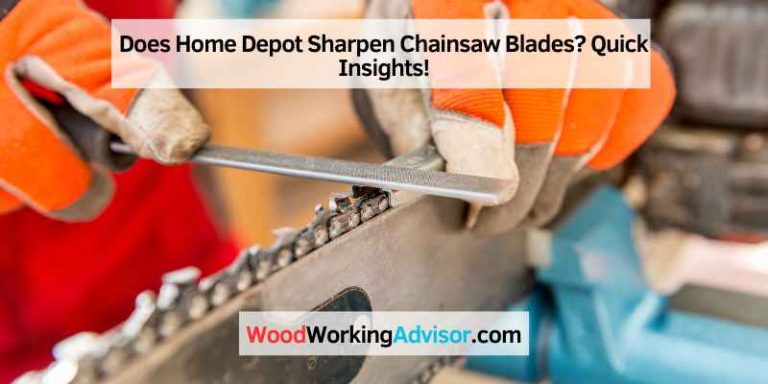
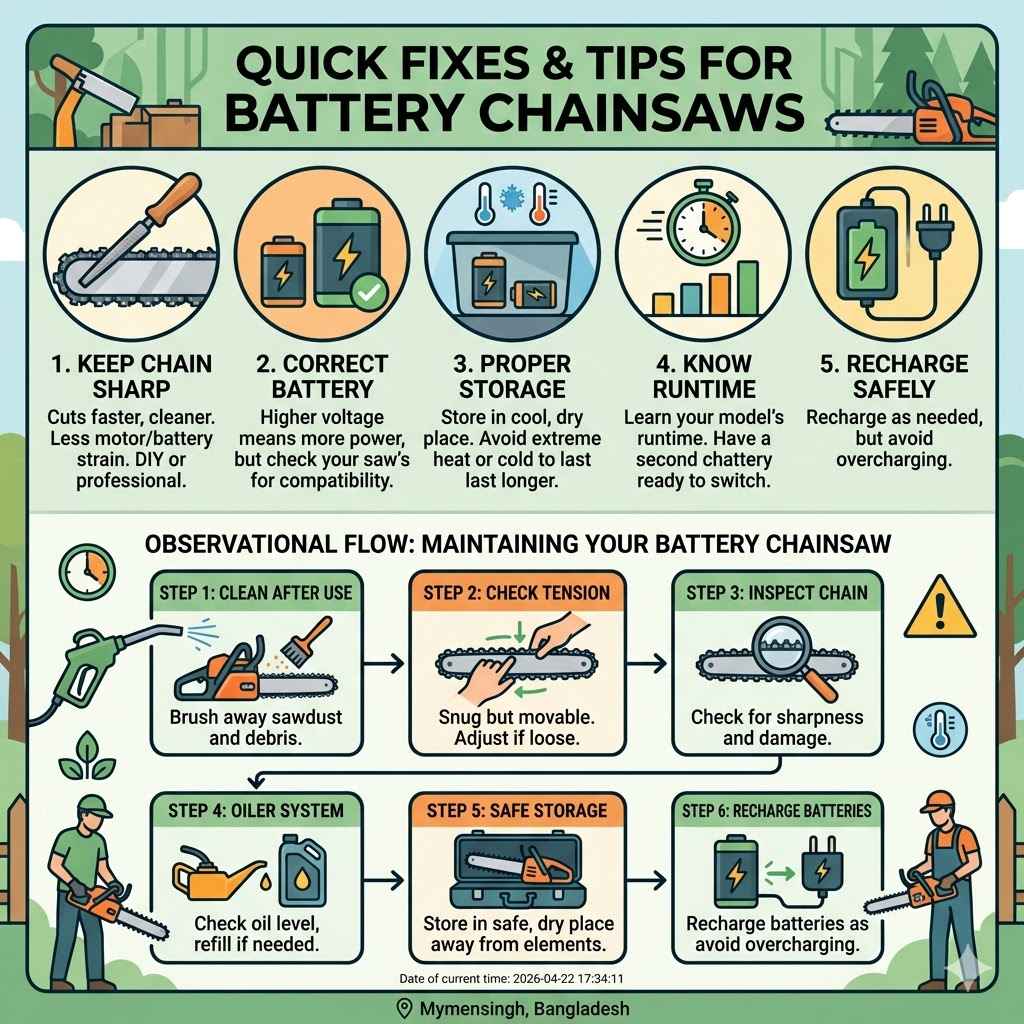
Keep your chain sharp. This is the most important tip. A sharp chain cuts faster and cleaner. It also puts less strain on the motor and battery. You can sharpen it yourself or have it done.
Always use the correct battery for your saw. Higher voltage batteries often mean more power. But ensure your saw is designed for it. Check the saw’s manual.
Store batteries properly. Keep them in a cool, dry place. Avoid extreme heat or cold. This helps them last longer.
Learn about your specific model’s runtime. Know how long your battery typically lasts. Have a second battery charged and ready. This way, you can switch and keep working.
Observational Flow: Maintaining Your Battery Chainsaw
Step 1: After use, clean the saw. Brush away sawdust and debris.
Step 2: Check chain tension. It should be snug but movable.
Step 3: Inspect the chain for sharpness and damage.
Step 4: If it has an oiler, check the oil level and refill if needed.
Step 5: Store the saw and battery in a safe, dry place.
Step 6: Recharge batteries as needed, but avoid overcharging.
Frequent Questions About Battery Chainsaws
How long do battery chainsaw batteries typically last?
Battery life varies greatly by model and usage. Many homeowner models can run for 30 to 60 minutes on a full charge. Higher-end or professional-grade models might last longer.
This is enough time for many common yard tasks like trimming and cutting smaller logs.
Can a battery chainsaw cut through a 10-inch log?
It depends on the power of the battery chainsaw. Most standard homeowner battery chainsaws will struggle with a 10-inch hardwood log. They are better suited for branches and logs up to about 6 to 8 inches in diameter.
More powerful, professional-grade battery models might handle it, but it won’t be fast.
Are battery chainsaws safer than gas chainsaws?
Battery chainsaws are generally considered safer for beginners. They are lighter, quieter, and easier to start. They don’t have the complex controls or the risk of accidental starting from a hot engine found in some gas models.
However, all chainsaws are powerful tools and require proper safety gear and training.
How often do I need to sharpen a battery chainsaw chain?
This depends on how much you use it and the type of wood you cut. A good rule of thumb is to sharpen the chain when you notice it’s not cutting as quickly or easily as it used to. For typical homeowner use, this might be after several hours of actual cutting time.
Inspect it often.
What is the main advantage of using a battery chainsaw?
The main advantages are convenience, ease of use, and reduced noise and emissions. They start instantly with a button push, require minimal maintenance compared to gas engines, and are much quieter. This makes them ideal for use in neighborhoods or for quick, light-duty tasks.
Do battery chainsaws have enough power for firewood?
For small to medium firewood needs, yes. If you are cutting logs for a small fireplace or outdoor fire pit, a good battery chainsaw can work well. You’ll need to manage battery life.
If you need large amounts of firewood regularly, a gas chainsaw might be more efficient for the job.
Conclusion: Are Battery Chainsaws Worth It?
Yes, battery chainsaws are good for many people. They offer a great balance of power and convenience. They make yard work easier. They are perfect for trimming trees and clearing brush. Just know their limits. For tough jobs, a gas saw might still be needed. But for most homes, a battery model is a solid choice.
Sponsored / affiliate links. As an Amazon Associate I earn from qualifying purchases. I may earn additional commission from eligible campaigns.