How Much Does It Cost to Replace Carpet With Hardwood: A Guide
Are you tired of your old carpet and dreaming of the elegant look of hardwood floors? You’re not alone.
Many homeowners are making the switch, drawn by the timeless appeal and durability that hardwood offers. But before you dive headfirst into this home improvement project, it’s important to understand the costs involved. How much does it really cost to replace carpet with hardwood?
The answer might surprise you. We’ll break down the expenses, helping you make an informed decision that fits your budget. Whether you’re aiming for a luxurious transformation or a cost-effective upgrade, knowing the financial implications can save you from unexpected surprises. Keep reading to discover everything you need to know about transforming your floors without breaking the bank.
Cost Factors
Hardwood floors can be pricey. Types like oak or maple often cost more. Prices vary by quality and brand. High-end wood costs more. Budget options might save money. Always check the price per square foot. Buying in bulk can sometimes reduce costs.
Installing hardwood requires skilled workers. Labor costs can be high. Workers charge by the hour. More complex designs need more time. Professional installation ensures quality. Sometimes, hiring a local contractor can be cheaper. Always ask for quotes from different contractors.
Other costs may surprise you. Removing old carpet costs money. Disposal fees add up too. Underlayment might be needed for hardwood. If your floor needs leveling, that’s another cost. Staining or finishing can also add to the price. Always budget for unexpected expenses.

Credit: homeguide.com
Types Of Hardwood
Solid hardwood is made from one piece of wood. It’s strong and can last a long time. Oak and maple are popular choices. This wood can be sanded and refinished many times. It works well in most rooms. But it doesn’t like water. Avoid using it in bathrooms or basements. The cost can be high, but the beauty is worth it.
Engineered hardwood looks like solid wood. But it has layers of wood stuck together. The top layer is real wood. It’s more stable and handles moisture better. Kitchens and basements are good places for it. It’s usually less expensive than solid wood. But it can’t be sanded as much.
Reclaimed wood is old wood reused for floors. It comes from old buildings or barns. This wood has a unique look and history. It’s also good for the planet. It can be more expensive due to its rarity. But it adds a special touch to any room.
Area Measurement
First, find out the square footof the room. Measure the lengthand widthof the room. Multiply these two numbers. This gives the total square feet. Always round up the number. This helps in buying the right amount of wood.
Rooms have different shapes. Some are easy to work with. Others are tricky. A simple rectangle is easy. Odd shapes cost more. More cuts and time are needed. This can increase the total cost. Plan ahead for tricky shapes.
Installation Process
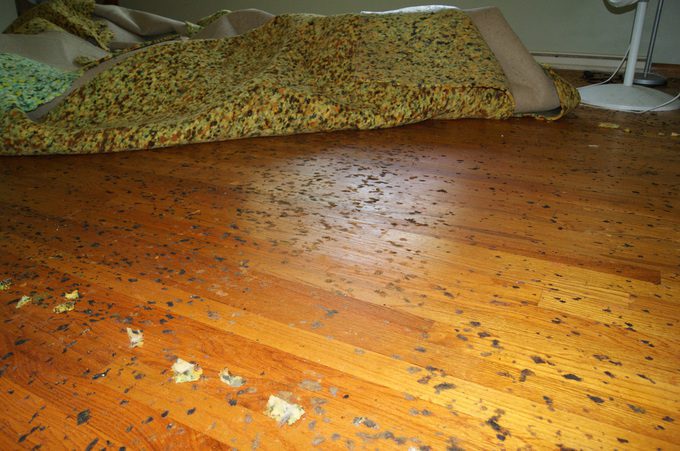
Start by clearing the room. Move all furniture out. Remove the carpet carefully. Pull it up and roll it away. Check the floor underneath for any damage. Clean the surface well. Ensure it’s smooth and ready.
Lay down the underlayment. This is a cushion layer. It helps protect the hardwood. Position it evenly across the floor. Ensure no gaps are left. Tape the seams to keep it secure. This step helps in soundproofing and moisture control.
Install the hardwood. Place each plank carefully. Secure them in position using nails or glue. Check the alignment as you work. Once done, inspect the floor. Polish the surface to give it a shine. Clean up any debris or dust. Your new hardwood floor is ready!
Budgeting Tips
Planning your budget is very important. Buy materials during sales. This can save you money. Choose cheaper hardwood if needed. Compare prices from different stores. Negotiate with sellers. Sometimes they offer discounts. Look for local suppliers to avoid shipping costs.
Higher quality wood costs more. It lasts longer. Cheaper wood might need replacement sooner. Think about long-term costs. Quality floors add value to your home. Balance your budget with your needs. Invest wisely for the best outcome.
Doing it yourself can be fun. Save on labor costs this way. But professional help ensures a perfect finish. Mistakes can cost more to fix. Consider your skills before deciding. Professionals have the right tools. Choose what fits best for your project.

Credit: www.fixr.com
Common Mistakes
People often measure wrong when replacing carpets with hardwood. Accurate measurements are crucial to avoid buying too much or too little wood. Errors can lead to wasted money or delays. Always double-check measurements before purchasing materials. Using tools like tape measures can help ensure precision. Mistakes in measuring can complicate the installation process. It may result in uneven surfaces or gaps between planks. Accurate measurement saves time and prevents stress.
Selecting the wrong type of wood can be costly. Hardwood comes in different types, each with unique traits. Some types are more durable; others are cheaper. It’s important to consider the room’s traffic and humidity. The wrong choice can lead to damage or wear. For high-traffic areas, choose durable woods. For kitchens or bathrooms, consider moisture-resistant options. The right material ensures longevity and beauty.
Many forget about upkeep costs. Hardwood floors need regular care. Cleaning, polishing, and occasional repairs add to expenses. Ignoring these costs can lead to damage over time. Maintenance keeps floors looking new and extends their life. Budget for cleaning supplies and professional services. Regular upkeep prevents costly replacements later. Proper care preserves the wood’s natural beauty.
Long-term Value
Hardwood floors last a long time. They are strong and resistant. Carpet wears out quickly. Scratches and stains ruin it. Hardwood can be repaired easily. Regular cleaning keeps it looking new. Carpets need replacing often. This adds to long-term costs. Hardwood saves money over time. It is a smart choice for floors.
Hardwood floors increase home value. Buyers prefer them. They look elegant. They make a room feel warm. Homes with hardwood sell faster. Carpets may lower home value. They can appear dirty or old. Hardwood floors are an investment. They can help with resale. They attract more buyers.

Credit: www.angi.com
Frequently Asked Questions
What Is The Average Cost Of Hardwood Flooring?
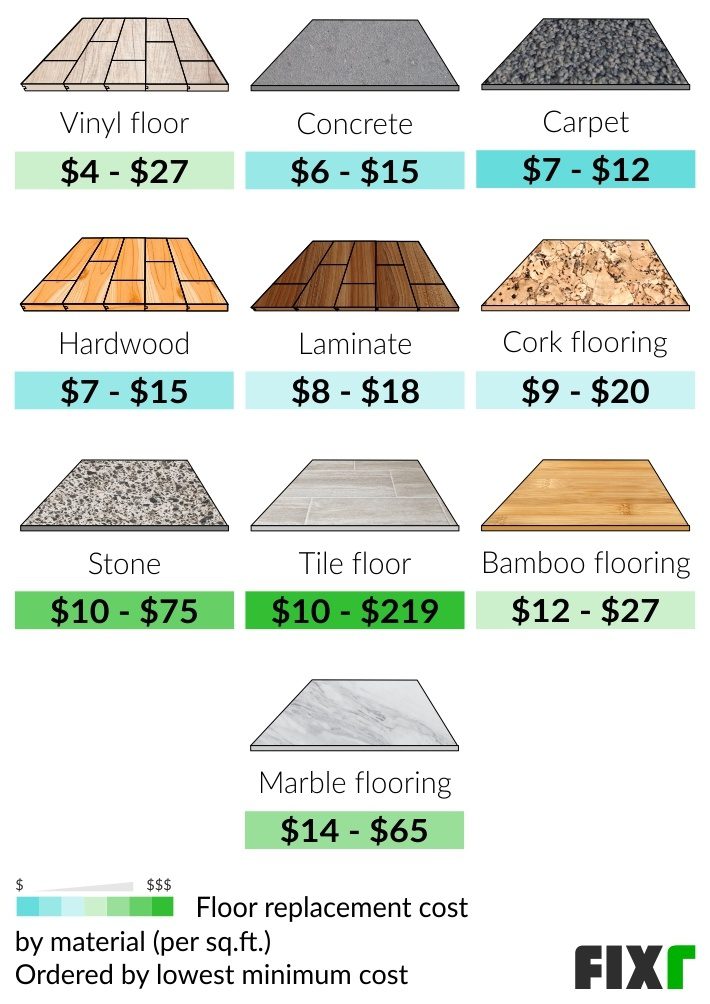
The average cost of hardwood flooring ranges from $6 to $12 per square foot. This includes materials and installation. Prices can vary based on wood type, quality, and installation complexity. Additional costs may arise from removing old carpet and preparing the subfloor.
Is Hardwood Flooring More Expensive Than Carpet?
Yes, hardwood flooring is typically more expensive than carpet. Carpet costs range from $3 to $7 per square foot. Hardwood offers durability and a timeless look. Although initially pricier, hardwood may increase home value and last longer, potentially offsetting the initial cost.
How Long Does Hardwood Installation Take?
Hardwood installation generally takes two to five days. Preparation, such as removing carpet and subfloor leveling, impacts this timeline. Complexity and room size also influence installation duration. Proper planning ensures efficient installation and minimizes disruptions in your home environment.
Can I Install Hardwood Myself To Save Money?
Yes, installing hardwood yourself can save money. DIY installation requires tools, skills, and time commitment. It’s crucial to follow manufacturer guidelines for successful results. Mistakes during installation may lead to extra costs, so assess your skills before starting the project.
Conclusion
Choosing hardwood over carpet adds elegance to any room. The cost varies. Factors like wood type, labor, and room size matter. Consider your budget carefully. Hardwood lasts longer than carpet. It boosts home value. Maintenance is simpler too. Weigh the initial expense against long-term benefits.
Research local installation services for accurate quotes. Compare prices and reviews. Plan your project wisely. Enjoy the beauty and durability of hardwood floors. They make a smart investment. A worthwhile change for your home.