How to Clean Hardwood Floors After Removing Carpet: Expert Tips
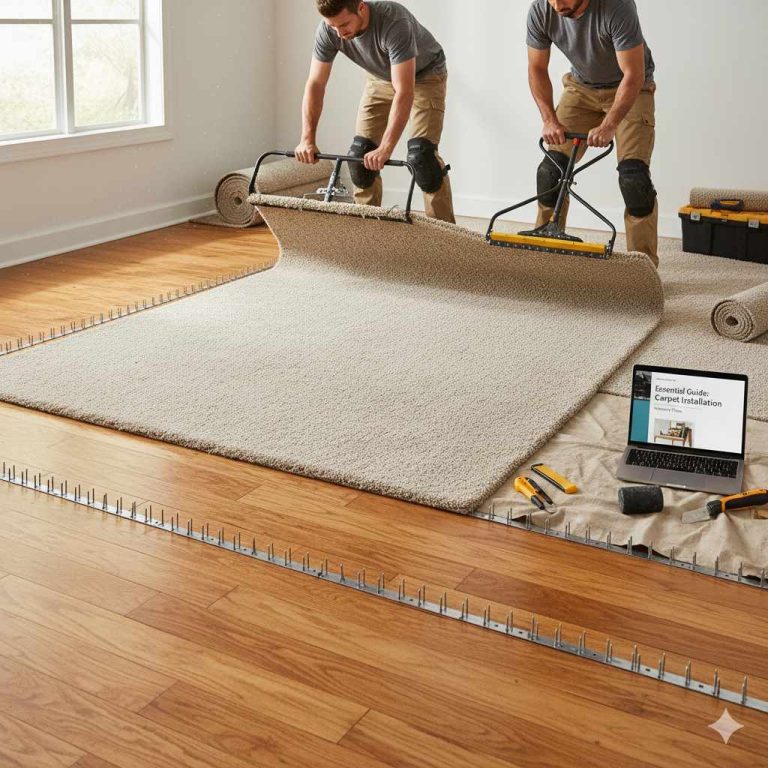
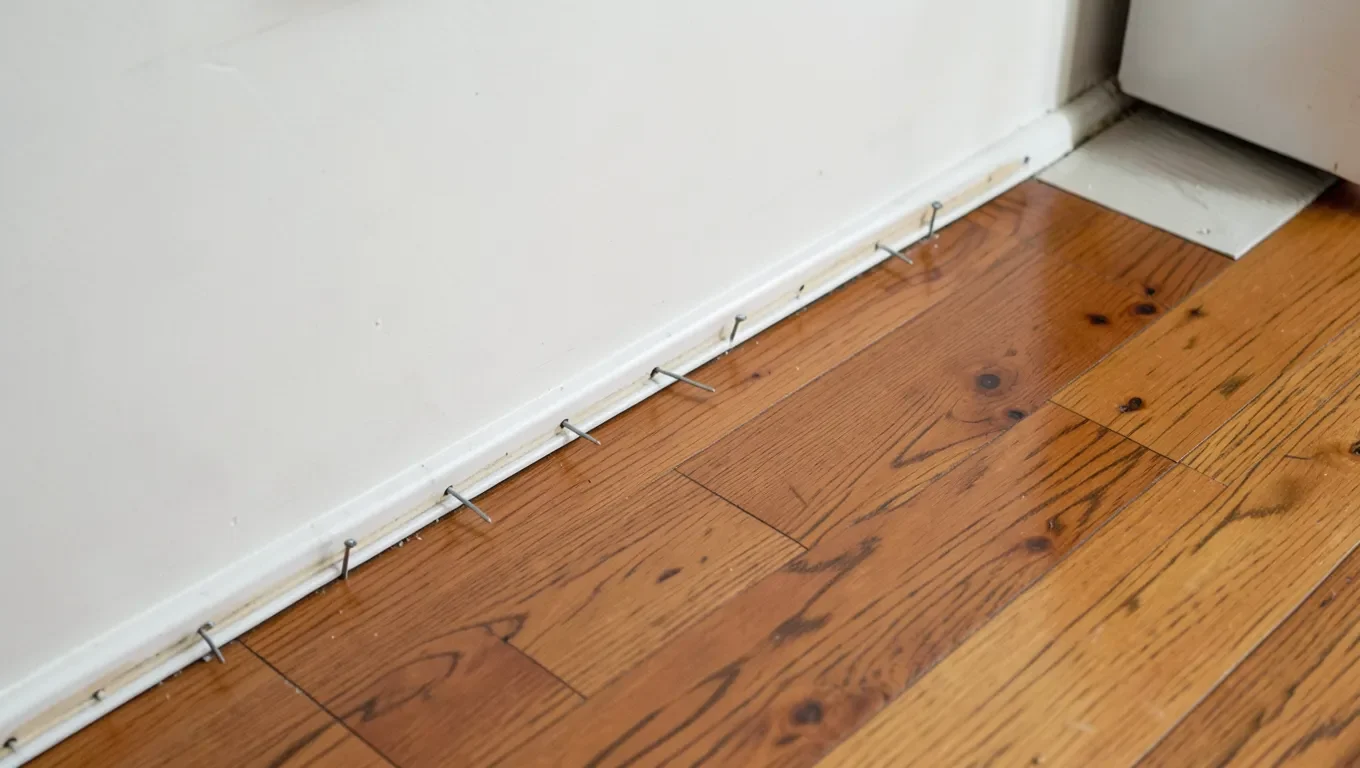
Before you clean anything, pull every tack strip and staple first – this is the step most cleaning guides skip, and it’s a real injury risk if you don’t. Carpet installations use tack strips (thin wood strips studded with angled nails) around the entire perimeter, plus staples scattered across the field, and both are still there under the padding, waiting to catch a bare foot or a mop.
Step 1: Remove Tack Strips And Staples (Do This First)
Best Tack Strip Remover
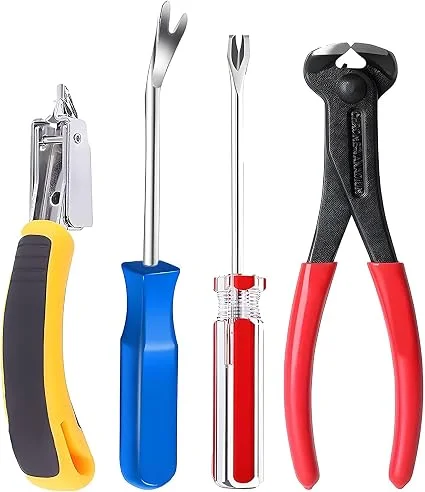 |
Fifatopo 4-Piece Staple & Tack Remover Set – $16.95 Pulls the tack strips and staples left behind by carpet – the step this guide’s real safety warning is about.
|
- Pry up tack strips with a flat pry bar, working along the perimeter where carpet was originally installed.
- Pull remaining staples with pliers or a dedicated staple/tack remover tool – a claw hammer alone often just bends them flush instead of removing them.
- Check the entire floor by hand or with a shoe before walking barefoot or rolling equipment across it – missed nails are the most common injury from this exact project.
- Fill the small nail holes left behind with wood filler once everything is out, before moving to cleaning.
Step 2: Expect (And Understand) The Color Difference
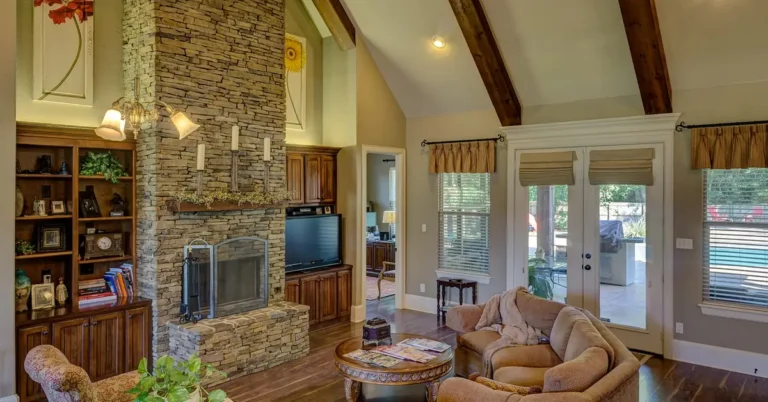
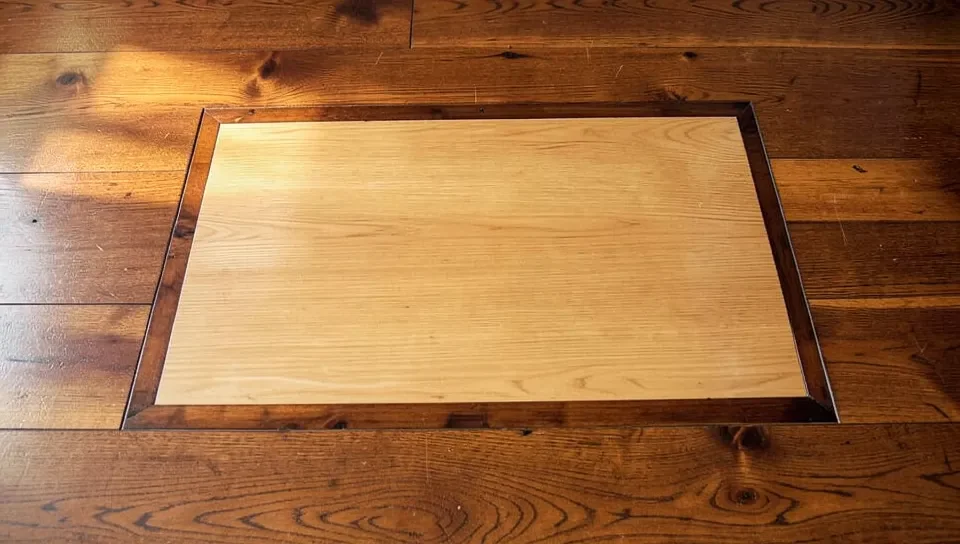
One of the most common surprises after uncovering old hardwood is a visible color difference between the areas that were covered by carpet/rugs/furniture and the areas that were exposed to light. Wood naturally ambers and darkens with UV exposure over years, so the protected areas often look noticeably lighter or more raw-toned by comparison. This isn’t damage – it’s just differential aging, and it typically evens out on its own with weeks to months of light exposure. If you want it fixed immediately rather than waiting, sanding and refinishing the whole floor is the real solution; spot-treating won’t blend a color difference this broad.
Step 3: Clear Adhesive And Padding Residue
- Carpet pad adhesive/tack: Scrape gently with a plastic scraper, then use a small amount of mineral spirits or a wood-safe adhesive remover on stubborn spots – always test a hidden corner first.
- Staple holes and small gouges: Fill with matching wood filler once the surface is clean and dry.
- Discoloration from adhesive or padding: Some staining from old adhesive may not fully lift with cleaning alone and may need to be addressed during refinishing.
Step 4: Deep Clean The Floor
- Sweep and vacuum thoroughly first – carpet removal leaves a surprising amount of fine dust and debris in the seams between boards.
- Damp-mop (never soaking wet) with a cleaner formulated for hardwood, or a mild dish-soap-and-water solution for a lighter clean.
- Dry the floor promptly after mopping – standing water is the fastest way to cause new damage right after all this work.
Step 5: Assess Whether Refinishing Makes Sense
If the exposed floor has deep scratches, significant staining, or a color mismatch you don’t want to wait out, sanding and refinishing gives the most complete, even result. If the floor is in reasonably good shape with just light wear and the expected color variation, a thorough clean plus a fresh coat of polish or floor wax may be all it needs – refinishing is a bigger job and not always necessary just because a floor was under carpet for years.
Ongoing Maintenance
- Sweep or vacuum (soft brush attachment) regularly to prevent grit from scratching the finish.
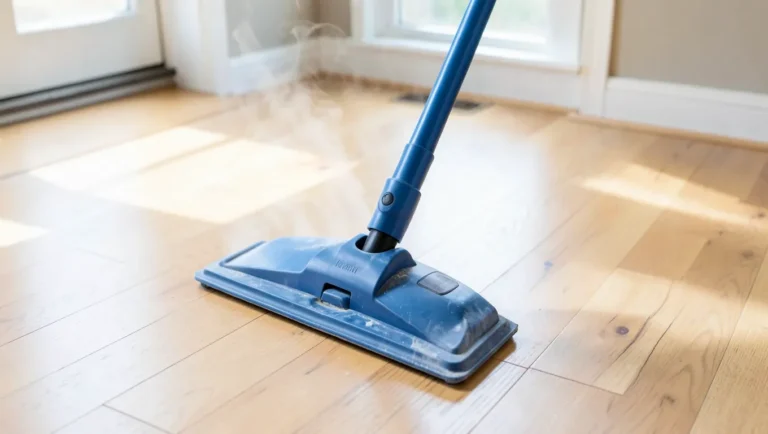
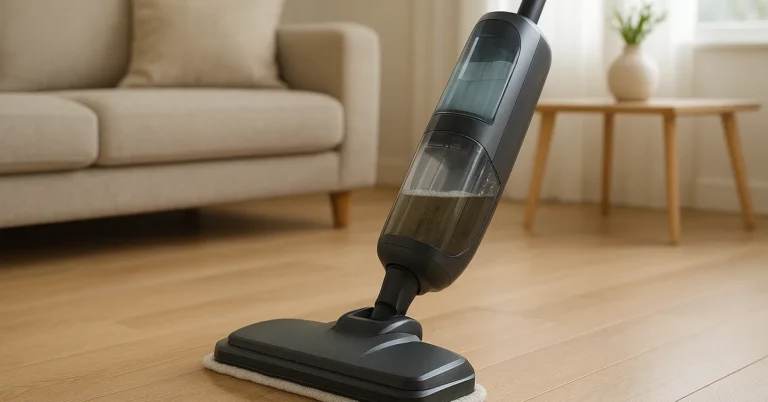
- Damp-mop only, dry promptly, and avoid steam cleaners, which can force moisture into the seams and warp boards.
- Use felt pads under furniture and trim pet nails to prevent new scratches on a floor you just spent effort restoring.
Frequently Asked Questions
How Do I Get Carpet Residue Off Hardwood Floors?
Remove all tack strips and staples first, then scrape adhesive residue gently with a plastic scraper. For stubborn spots, a small amount of mineral spirits on a cloth works on most carpet adhesives – always test a hidden spot first.
Why Does The Floor Look A Different Color Where The Carpet Was?
Wood darkens with UV exposure over time, so areas that were covered by carpet or furniture stay lighter than exposed areas. This is normal differential aging, not damage, and it typically evens out within weeks to months of light exposure, or immediately if you sand and refinish the whole floor.
Do I Have To Refinish Floors After Removing Carpet?
Not always. If the floor has just light wear and the expected color variation, a thorough clean and fresh polish may be enough. Refinishing makes more sense if there’s significant staining, deep scratches, or you don’t want to wait for the color to even out naturally.
What Is The Best Way To Wash Hardwood Floors After Removing Carpet?
Sweep and vacuum thoroughly first to remove the fine debris carpet removal leaves in the board seams, then damp-mop (never soaking wet) with a hardwood-safe cleaner or mild dish soap and water. Dry the floor promptly afterward.
Conclusion
Cleaning hardwood after removing carpet starts with a step most guides skip entirely: pulling every tack strip nail and staple before you do anything else. From there, expect some color variation where the carpet blocked light – that’s normal aging, not damage – clean thoroughly, and decide whether a simple clean-and-polish or a full refinish makes sense for your floor’s condition.
Sponsored / affiliate links. As an Amazon Associate I earn from qualifying purchases. I may earn additional commission from eligible campaigns.