Best Microfiber Dust Mop for Hardwood Floors (300+ GSM Picks)
A microfiber dust mop rated at least 300 GSM traps dust and pet hair that a broom or Swiffer pad just pushes around, because split fibers grip fine particles without scratching hardwood. A steam mop or soaked pad still risks warping the boards, and most pads last only 100 to 300 washes before losing their grip. This guide covers the GSM number to shop for, wet-vs-dry pad differences, and four picks that hold up on hardwood.
What GSM Rating Should You Look For?
Best Microfiber Dust Mop Pick
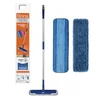
Bona Premium Sweep & Clean Mop
A dual-sided sweep-and-clean system built specifically for hardwood, with pads rated for up to 500 washes.
- Best for: daily dry dusting with a deeper-clean pad built into the same tool
- Why we picked it: highest wash-count rating (500) of any pad in this comparison, and Bona is the brand most flooring manufacturers themselves recommend
- Main drawback: pricier per pad than a basic flat dust mop
Compare more microfiber mop options
 Option 1 O-Cedar EasyWring Microfiber Spin Mop
|
 Option 2 JOYMOOP Wall Mop and Bucket Set
|
 Option 3 Rubbermaid Reveal Spray Mop Kit
|
As an Amazon Associate we earn from qualifying purchases.
GSM (grams per square meter) is a measurement of how densely a mop pad’s fibers are packed, and it is the single spec that predicts how well a pad actually grabs dust rather than just pushing it around. During manufacturing, the fibers are split into microscopic wedge-shaped strands instead of left as a flat weave, and a higher GSM number means more of those strands per square inch of pad.
For hardwood floors, look for 300+ GSM on wet cleaning pads and 200+ GSM on dry dusting pads. Below that range, a pad tends to skate over fine dust and pet hair instead of trapping it, which is exactly the complaint behind most one-star reviews on budget mops.
📊 Split-microfiber pads on name-brand mops are rated for 100 to 500 washes before the fibers lose their grip — Bona’s pads are spec’d for up to 500 washes, Libman’s for up to 100. Source: manufacturer spec sheets.
Best Microfiber Dust Mops for Hardwood Floors
These four options cover the range most hardwood owners actually need: a dedicated dry/wet sweep-and-clean system, a wringing spin mop for deeper weekly cleans, a hands-free flat mop, and a spray-mop kit for quick touch-ups between deep cleans.
How Microfiber Compares to Brooms, Vacuums, and Swiffer Pads
Microfiber isn’t the only dry-cleaning option for hardwood, and it isn’t always the right one for every pass. The table below breaks down how it stacks up against the other tools most people already own, and our full broom comparison goes deeper on bristle material if a broom is what you’re weighing it against.
| Method | Moisture Level | Best For |
|---|---|---|
| Microfiber dust mop | Dry, electrostatic | Daily dust, pet hair, and allergens without scratching |
| Broom | Dry | Larger debris — grit, leaves, litter tracked in from outside |
| Vacuum (hard-floor setting) | Dry, suction | Dust worked into grain texture, edges, and corners a mop skips |
| Swiffer dry cloth | Dry, disposable | A quick single pass — thinner, unsplit fiber grips less than true microfiber and isn’t reusable |
Choosing the Right Mop: Size, Shape, and Wet vs. Dry Pads
Size and Shape
A wider mop head covers more floor per pass, so a 16-18 inch head clears an open living room faster than the 10-12 inch heads made for tight kitchens and bathrooms. A rectangular or trapezoidal head shape reaches into corners and along baseboards that a rounded head misses.
Wet vs. Dry Pads
Dry pads use electrostatic charge to grab and hold dust and pet hair for daily maintenance passes. Wet pads carry a cleaning solution for a deeper weekly clean but should only ever be damp on hardwood — if you can wring water out of the pad by hand, it’s too wet for a sealed wood floor.
Handle Length
A fixed handle around 52 inches suits most adults standing upright; a telescoping handle that adjusts from roughly 31 to 70 inches is worth the extra cost in a household where more than one person does the cleaning.
How Often You Should Dust Mop Hardwood Floors
Run a dry microfiber dust mop daily in a household with pets or kids, and at minimum weekly otherwise — dust and grit left sitting on the floor acts like fine sandpaper under foot traffic. Save a damp mop pass with a pH-neutral hardwood cleaner for once a week at most; more frequent wet mopping raises the risk of moisture working into the seams between boards.
Common Mistakes That Damage Hardwood Floors
- Using a steam mop. Heat and moisture can warp boards and void the floor’s finish warranty — steam has no place on sealed hardwood.
- Cleaning with vinegar. The acid slowly dulls a polyurethane finish, even when diluted.
- Using dish soap. It leaves a sticky film that actually attracts more dust than it removes. Use a pH-neutral hardwood cleaner instead.
- Wet Swiffer refill pads on hardwood. They’re formulated for other floor types and aren’t the hardwood-safe formula a dedicated hardwood cleaner is.
- Soaking the pad. If you can wring water out of it, it’s too wet — damp is the maximum for hardwood.
Caring for and Replacing Your Microfiber Mop
Shake off loose dirt after each use, then wash the pad in warm water with a mild detergent — skip fabric softener and bleach, both of which coat the fibers and reduce their electrostatic grip. Wash pads separately from other laundry so they don’t pick up lint, and hang them to dry instead of using a hot dryer cycle.
Signs It’s Time to Replace the Pad
- The pad still looks dingy immediately after washing
- Fibers are visibly frayed or shedding
- It no longer picks up dust and pet hair the way it did new
Most split-microfiber pads hold up for 100 to 300 washes before the fibers lose their grip, so a new pad is a cheap fix compared to replacing the whole mop.
Frequently Asked Questions
Is a microfiber mop good for hardwood floors?
Yes. Microfiber’s split fibers trap dust and dirt without scratching the surface, and the material is gentle enough for daily use on sealed hardwood as long as it’s kept dry or only lightly damp.
How often should you dust mop hardwood floors?
Daily in a household with pets or kids, weekly at minimum otherwise. Save a damp cleaning pass for once a week at most to keep moisture away from the seams between boards.
Can you use a Swiffer on hardwood floors?
Dry Swiffer cloths are safe for a quick pass, but they use a thinner, unsplit fiber that grips less dust than true microfiber and isn’t reusable. Skip wet Swiffer refill pads on hardwood — they aren’t formulated as a hardwood-safe solution.
How many times can you wash a microfiber mop pad before replacing it?
Most split-microfiber pads are rated for 100 to 300 washes, though some name-brand pads like Bona’s are spec’d for up to 500. Replace the pad once it looks dingy right after washing or the fibers start fraying.
What GSM should a microfiber dust mop pad be?
Look for at least 200 GSM on a dry dusting pad and 300 GSM or higher on a wet cleaning pad. Below that, the pad tends to skate over fine dust instead of trapping it.
Conclusion
A 300+ GSM microfiber dust mop, used dry daily and only lightly damp once a week, is the safest routine for keeping hardwood floors clean without wearing down the finish. Replace the pad every 100 to 300 washes, skip the steam mop and vinegar, and pair it with a real hardwood cleaner for the weekly deeper pass.
Sponsored / affiliate links. As an Amazon Associate I earn from qualifying purchases. I may earn additional commission from eligible campaigns.