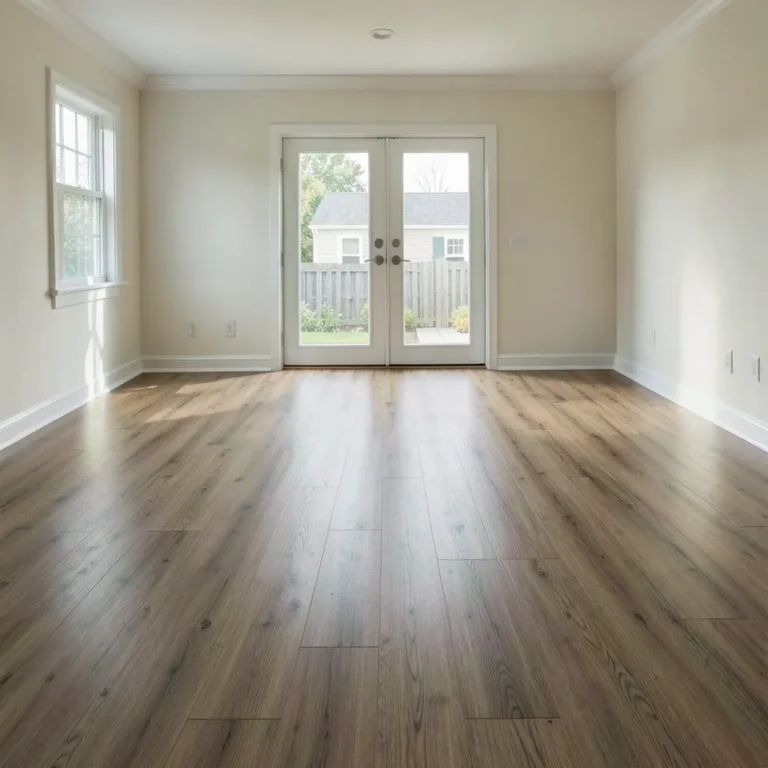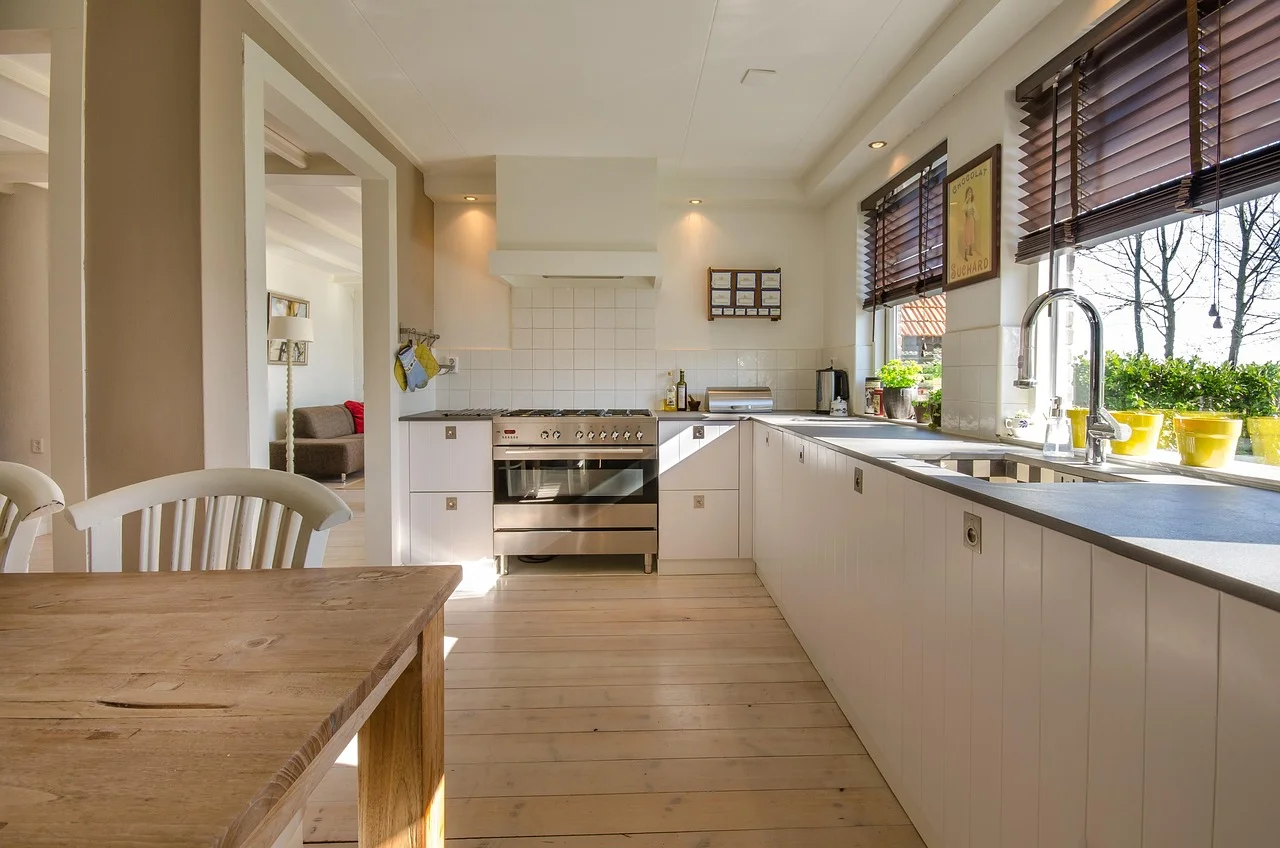
Tile That Looks Like Hardwood Flooring: Cost, Pros & Cons
Wood-look tile is porcelain or ceramic tile printed and textured to mimic hardwood planks – and in rooms where real wood fails (bathrooms, mudrooms, heated floors), it’s the closer-to-hardwood option, not vinyl or laminate. Here’s what it actually costs, where the DIY-friendly reputation breaks down, and the one technical advantage over real wood that most buying guides skip entirely: radiant heat compatibility.
What Wood-Look Tile Actually Is
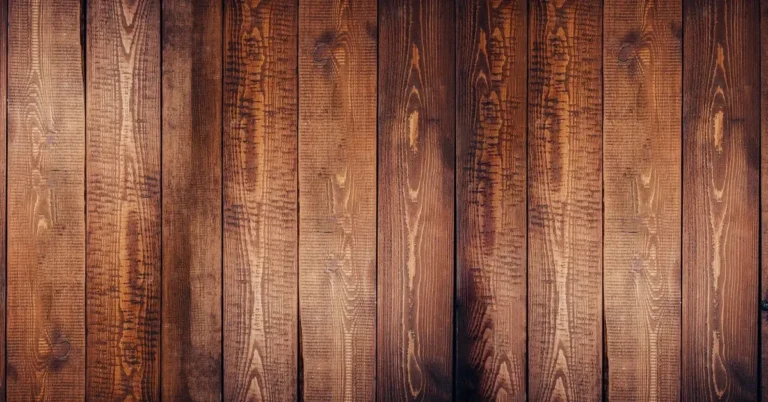
Modern wood-look tile is made with high-resolution inkjet printing fused under a glaze, so the grain, knots, and even the slightly uneven color of real cut lumber show up on a rigid clay body instead of an actual plank. It comes in two base materials, ceramic and porcelain, plus a plastic-based cousin (luxury vinyl plank) that only imitates the “tile” look rather than being tile at all.
Best Tile Leveling Kit For A DIY Install
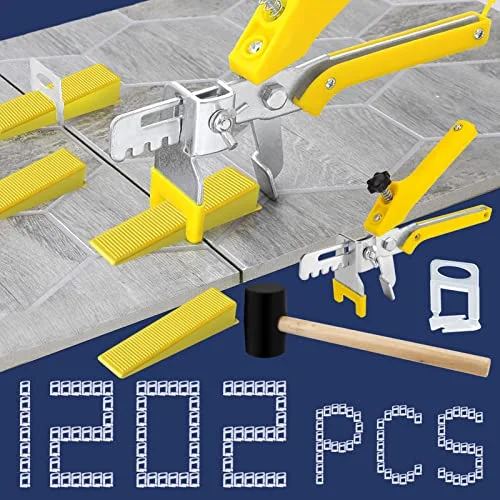 |
BAUMFEUER Tile Leveling System Kit – $35.99 Large-format wood-look plank tile only looks like flush hardwood if every plank sits dead level with its neighbor – this kit is what keeps lippage from telegraphing through the grout lines.
|
Porcelain vs. Ceramic Wood-Look Tile
Both are fired clay, but the firing process changes how they perform underfoot.
Ceramic wood-look tile is fired at a lower temperature from red or white clay. It’s more porous (typically over 3% water absorption), which means it needs a rated glaze to resist staining, and it’s rated for indoor use only in most cases. It’s usually the cheaper of the two and is plenty durable for low-to-moderate traffic rooms.
Porcelain wood-look tile is fired hotter from a denser, more refined clay body, which pushes water absorption below 0.5% (the ANSI threshold for a tile to be classified porcelain). That density is what makes porcelain the standard recommendation for bathrooms, entries, and anywhere it might see standing water or freeze-thaw exposure outdoors. It costs more, but for a floor that has to compete with hardwood on looks and outperform it on moisture resistance, porcelain is usually worth the premium.
Where Tile Actually Beats Hardwood (Not Just Copies It)
Most comparisons stop at “tile is more durable and easier to clean.” That’s true, but it undersells the one advantage that actually matters for a specific renovation decision: radiant floor heat. Solid hardwood expands and contracts enough with heat that most manufacturers won’t warranty it over a radiant system, and even engineered hardwood is capped at a low surface temperature to avoid delamination. Porcelain and ceramic have no such ceiling – they conduct heat evenly and won’t cup, gap, or warp, which is why nearly every heated bathroom or kitchen floor you’ve stood on barefoot in winter was tile, not wood.
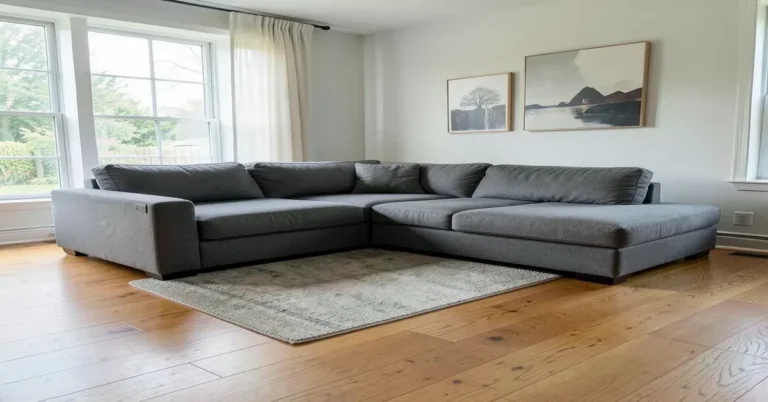
The honest trade-off in the other direction is comfort: tile is hard and cold underfoot in a way engineered wood and vinyl plank aren’t. If you’re set on tile in a bedroom or living room, pairing it with a radiant heat mat under the thinset solves the cold-floor complaint directly, and a few strategically placed area rugs handle the rest. If you’re still deciding between hardwood, laminate, and vinyl for a room where moisture isn’t the deciding factor, our full hardwood vs. laminate vs. vinyl comparison breaks down cost and durability for those three side by side.
Real Cost Per Square Foot
Material and installation are separate line items, and tile’s installation cost is where budgets usually get surprised:
| Flooring | Material (per sq ft) | Typical Install Labor (per sq ft) |
|---|---|---|
| Ceramic wood-look tile | $2 – $5 | $5 – $8 |
| Porcelain wood-look tile | $3 – $12 | $6 – $10 |
| Solid hardwood | $6 – $12 | $3 – $8 |
| Engineered hardwood | $4 – $9 | $3 – $6 |
Tile’s labor cost runs higher than hardwood’s per square foot because a professional has to cut around every wall, vent, and doorway with a wet saw, spread thinset in small sections, and set spacers or a leveling system on every single piece. On a straightforward 200-square-foot room, that difference alone can add several hundred dollars over what the same room would cost to install in click-lock engineered hardwood.
Installation: What It Actually Takes
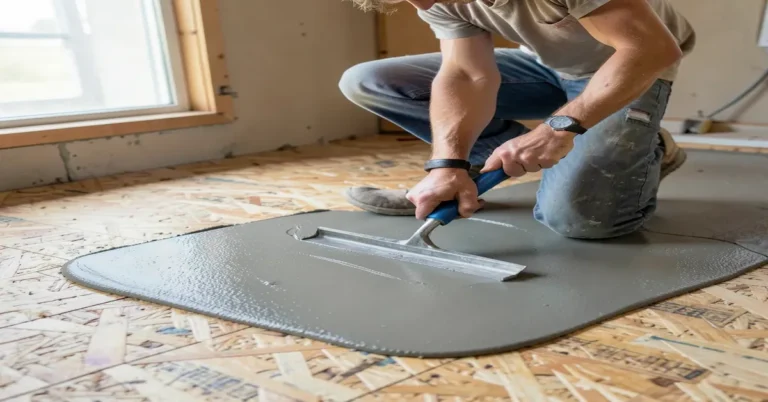
Wood-look tile gets marketed alongside laminate and vinyl as if it shares their easy DIY reputation. It doesn’t. Tile is unforgiving of subfloor irregularities in a way floating floors aren’t – industry installation standards (ANSI A108 / TCNA) call for the subfloor to be flat within 1/8 inch over any 10-foot span before you even start. Skip that step and you’ll get lippage (uneven tile edges) or cracked grout lines within a year, especially with the long, narrow plank shapes used to mimic hardwood, which are more prone to lippage than square tiles.
If you’re doing it yourself, budget time for self-leveling compound on an uneven subfloor, a wet tile saw (not just a snap cutter) for clean plank cuts, and a leveling clip system to keep every board flush with its neighbor as the thinset cures. None of that is beyond a patient DIYer, but it’s a different skill set and time commitment than clicking laminate planks together over an afternoon.
Durability and Maintenance
Once it’s installed correctly, wood-look tile is genuinely low-maintenance: sweep or vacuum regularly, damp-mop with a pH-neutral cleaner, and reseal the grout lines every one to two years (grout, not the tile itself, is the part that stains and needs upkeep). Porcelain in particular will outlast most other flooring types in a busy household – it won’t scratch from dog nails, dent from dropped cookware, or need refinishing the way hardwood does every 7 to 10 years.
Best Wood-Look Tile Patterns and Sizes
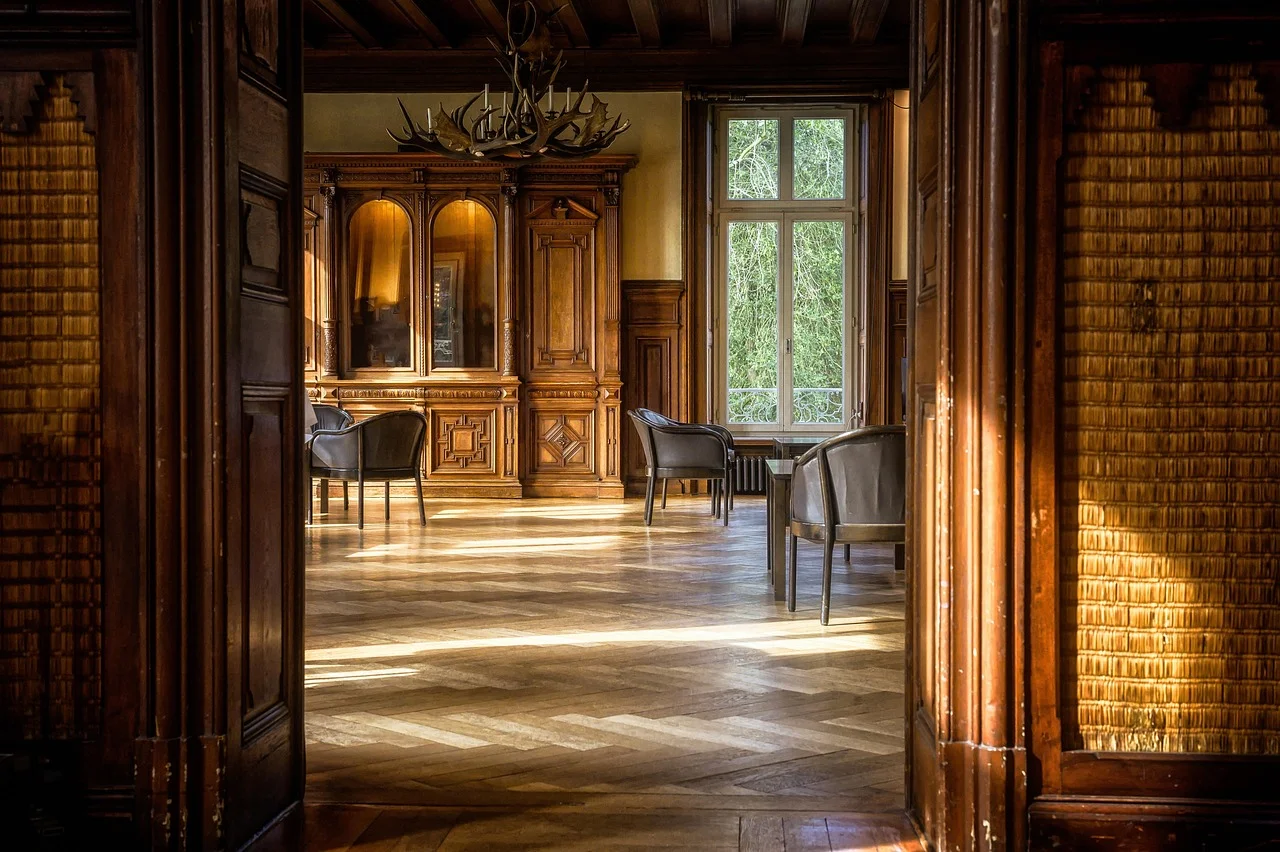
Plank-format wood-look tile typically runs 6×24 or 8×48 inches, sized to echo real hardwood strip flooring rather than square ceramic tile. Laying it in a running-bond (brick) pattern with staggered joints is what sells the illusion of individual wood boards; laying the same tile in a grid pattern makes it read as tile immediately, no matter how realistic the printed grain is. Herringbone and chevron layouts push the effect further and are trending in entryways and kitchens, though both waste more material in cuts and cost more in labor since every piece is cut at an angle.
Where It Works Best (and Where It Doesn’t)
Best fit: bathrooms, kitchens, mudrooms, laundry rooms, sunrooms, and any floor with radiant heat – anywhere real hardwood or even engineered wood would be a risk. Skip it for: bedrooms or living rooms where you want a warm, resilient feel underfoot and moisture was never actually a concern in the first place – in those rooms, engineered hardwood gets you closer to the real material without tile’s hardness and installation cost.
Frequently Asked Questions
Is wood-look tile a good idea?
For kitchens, bathrooms, mudrooms, and other rooms where real hardwood struggles with moisture, yes. Porcelain wood-look tile gives you the plank look with none of hardwood’s water sensitivity, and it works over radiant floor heat, which solid hardwood generally can’t tolerate. The trade-offs are a harder, colder feel underfoot and a less forgiving DIY install than click-lock flooring.
What is the best flooring that looks like hardwood?
There’s no single best option — it depends on the room. Porcelain wood-look tile is the top pick for bathrooms, entryways, and radiant-heated floors because it’s fully waterproof and heat-conductive. Luxury vinyl plank is the easier DIY choice for basements and rec rooms. Engineered hardwood is the closest to the real thing for living rooms and bedrooms where moisture isn’t a concern.
What are wood tiles called?
Porcelain or ceramic tile printed and textured to mimic wood grain is usually called wood-look tile or wood-plank tile. You’ll also see it marketed as wood-look porcelain plank or timber-look tile, but it’s still tile — clay-based and installed with thinset and grout, not wood.
What is cheaper, hardwood or ceramic tile?
Ceramic wood-look tile material typically runs $2 to $8 per square foot versus $6 to $12 per square foot for solid hardwood, but installation narrows the gap: tile setting labor ($5 to $10 per square foot) often costs more per hour than hardwood installation because of cutting, leveling, and grout work. Get quotes for both before assuming tile is the cheaper project overall.
Can wood-look tile go over radiant floor heating?
Yes — this is one of tile’s biggest advantages over real hardwood. Porcelain and ceramic conduct heat evenly and won’t warp, cup, or gap the way solid hardwood can over a heated subfloor. Engineered hardwood can sometimes handle radiant heat within a manufacturer’s temperature limit, but tile has no such ceiling, which is why it’s the standard choice for heated bathroom and kitchen floors.
Bottom Line
Wood-look tile isn’t a budget knockoff of hardwood – it’s the better material choice for any room where water, heat, or heavy wear would actually damage real wood. Porcelain is worth the extra cost for wet areas and heated floors; ceramic is fine for drier, lower-traffic rooms. Just go in knowing the install is closer to a professional tile job than a weekend DIY project, and budget the labor line item accordingly.
Sponsored / affiliate links. As an Amazon Associate I earn from qualifying purchases. I may earn additional commission from eligible campaigns.