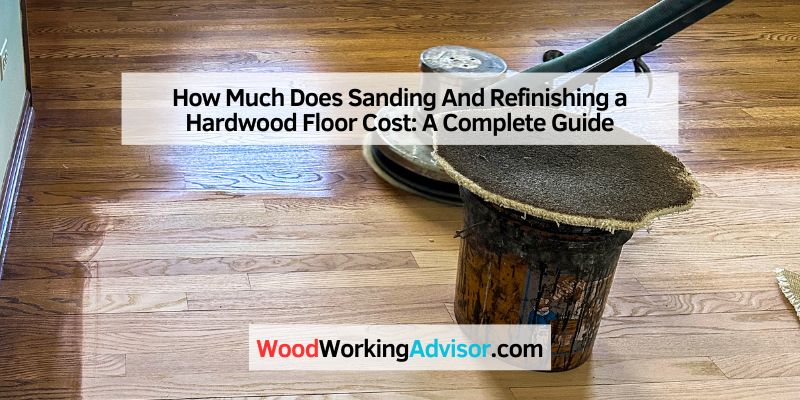
How Much Does Sanding And Refinishing a Hardwood Floor Cost: A Complete Guide
Are you staring at your hardwood floors, wishing they could look as stunning as they once did? You’re not alone.
Many homeowners find themselves pondering the cost of sanding and refinishing their hardwood floors. After all, these floors are not just a part of your home; they’re a reflection of your style and personality. But before you dive into this project, understanding the costs involved is crucial.
Imagine the satisfaction of walking into a room where your floors shine with renewed beauty. Envision entertaining guests who admire your taste and the pristine condition of your home. You might worry about the price tag attached to this transformation, but what if knowing the exact cost could ease your mind and help you plan effectively? You’ll uncover the details that can guide your decision, from the factors affecting the cost to tips on managing your budget. Prepare to discover how you can enhance your home’s appeal and value without breaking the bank. Let’s demystify the process and costs involved in sanding and refinishing your hardwood floors, so you can make informed choices and enjoy a home that truly reflects your essence.
Factors Affecting Cost
Different hardwoods affect cost. Oak is common and affordable. Cherry or mahogany costs more. Exotic woods like bamboo are expensive. Each type needs different care. This affects the price.
Old floors may need more work. Deep scratches or stains increase cost. Uneven floors need extra sanding. Damaged boards might need replacing. Well-kept floors are cheaper to refinish.
Bigger rooms cost more to refinish. More area means more materials. Small rooms are cheaper. Labor costs rise with room size. Room shape also matters. Complex shapes need more work.

Credit: www.fixr.com
Cost Breakdown
Buying sandpaper and stain is necessary. Sandpaper costs about $30. Stain costs $50 per gallon. You might need more than one gallon. Polyurethane is a must for finishing. It costs $40 per gallon. Brushes and rollers are needed too. They cost around $20. Safety gear is important. Masks and gloves will cost $15. These materials make up the basic needs.
Hiring a professional can be costly. They charge by the square foot. Costs range from $3 to $5 per square foot. Big rooms cost more. Small rooms cost less. Hourly rates may apply too. Expect around $25 per hour. Travel fees might be extra. This affects the final price.
Furniture moving costs extra. Moving services charge $100. You may need extra cleaning. Cleaning costs $50. Repairing damages might be needed. Repairs can add $200. Disposal of old materials costs money. Disposal fees are $30. These extra costs add up quickly.
DIY Vs Professional Services
DIY sanding can save money. Buying or renting tools is cheaper. Yet, mistakes can be costly. Floors may end up uneven. Time and effort are needed for this task. Some enjoy the work. Others find it frustrating. Dust and noise are part of the process. Safety gear is important. Remember to protect your eyes and ears. DIY is not for everyone. Consider your skills first.
Professionals have experience. They know how to do it right. No need to worry about mistakes. They have all the necessary tools. The job is done faster. Floors look great with their help. Less dust and noise for you. Professionals handle it all. This means less stress for you. Hiring them can be worth the cost. Good choice for busy people.
Regional Price Variations
Urban areasoften have higher costs. More people live there. Workers charge more for their skills. Busy cities mean more demand. Rural areastend to be cheaper. Fewer people live there. Less demand for workers. Costs go down. Big difference between city and country costs.
Some places cost more than others. Coastal regionsmight be pricier. More people want floors there. Midwest areasmight be cheaper. Fewer people want floors there. Prices change by location. Always check local prices first.
Cost-saving Tips
Sanding and refinishing hardwood floors typically cost between $3 and $8 per square foot. Save money by doing prep work yourself. Choose water-based finishes for faster drying and reduced labor costs.
Choosing Affordable Materials
Select budget-friendly materials for sanding and refinishing. Consider engineered wood instead of solid hardwood. This choice can save money without losing quality. Look for discounted or bulk purchase options. Compare prices at local stores and online. Sometimes, reclaimed wood can be a cheaper alternative. These choices help reduce costs without compromising the look.
Timing The Project
Plan your project during off-peak seasons. Contractors often charge less during slow periods. Avoid holidays and busy times. Prices can be higher then. Schedule work during weekdays rather than weekends. This can lead to lower labor costs. By choosing the right time, you save money on your flooring project.
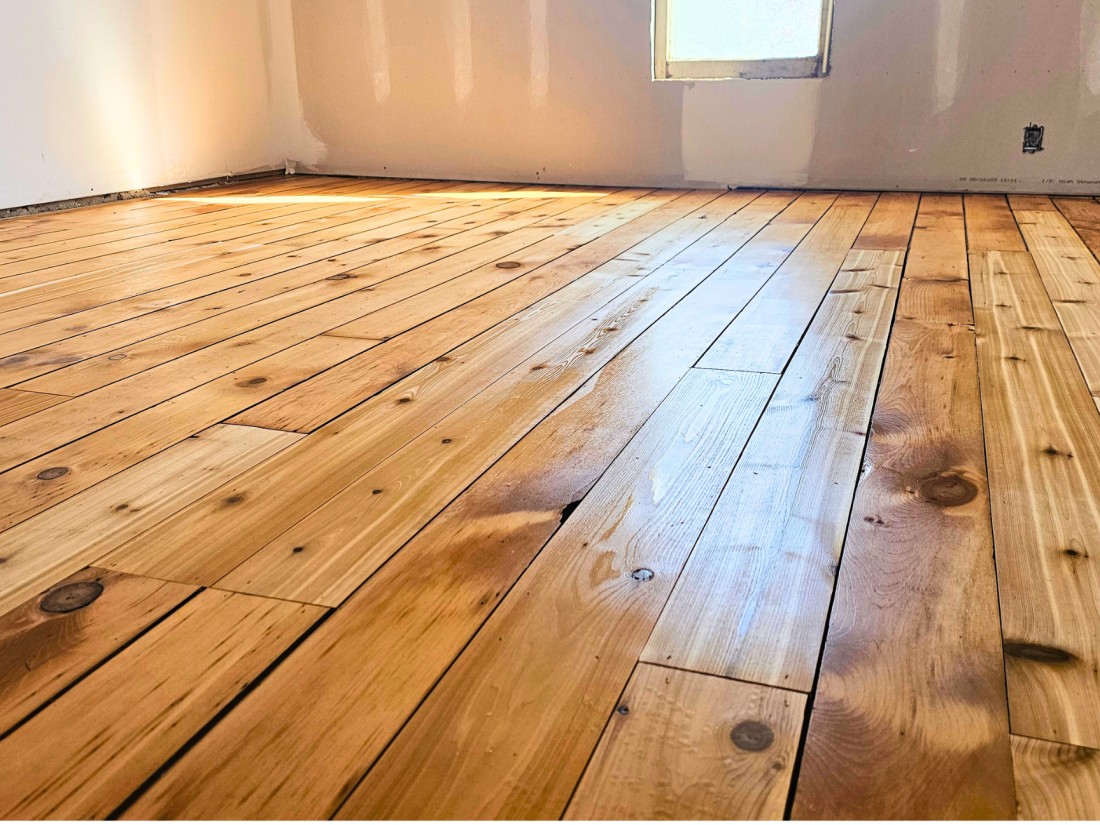
Credit: www.lumberjackflooring.company
Long-term Value
Sanding and refinishing hardwood floorscan boost your home’s value. Buyers love shiny, smooth floors. They make the home look new and clean. A good floor can make a big difference in price. Homes with polished floors often sell faster. They can also sell for more money. So, it’s a smart choice for homeowners. A new floor finish is like a fresh start for your home.
Impact On Home Value
Well-maintained floors are attractive to buyers. They show that the home is cared for. Shiny floors can make rooms look bigger. They add warmth and charm to any room. Families find them cozy and welcoming. So, investing in your floors is wise. It can pay off later.
Maintenance Considerations
Regular care keeps floors looking great. Dust and mop often to prevent scratches. Use rugs in high-traffic areas. This helps protect the wood. Avoid dragging heavy items on the floor. It can cause damage. A little care goes a long way. Your floors will last longer and stay beautiful.

Credit: sanding-wood-floors.co.uk
Frequently Asked Questions
How Much Does Sanding Cost Per Square Foot?
The cost of sanding per square foot typically ranges from $1. 50 to $4. 00. This price can vary depending on the region and the floor condition. High-demand areas or damaged floors may incur higher costs. Always obtain multiple quotes from professionals to ensure competitive pricing.
What Factors Affect Hardwood Refinishing Costs?
Several factors can impact the cost of hardwood refinishing. These include the floor’s size, condition, and type. Additionally, the type of finish and location can influence pricing. Labor costs and any necessary repairs will also affect the total expense. Always consult with a professional for an accurate estimate.
Is Diy Sanding Cheaper Than Hiring A Professional?
DIY sanding can be cheaper but comes with potential risks. Equipment rental and material costs are lower, but mistakes can be costly. Professionals ensure a smooth finish and longevity. If you’re inexperienced, hiring a professional is advisable to avoid damage and ensure quality results.
How Long Does Hardwood Refinishing Take?
Hardwood refinishing typically takes three to five days. This timeline depends on the floor’s size and condition. Drying time for finishes also affects duration. Some projects might take longer due to necessary repairs. Always plan for potential delays and consult your contractor for a precise timeline.
Conclusion
Understanding the cost of sanding and refinishing hardwood floors is crucial. Budgeting helps avoid surprises. Many factors impact the price. Size, condition, and location matter. Professionals offer peace of mind and quality results. DIY can save money, but risks exist.
Consider your skills carefully. A well-maintained floor adds beauty to any home. It also boosts property value. Plan ahead and choose wisely. Compare quotes from different contractors. Ensuring a smooth process is key. Your floors deserve proper care and attention.
With the right approach, they can last for years. Enjoy the fresh look and renewed charm.