No-Sand Wood Floor Refinishing: Does It Actually Work?
No-sand wood floor refinishing — usually a screen-and-recoat — restores shine on lightly worn floors without cutting into the wood, but it can’t fix deep scratches, gray water stains, or spots worn through to bare wood. Recoating over damage like that just traps the problem under a new topcoat and wastes the $1.50-$4 per square foot you spent. This guide covers when screen-and-recoat genuinely works, its real cost and durability against full sanding, and when you need the complete process instead.
When No-Sand Refinishing Actually Works (and When It Doesn’t)
Best No-Sand Floor Restorer Pick
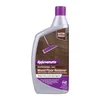
Rejuvenate Professional Wood Floor Restorer 32 Oz, Satin – $16.61
A mop-on, no-buffer-needed restorer built for exactly the “light wear, dullness, no deep damage” scenario this guide describes — fills fine scratches and refreshes shine in one coat.
- Best for: Dull, lightly scuffed floors that just need a shine refresh
- Why we picked it: No buffer or sander required, dries in about an hour
- Main drawback: Won’t hide deep scratches or gray water stains — those need full sanding
Compare more no-sand floor restorer options
 Option 1 Rejuvenate All Floors Restorer + Mop Kit – $28.27
|
 Option 2 Rejuvenate Restorer 1 Gallon, Satin – $67.29
|
 Option 3 Bona Hardwood Floor Polish, Low Gloss – $20.98
|
As an Amazon Associate we earn from qualifying purchases.
Screen-and-recoat only reaches the finish layer — it lightly abrades the top coat so a new one can bond, without cutting into the wood underneath. That makes it a good fit for some floors and useless on others.
It works well when your floor has:
- Surface-level dullness or a worn-off wax/polish layer
- Light scuffs, foot-traffic wear, or minor paint splatter
- An existing finish that’s still fully bonded to the wood, with no peeling or flaking
You need full sanding instead when you see:
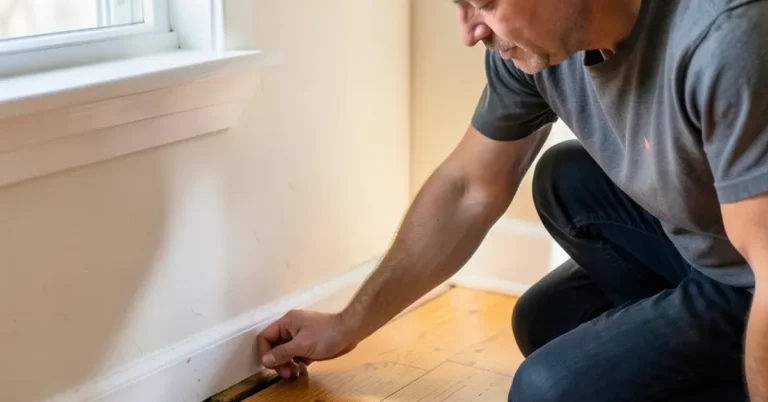
- Deep scratches or gouges that catch a fingernail
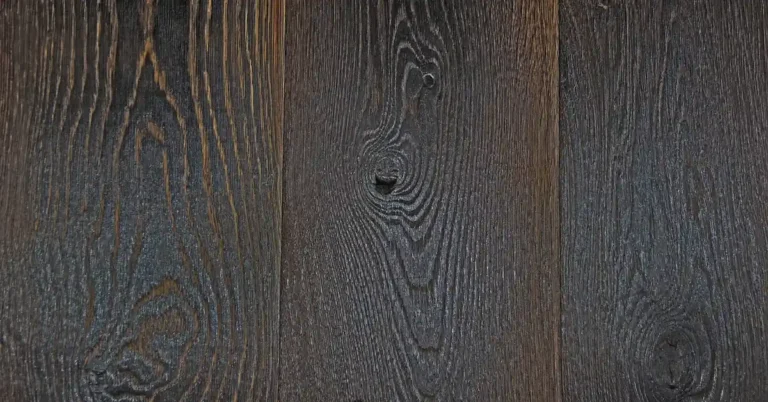
- Gray or black discoloration — a sign of water damage that’s soaked into the wood, not just the finish
- Bare wood showing through in high-traffic areas
- Cupped, warped, or unevenly worn boards
If your floor falls into that second list, screen-and-recoat won’t fix it — you’ll need a full restoration that starts with sanding down to bare wood.
The No-Sand Process, Briefly
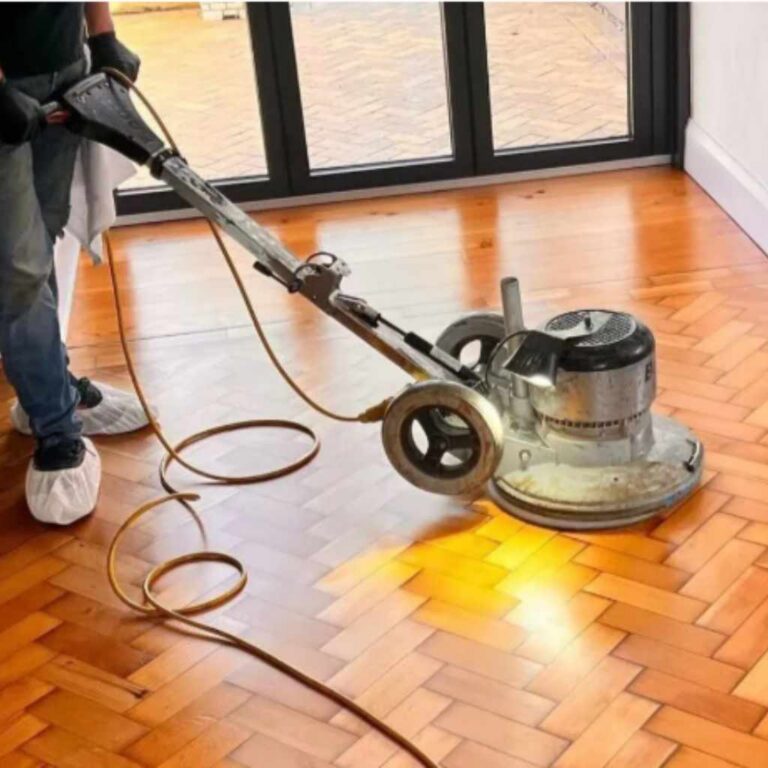
At a high level, screen-and-recoat follows four steps: clean the floor thoroughly, lightly abrade (“screen”) the existing finish with a floor buffer and an abrasive pad or 120-150 grit screen, wipe away the resulting dust with a tack cloth, then roll on one to two thin coats of compatible finish. For the full walkthrough — tool list, drying times between coats, and how to avoid lap marks — see our complete screen-and-recoat guide.
📊 Most screen-and-recoat jobs take 6-8 hours and let you walk on the floor again within 48-72 hours — roughly a third of the multi-day timeline a full sand-and-finish requires. Source: Today’s Homeowner, 2026
No-Sand vs. Traditional Sanding: Cost, Time, and Durability
The two methods aren’t interchangeable — one refreshes a finish, the other rebuilds it from bare wood. Here’s how they actually compare:
| Factor | No-Sand (Screen-and-Recoat) | Traditional Sanding |
|---|---|---|
| Cost per sq ft | $1.50 – $4 | $3 – $8 |
| Time to complete | 6-8 hours, 1 day | 2-4 days |
| Dust and mess | Minimal — no drum sander | Heavy, even with dustless systems |
| Fixes deep scratches/stains | No | Yes |
| How often needed | Every 3-5 years | Every 7-10+ years |
Full sanding costs more up front but lasts longer between jobs because it removes the worn surface entirely instead of coating over it. If your floor only needs a refresh, screen-and-recoat is the cheaper, faster choice — see our full sanding cost breakdown if you’re weighing both.
Types of Finishes for No-Sand Refinishing
Oil-based polyurethane gives a warm, amber-toned durable finish, but it takes 8-24 hours to dry between coats and has a strong odor during application. Water-based polyurethane dries in 2-4 hours, stays clear instead of yellowing, and has far less smell — the better choice for occupied homes. Whichever you choose, it must be compatible with the floor’s existing finish (oil-based recoats over oil-based, water-based over water-based, or a bonding primer between the two) or the new coat can peel.
Maintenance Tips for No-Sand Refinished Floors
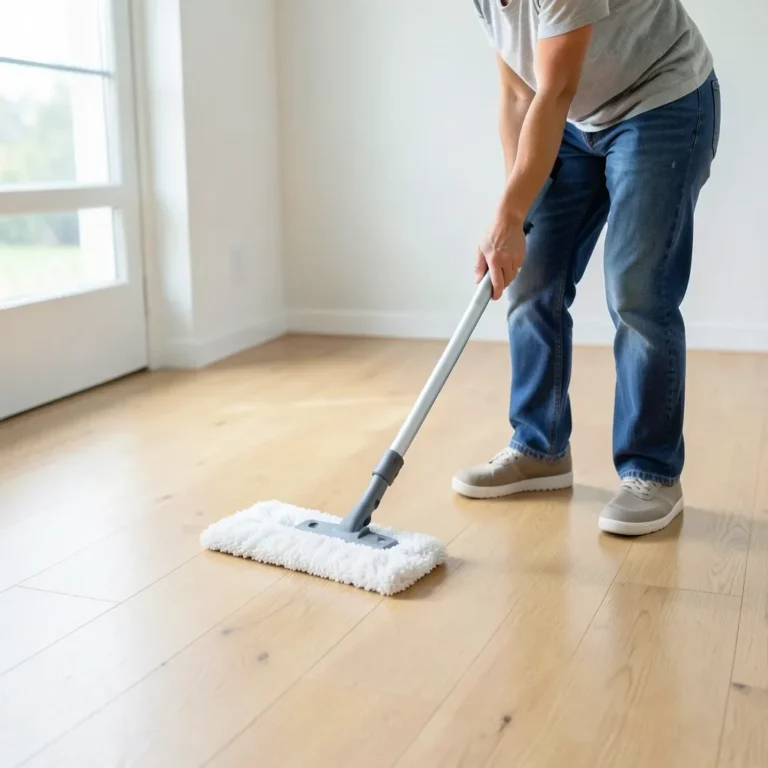
Sweep or vacuum with a hard-floor setting (no beater bar) to avoid grinding grit into the new finish. Damp-mop with a cleaner made for your finish type — ammonia-based or wax-based cleaners can haze polyurethane. Put felt pads under furniture legs and set up a walk-off mat at exterior doors; grit tracked in from outside is the single biggest cause of premature wear on a fresh recoat.
DIY vs. Professional: Which Makes Sense?
Screen-and-recoat is one of the more DIY-friendly floor projects because you’re not removing material — a mistake in the screening pass is much easier to correct than a sanding gouge. A rented floor buffer runs $40-$75/day, well below what most pros charge just for labor. Hire a professional if you have more than a couple of rooms to do, an intricate parquet or inlay pattern, or you’re not confident matching the existing finish type.

“The screen-and-recoat jobs that go bad almost always started with a floor that wasn’t actually a good candidate — someone saw a dull, worn finish and assumed a quick recoat would fix it, without checking whether the wood underneath was already damaged. If you can see white haze or flaking in spots, that section needs to be sanded, not coated over.”
Environmental Impact of No-Sand Refinishing
Skipping the sanding step means no airborne wood dust and less material sent to the landfill, since you’re not removing and discarding a layer of the floor itself. Choosing a low-VOC, water-based finish cuts down on the volatile organic compounds released during application and curing, which matters most in occupied homes with limited ventilation.
Frequently Asked Questions
What Is No-Sand Wood Floor Refinishing?
No-sand wood floor refinishing, usually called screen-and-recoat, restores shine to a worn finish without sanding down to bare wood. A floor buffer lightly abrades the existing topcoat so a fresh coat of finish can bond to it, which is faster and far less messy than a full sand-and-refinish.
How Long Does No-Sand Refinishing Take?
Most screen-and-recoat jobs take 6-8 hours from cleaning to the final coat, and the floor is ready for normal foot traffic within 48-72 hours once the finish fully cures. That’s roughly a third of the time a full sanding job takes.
How Long Does a Screen-and-Recoat Finish Last?
A screen-and-recoat typically needs to be repeated every 3-5 years, compared to 7-10+ years between full sanding jobs. It’s a maintenance step, not a permanent fix — eventually the finish builds up enough coats, or wears through enough, that a full sand becomes necessary again.
Can I Do No-Sand Refinishing Myself?
Yes — screen-and-recoat is one of the more beginner-friendly hardwood floor projects since you’re not removing wood, so mistakes are easier to fix than a sanding error. A rented floor buffer and the right applicator are the main equipment you’ll need; see our full guide for the complete tool list and steps.
Can You Screen and Recoat Engineered Hardwood Floors?
Yes. Engineered floors have a thin wood veneer, often 2-6mm, over a plywood core, but screening only abrades the finish — it never touches the wood itself. The one requirement is that the veneer isn’t already worn through or gouged; if it is, screening won’t fix that and a professional refinish or replacement is the only option.
Is No-Sand Refinishing Cheaper Than Full Sanding?
Yes, usually $1.50-$4 per square foot versus $3-$8 for a full sand-and-refinish. But that’s only a real savings if your floor actually qualifies — paying for a recoat on a floor that needs sanding just delays the bigger job and adds cost on top of it.
Conclusion
No-sand refinishing earns its popularity honestly: it’s fast, cheap, and dust-free for floors that only need a shine refresh. Just be realistic about which category your floor is in before you buy a restorer product — deep scratches, water stains, and worn-through spots need a full restoration, not a recoat.
For a broader look at floor care, browse our full wood flooring guide hub, including our full wood floor refinishing guide and our notes on how many times a floor can be refinished before it runs out of wood to sand.
Sponsored / affiliate links. As an Amazon Associate I earn from qualifying purchases. I may earn additional commission from eligible campaigns.