How Much MDF Primer: Expert Tips and Guide
Have you ever found yourself standing in the hardware store, staring at the endless rows of MDF primer cans, wondering how much you really need for your project? You’re not alone.
Determining the right amount of primer can feel overwhelming, especially when you’re eager to get started on your DIY masterpiece. But what if I told you that understanding the precise quantity could save you time, money, and a lot of frustration?
Imagine the satisfaction of knowing that you’ve chosen just the right amount, avoiding waste and ensuring a flawless finish. You’ll discover simple tips and tricks that will empower you to make the perfect choice for your MDF project, leaving you confident and prepared. Let’s dive into the details so you can get started with ease.

Credit: www.youtube.com
Understanding MDF
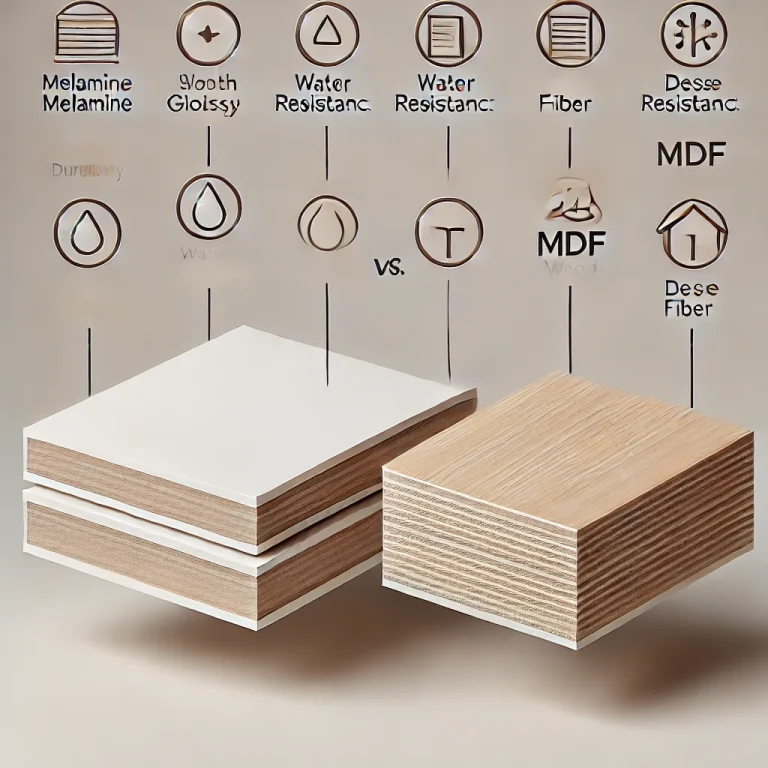
MDF stands for Medium Density Fiberboard. It’s made from wood fibers. These fibers are mixed with wax and resin. Then, they are pressed into flat panels. MDF is very smooth. It has no grain. This makes it easy to cut and shape. It is denser than plywood. This makes it strong. But it can be heavy.
MDF is cheaper than real wood. It doesn’t warp easily. But it can absorb water. So, it’s best for indoor use. MDF is also easy to paint. For painting, a primer is needed. The primer helps the paint stick better.
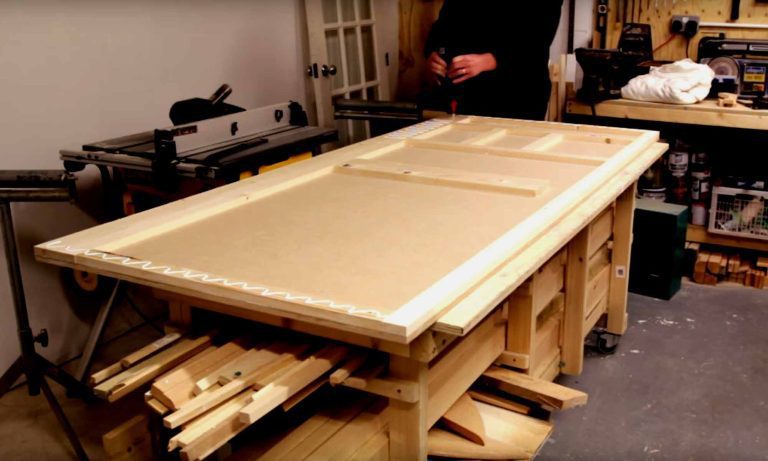
People use MDF for furniture. Tables, shelves, and cabinets are common. It is also used for making doors. MDF is great for moldings and trim. Many people use it for kitchen and bathroom cabinets. The smooth surface is easy to paint. You can create any color you want.

Credit: www.youtube.com
Importance Of Priming MDF
MDF is a strong material. It needs priming before painting. Priming MDF creates a smooth surface. This helps paint stick better. It also stops paint from soaking in. This saves paint. Priming makes the paint look brighter. It lasts longer too. Priming protects MDF from moisture. It keeps the board strong. The MDF will not swell. This keeps your furniture looking great.
Unprimed MDF absorbs paint. Paint can look dull. It can peel off easily. The surface may become rough. Moisture can damage unprimed MDF. It swells and breaks. Furniture loses its shape. It looks old faster. Unprimed MDF is not strong. It wears out quickly. Priming stops these problems.
Types Of MDF Primers
Oil-based primers are known for their strong adhesion and durability. They can block stains and odors effectively. These primers are ideal for high-moisture areas. They provide a smooth surface for painting. Cleaning up requires solvents like mineral spirits. They take longer to dry but offer excellent protection.
Water-based primers are easy to apply and clean. They dry quickly and have less odor. These primers are eco-friendly and safe for indoor use. They work well for light stains. Ideal for smooth and even finishes. Not suitable for heavy stains or moisture areas.
Shellac-based primers are perfect for blocking tough stains. They dry fast and provide excellent adhesion. These primers can seal odors effectively. They are ideal for fire-damaged surfaces. Cleanup requires denatured alcohol. They provide a hard protective layer. Suitable for wood and metal surfaces.
Choosing The Right Primer
Primer compatibility with paint is very important. Some primers work best with certain paints. Always check labels for guidance. Water-based primers usually suit water-based paints. Oil-based primers often match oil-based paints. Using the wrong primer can ruin the finish. It can cause peeling or bubbling. This is not good for your project. Always test a small area first. This helps avoid problems later. Proper primer choice ensures a smooth finish. It also helps the paint last longer. Happy painting!
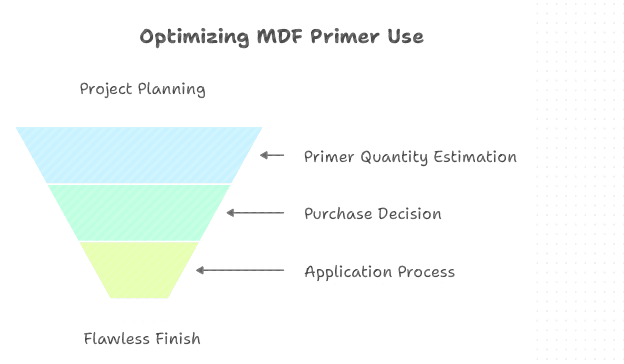
Calculating Primer Quantity
First, measure the length and width of the MDF. Multiply them. This gives the surface area. Measure in feet for easy calculation. If the piece has different sections, measure each part. Add all parts together. This helps to know the total area. Write down your numbers. Keep them safe.
Primers have coverage rates listed on the can. This tells how much area it covers. Check the label for details. Most primers cover 200 to 400 square feet per gallon. Compare this with your surface area. Divide your total area by the coverage rate. This tells how many gallons you need. Always round up to get enough primer. It’s better to have extra than too little.

Credit: www.amazon.com
Application Techniques
Good tools make work easy. Use a high-quality brush or a roller. A brush works well for small areas. A roller covers big areas fast. Choose a roller with a smooth finish. This helps spread the primer evenly. Some prefer a spray gun. It is fast but needs skill. Don’t forget the sandpaper. It helps smoothen the surface before starting.
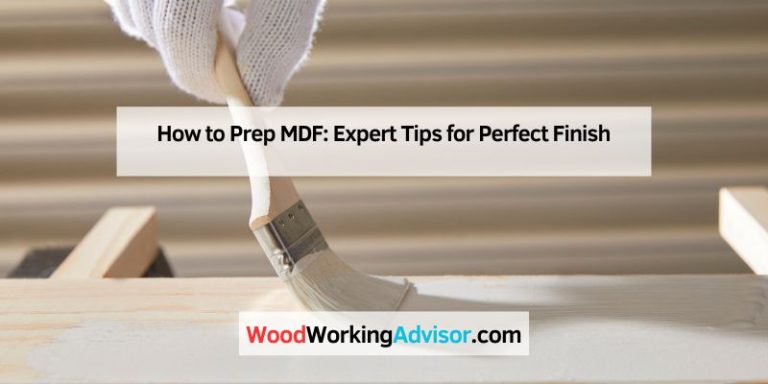
Start by cleaning the surface. Dust and dirt can ruin the finish. Sand the MDF with fine sandpaper. Apply a thin coat of primer using a brush or roller. Let it dry fully. Check for any missed spots. Apply a second coat for best results. Allow it to dry again. Now, the MDF is ready for paint.
Troubleshooting Common Issues
Estimating MDF primer needs can be tricky. Consider the surface area and primer type. Apply evenly for best results.
Uneven Coverage
Applying MDF primer can sometimes be tricky. Uneven coverage is a common problem. This happens when the primer is not spread evenly. Always use a good quality brush or roller. Apply thin coats for best results. Thick coats may cause uneven areas. Patience is key. Let each coat dry before adding another.
Surface Imperfections
Surface imperfections are another issue with MDF primer. Dents or bumps may appear on the surface. Sanding the surface helps to smooth it out. Use fine sandpaper for this task. Clean the dust after sanding. A clean surface holds the primer better. Fill any gaps with wood filler. Let it dry before priming again.
Expert Tips For Best Results
Applying MDF primer can be tricky. Too much primer causes uneven surfaces. Too little leaves areas unprotected. Spread primer evenly for best results. Use a quality brush to avoid streaks. Sand between coats for a smooth finish. Avoid using primer in humid conditions. Humidity affects drying time. Ventilate the area well. This helps with drying.
MDF needs strong primer for lasting results. Choose primer that seals well. This stops moisture damage. Moisture weakens MDF over time. Multiple coats improve durability. Each coat should be thin and even. Dry completely before adding more. Patience is key. A rushed job leads to problems. Proper care extends MDF life.
Frequently Asked Questions
How Much MDF Primer Do I Need?
Calculate MDF primer by measuring surface area. Typically, one gallon covers 250-400 square feet. Check manufacturer’s guidelines for specifics.
Do You Need To Prime MDF Twice?
You should prime MDF twice for better paint adhesion and a smooth finish. Use a high-quality primer designed for MDF. Allow the first coat to dry completely before applying the second. This ensures the surface is well-sealed and ready for painting.
How Many Coats Of Zinsser 123 Primer On MDF?
Apply one to two coats of Zinsser 123 primer on MDF for optimal coverage. Ensure each coat dries completely before applying the next. This primer provides excellent adhesion and seals the surface effectively. Always follow the manufacturer’s instructions for the best results.
Is MDF Primer Worth It?
MDF primer is worth it for sealing surfaces, preventing moisture absorption, and ensuring smooth paint application. It enhances durability and finish quality, reducing paint costs. Using MDF primer can improve overall project results, making it a valuable investment for better-looking and longer-lasting surfaces.
Conclusion
Choosing the right amount of MDF primer is key. It ensures a smooth finish. Consider your project’s size and needs. This helps you decide the primer quantity. Always read the primer instructions. They guide the application process. Test a small area first.
It shows how the primer works on MDF. Remember, proper priming leads to better results. This saves time and effort in the long run. With these tips, your MDF projects will shine. Happy painting!