Best MDF for Panelling: Moisture-Resistant (MR) Grade Explained
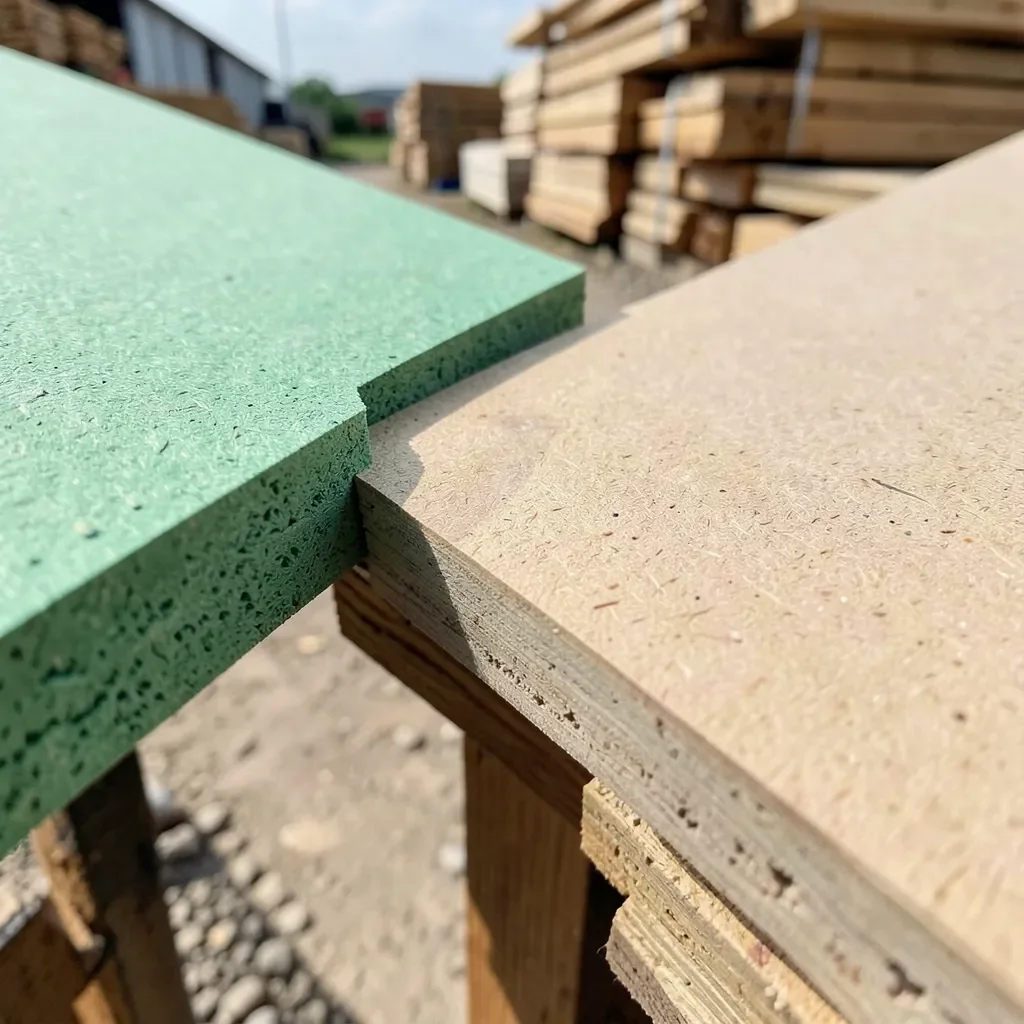
Moisture-resistant (MR) MDF — easy to spot by its green-tinted core — is the best choice for panelling in most rooms, and it’s essential in bathrooms, kitchens, or anywhere humidity is a factor. Standard MDF absorbs water and swells at the edges within weeks in a damp room. This guide covers the real thickness specs (6mm to 25mm), how MR MDF differs from fire-retardant MDF, and why sealing every cut edge matters more than the grade you buy.
Best MDF Type for Panelling: Moisture-Resistant (MR) MDF
Best MDF Edge Sealer Pick
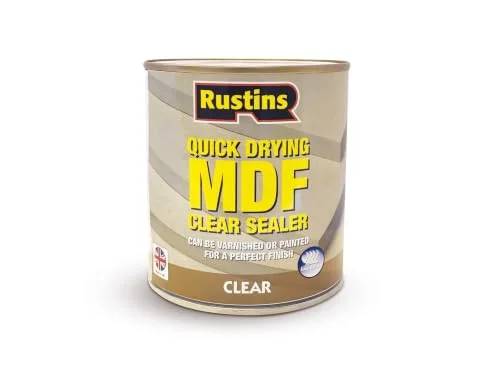 |
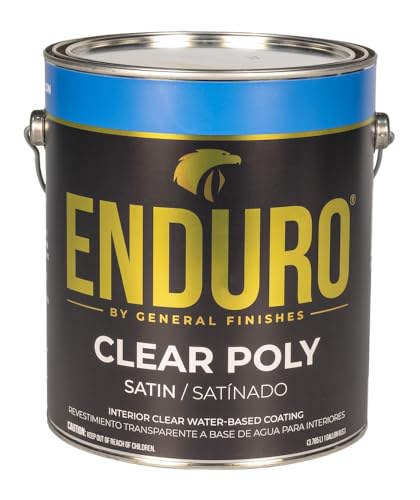
Rustins Quick Drying MDF Clear Sealer, 250ml – $17.50 Purpose-built to seal raw MDF fiber on cut edges — exactly the step this guide flags as more important than which MDF grade you buy.
|
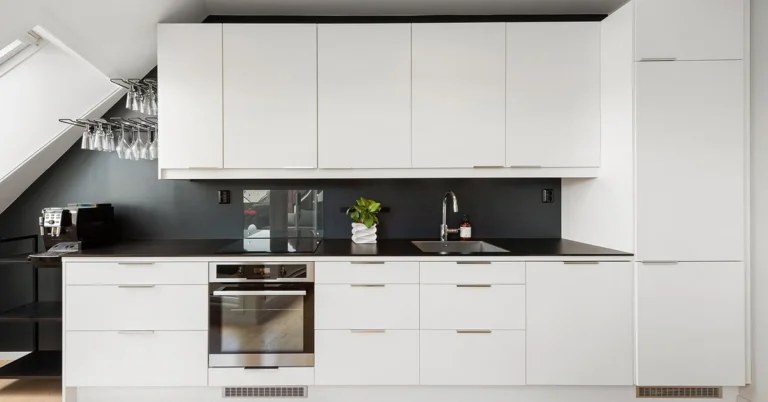
Moisture-resistant MDF is manufactured with a wax-based or resin binder that slows water absorption, and manufacturers tint the core green so installers can visually confirm they’re using the right board on site. It costs roughly 20-40% more than standard MDF but is worth it anywhere splashes, steam, or humidity swings are likely — bathroom panelling, kitchen splashbacks, laundry rooms, and mudrooms.
Important distinction: “moisture-resistant” is not “waterproof.” MR MDF resists humidity and occasional light moisture contact, but standing water or direct spray will still cause it to swell over time if the surface isn’t sealed. Every cut edge, screw hole, and exposed face needs a sealer or primer — the resin treatment alone doesn’t fully protect raw, cut MDF fiber.
MDF Panelling Thickness Guide
Thickness matters as much as moisture grade for a panelling job that stays flat and doesn’t flex. Here’s what each common thickness is actually meant for:
- 6mm-9mm: Lightweight decorative panelling and trim overlays where the board is fully supported by the wall behind it.
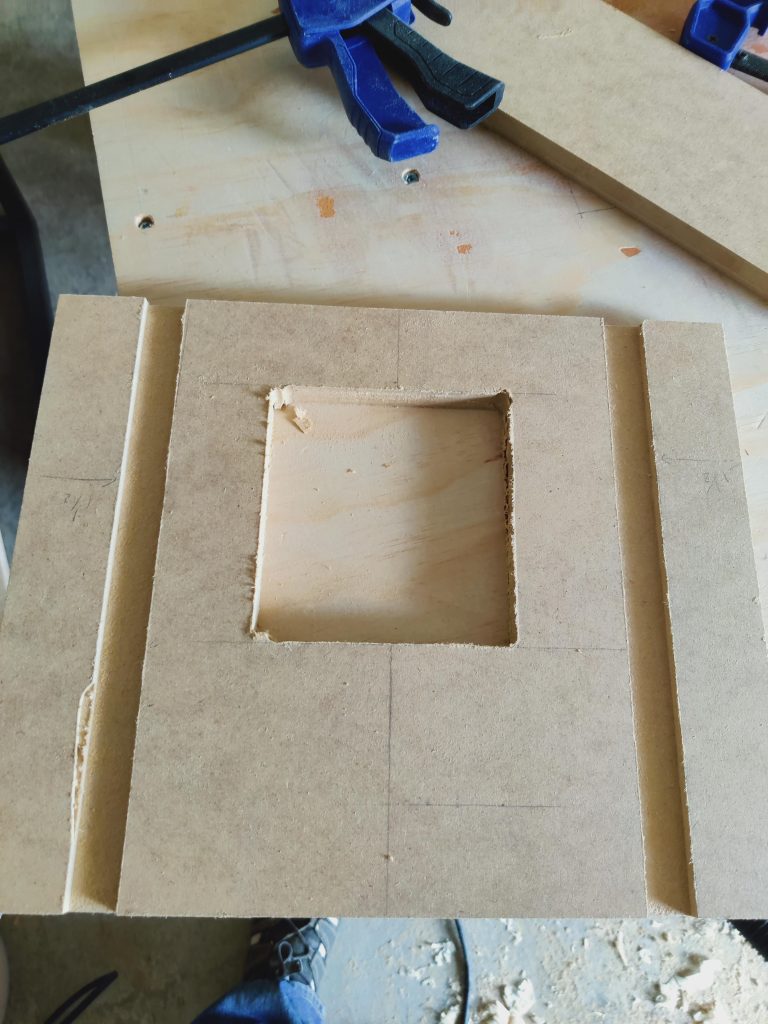
- 12mm: The most common thickness for wainscoting and shaker-style wall panelling — stiff enough to route grooves without flexing.
- 18mm: Used for cabinets, shelving, and panelling that needs to span between studs without extra backing.
- 25mm: Reserved for heavy-duty worktops and furniture tops, rarely needed for wall panelling.
Standard vs. Moisture-Resistant vs. Fire-Retardant MDF
All three share the same basic construction — wood fibers bonded with resin under heat and pressure — but the additives change what each is suited for.
| Type | Core Color | Best For | Avoid In |
|---|---|---|---|
| Standard MDF | Tan/natural | Dry indoor rooms, furniture, trim | Bathrooms, kitchens, exteriors |
| Moisture-Resistant (MR) | Green | Bathrooms, kitchens, laundry rooms | Direct exterior exposure, standing water |
| Fire-Retardant (FR) | Pink/red (varies by brand) | Commercial spaces, escape routes, public buildings | Load-bearing use without engineering sign-off |
Fire-retardant MDF slows flame spread to buy occupants more evacuation time — it is not fireproof, and local building codes (not personal preference) usually dictate when FR-rated board is required.
Installing and Sealing MDF Panelling
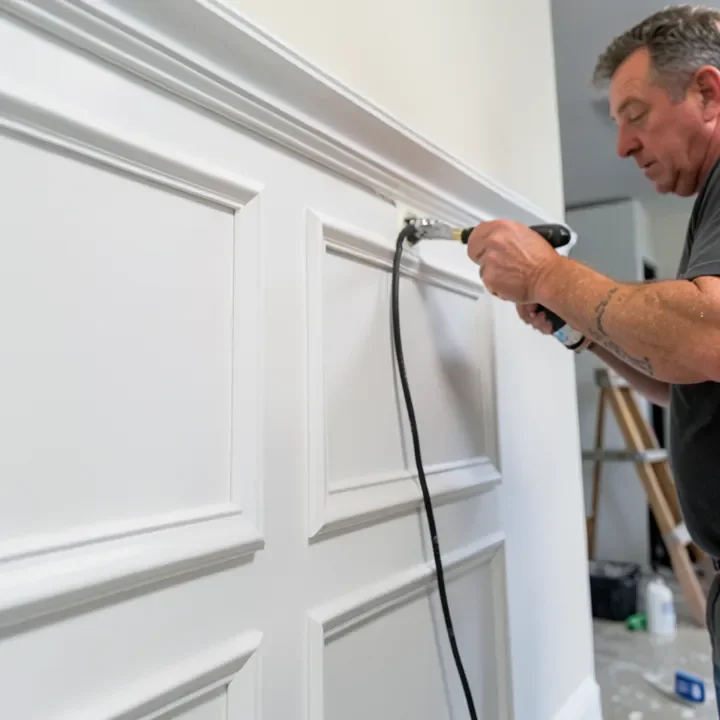
Surface prep decides whether panelling looks crisp or shows every seam. Clean and dry the wall, fill holes or cracks with filler, and sand lightly before you start fixing panels.
- Measure and mark: Cut panels 3-5mm short of full height to allow for seasonal movement.
- Cut with a fine-tooth blade: MDF chips easily with coarse blades — a fine-tooth or carbide blade gives cleaner edges and less dust.
- Seal every raw edge before fixing: Even on MR MDF, cut edges expose untreated fiber. A dedicated MDF sealer or shellac-based primer soaks in and stops moisture wicking into the core.
- Fix with adhesive and pins: Apply construction adhesive evenly, then pin at the top and bottom of each panel while the adhesive cures.
📊 MR MDF resists humidity and occasional moisture contact but is not waterproof — all faces and edges should still be sealed in humid rooms to maintain performance over time.
Finishing MDF Panelling: Paint, Veneer, or Laminate
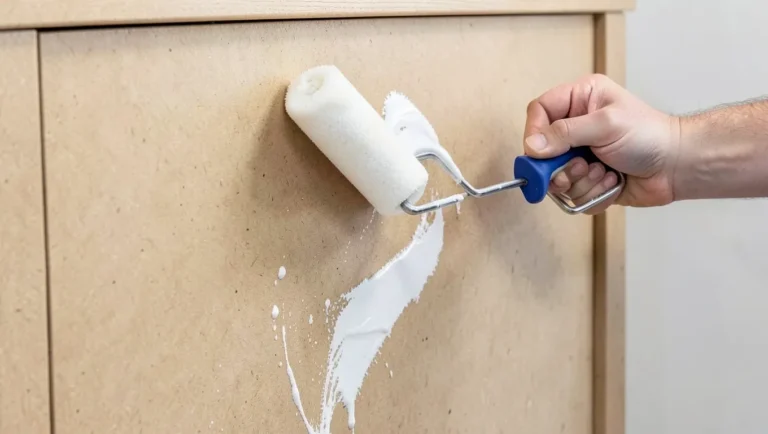
Painting is the most common and cheapest finish: prime first (this also seals the surface), sand lightly with fine-grit paper after the primer dries, then apply two coats of paint. Skipping the primer is the most common reason painted MDF looks blotchy, since raw MDF absorbs paint unevenly.
Veneering bonds a thin layer of real wood over the MDF, giving genuine wood grain with MDF’s dimensional stability underneath. Laminating applies a decorative synthetic layer instead — cheaper than veneer and available in wood-grain, solid color, or metallic finishes, and easier to wipe clean in high-traffic areas.
Frequently Asked Questions
What is the best type of MDF for panelling?
Moisture-resistant (MR) MDF, identifiable by its green-tinted core, is the best type for panelling in most homes and is essential in bathrooms and kitchens where humidity is a factor.
Can I use standard MDF for panelling?
Yes, in dry rooms. Standard MDF works fine for panelling in living rooms, hallways, and bedrooms, but it absorbs moisture and swells in bathrooms, kitchens, or anywhere humidity is regularly high.
Is moisture-resistant MDF waterproof?
No. MR MDF resists humidity and occasional moisture contact, but it is not waterproof — standing water or unsealed cut edges will still allow it to swell over time. Seal every edge and face for lasting protection.
What thickness of MDF is best for wall panelling?
12mm is the most common thickness for wainscoting and shaker-style wall panelling. Use 18mm if the panel needs to span between studs without extra backing, or 6-9mm for lightweight decorative overlays that are fully supported by the wall.
Is MDF a good choice for panelling in high-traffic areas?
Yes. MDF’s density and resistance to wear make it suitable for hallways, living rooms, and commercial spaces, and a laminate or hardwearing paint finish makes it easy to clean in busy areas.
Conclusion
Moisture-resistant (MR) MDF, in 12mm or 18mm depending on the span, is the right call for almost any panelling project, and it’s non-negotiable in bathrooms and kitchens. The grade you buy matters less than what you do after cutting it: sealing every raw edge is what actually keeps panelling from swelling, whichever MDF type you choose.
Sponsored / affiliate links. As an Amazon Associate I earn from qualifying purchases. I may earn additional commission from eligible campaigns.