How Thick Can a Jigsaw Cut? Maximize Your Cutting Power!
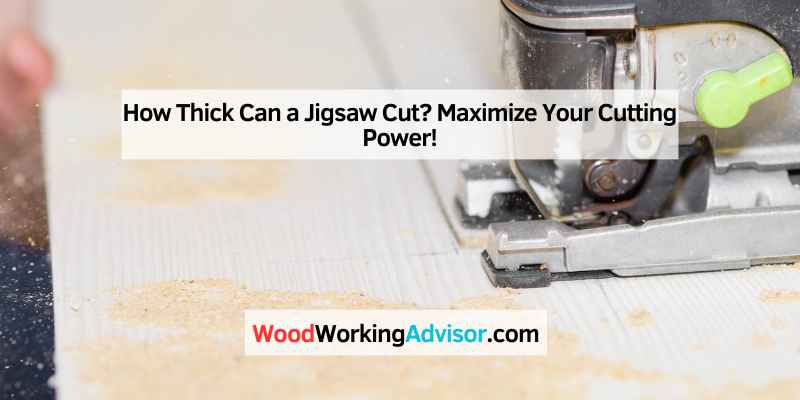
A jigsaw can typically cut through materials up to 2 inches thick, depending on the blade type and material. For softer materials like wood, it can handle even thicker cuts.
Jigsaws are versatile tools that excel in cutting a variety of materials. They are ideal for intricate designs and curves, making them popular among DIY enthusiasts and professionals alike. The blade selection significantly impacts cutting depth and quality. High-quality blades made for specific materials enhance performance, allowing for cleaner cuts.
Understanding the capabilities of your jigsaw ensures efficient and effective use. Whether you’re working with wood, metal, or plastic, knowing how thick a jigsaw can cut helps you choose the right tool for your project. This knowledge can save time and effort, leading to successful outcomes.
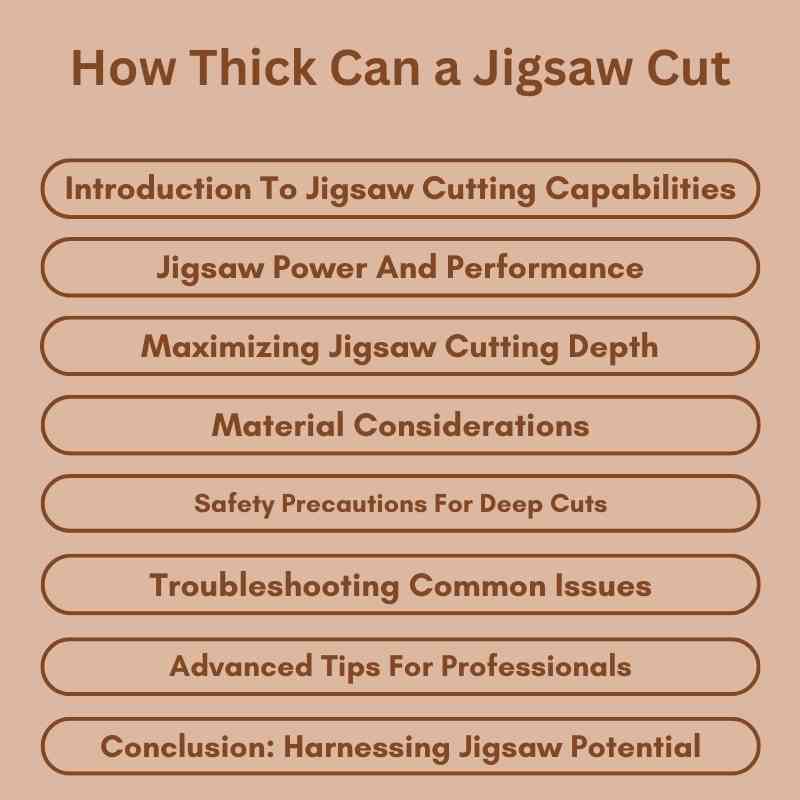
Introduction To Jigsaw Cutting Capabilities
A jigsaw is a versatile tool in woodworking. It cuts various materials, from wood to metal. Understanding its cutting capabilities helps in choosing the right projects. Knowing how thick a jigsaw can cut is essential for effective use.
The Jigsaw’s Role In Woodworking
The jigsaw is popular among woodworkers. It offers precision and control. Here are some key advantages:
- Curved Cuts: Ideal for intricate shapes.
- Versatility: Works on different materials.
- Ease of Use: Suitable for beginners and experts.
Many woodworkers prefer it for its portability. A jigsaw can be used for both small and large projects. Its ability to cut angles and curves makes it unique.
Factors Affecting Cutting Thickness
Several factors determine how thick a jigsaw can cut:
| Factor | Description |
|---|---|
| Blade Type | Different blades cut various materials. Choose wisely. |
| Power Rating | Higher power means thicker cuts. Check the specs. |
| Material Density | Denser materials need stronger blades. Be aware. |
| Cutting Speed | Slower speeds can cut thicker materials effectively. |
Understanding these factors can help you achieve better results. Always choose the right combination for your project.
Understanding Jigsaw Blades
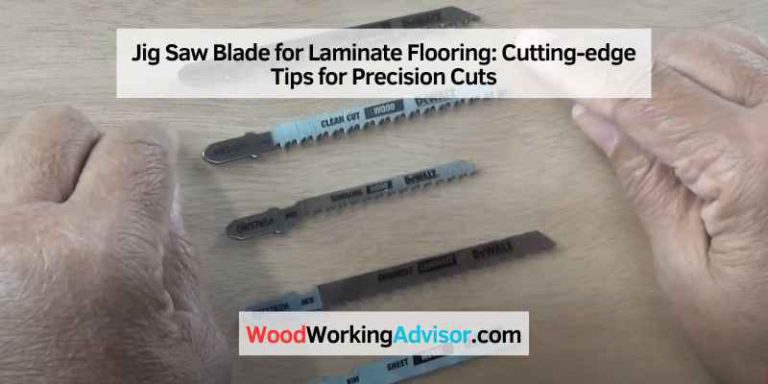
Jigsaw blades are crucial for cutting various materials. They come in different shapes and sizes. Choosing the right blade affects cutting thickness and precision. Let’s explore the types of jigsaw blades and their cutting capacities.
Types Of Jigsaw Blades
There are several types of jigsaw blades. Each type serves a specific purpose. Here’s a quick overview:
| Blade Type | Material | Use |
|---|---|---|
| Wood Blades | High-speed steel | Cutting wood and plywood |
| Metal Blades | Bi-metal | Cutting metal sheets |
| Plastic Blades | Specialized plastic | Cutting acrylic and PVC |
| Tile Blades | Ceramic | Cutting tiles and ceramics |
Blade Thickness And Cutting Capacity
Blade thickness affects how deep and wide a jigsaw can cut. Thicker blades cut through tougher materials. Here are some key points:
- Thin Blades: Ideal for intricate cuts.
- Medium Blades: Suitable for general purposes.
- Thick Blades: Best for heavy-duty tasks.
Common cutting capacities for jigsaw blades include:
- Wood: Up to 2 inches.
- Metal: Up to 1/4 inch.
- Plastic: Up to 1 inch.
- Tile: Depends on thickness and material.
Choose the right blade for your project. This ensures clean and accurate cuts. Always check the specifications before starting.
Jigsaw Power And Performance
Understanding the power and performance of a jigsaw is crucial for effective cutting. The jigsaw’s ability to cut through various materials depends on its motor strength, speed settings, and overall design. This section explores how these factors influence cut depth and precision.
Motor Strength And Its Impact
The motor strength of a jigsaw is a key factor. It determines how thick materials can be cut. A more powerful motor can handle tougher jobs.
- Low Power (3-4 Amps): Suitable for thin materials.
- Medium Power (5-6 Amps): Good for softwoods and plywood.
- High Power (7 Amps and above): Ideal for dense materials like hardwoods and metals.
Speed Settings And Cut Depth
Speed settings affect how fast the blade moves. Different materials require different speeds for optimal cutting.
| Material Type | Recommended Speed Setting | Maximum Cut Depth |
|---|---|---|
| Wood | High (3000-3500 SPM) | 2 inches |
| Metal | Medium (1500-2500 SPM) | 1/4 inch |
| Plastic | Low (1000-1500 SPM) | 1 inch |
Choosing the right speed can improve your cutting experience. Adjusting the speed helps achieve clean edges and reduces material damage.
Maximizing Jigsaw Cutting Depth
Maximizing the cutting depth of a jigsaw is key for thicker materials. Understanding how to choose the right tools and techniques is crucial. This guide helps you unlock your jigsaw’s potential.
Proper Blade Selection
Choosing the right blade is essential for deep cuts. Different blades serve different purposes. Here are some tips:
- Wood Blades: Use high-tooth count blades for smooth cuts.
- Metal Blades: Opt for bi-metal blades for better durability.
- Specialty Blades: Use blades designed for thick materials.
Check the blade’s thickness and length. Longer blades cut deeper. Thicker blades provide stability. Always match the blade to the material type.
Techniques For Thick Material
Proper techniques enhance cutting depth. Follow these methods for better results:
- Set the Right Speed: Use a slower speed for thick materials. This prevents overheating.
- Support the Material: Use a workbench or support blocks. This stabilizes the cut.
- Score the Surface: Lightly cut along the line first. This guides the main cut.
Keep the jigsaw steady. Apply even pressure while cutting. Avoid forcing the blade through the material. Let the blade do the work.
| Blade Type | Material | Max Thickness |
|---|---|---|
| Wood Blade | Wood | 2 inches |
| Metal Blade | Metal | 1/4 inch |
| Specialty Blade | Plastic | 1 inch |
Use these techniques to maximize your jigsaw’s cutting depth. Mastering blade selection and cutting techniques opens new possibilities.
Material Considerations
Understanding the material type is crucial for jigsaw cutting depth. Different materials have unique properties. These properties affect how thick a jigsaw can cut. Let’s explore wood and non-wood materials.
Wood Density And Thickness
Wood types vary in density and thickness. These factors impact jigsaw performance. Here’s a quick overview of common woods:
| Wood Type | Density (lbs/ft³) | Max Thickness Cut (inches) |
|---|---|---|
| Pine | 22 | 1.5 |
| Oak | 45 | 1.25 |
| Maple | 38 | 1.0 |
| Balsa | 10 | 2.0 |
Higher density woods require slower cutting speeds. Thicker woods may need more powerful jigsaws. Keep these tips in mind:
- Choose a jigsaw with adjustable speed.
- Use the right blade for wood type.
- Cut at a steady pace for best results.
Cutting Non-wood Materials
Non-wood materials pose different challenges. Each material requires specific blades and techniques. Here are common non-wood materials:
- Metal: Use a fine-toothed blade. Cut slowly.
- Plastic: Use a medium-tooth blade. Avoid melting.
- Fiberboard: Use a blade designed for composites. Ensure a smooth cut.
Always check the jigsaw’s manual for material limits. Using the wrong blade can damage both the material and the tool.
Knowing material characteristics helps achieve clean cuts. Select the right blade and speed for optimal results.
Safety Precautions For Deep Cuts
Making deep cuts with a jigsaw can be dangerous. Proper safety measures help prevent accidents. Follow these guidelines to ensure your safety and the integrity of your project.
Avoiding Blade Breakage
Blade breakage can lead to injuries. Here are tips to avoid it:
- Use the right blade for the material.
- Check for damage before each use.
- Keep the jigsaw at a steady speed.
- Don’t force the blade through thick materials.
- Use a blade designed for deep cuts.
Consider this table for blade selection:
| Material | Recommended Blade Type | Thickness Limit |
|---|---|---|
| Wood | Wood Cutting Blade | 2 inches |
| Plastic | Plastic Cutting Blade | 1.5 inches |
| Metal | Metal Cutting Blade | 1 inch |
Staying Safe With Thick Cuts
Thick cuts require special attention. Follow these safety tips:
- Wear safety goggles and ear protection.
- Secure the workpiece tightly.
- Keep hands away from the cutting area.
- Use clamps to stabilize the material.
- Ensure proper lighting in your workspace.
Always keep a first aid kit nearby. Stay alert and focused during the cut. Following these precautions can prevent injuries.
Troubleshooting Common Issues
Using a jigsaw can be tricky, especially with thick materials. Understanding common issues helps improve cutting performance. Let’s look at two main problems: blade deflection and power limitations.
Blade Deflection In Thick Material
Blade deflection occurs when the blade bends during cutting. This can lead to uneven cuts and poor results. Here are some signs of blade deflection:
- Curved cuts instead of straight lines
- Increased vibration during operation
- Excessive wear on the blade
To reduce blade deflection:
- Use a thicker blade designed for heavy materials.
- Ensure the blade is sharp to minimize resistance.
- Adjust the speed settings on your jigsaw.
Maintaining proper pressure while cutting also helps. Apply steady pressure without forcing the tool. This keeps the blade stable.
Overcoming Power Limitations
Power limitations can affect cutting efficiency. A jigsaw may struggle with thick materials due to inadequate power. Here’s how to identify power issues:
- Slow cutting speed
- Increased heat generation
- Frequent blade breakage
To overcome these limitations:
| Solution | Description |
|---|---|
| Upgrade Your Jigsaw | Choose a jigsaw with higher amperage. |
| Use a Suitable Blade | Select blades designed for thick materials. |
| Adjust Cutting Speed | Lower speed settings for better control. |
Ensuring a powerful jigsaw can make thick cuts easier. Always keep an eye on the tool’s performance.
Advanced Tips For Professionals
Professional jigsaw users often seek ways to maximize their cutting capabilities. Mastering advanced techniques can significantly improve results. Here are some essential tips to enhance your jigsaw cutting experience.
Precision Cutting Techniques
Precision is key in jigsaw cutting. Here are some effective techniques:
- Use a Clamping System: Secure your workpiece firmly.
- Measure Twice: Always double-check your measurements before cutting.
- Choose the Right Blade: Use blades designed for the material.
- Adjust Speed Settings: Use slower speeds for thicker materials.
For intricate cuts, consider these steps:
- Draw a clear line on the workpiece.
- Start the cut from the edge, not the center.
- Keep the jigsaw steady throughout the cut.
Tool Upgrades For Enhanced Performance
Upgrading your jigsaw can improve cutting efficiency. Consider these upgrades:
| Upgrade | Benefits |
|---|---|
| High-Quality Blades | Finer cuts, longer lifespan. |
| Variable Speed Control | Better adaptation to different materials. |
| Laser Guide | Improved accuracy in cutting lines. |
| Dust Blower | Clear cutting line for better visibility. |
Investing in these upgrades leads to cleaner cuts and more efficient work. Professionals benefit from precise tools that enhance productivity.
Conclusion: Harnessing Jigsaw Potential
Understanding how thick a jigsaw can cut opens up new possibilities. It allows you to choose the right tool for your projects. This knowledge helps you achieve better results in woodworking and crafting.
Summary Of Key Points
- Maximum Cutting Depth: Most jigsaws can cut up to 2 inches thick.
- Material Matters: Jigsaws cut through wood, metal, and plastic.
- Blade Type: Choose the right blade for each material.
- Tool Power: Higher wattage means deeper cuts.
- Technique: Maintain steady pressure for best results.
Further Reading And Resources
Explore more about jigsaws and their applications:
- Jigsaw Basics: Learn about jigsaw components and features.
- Blade Selection Guide: Find the best blades for various materials.
- Cutting Techniques: Discover tips for precision cutting.
- Safety First: Essential safety tips for jigsaw use.
| Material | Max Cutting Thickness | Recommended Blade Type |
|---|---|---|
| Wood | 2 inches | Wood Cutting Blade |
| Metal | 1/4 inch | Metal Cutting Blade |
| Plastic | 1 inch | Plastic Cutting Blade |
Utilize these resources to maximize your jigsaw’s potential. Become a skilled user and enhance your projects.

Frequently Asked Questions
How Thick Can A Jigsaw Cut?
A jigsaw can typically cut materials up to 2 inches thick, depending on the blade type. For softer materials like wood, it can handle thicker cuts. However, for harder materials like metal, the cutting capacity may be less. Always refer to the manufacturer’s specifications for accurate limits.
What Is The Best Blade For Thick Cuts?
For cutting thicker materials, a bi-metal or high-carbon steel blade works best. These blades are designed for durability and efficiency. Ensure the teeth per inch (TPI) is suitable for the material. A lower TPI is ideal for thicker cuts, allowing for faster and more effective cutting.
Can A Jigsaw Cut Through Plywood?
Yes, a jigsaw can effectively cut through plywood. The thickness you can cut depends on the blade used. For thicker plywood, use a high TPI blade for cleaner cuts. Always secure the plywood and follow safety guidelines for best results.
Is A Jigsaw Suitable For Cutting Metal?
A jigsaw can cut thin metal, but it requires the right blade. Use a fine-toothed blade made specifically for metal. This ensures smooth cuts without damaging the material. Thicker metals may require more powerful tools for effective cutting.
Conclusion
Understanding how thick a jigsaw can cut is essential for any DIY project. Knowing the limitations of your tool helps you make informed choices. Whether you’re tackling wood or metal, select the right blade for optimal results. With the right approach, you can achieve precise cuts every time.
Happy cutting!