How Thick Should MDF Shelves Be? Ultimate Guide
MDF shelves should be at least 3/4 inch thick. Thicker MDF, like 1 inch, is sturdier for heavier items.
Medium-density fiberboard (MDF) is a popular choice for shelving due to its smooth surface and affordability. It’s essential to choose the right thickness for your MDF shelves to ensure durability and stability. Shelves that are too thin may sag or break under weight.
Thicker MDF can support heavier items and provide a longer-lasting solution. Besides thickness, proper installation and support are crucial to maximize the shelf’s load-bearing capacity. Always consider the intended use and weight load when selecting MDF thickness. Investing in the correct thickness will enhance the shelf’s performance and lifespan.
Determining Shelf Thickness
MDF shelves need the right thickness for strength. Different factors influence this decision. Consider the weight of items placed on the shelf. Heavier items need thicker shelves. Another factor is the span of the shelf. Longer shelves may sag without proper support.
Think about the purpose of the shelf. Decorative shelves may be thinner. Functional shelves may need to be thicker. For example, bookshelves often need more support. Ensure to add brackets or supports to avoid sagging.
| Factor | Impact on Thickness |
|---|---|
| Weight of items | Heavier items require thicker shelves. |
| Shelf span | Longer spans need thicker material. |
| Purpose | Functional shelves need to be thicker. |
| Support | Additional supports can help thinner shelves. |
The standard thickness for MDF shelves is often 3/4 inch. This thickness supports most items. For lighter decorative items, 1/2 inch may suffice. Shelves holding heavy objects may need to be 1 inch thick.
Always consider the load and span when choosing thickness. Using thicker MDF can prevent sagging. Proper support and brackets are essential. Ensure the shelf material meets your needs.
Weight Capacity And MDF
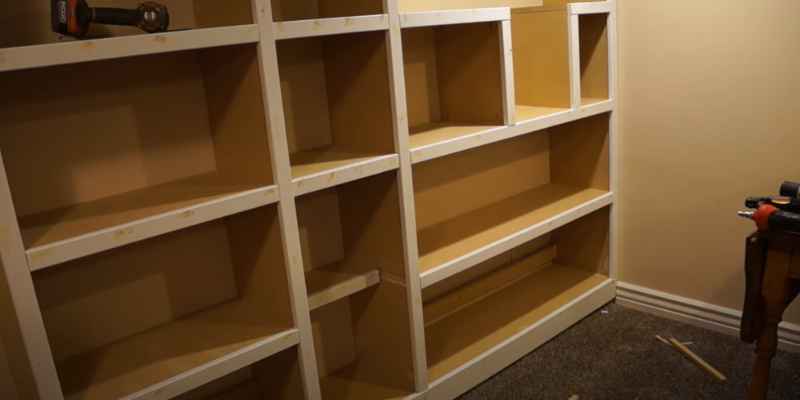
MDF shelves need to be at least 3/4 inch thick to support moderate weight. Thicker boards, around 1 inch, provide extra strength for heavier items.
How Weight Affects MDF Shelves
MDF shelves can hold different weights. Thicker MDF boards can hold more weight. A 3/4-inch thick MDF shelf is good for light to medium items. Heavier items need a thicker shelf. A 1-inch thick MDF shelf is better for heavy items. Thin MDF boards can bend under heavy weight. Always check the weight capacity before loading items. Use brackets for extra support if needed. This will help keep the shelf strong.
Calculating The Load Capacity
Calculating the load capacity helps to know how much weight the shelf can hold. Measure the thickness of the MDF board. Check the maximum load it can support. Use this formula: Load Capacity = Length x Width x Thickness x Material Strength. This will give you a rough idea of how much weight the shelf can hold. Always consider the type of brackets and supports used. They play a big role in holding the weight.
Shelf Length And Depth
MDF shelves must be strong. Shelves that are too thin will bend. Shelf length and depth matter. For short shelves under 24 inches, 1/2 inch MDF is fine. Longer shelves over 30 inches need 3/4 inch MDF. Deep shelves over 12 inches also need thicker MDF.
Heavy items need thick shelves. Books and tools need stronger support. Shallow shelves can use thinner MDF. Deep shelves need thicker MDF. Measure your space before buying MDF.
Support And Bracing For MDF Shelves
Shelf supports are very important for MDF shelves. They keep the shelves strong. There are many types of supports available. Some popular options include brackets, cleats, and pins. Brackets are metal pieces that hold the shelf from below. Cleats are wooden strips attached to the wall. Pins fit into holes in the shelf and the wall. Each type offers different levels of support. Choose the best one for your needs.
Spacing and positioning of braces is key. Place braces evenly along the shelf. Too much space between braces can cause sagging. A good rule is to place braces every 12 to 24 inches. This helps the shelf stay strong. Always secure braces tightly to the wall. This keeps the shelf stable. Make sure the braces are level.
Aesthetic Considerations
Thicker shelves often look more elegant. They add a sense of stability. Thin shelves can appear sleek and modern. Yet, they might not hold heavy items well. Choosing the right thickness is important.
Think about what you will put on the shelves. Heavy books need thicker shelves. Light decorations can sit on thinner ones. Your room’s style also matters. Match the shelf thickness to the room’s look.
The finish of the shelf affects its look. Smooth finishes give a modern feel. Rough finishes give a rustic look. The finish can also protect the shelf. It helps it last longer.
Thicker MDF shelves can handle more weight. They are less likely to bend. Thinner MDF shelves are lighter. They are easier to install. Think about these factors when choosing shelf thickness.
Installation Tips For MDF Shelves
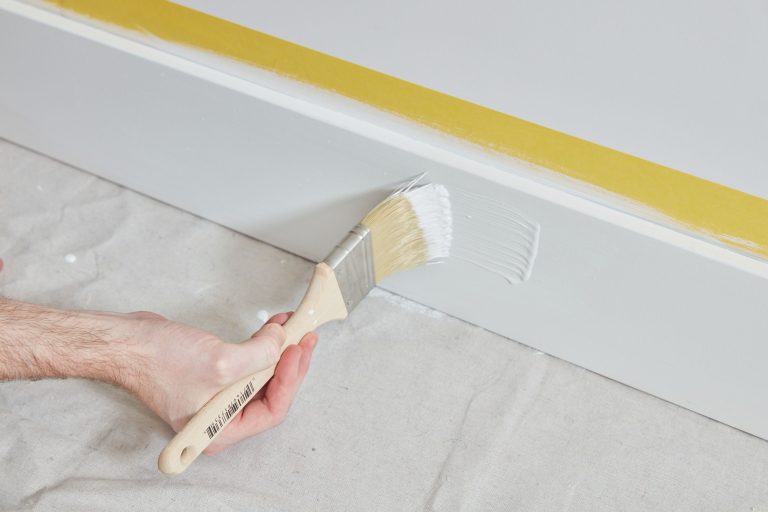
Measure the space where the shelf will go. Cut the MDF to the right size. Sand the edges smoothly. This helps with a better finish. Prime the MDF before painting. This prevents the wood from soaking up too much paint. Always use safety goggles and a mask when cutting or sanding.
Use strong brackets for mounting. MDF can be heavy. Choose brackets that match the shelf size. Screw the brackets into the wall studs. This ensures they hold the weight. Place the shelf on the brackets. Secure it with screws from underneath. Check the level of the shelf. Adjust if needed for a perfect fit.
Maintenance And Longevity
MDF shelves should be at least 3/4 inch thick for optimal durability. This thickness ensures longevity and supports heavier items without sagging. Proper maintenance, like avoiding moisture, will extend the shelf’s lifespan.
Protecting MDF From Damage
MDF shelves need protection from water. Water can make them swell. Use coasters for drinks. Avoid placing heavy items on them. This prevents bending. Keep shelves clean to stop dust buildup.
Regular Care For Durability
Dust shelves weekly with a soft cloth. Use a gentle cleaner for sticky spots. Avoid harsh chemicals. They can damage the surface. Check for loose screws. Tighten them if needed. This keeps shelves stable.
Advanced Customizations
Thicker MDF shelves can hold more weight. Standard thicknesses are 1/2 inch or 3/4 inch. For heavier items, choose shelves that are at least 1 inch thick. Reinforce the shelves with metal brackets for extra support. Spacing the brackets closer can also help. Use multiple brackets for long shelves. This will prevent sagging. Consider using solid wood edging to add strength. These methods will increase the load capacity.
Explore different design options for your MDF shelves. Use different colors and finishes to match your decor. Try adding decorative trim for a unique look. You can also create custom shapes and sizes. Combine MDF with other materials like glass or metal. This will make your shelves stand out. Let your creativity flow with custom designs.
Frequently Asked Questions
What Is A Good Thickness For Shelves?
A good thickness for shelves is 3/4 inch for most purposes. For heavier items, consider 1 inch.
Is MDF Any Good For Shelves?
Yes, MDF is good for shelves. It’s affordable, smooth, and easy to paint. It supports moderate weight well.
Will MDF Shelves Sag?
Yes, MDF shelves can sag over time. To prevent this, ensure proper support and avoid overloading. Use brackets or reinforcement.
Conclusion
Choosing the right thickness for MDF shelves is crucial for durability and functionality. Thicker shelves support heavier items and reduce sagging. Always consider the intended use and weight load. Properly installed MDF shelves can enhance your storage solutions and interior design.
Make informed decisions to ensure your shelves meet your needs.