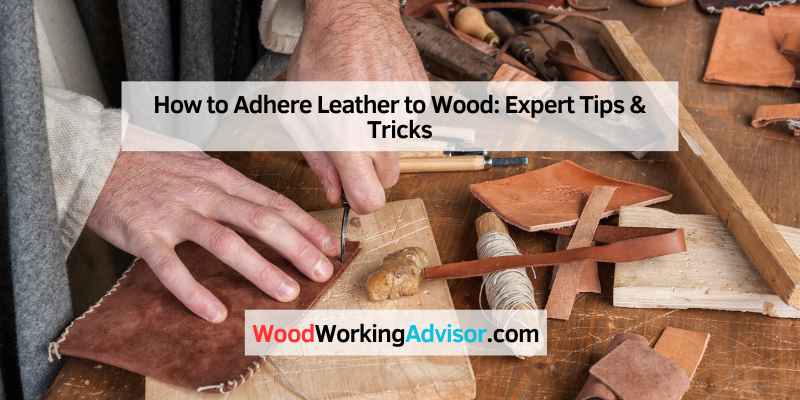
How to Adhere Leather to Wood: Expert Tips & Tricks
To adhere leather to wood, use a strong adhesive like contact cement or leather glue. Apply the adhesive to both surfaces, press them together, and allow it to dry.
Adhering leather to wood can enhance the aesthetics of furniture and crafts. This combination offers a unique blend of textures and durability. Whether you’re creating custom furniture or crafting unique home decor, knowing how to properly bond these materials is essential.
The right adhesive ensures a lasting hold, preventing any peeling or separation over time. Understanding the types of adhesives available and their application methods can make a significant difference in your project’s success. Follow these tips for a seamless and professional finish, ensuring your leather and wood pieces look stunning together.
Introduction To Leather And Wood Projects
Leather and wood projects are very popular. Their unique combination brings a warm, rustic feel. Many people love the look and texture of both materials. Leather adds a touch of elegance, while wood offers strength and durability.
The appeal lies in their versatility. You can use them in various projects. Common items include furniture, home decor, and accessories. Simple projects like leather handles on wooden drawers can transform an item.
| Project Type | Description |
|---|---|
| Furniture | Combine leather cushions with wooden frames for stylish seating. |
| Home Decor | Use leather strips to create wall art on wood panels. |
| Accessories | Make leather coasters to complement wooden tables. |
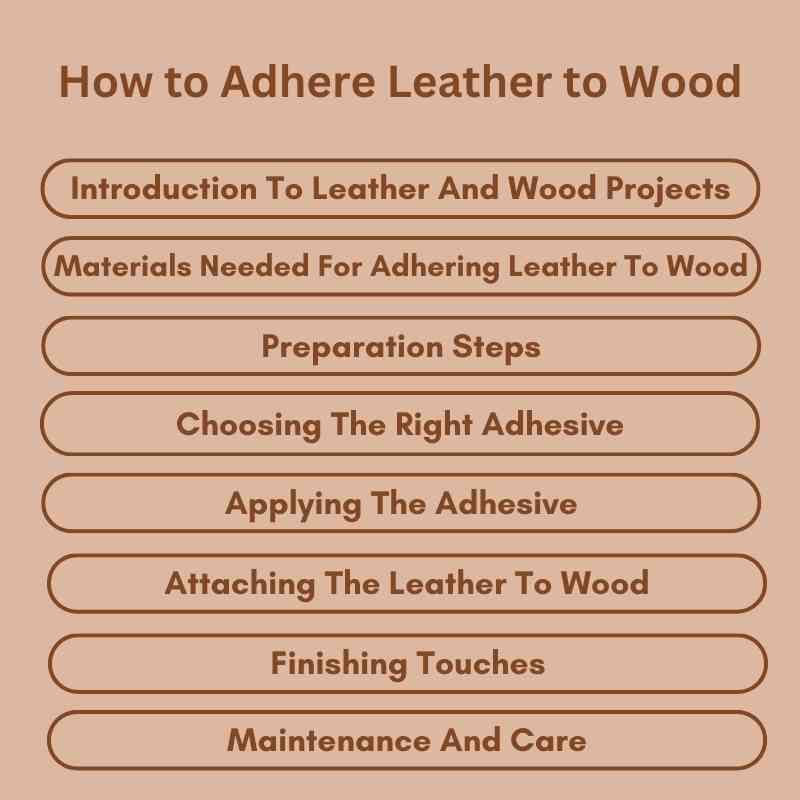
Materials Needed For Adhering Leather To Wood
To start, choose the right leather for your project. Full-grain leather is strong and durable. Top-grain leather is softer but still good. Consider the color and texture that match your design.
Next, select the best wood types. Plywood is great for projects needing stability. Solid hardwood provides a classic look. Softwoods like pine are easy to work with.
Finally, gather the necessary adhesives and tools. Use contact cement for strong bonds. Leather glue works well for lighter projects. A brush or applicator helps spread the glue evenly. Don’t forget clamps to hold everything together while drying.
Preparation Steps
Treating the leather is an important step. Clean the leather with a soft cloth. Use a leather conditioner to keep it soft. This helps the glue stick better.
Preparing the wood surface is also essential. Sand the wood lightly to make it smooth. Wipe off any dust with a damp cloth. This ensures a strong bond between the leather and wood.
Safety precautions are crucial. Always work in a well-ventilated area. Wear gloves to protect your hands. Use safety glasses to shield your eyes from dust and chemicals.
Choosing The Right Adhesive
Choosing the right adhesive is key for sticking leather to wood. Various types of glues offer different properties. Here are some common options:
| Glue Type | Properties |
|---|---|
| Contact Cement | Strong bond, quick drying, heat resistant. |
| PVA Glue | Non-toxic, easy to clean, flexible when dry. |
| Epoxy | Very strong, waterproof, takes longer to cure. |
Temperature and humidity affect glue performance. Warm and dry conditions help adhesives bond better. Cold or humid weather can weaken the bond. Always check the manufacturer’s instructions for best results.
Applying The Adhesive
To achieve an even application of adhesive, clean both surfaces first. Use a soft cloth to remove dust and dirt. Apply the adhesive evenly with a brush or roller. This helps avoid lumps and uneven spots.
Be careful not to use too much adhesive. Excess glue can create a messy finish. Always test the adhesive on a small area first. This ensures it bonds well without damaging either material.
Common mistakes include rushing the process. Patience is key for a strong bond. Avoid using the wrong type of adhesive. Make sure it is suitable for both leather and wood.
Attaching The Leather To Wood
For attaching leather to wood, first ensure proper alignment. Place the leather piece where desired. Check that it fits well on the wood surface. Make small adjustments if needed.
Next, apply pressure to secure the leather. Use a flat surface to press down evenly. Clamping helps keep everything in place. Choose clamps that fit your project size.
After clamping, wait for the glue to dry completely. This will ensure a strong bond. Removing clamps too early can weaken the hold.
Finishing Touches
Trimming excess leather is important for a neat finish. Use sharp scissors for clean edges. Cut close to the wood, but not too close. This helps avoid rough edges that can show.
Sealing the surface protects both leather and wood. A good sealant prevents moisture damage. Choose a sealant that works well with both materials. Apply it evenly with a brush or cloth. Let it dry completely before use. This ensures a long-lasting bond and a beautiful look.
Maintenance And Care
Clean leather and wood surfaces regularly. Use a soft cloth to avoid scratches. For leather, a damp cloth works well. Avoid harsh chemicals that can damage the material.
Dust wood surfaces to keep them looking new. Use a gentle cleaner made for wood. This helps to maintain the finish and shine.
Store leather items away from direct sunlight. Sunlight can fade colors and dry out the leather. For long-term care, apply a leather conditioner. This keeps leather soft and prevents cracking.
Inspect leather and wood for damage regularly. Early detection prevents bigger problems later. Repair any small scratches or tears quickly.
Frequently Asked Questions
How Do I Prepare Wood For Leather Adhesion?
Preparing wood for leather adhesion involves cleaning and sanding the surface. Start by removing any dust and debris. Then, sand the wood lightly to create a rough texture. This helps the adhesive bond better. Finally, wipe the surface with a damp cloth to ensure it is clean before applying adhesive.
What Type Of Adhesive Works Best For Leather And Wood?
The best adhesive for leather and wood is contact cement. It provides a strong bond and is flexible. Alternatively, you can use a strong epoxy or leather glue. Make sure to choose an adhesive that is suitable for both materials.
Always follow the manufacturer’s instructions for optimal results.
Can I Use Regular Glue For Leather To Wood?
Regular glue is not recommended for adhering leather to wood. It may not provide a strong, lasting bond. Instead, opt for specialized adhesives like contact cement or leather glue. These options are designed to handle the unique properties of both materials effectively.
How Long Does It Take For Leather To Bond To Wood?
The bonding time for leather to wood varies by adhesive. Typically, contact cement sets within 15 to 30 minutes. However, full cure time can take up to 24 hours. Always check the specific instructions of the adhesive used for accurate timing to ensure a secure bond.
Conclusion
Successfully adhering leather to wood can transform your projects. By choosing the right adhesive and following proper techniques, you ensure a strong bond. This combination enhances both aesthetics and durability. With practice, you’ll master this skill. Embrace your creativity and enjoy the process of crafting unique leather and wood pieces.