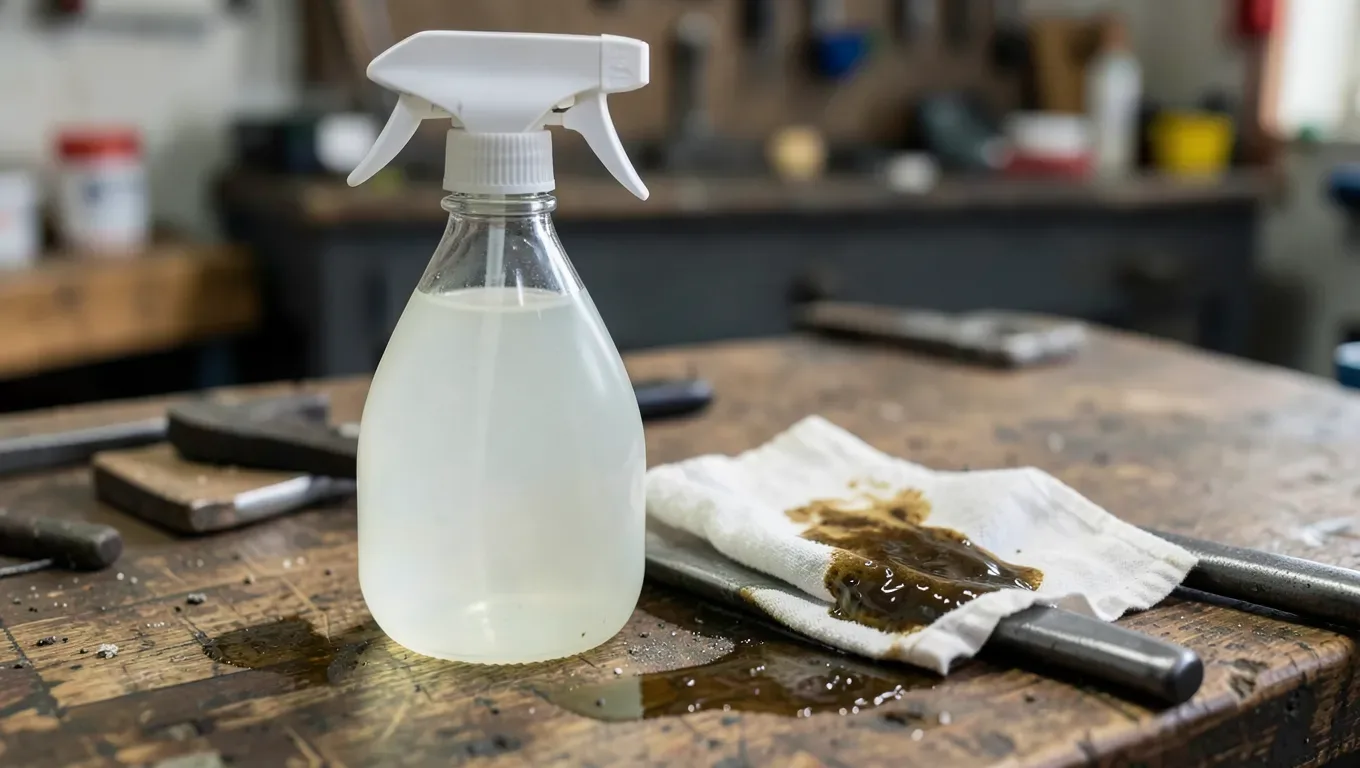
Will Vinegar Remove WD-40? Yes, but Dish Soap Works Faster
Yes — undiluted white vinegar cuts through WD-40 residue because its acidity breaks down the petroleum-based oil film. It’s not always the fastest option, though: dish soap and warm water usually clears WD-40 quicker on fabric or skin, while vinegar is the better choice specifically on stone or bare metal, where soap can leave a dulling film behind.
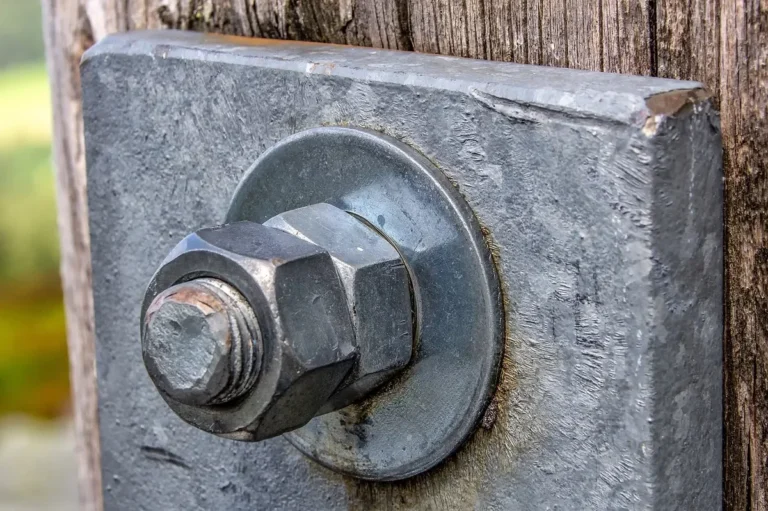
This makes it effective in removing WD-40 residues from surfaces. WD-40 is a popular lubricant and rust remover, but it can leave a greasy residue. If you’re looking for a simple solution to clean this up, vinegar might be your answer.
Vinegar, a common household item, is not only affordable but also eco-friendly. It works by breaking down the oils in WD-40, making it easier to wipe away. This blog post will explore how vinegar can be used to clean up WD-40, the steps involved, and why this method is both efficient and safe. Stay tuned to learn more about this easy cleaning hack!
Why Vinegar Works on WD-40 Residue
Pantry Staple That Cuts WD-40 Residue
 |
Heinz Regular Distilled White Vinegar, 16 oz – $4.29 Straight from the bottle, this is the same distilled white vinegar used in the spot-treatment method above — no diluting required.
|
White vinegar is roughly 5% acetic acid in water, and that mild acidity is doing the actual work here. WD-40’s original formula (the name literally stands for “Water Displacement, 40th formula,” from the 1953 recipe that finally worked) is a petroleum-distillate base carrying a light mineral oil and a small amount of solvent — it’s built to creep into metal joints and threads and leave a thin, water-repelling oil film behind. Acetic acid doesn’t dissolve that oil the way a true solvent would; instead, it disrupts the film’s surface tension and helps emulsify it into smaller droplets that lift off the surface and wipe away with a cloth, which is why letting the vinegar sit for a couple of minutes before wiping makes a real difference — the acid needs contact time to break the film down.
Dish soap works on a different principle and often faster: its surfactant molecules are built specifically to bond to both oil and water at once, wrapping oil droplets so they lift into the wash water rather than reattaching to the surface. That’s why dish soap and warm water usually beats vinegar on fabric, skin, or anything you can rinse afterward, while vinegar’s advantage shows up on hard, non-porous surfaces like bare metal or stone, where you don’t want to introduce soap film that can attract dust or streak as it dries.
The Step-by-Step Vinegar Method
Soak a clean cloth or paper towel in undiluted white vinegar and lay it directly over the WD-40 residue rather than just wiping once — giving it two to three minutes of contact time lets the acetic acid actually break down the oil film instead of just smearing it around. Wipe in one direction with the soaked cloth, then switch to a dry section of cloth (or a fresh one) to lift the loosened residue rather than pushing it back into the surface. On a stubborn or thicker buildup, a second application usually finishes the job faster than scrubbing harder on the first pass, since repeated acid contact does more than mechanical pressure alone.
For a quick comparison of how vinegar stacks up against the other common options, the effectiveness and safety tradeoffs generally break down like this:
| Cleaner | Effectiveness on WD-40 | Best Surface |
|---|---|---|
| White vinegar | Good, needs a few minutes of contact time | Bare metal, stone, glass |
| Dish soap and warm water | Good to very good, faster than vinegar | Fabric, skin, rinseable surfaces |
| Baking soda paste | Moderate, works by absorption not dissolving | Porous or textured surfaces, light residue |
| Commercial degreaser (e.g. Simple Green, Goo Gone) | Very effective | Heavy grease buildup, but can be harsh on finishes |
Vinegar vs Dish Soap vs Cornstarch: Picking the Right One by Surface
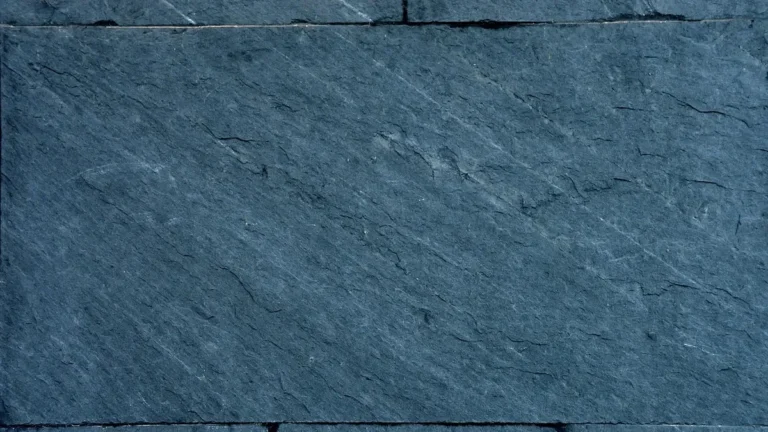
The right WD-40 remover actually depends on the surface, not just what’s in the cupboard. On fabric or skin, dish soap and warm water breaks the oil into rinseable droplets faster than vinegar’s acid-based approach. On stone or unfinished metal, vinegar cuts the oil without leaving the soap film that can attract more dust later. On finished or stained wood, skip vinegar — its acidity can dull or lighten some finishes if left to sit — and reach for cornstarch or baking soda instead to absorb the oil before a gentle soap wipe-down. Whichever you use, test on a hidden spot first if the surface has any kind of coating.
Safety Precautions Worth Knowing
Vinegar is about as low-risk as household cleaners get, but its fumes and undiluted acidity can still irritate eyes and sensitive skin with prolonged contact — work in a ventilated space, and rinse skin promptly if it starts to sting. WD-40 itself is more of a concern during the removal process: it’s flammable while wet, so keep the work area away from open flame or a running space heater, wear gloves to avoid prolonged skin contact with the petroleum distillate, and ventilate the room since the solvent vapor is what carries WD-40’s distinctive smell. Neither product needs special disposal in small cleanup quantities, but a rag heavily saturated with WD-40 should be laid flat to dry outdoors rather than balled up in a trash can, since oily rags can self-heat and pose a rare but real fire risk when bunched together.
Frequently Asked Questions
Can Vinegar Remove WD40 Residue?
Yes, undiluted white vinegar breaks down WD-40’s oil film if you give it two to three minutes of contact time before wiping. A second application usually finishes off a stubborn or thicker buildup.
Is Vinegar Effective For Cleaning WD40?
Vinegar’s acetic acid emulsifies WD-40’s petroleum-oil film rather than dissolving it outright, which is effective but usually a bit slower than dish soap and warm water. It’s the better choice specifically on bare metal or stone, where soap can leave a dulling film.
How To Clean WD40 Off Surfaces?
Soak a cloth in undiluted vinegar, lay it over the residue for a couple of minutes, then wipe with a clean, dry section of cloth. On fabric or skin, dish soap and warm water is usually quicker; on finished wood, use cornstarch or baking soda instead since vinegar can dull the finish.
Does Vinegar Damage Surfaces After WD40 Removal?
Vinegar is safe on bare metal, glass, and stone, but its acidity can dull or lighten finished/stained wood and some painted surfaces if left to sit. Test on a hidden spot first, and don’t let it linger longer than needed on a coated finish.
Conclusion
Vinegar removes WD-40 residue reliably because its acidity emulsifies the petroleum-oil film rather than just smearing it — it’s the right pick for bare metal and stone, a poor pick for finished wood, and usually a notch slower than dish soap on fabric or skin. Match the cleaner to the surface using the breakdown above, give it a couple of minutes of contact time, and a second pass, and the residue comes off without needing anything harsher than what’s already in the kitchen.
Sponsored / affiliate links. As an Amazon Associate I earn from qualifying purchases. I may earn additional commission from eligible campaigns.