Yellow Pine vs Douglas Fir: Janka Hardness, Strength & Cost Compared
Southern Yellow Pine is actually the harder wood — 690 to 870 lbf on the Janka scale versus Douglas Fir’s 620 lbf — but Douglas Fir wins on dimensional stability and holds a straighter line under load. Pick the wrong one and a deck loosens its fasteners or a stud bows inside a wall. This guide compares real Janka numbers, structural design values, decay resistance, and cost so you can match the species to the job.
Quick Answer
Choose Southern Yellow Pine for framing, subfloors, and budget builds where raw strength and cost matter most — it’s harder and cheaper per board foot in the eastern U.S. Choose Douglas Fir for beams, trusses, and anywhere dimensional stability and a straight, tight grain matter more than upfront cost, especially west of the Rockies where it’s the regional default.
Which Is Actually Denser and Harder: Yellow Pine or Douglas Fir?
Best Exterior Sealer for Yellow Pine & Douglas Fir
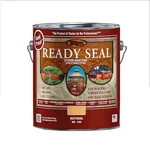 |
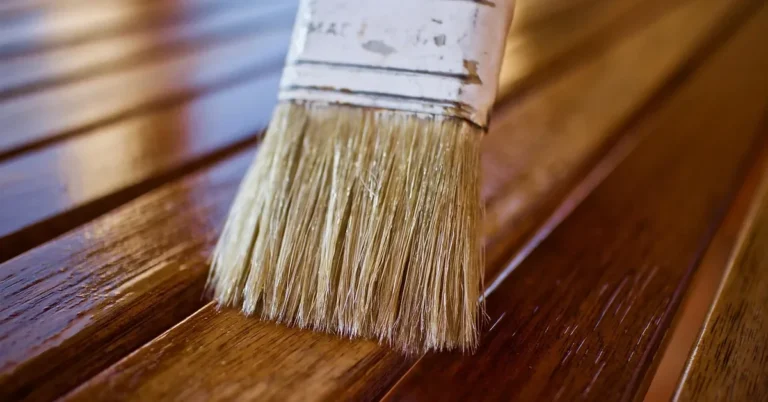
Ready Seal Exterior Wood Stain & Sealer, Natural Light Oak – $40.98 A penetrating, no-lap stain-sealer that works on both Southern Yellow Pine and Douglas Fir decking — useful since, as covered above, neither species is naturally decay-resistant enough to leave bare outdoors.
|
Southern Yellow Pine is a resinous softwood group (loblolly, shortleaf, longleaf, and slash pine) that rates 690–870 lbf on the Janka hardness scale, harder than most other construction softwoods. Douglas Fir rates 620 lbf — noticeably softer, despite the common assumption that Fir is the tougher of the two. The gap comes down to resin content and density: Southern Yellow Pine’s specific gravity runs 0.51–0.61, while Douglas Fir sits at 0.45–0.51 (source: The Wood Database). That extra density is also why Yellow Pine dents and scars less on a workbench top or stair tread than Douglas Fir does.
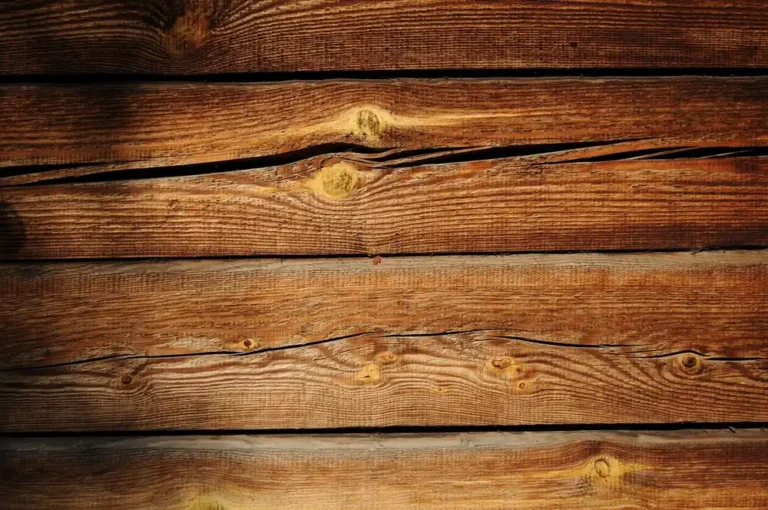
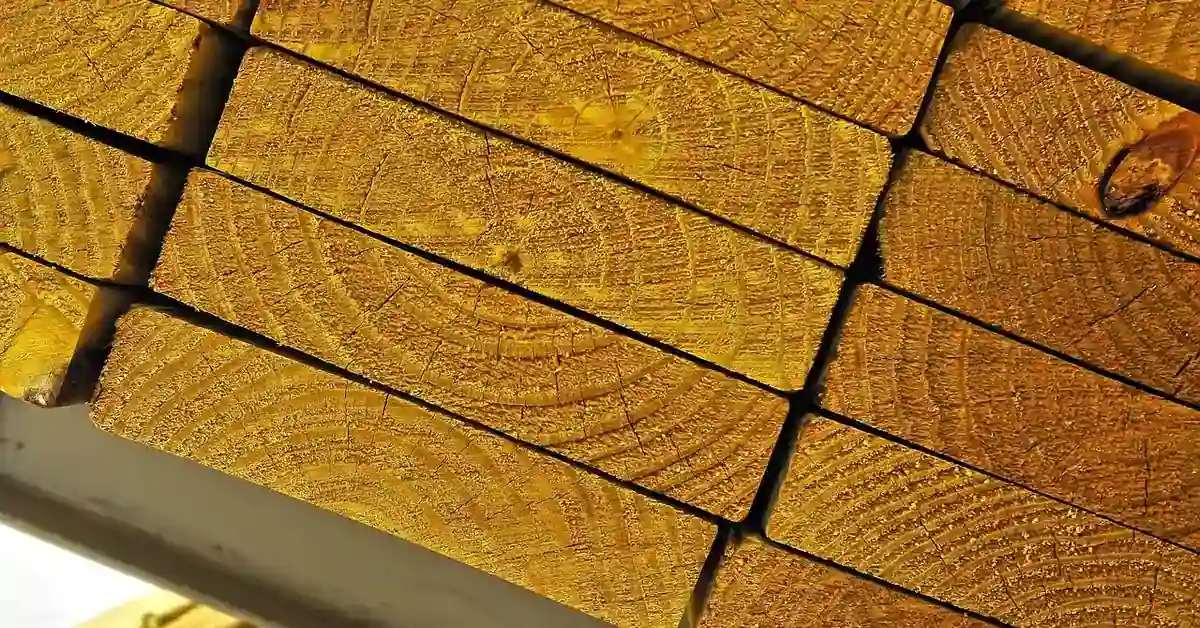
Grain and color still separate the two at a glance. Yellow Pine shows bold, high-contrast growth rings and a pale golden-yellow tone. Douglas Fir has a more subtle, straight grain in a reddish-brown to salmon hue — a look many woodworkers prefer for cabinet-grade trim even though it’s still a softwood by classification.
Structural Strength: Bending, Stiffness, and Rafters
For actual construction-grade lumber, both species are graded under the same American Wood Council (AWC) design-value system, and the numbers are closer than the marketing suggests. No.2 grade Southern Pine (2×8) carries a base bending value (Fb) around 850 psi with a modulus of elasticity (E) of 1,600,000 psi. No.2 Douglas Fir-Larch runs a base Fb near 900 psi with the same 1,600,000 psi E rating. In plain terms: at the grade actually sold at the lumber yard, the two species are engineered to nearly identical stiffness — the “Fir is stiffer” claim mostly holds for clear, defect-free wood, not the graded studs and joists in your wall.
Where a real difference shows up is rafter and joist span tables, which factor in more than raw stiffness. For a full breakdown of maximum spans, size-for-size load comparisons, and which species wins for a given rafter length, see our dedicated Douglas Fir vs Southern Yellow Pine strength comparison — it covers the engineering side in depth so this guide can stay focused on choosing the right wood for the whole project, not just the framing package. You can also check our note on how strong Southern Yellow Pine really is for grade-by-grade specifics.
Yellow Pine vs Douglas Fir: Specs Compared
| Property | Southern Yellow Pine | Douglas Fir |
|---|---|---|
| Janka hardness | 690–870 lbf | 620 lbf |
| Specific gravity (dry) | 0.51–0.61 | 0.45–0.51 |
| Modulus of elasticity (clear wood) | ~1,600,000–1,800,000 psi | 1,765,000 psi |
| No.2 structural grade E | 1,600,000 psi | 1,600,000 psi |
| Modulus of rupture (clear wood) | 11,600 psi | 12,500 psi |
| Natural decay resistance (untreated heartwood) | Low — relies on pressure treatment | Moderate |
| Primary growing region | Southeastern U.S. | Pacific Northwest |
| Typical cost | Lower, especially in the South/East | Higher outside the Pacific Northwest |
Workability: Cutting, Sanding, and Finishing
Douglas Fir is actually the easier species to hand-plane and rout cleanly — its lower density and straighter grain mean less tear-out around knots. Yellow Pine’s higher hardness and heavier resin content make it more likely to gum up blades and dull edges faster, though its bold grain sands smooth once you’re through the initial cut. Both species take stain reasonably well, but resin pockets in Yellow Pine can bleed through paint or clear finishes if they aren’t sealed with a shellac-based primer first.
Fastener holding is where Yellow Pine’s extra density pays off: screws and nails grip tighter and resist pull-out better than in Douglas Fir, which is part of why it’s the default choice for subfloor and deck-ledger fastening in the regions where it’s sold.
Best Applications for Each Wood
Southern Yellow Pine is the standard choice for wall studs, floor joists, subfloors, and pressure-treated deck framing — its strength-to-cost ratio is hard to beat where it’s regionally available. Douglas Fir is the go-to for exposed structural beams, trusses, glulam, and timber-frame work where a straight, tight grain and dimensional stability under changing humidity matter more than raw hardness. For general Fir applications beyond framing — siding, doors, and boat building — Douglas Fir’s rot-resistant heartwood and clean appearance make it the more versatile pick.
One nuance behind the “rustic vs premium” framing that comes up when shopping: within Southern Yellow Pine itself, grade matters as much as species. Construction-common (No.2) boards show more knots and a rougher, “rustic” look, while Select Structural or appearance-grade Yellow Pine is tighter-grained and closer to premium furniture stock — at a noticeably higher price per board foot.
Cost and Availability
Southern Yellow Pine typically costs less per board foot in the southeastern and eastern United States, where it’s grown and milled locally. Douglas Fir is usually the cheaper, more available option in the Pacific Northwest and West Coast for the same reason — freight is the biggest swing factor in either direction. Both are shipped nationally, so always compare local supplier pricing rather than assuming one is universally cheaper; the region you’re buying in usually decides it. For a cost comparison against a premium hardwood decking alternative, see our Ipe vs teak pricing guide.
Natural Decay Resistance and Outdoor Use
Neither species is naturally rot-resistant enough to leave bare outdoors — that’s a common misconception worth correcting. Southern Yellow Pine’s untreated heartwood actually has low natural decay resistance; its real outdoor advantage is that its sapwood accepts pressure treatment exceptionally well, which is exactly why almost all pressure-treated lumber sold in the U.S. is Southern Yellow Pine. Douglas Fir’s heartwood is rated moderately decay-resistant on its own, but its dense, tight grain resists preservative penetration, so treated Douglas Fir often needs to be incised first. Treating pine for outdoor use and treating Douglas Fir for outdoor use both require the correct approach for the species — they are not interchangeable.
📊 Douglas Fir heartwood is rated “moderately durable” against decay but remains susceptible to insect attack — Source: The Wood Database, Douglas Fir species profile
Environmental Impact
Both species come from fast-growing, actively managed softwood forests and are considered renewable when responsibly harvested. Southern Yellow Pine plantations are typically harvested on a 25–35 year rotation in the Southeast; Douglas Fir stands in the Pacific Northwest take longer to mature but are managed under similar sustainable-forestry programs. When sourcing either species, look for Forest Stewardship Council (FSC) or Sustainable Forestry Initiative (SFI) certification, which verifies the timber came from a responsibly managed forest rather than relying on the species name alone.
Frequently Asked Questions
Which is denser, Southern Yellow Pine or Douglas Fir?
Southern Yellow Pine is denser, with a specific gravity of 0.51–0.61 versus Douglas Fir’s 0.45–0.51. That extra density is also why Yellow Pine rates harder on the Janka scale — 690–870 lbf compared to Douglas Fir’s 620 lbf.
Which is better, Douglas Fir or Yellow Pine?
Neither is universally “better” — Southern Yellow Pine offers more hardness and better fastener grip at a lower cost in the eastern U.S.; Douglas Fir offers more dimensional stability and a straighter grain, and is typically cheaper in the Pacific Northwest. Choose based on your project’s structural needs, region, and budget.
Is Yellow Pine good for framing?
Yes. Southern Yellow Pine is one of the most common framing species in the U.S., valued for its strength-to-cost ratio, good fastener holding, and wide availability. Its No.2 grade carries a structural E of 1,600,000 psi, on par with No.2 Douglas Fir-Larch.
What are the disadvantages of Douglas Fir wood?
Douglas Fir wood is prone to warping and splitting if not dried and stored correctly, and its dense grain can resist preservative penetration without incising. It’s also softer than Yellow Pine (620 lbf vs. 690–870 lbf Janka), so it dents more easily on floors and high-traffic surfaces.
How do you tell the difference between pine and Douglas Fir?
On the tree, pine needles grow in bundled clusters of 2–5, while Douglas Fir needles are short, flat, and attach singly to the branch. Pine bark is rougher and more deeply furrowed than Douglas Fir’s. As milled lumber, Yellow Pine is paler yellow with bolder grain lines; Douglas Fir is reddish-brown with a subtler, straighter grain.
Is Southern Yellow Pine or Douglas Fir better for rafters?
Both are approved rafter species under the AWC span tables, and the choice usually comes down to regional availability and the specific span/load combination rather than one species being categorically stronger. See our full rafter strength and span comparison for size-by-size numbers.
Conclusion
Southern Yellow Pine and Douglas Fir both make solid, code-approved structural lumber — the right choice depends on what the wood needs to do. Pick Yellow Pine for hardness, fastener grip, and lower cost in the South and East. Pick Douglas Fir for dimensional stability, a straighter grain, and lower cost in the Pacific Northwest. Whichever you choose, treat or seal it correctly for the application — neither species is naturally rot-proof outdoors.
Sponsored / affiliate links. As an Amazon Associate I earn from qualifying purchases. I may earn additional commission from eligible campaigns.