What Does Single Bevel Mean? (Blade Angle + Chisel vs Knife Uses)
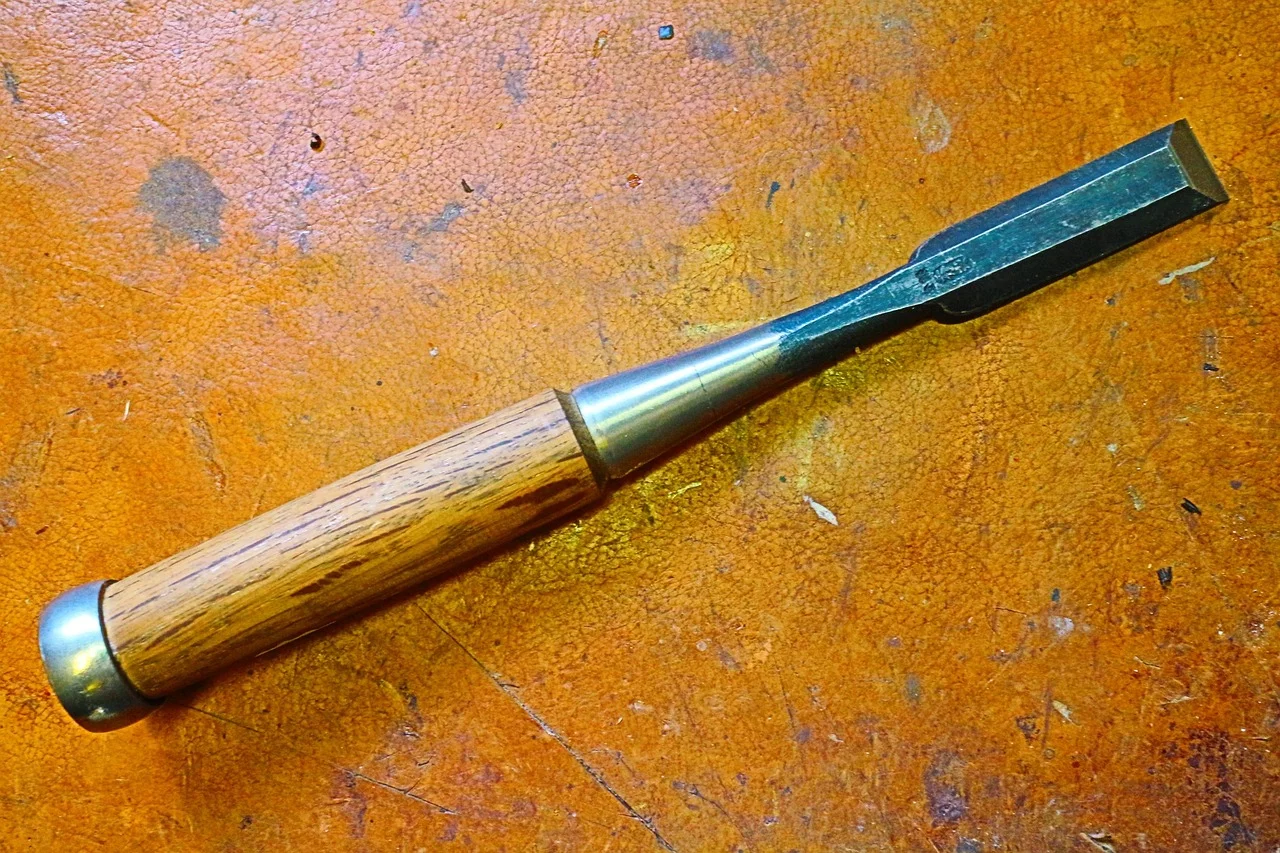
A single bevel edge is ground flat on one side only, usually at 10-15 degrees, unlike a double bevel edge ground on both sides at 15-20 degrees per side. Woodworking chisels, plane irons, and Japanese knives like the yanagiba use single bevels for razor-sharp cuts – but the flat back must stay dead flat or the edge steers off-line. This guide covers the angle, where single bevels show up, and how to sharpen one without ruining the back.
What Does Single Bevel Mean?
Single bevel describes a blade ground to a cutting edge on one face only, while the opposite face (the back) is left flat or slightly hollowed and never sharpened. The result is an asymmetrical wedge: one angled face does all the cutting work, and the flat back rides against the material to keep the cut straight.
The bevel angle itself is usually 10-15 degrees on a single-bevel edge, noticeably finer than the 15-20 degrees per side typical of a double bevel (also called a V-grind or chisel-ground edge, depending on the trade). That narrow, one-sided angle is what makes single bevels so sharp – and so easy to damage if the flat back gets rounded over.
📊 A single bevel typically runs 10-15 degrees per side versus 15-20 degrees per side for a double bevel – Source: Wikipedia, Grind (blade)
 |
Best Sharpening Stone Pick Sharp Pebble Dual-Grit Whetstone (1000/6000) – $39.99 A single bevel edge is sharpened on one face only, exactly the technique this guide’s sharpening steps walk through – the 1000-grit side resets the bevel angle and the 6000-grit side polishes it without ever touching the flat back.
|
As an Amazon Associate we earn from qualifying purchases.
Single Bevel vs Double Bevel: What’s the Difference?
The two designs trade sharpness for durability in opposite directions. Here’s how they actually compare on the points that matter for a buying or sharpening decision:
| Factor | Single Bevel | Double Bevel |
|---|---|---|
| Ground faces | One side only | Both sides |
| Typical angle | 10-15 degrees | 15-20 degrees per side |
| Cutting behavior | Very clean, but tracks to one side | Straight-tracking, more all-purpose |
| Durability | Edge chips more easily | More resistant to chipping |
| Handedness | Made left- or right-handed | Ambidextrous |
| Common tools | Bench chisels, plane irons, yanagiba knives | Most Western knives, most power tool blades |
One note on terminology: a dual-bevel miter saw is a different use of “bevel” entirely – it describes whether the saw’s blade tilts one direction or both, not the grind on a hand-tool edge. Don’t confuse the two when researching tools.
Where Single Bevel Edges Show Up
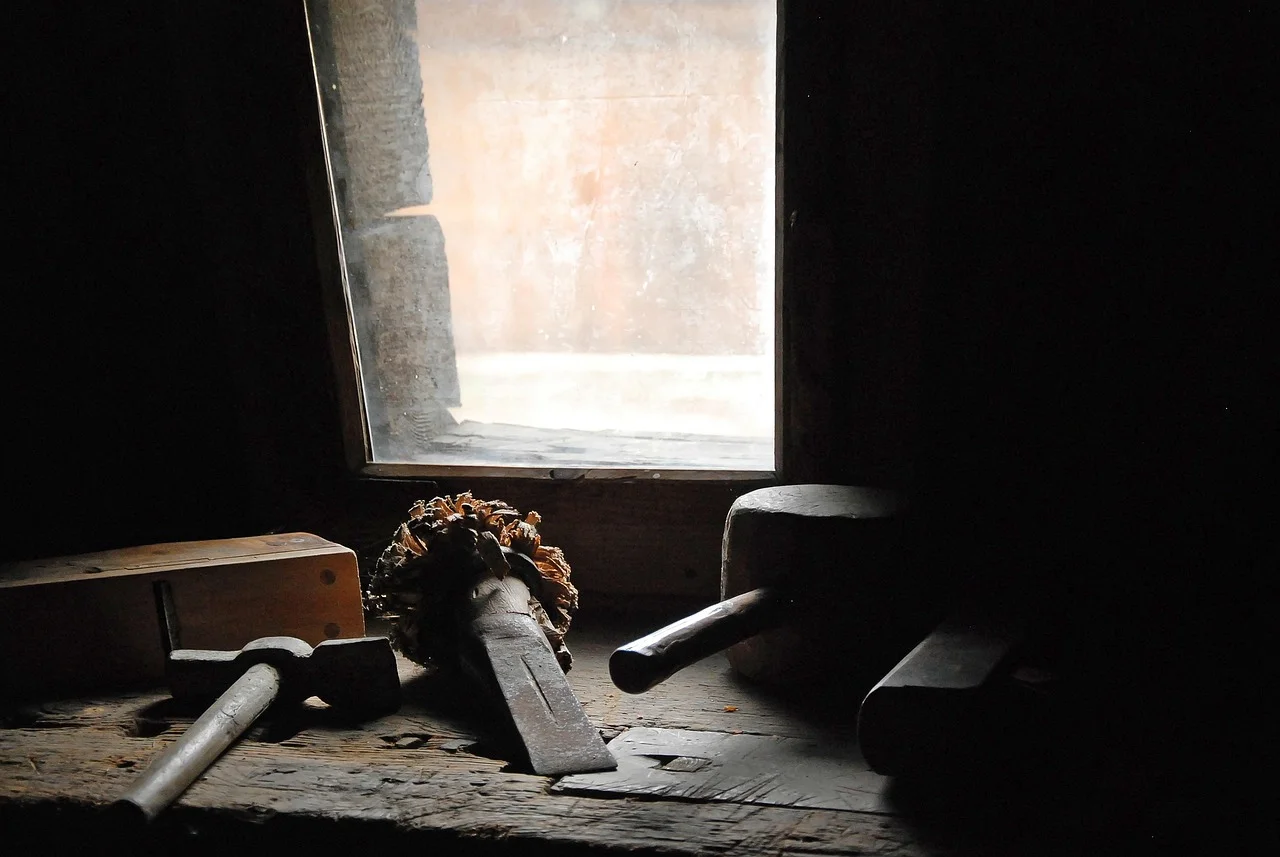
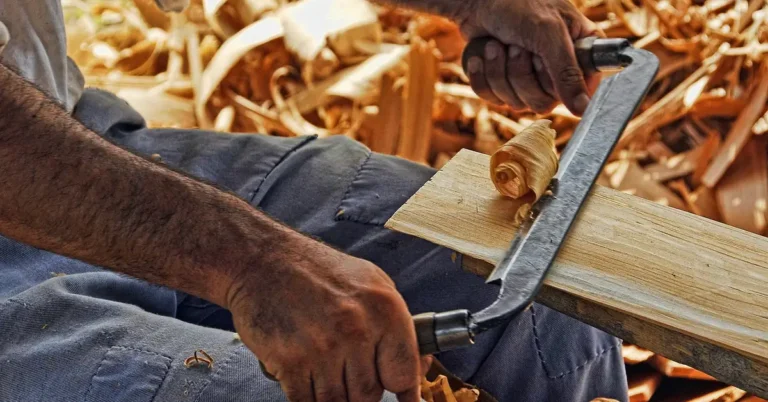
Woodworking chisels and plane irons are the clearest woodworking example, alongside the rest of the hand tools covered in this site’s woodworking tools and saws guide. The flat back registers against the wood surface, which is exactly what lets a chisel pare a flat, controlled surface instead of digging in randomly. Any woodworker who has ever cut a mortise and tenon joint or pared the corners of a hand-cut dovetail has relied on that flat back to keep the cut square.
Japanese kitchen knives are the other major category – the yanagiba (sashimi slicer) and usuba (vegetable knife) are both single bevel, ground for the thinnest possible slice with the least drag through the food. That same asymmetry is also why these knives are sold as distinct left-handed and right-handed models, unlike a standard Western chef’s knife.
Left-Handed and Right-Handed Single Bevel Blades
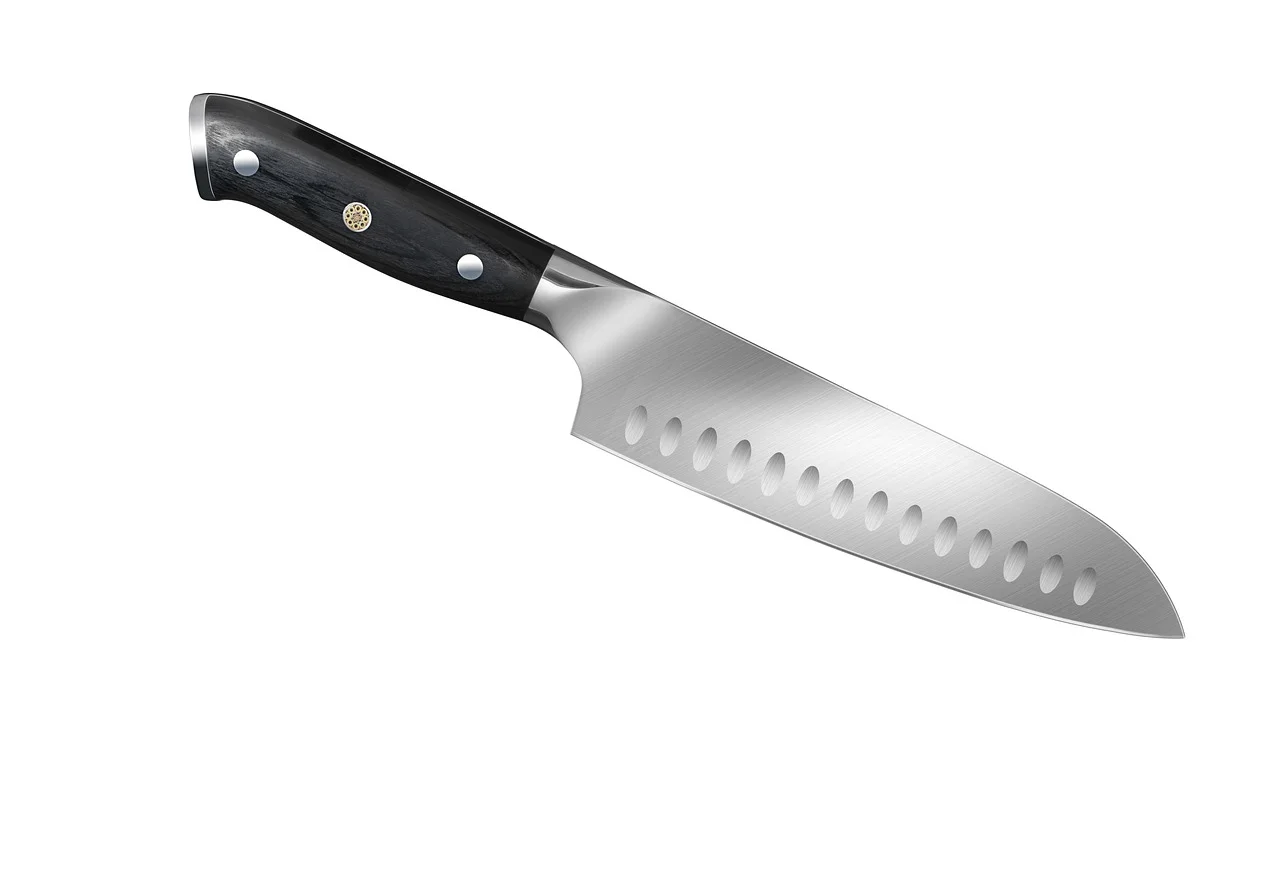
Because a single bevel is ground on only one face, the wedge is not symmetrical – it naturally pushes the tool slightly toward the flat-back side as it cuts. Manufacturers correct for this by grinding the bevel on the opposite face for left-handed users, so a right-handed yanagiba and a left-handed yanagiba are mirror images of each other, not the same knife.
This matters most for knives, since a right-handed single bevel knife in a left-handed grip will pull noticeably off-line with every cut. Chisels are less affected in normal use because the mallet or hand pressure is straight down the length of the tool rather than across it, but the same left/right distinction still shows up on skew chisels and some carving tools.
Advantages and Disadvantages of a Single Bevel Edge
- Advantage – thinner cutting angle: grinding only one face lets makers take that face down to 10-15 degrees without weakening the edge the way a symmetrical grind at the same included angle would.
- Advantage – a true reference face: the flat back gives chisels and plane irons a fixed surface to register against the wood, which is what makes a paring cut or a plane pass predictably flat.
- Disadvantage – it tracks to one side: the same asymmetry that makes the edge sharp also makes it steer, which takes deliberate technique to compensate for.
- Disadvantage – flattening is unforgiving: once the flat back gets rounded over on a stone, restoring it means lapping the entire back flat again, not just touching up the bevel.
- Disadvantage – left/right specificity: a single bevel knife ground for a right-handed cook cannot be handed to a left-handed cook and perform the same way.
How to Sharpen a Single Bevel Edge Without Ruining the Back
The one rule that matters more than any other: never put a bevel on the back. The moment the flat back gets rounded or ground, the tool stops being a true single bevel and starts cutting unpredictably.
- Flatten the back first: Lap the flat back on a coarse stone (220-400 grit) until it is mirror-flat edge to edge – never round it over.
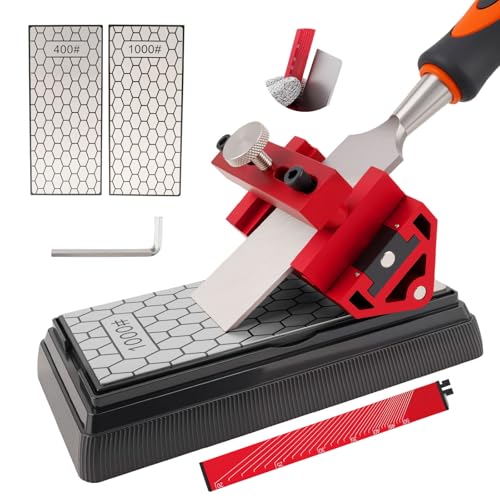
- Set the bevel angle: Rest the ground face flat on a medium stone (1000 grit) and hold the existing bevel angle, usually 10-15 degrees.
- Raise a burr on the bevel side only: Push the bevel across the stone until you feel a wire burr form on the flat-back side – never sharpen the back.
- Polish on a fine stone: Move to a 6000-grit (or finer) stone and repeat the same bevel-only strokes to remove the burr and refine the edge.
- Strop and check for a straight cut: Strip the last burr on leather or a strop, then test-cut – the blade should track straight, not pull to one side.
Single Bevel Myths, Answered
Myth: single bevel tools are only for professionals. In reality, the geometry is what takes practice, not the skill level of the user – a beginner using the correct sharpening angle gets the same clean edge as anyone else.
Myth: single bevel and “sharper” always mean the same thing. A well-sharpened double bevel edge can be just as sharp. What single bevel actually buys you is a thinner cutting angle and a flat reference face, not sharpness by itself.
Frequently Asked Questions
What is the difference between single bevel and double bevel?
A single bevel blade is sharpened on one side only, at roughly 10-15 degrees, with a flat back that never gets ground. A double bevel blade is sharpened on both sides, typically 15-20 degrees per side, forming a symmetrical V-shaped edge. Single bevels cut cleaner but track to one side; double bevels are more durable and easier to use straight.
Are woodworking chisels single bevel or double bevel?
Standard bench chisels and plane irons are single bevel – one ground face plus a flat back. The flat back is what registers against the wood for a controlled, straight cut, which is why keeping that back perfectly flat matters more on a chisel than on almost any other edge tool.
Why do single bevel blades pull to one side?
Because only one face is ground, the wedge shape is not symmetrical. When the edge meets resistance, the angled face pushes the blade slightly toward the flat side. Right-handed and left-handed single bevel knives exist for exactly this reason – the grind is mirrored so the blade tracks straight for that hand.
Can you sharpen a single bevel blade like a regular knife?
No – sharpening only the beveled face and leaving the back flat is what makes the geometry work. Grinding a bevel into the back turns a single bevel tool into a double bevel one and ruins the original edge geometry. See the sharpening steps above for the correct method.
Conclusion
A single bevel means one ground face and one flat, unsharpened back – a design built for controlled, precise cuts on chisels, plane irons, and traditional Japanese knives. The tradeoff is that the flat back has to stay genuinely flat, and the edge itself needs deliberate one-sided sharpening to keep tracking straight instead of pulling to one side.
Sponsored / affiliate links. As an Amazon Associate I earn from qualifying purchases. I may earn additional commission from eligible campaigns.