How to Bring Out the Grain in Wood: Enhance & Beautify
To bring out the grain in wood, start by sanding the surface with fine-grit sandpaper. Follow this with a wood conditioner or stain to enhance the grain’s appearance.
Woodworking enthusiasts often seek to highlight the natural beauty of wood grain. Various techniques can enhance this unique feature, making your projects stand out. Understanding how to accentuate the grain not only improves aesthetics but also showcases the wood’s character.
Different types of wood have varying grain patterns, and knowing how to bring these out will elevate your craftsmanship. From sanding methods to applying finishes, each step plays a crucial role. This guide provides essential tips and techniques to help you achieve stunning results, whether you’re refinishing furniture or crafting new pieces. Discover how to unveil the beauty of wood today!
Introduction To Wood Graining
Wood grain has a unique allure that attracts many people. Each piece of wood tells its own story through its texture. Understanding wood grain helps in appreciating its beauty.
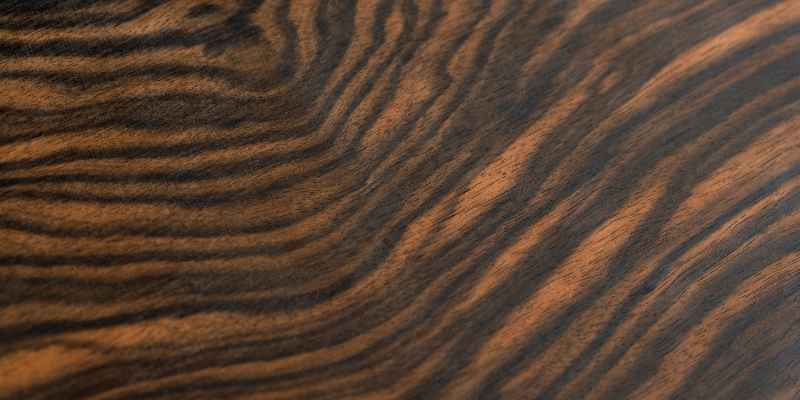
Wood grain refers to the patterns and textures found on the surface of wood. These patterns vary by species, age, and treatment. Some woods have straight, fine lines, while others display bold swirls or knots.
Many factors affect wood grain, such as moisture and growth conditions. A sandy finish can bring out the grain beautifully. Staining can also enhance these textures and colors.

Choosing The Right Wood
Choosing the right wood is important for enhancing grain visibility. Several factors affect this visibility, including wood species, grain pattern, and finish type.
Hardwoods usually show grain better than softwoods. The moisture content also plays a role. Dry wood often exhibits more defined grains.
| Type of Wood | Grain Visibility |
|---|---|
| Oak | Very High |
| Maple | High |
| Pine | Moderate |
| Cherry | High |
Choosing the right finish also helps highlight the wood grain. Oil finishes usually enhance the grain better than varnish. Consider these factors when selecting wood.
Preparation Is Key
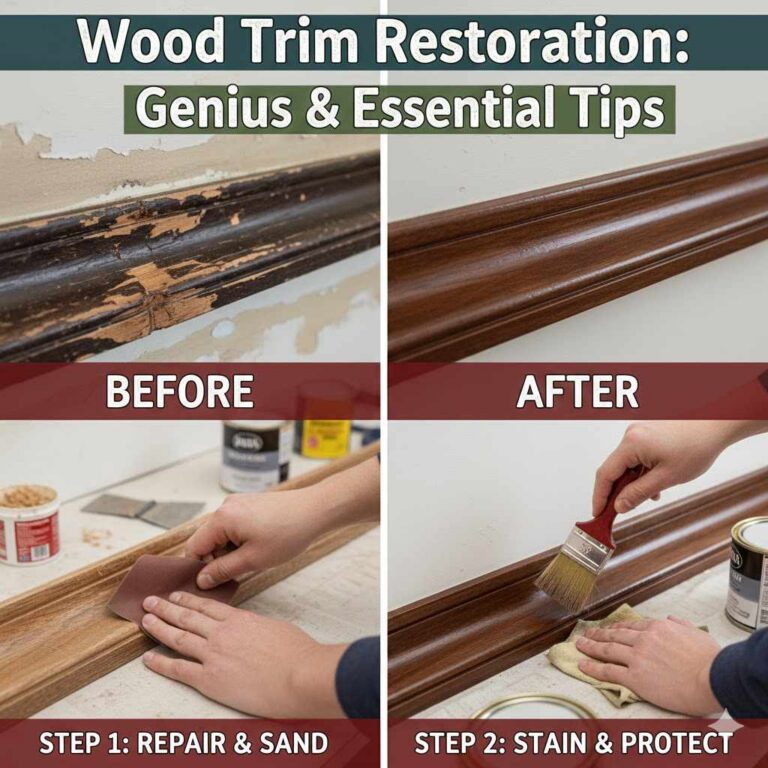
Start by cleaning the wood surface thoroughly. Use a damp cloth to remove dust and dirt. Allow the wood to dry completely before proceeding. This ensures better results.
Sanding is essential for a smooth finish. Use fine-grit sandpaper to avoid scratches. Start with a coarser grit and gradually move to finer ones. Sand with the grain of the wood for the best effect.
Remember to wear a mask to protect your lungs while sanding. Always check for any rough spots after sanding. Smooth surfaces will bring out the wood’s natural beauty.
Enhancing The Grain: Techniques And Tools
Using grain fillers can enhance wood surfaces. They fill gaps and create a smooth finish. Choose a filler that matches the wood type. Apply with a putty knife, pressing it into the grain. Wipe off excess for a clean look.
The role of stains and dyes is crucial in highlighting the wood grain. Stains add color while allowing the grain to show through. Use a brush or cloth to apply stains evenly. Dyes penetrate deeper and offer vibrant colors. Test on a small area before full application.
Applying Finish For Lasting Beauty
Choosing the right finish is essential for enhancing wood grain. Different finishes highlight grain in unique ways. Oil-based finishes penetrate deeply and enrich the color. Water-based finishes dry quickly and are easy to clean. Consider the environment where the wood will be used.
Application tips for even coverage include using a high-quality brush. Apply the finish in the direction of the grain. Use thin coats for best results. Allow each coat to dry completely before adding another. Sand lightly between coats for a smoother finish.
Always test the finish on a scrap piece first. This helps ensure the desired look. Keep the workspace well-ventilated. Avoid dust and debris during application. Following these tips will enhance the wood’s natural beauty.
Advanced Techniques
To create contrast with glazes, choose colors that highlight the wood’s grain. Darker glazes can deepen the details. Lighter shades can brighten the surface. Apply the glaze evenly for the best effect. Use a soft cloth or brush to spread it.
Experimenting with liming wax can add a unique touch. This wax fills the grain and gives a white finish. It enhances the wood’s texture and makes it pop. Apply it with a cloth, and wipe away the excess. This technique works well on oak and other open-grain woods.
Maintenance Tips
Regular care is essential for the longevity of wood. Clean surfaces with a soft cloth. Use a gentle cleaner to avoid damage. Regular polishing keeps the wood looking new.
Dealing with wear and tear is crucial. Inspect wood for scratches or dents. Fill in small scratches with a matching wood filler. For deep scratches, consider sanding and refinishing.
Maintain humidity levels between 30% to 50%. This helps prevent wood from cracking or warping. Always use coasters to protect surfaces from water rings.
Showcasing Finished Projects
Showcasing finished projects brings joy and inspiration to many. Beautifully grained wood can transform any piece. Below are some inspiring examples of grained wood:
- Rustic Tables: A solid oak table with deep, rich grain.
- Decorative Shelves: Cherry wood shelves that highlight natural patterns.
- Unique Frames: Picture frames made from walnut showcasing stunning textures.
- Artistic Bowls: Hand-turned bowls that display intricate wood grain.
Sharing your work helps others learn and appreciate woodcraft. Online platforms allow you to connect with enthusiasts. Photos of your finished projects can inspire creativity. Always highlight the unique features of your wood pieces.
Frequently Asked Questions
How Can I Enhance Wood Grain Visibility?
To enhance wood grain visibility, start by sanding the surface with fine-grit sandpaper. This process removes imperfections and opens up the wood’s pores. Next, apply a wood conditioner to ensure even stain absorption. Finally, choose a stain that contrasts with the wood’s natural color for a striking effect.
What Tools Do I Need To Bring Out Wood Grain?
Essential tools include sandpaper, a wood conditioner, and a stain or finish. You may also need a brush or cloth for application. A clean, lint-free rag is helpful for wiping excess stain. Additionally, a tack cloth can remove dust before finishing touches.
Is Wood Grain Enhancement Suitable For All Types Of Wood?
Not all wood types respond equally to grain enhancement. Softwoods like pine may not show grain as prominently as hardwoods like oak or walnut. However, many techniques can be adapted to various woods. Always test on a small area first to see how the wood reacts.
Can I Bring Out The Grain Without Staining?
Yes, you can enhance wood grain without staining. Use a clear finish or oil that highlights the natural grain. Techniques like liming or pickling can also accentuate the grain while maintaining a light appearance. Always choose a product that suits your desired finish.
Conclusion
Bringing out the grain in wood enhances its natural beauty. With the right techniques, you can achieve stunning results. Use sanding, staining, and finishing methods to accentuate the grain. Experiment with different products for unique outcomes. Embrace these tips, and your wood projects will shine with character and elegance.