How to Split Kindling: Expert Tips for Perfect Firewood
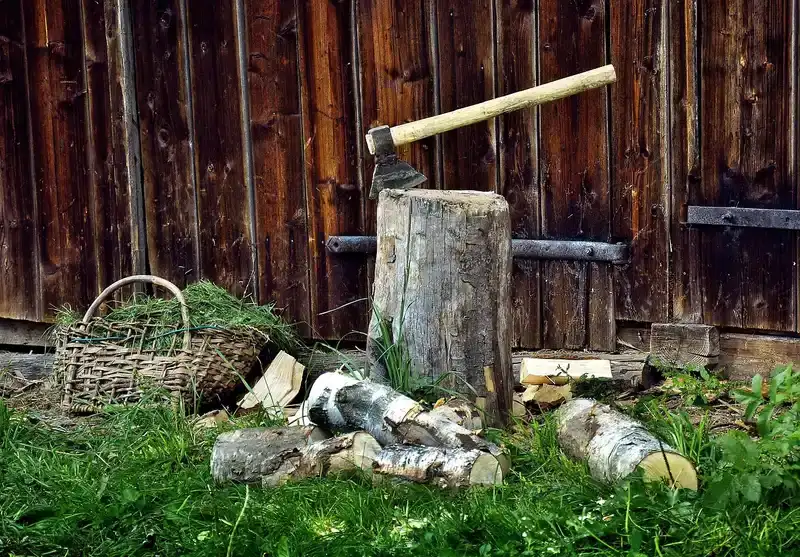
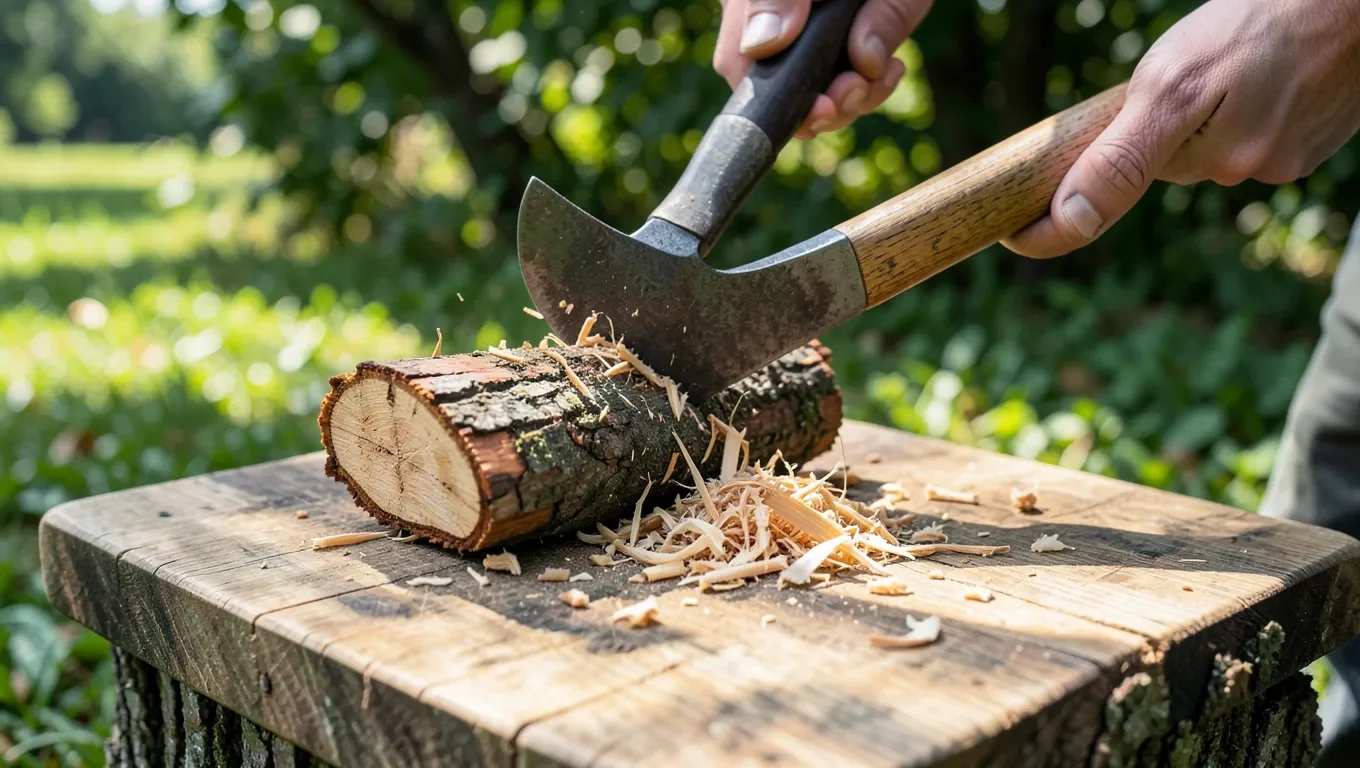
The safest, most controlled way to split kindling is the baton method, not an overhead axe swing: set the hatchet blade on top of the wood where you want the split, then strike the back (poll) of the blade with a mallet or another split of wood to drive it through. For small kindling pieces standing upright on a block, a full overhead swing is genuinely more likely to miss and glance toward your hand or foot than it is to help.
Choosing The Right Wood
Best Hatchet For Kindling
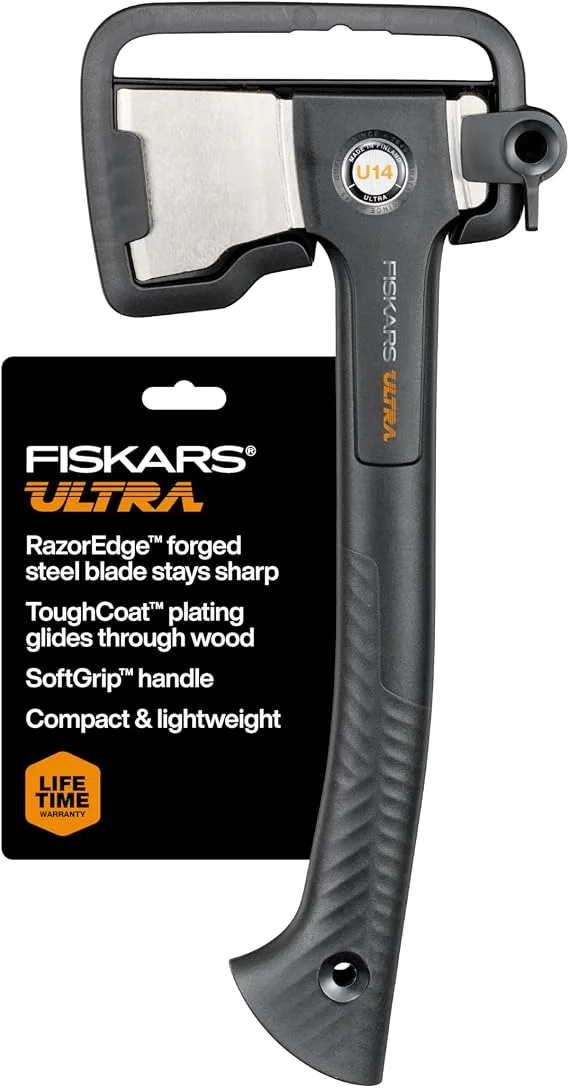 |
Fiskars U14 Universal Hatchet, 14″ – $78.97 Sized right for kindling – big enough for real control, light enough for the baton method without overswinging.
|
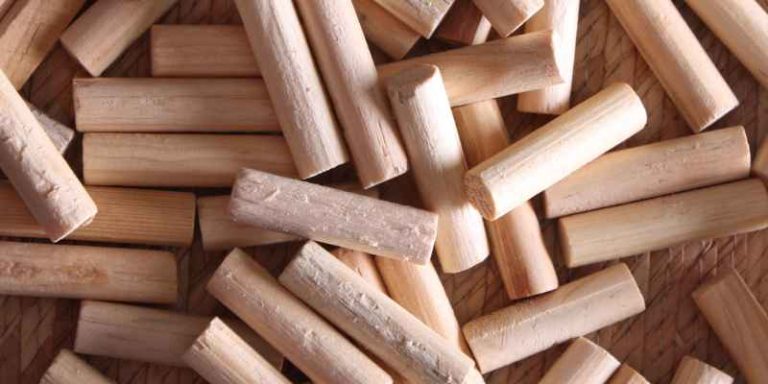
- Dry, straight-grained wood splits easiest – softwoods like pine, cedar, and spruce are the standard kindling choice because they’re easy to split small and ignite quickly.
- Avoid green (unseasoned) wood for kindling – it’s harder to split, burns poorly, and produces far more smoke than seasoned wood.
- Avoid pieces with knots or branch junctions where possible – the grain runs irregularly there and resists splitting cleanly, wasting effort on kindling-sized pieces where it matters least.
- Target roughly 6-8 inches long and pencil-to-thumb thickness – thin enough to catch fire fast, long enough to be easy to handle and stack.
Tools And Safety Gear
- A hatchet, not a full-size axe, for kindling-sized work – a hatchet gives more control on small pieces, where a heavier splitting axe is actually harder to aim precisely.
- A sturdy chopping block or stump to work on – never split kindling directly on the ground, ideally always on a raised, stable surface.
- Gloves, safety glasses, and sturdy closed-toe boots – wood chips and glancing blows are the real injury risks here, not just missed swings.
- Clear the work area of people, pets, and loose obstacles before starting.
The Baton Method (Safest For Small Pieces)
- Place the piece of wood flat or upright on your chopping block, stable and not wobbling.
- Set the hatchet blade against the top of the wood, positioned where you want the split to run.
- Strike the back (poll) of the hatchet head with a mallet, another piece of wood, or a dedicated baton – not with another swing of a separate axe.
- The blade drives through the wood under controlled force, with your hand nowhere near the swing path. This is genuinely safer than an overhead swing for small, standing pieces, which is exactly why it’s the standard technique among experienced campers and preppers for kindling work.
- Repeat, working the piece down to progressively thinner splits.
Overhead Splitting (For Larger Pieces Only)
- Reserve a full overhead swing for larger, already-stable pieces where you have real clearance – not for thin kindling standing upright on its own, which is unstable and easy to miss.
- Keep your feet planted and shoulder-width apart, both hands on the handle, and swing with control – aim for accuracy over power.
- Follow through completely rather than stopping the swing short, which increases the chance of a glancing, uncontrolled hit.
- If a piece doesn’t split after 1-2 solid strikes, reposition it rather than repeatedly forcing the same spot.
Storing Split Kindling
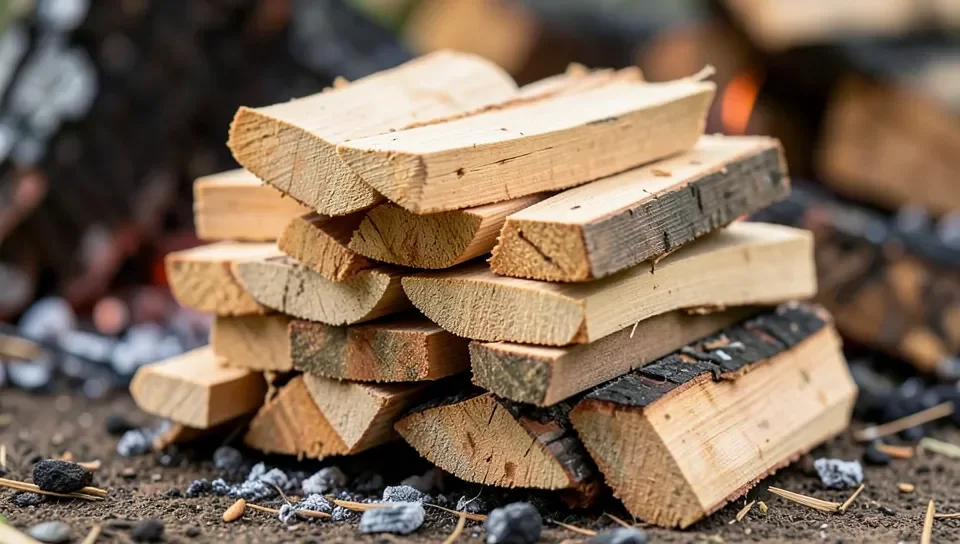
- Store in a dry, covered space with airflow – a shed, garage, or covered rack off the ground.
- Keep it separate from your main firewood stack if possible, since kindling dries and ignites differently and you’ll want it easy to grab first.
- Check periodically for dampness, especially if stored outdoors under just a tarp – wet kindling defeats the entire purpose.
Frequently Asked Questions
What Tools Are Needed To Split Kindling?
A hatchet is better suited to kindling-sized work than a full splitting axe – it offers more control on small pieces. A sturdy chopping block, gloves, and safety glasses round out the essential kit.
How Do You Safely Split Kindling?
For small, standing pieces, the baton method – setting the blade on the wood and striking the back of it with a mallet – is safer and more controlled than an overhead swing. Save full swings for larger, more stable pieces with real clearance.
What Wood Is Best For Kindling?
Dry, straight-grained softwoods like pine, cedar, and spruce split easiest and ignite fastest. Avoid green (unseasoned) wood, which resists splitting and burns poorly.
How Small Should Kindling Pieces Be?
Around 6-8 inches long and pencil-to-thumb thickness – thin enough to catch fire quickly, long enough to handle and stack easily.
Conclusion
Good kindling comes down to dry, straight-grained wood split small – and the baton method, not an overhead swing, is the real safe default for pieces this size. Save full swings for larger, stable wood where you have real clearance to work.
Sponsored / affiliate links. As an Amazon Associate I earn from qualifying purchases. I may earn additional commission from eligible campaigns.