How to Keep Pressure-Treated Lumber From Warping
Pressure-treated lumber warps because it’s installed wet – the pressure-treating process forces preservative-carrying water deep into the wood, and it can hold 30% or more moisture content at the lumber yard. As that water evaporates unevenly over the following weeks, the wood shrinks unevenly too, which is what causes cupping, bowing, and twisting.
Let It Dry Before You Fasten It Down Tight
Best for Checking Lumber Is Dry Enough
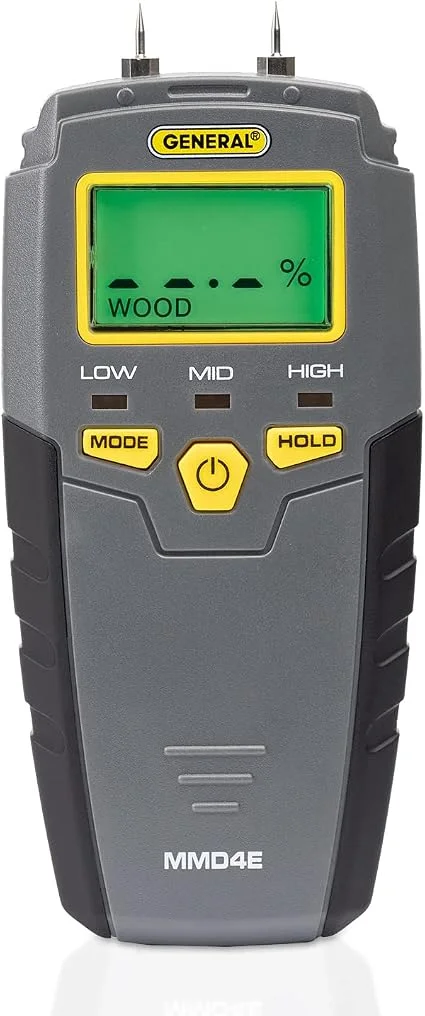 |
General Tools MMD4E Moisture Meter – $38.83 Rather than guessing when stickered lumber has dried enough to fasten down tight, a moisture meter gives a real number to check against before final installation.
|
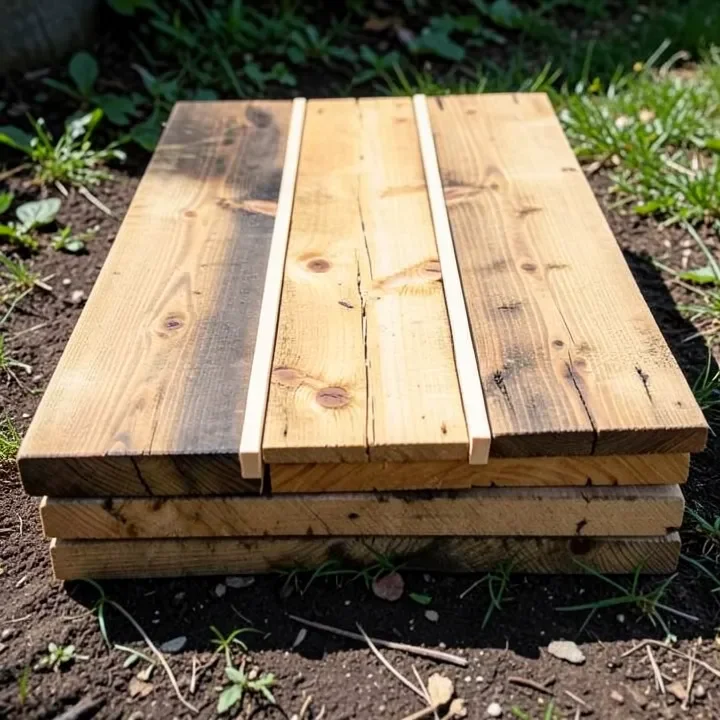
Stack fresh pressure-treated boards flat with 1-inch spacer sticks between each layer (called “stickering”) in a shaded, covered area for 2-4 weeks before final installation. This lets moisture escape evenly from all faces instead of just the exposed top and bottom of a stacked pile, which is what causes lopsided drying and warping in the first place.
Fastening Pattern Matters More Than Fastener Count
Use one fastener per joist near the center of the board’s width, not two near the edges, until the wood has dried and stabilized – two edge fasteners on wet lumber fight the wood’s natural shrinkage and often crack the board or pull the fastener through as it dries and pulls itself flat or cups around the constraint. Once the board has dried (usually visible as color lightening and the surface no longer feeling damp), add the second fastener.
Orientation of the Growth Rings
Boards cup toward the bark side as they dry (the growth rings tend to straighten out, pulling the pith-side face concave). Installing decking with the bark side up is a long-standing trick that lets any cupping shed water instead of pooling it – installed the other way, a cupped board holds standing water in the concave face, which accelerates both further warping and rot.
Choosing Boards With Fewer Warp-Prone Features
At the lumber yard, sight down each board’s length before buying – a board that’s already showing a slight bow or twist on the rack will only get worse as it continues drying after purchase, since that existing warp indicates internal stress already present in the wood. Boards cut closer to the pith (the tree’s center) warp more than boards cut further out, though this is rarely labeled and mostly identified by the tightness of the growth rings visible on the end grain.
Fastener Type Matters for Long-Term Warp Resistance
Hidden fastener systems that clip decking from the side rather than screwing through the face allow the board more room to move naturally as it dries, compared to face-screwed boards that fight the wood’s shrinkage at fixed points. This isn’t purely cosmetic – a face-screwed board has fewer places to naturally relieve internal stress as it dries, which can concentrate warping around the fastener points specifically.
Spacing Boards for Proper Airflow
A consistent 1/8 to 3/16-inch gap between deck boards allows both drainage and airflow underneath, which speeds even drying on all sides of each board – installing boards tight together traps moisture against adjacent edges longer, encouraging the uneven drying that leads to cupping. This gap also needs to account for lumber that’s still wet at installation, since wet boards will shrink somewhat as they finish drying in place.
When Warping Signals a Bigger Moisture Problem
Persistent warping in a deck or structure that was properly dried and installed can indicate a moisture source beyond normal weather exposure – poor drainage underneath, a sprinkler hitting the same section repeatedly, or ground contact that keeps one side of the structure consistently wetter than the other. Addressing that underlying moisture source matters more than replacing warped boards alone, since new boards in the same conditions will eventually warp the same way.
Buying From a High-Turnover Supplier
Lumber that’s been sitting outdoors, uncovered, at a supplier’s yard for months before sale has often already begun uneven weathering before it even reaches your project – buying from a yard with high inventory turnover, or asking when a specific batch arrived, reduces the odds of starting with lumber that’s already partway warped before installation begins.
Using Deck Screws Rated for Treated Lumber
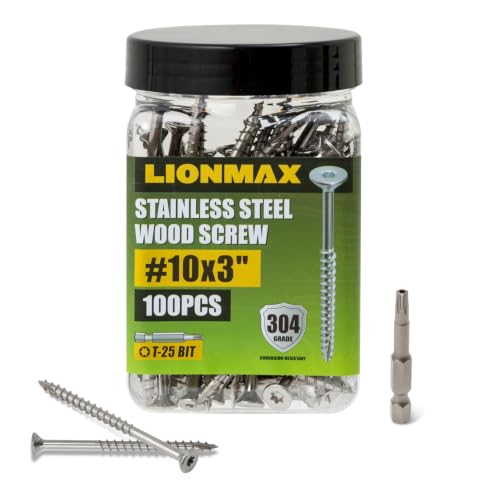
Standard steel screws corrode rapidly in contact with the copper-based preservatives in modern pressure-treated lumber, and a corroding fastener loses holding power exactly where warping stress needs it most – coated or stainless deck screws specifically rated for ACQ-treated lumber cost more but hold their grip through the wood’s full drying and movement cycle in a way uncoated fasteners don’t.
Covering Stickered Lumber During the Drying Period
A loose tarp over stickered lumber protects it from rain while still allowing airflow underneath and around the sides – covering it too tightly with plastic sheeting sealed at the edges traps humidity against the wood and defeats the purpose of stickering it in the first place, since the goal is even airflow, not just staying dry.
Frequently Asked Questions
How long should pressure-treated lumber dry before building with it?
2-4 weeks of stickered (spaced, stacked flat) drying in a shaded area significantly reduces warping compared to installing it straight from the lumber yard.
Which way should the growth rings face when installing pressure-treated decking?
Bark side up. As boards dry they tend to cup toward the bark side, and orienting it up lets any cupping shed water instead of trapping it in a concave face.
Can you fix pressure-treated lumber that already warped?
Mild warping sometimes flattens once the board fully dries and is fastened down; significant cupping or twisting usually needs to be replaced, since force-flattening a badly warped board puts ongoing stress on the fasteners.
Sponsored / affiliate links. As an Amazon Associate I earn from qualifying purchases. I may earn additional commission from eligible campaigns.